What is the real name of Haïti throughout history?
Haiti, a land rich in history and culture, has had several names over the centuries, each reflecting a significant period in its evolution. These names reveal the changing identity of the island, from pre-Columbian times to today. Let’s discover together the different names that this emblematic territory has had and their meaning.
Ayiti: the original name of the Taino
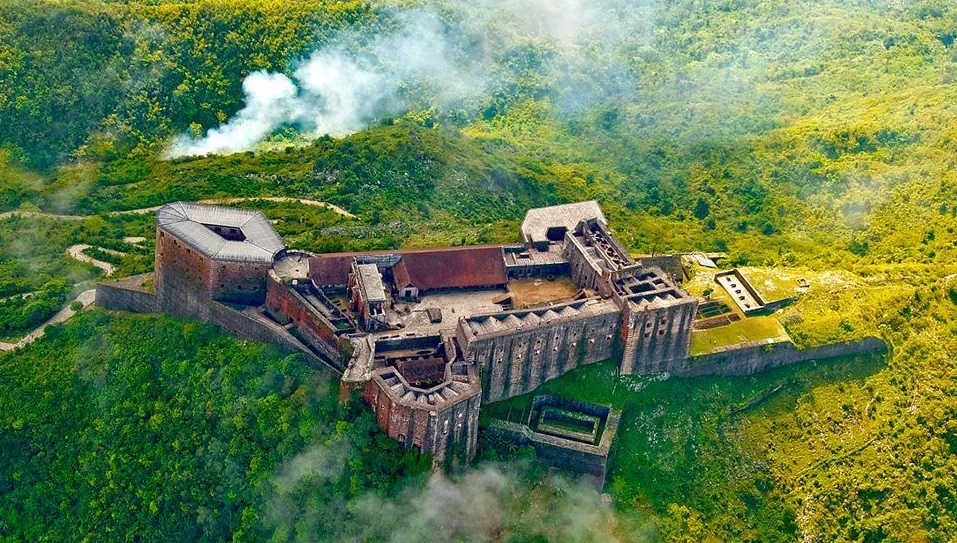
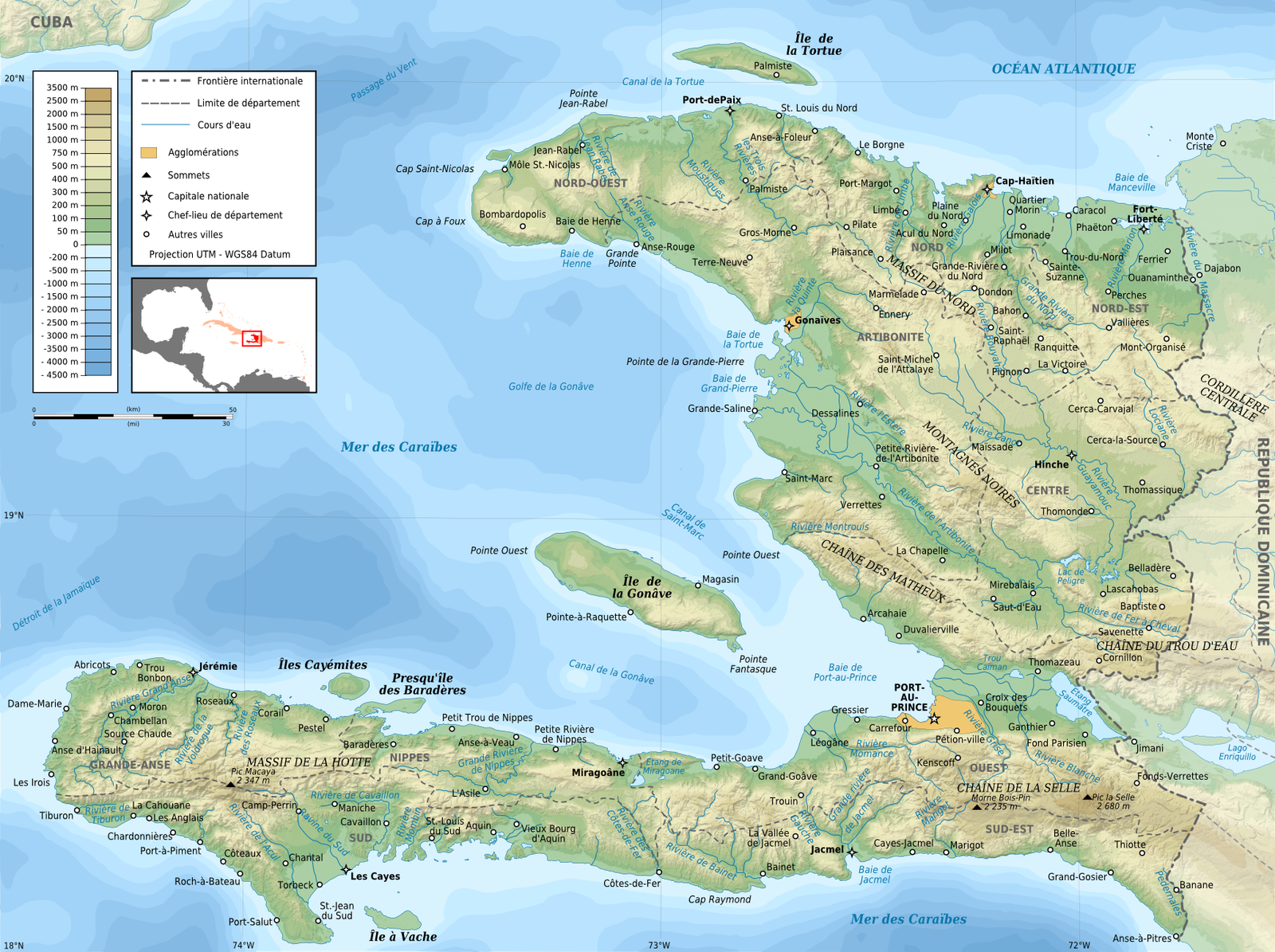
Before the arrival of the Europeans, the indigenous inhabitants of the island, the Taino, called their land “Ayiti”, a word in their language meaning “land of high mountains” or “mountainous country”.
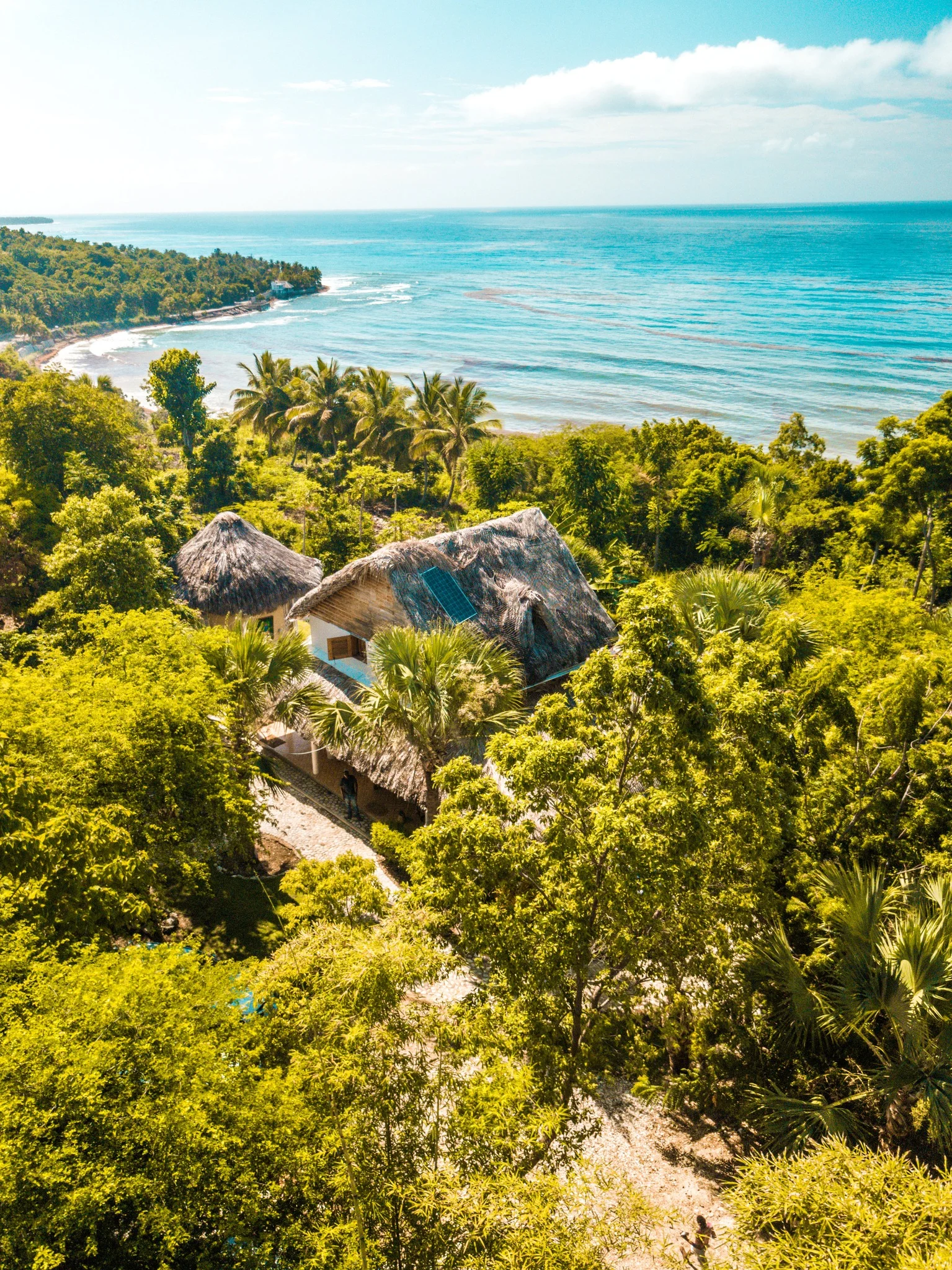
- A geographical description: This name reflected the topography of the island, marked by its imposing mountain ranges and lush nature.
- A rooted identity: For the Taino, “Ayiti” represented much more than a place; it was a symbol of their spiritual connection to the land and their way of life in harmony with nature.
This name, deeply rooted in the Taíno culture, is the first known name of the island.
Hispaniola: the era of Spanish colonization
In 1492, Christopher Columbus landed on the island and named it Hispaniola (or “La Española” in Spanish), which means “Little Spain”.
- A new chapter: This name reflected the Spanish intention of making the island an extension of their empire in America.
- A political division: Under Spanish rule, the island was divided into several territories, marking the beginning of a colonial control that would last for several centuries.
Hispaniola still remains the official name of the island in some international contexts, although each nation that composes it has its own identity.
Saint-Domingue: The French Legacy
In the 17th century, the French took control of the western part of the island, which they named Saint-Domingue.
- A symbol of prosperity: Saint-Domingue became one of the richest colonies of the French empire, thanks to the exploitation of sugar, coffee and indigo plantations.
- A place of suffering: This wealth was based on the forced labor of hundreds of thousands of African slaves, making Saint-Domingue a theater of struggles for freedom.
The name Saint-Domingue is associated with a period of economic greatness, but also of deep inequality and oppression.
Haiti: A return to roots after independence
On January 1, 1804, after a fierce struggle for freedom, the Republic of Haïti was proclaimed, marking a historic turning point.
- A tribute to ancestors: The name “Haiti” was chosen to honor the Tainos and their original name for the island, “Ayiti.”
- A symbol of freedom: By abandoning the colonial name, Haitian leaders affirmed their independence and their break with the oppressive past.
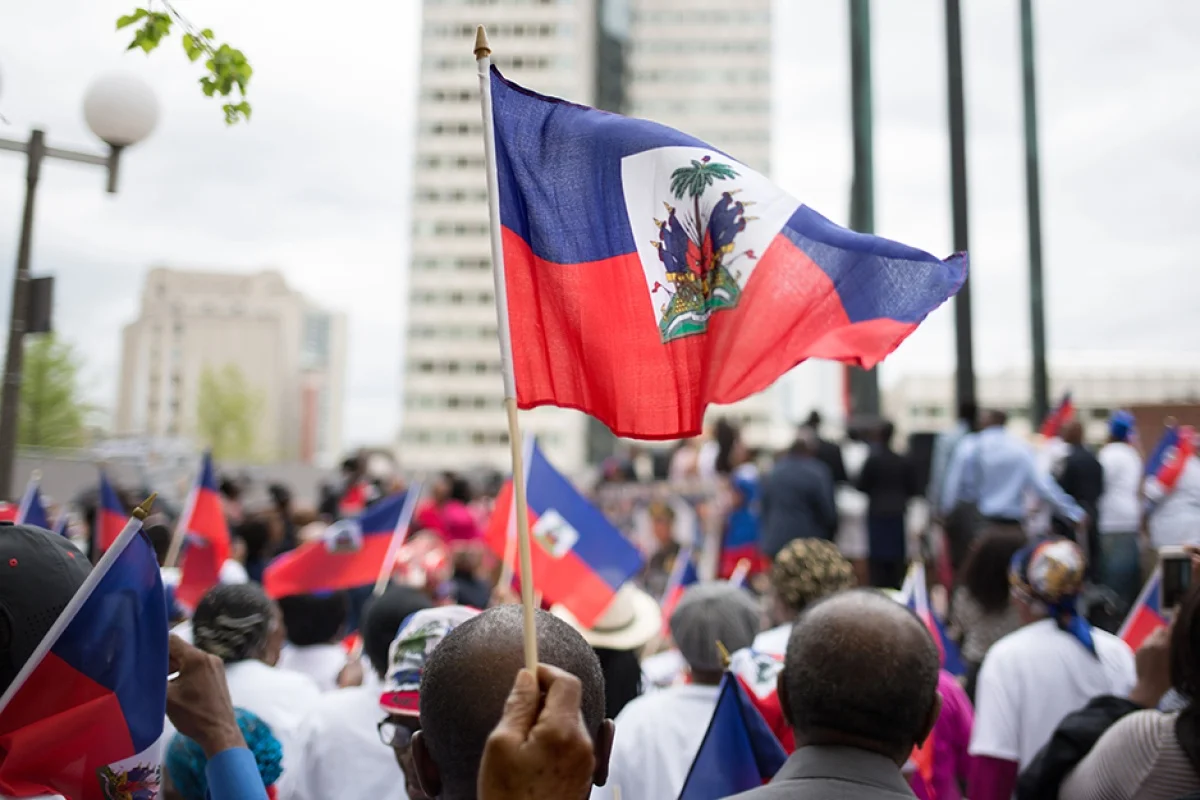
Today, Haïti remains the official name of the world’s first independent black republic.
A legacy of names, a wealth of identity
The different names that Haïti has borne over the centuries bear witness to its turbulent history and resilience.
- Ayiti: A land of mountains and spirituality.
- Hispaniola: A point of contact between the New and Old Worlds.
- Santo Domingo: A rich and tragic colony.
- Haiti: A free and proud nation.
Each name embodies a facet of Haiti’s history, which has preserved its identity despite challenges.
Haiti: An Inspiring History
Haiti’s evolving names reflect a constant quest for independence and dignity. Today, the word “Haiti” represents not only a country, but also a global symbol of resilience and freedom.
What is your connection to the name “Haiti” and the history it carries? Share your thoughts and celebrate with us this land with a unique past and promising future.