What Connects Haïti to Africa? An Indestructible Cultural and Historical BridgeWhat Connects Haïti to Africa? An Indestructible Cultural and Historical Bridge
What Connects Haïti to Africa? An Indestructible Cultural and Historical Bridge
Haïti and Africa share a deep and historical bond, forged over centuries. This bond goes beyond simple colonial history, it is nourished by cultural roots, ethnic affinities, and a common heritage stemming from the struggle for freedom. Throughout history, the African diaspora, and the impact of slavery, Haïti has become a symbol of resilience and black pride, particularly for many African and Afro-descendant communities around the world. But what really connects Haïti to Africa? Let’s dive into this exceptional and meaningful relationship.
One of the most obvious links between Haïti and Africa dates back to the era of the transatlantic slave trade. Between the 17th and 19th centuries, hundreds of thousands of Africans were captured and deported to the Americas, including Haiti, to work on sugarcane and coffee plantations. These slaves, who came from various regions of sub-Saharan Africa, brought with them customs, beliefs, and languages that would forever mark Haitian culture.
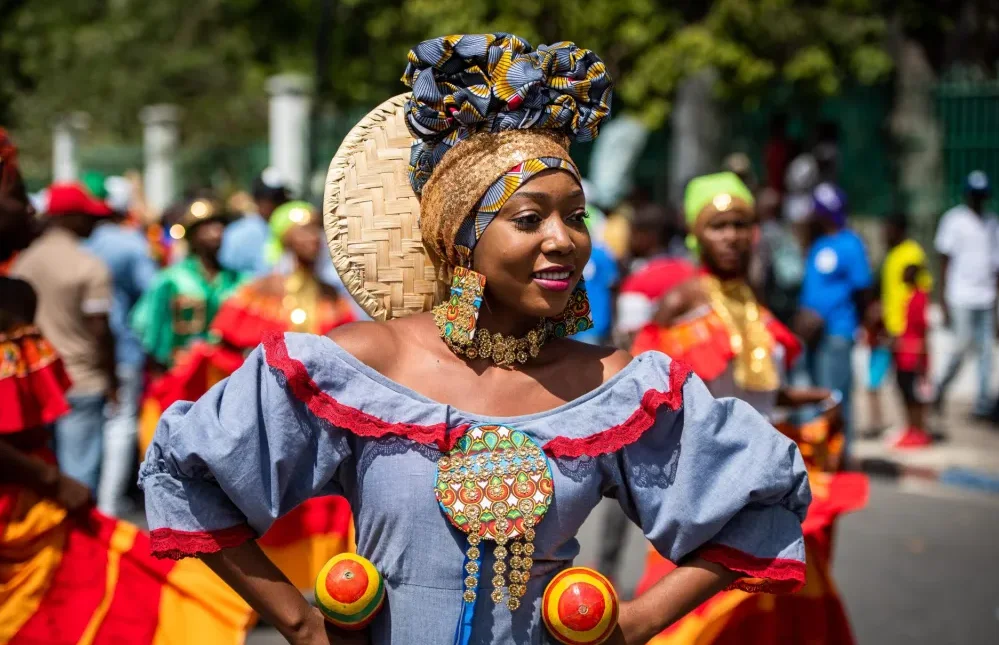
The current Haitian population is largely descended from these African slaves, and African influences are visible in almost every aspect of Haitian culture: in music, dance, religion, cuisine, and even language, with Haitian Creole retaining many words and structures from African languages.
The Struggle for Independence: A Shared Legacy of Freedom
Haïti was the first country in the Americas to abolish slavery and free itself from colonialism, a historic achievement that marked a turning point not only for the country, but also for the African continent. In 1804, after a heroic revolution led by black slaves against French colonial forces, Haïti became the world’s first independent black republic. This feat inspired many decolonization and liberation struggles around the world, including in Africa.
The Haitian independence movement was a model for African countries struggling against slavery and colonialism. Haïti played an important symbolic role in realizing the ideals of freedom and equality, values shared by many African peoples during their own quest for independence.
Vodou: A Spiritual Bridge Between Haïti and Africa
Vodou, a widely practiced religion in Haiti, is one of the most significant aspects of the country’s connection to Africa. Haitian Vodou, which has its roots in traditional African beliefs, including those of the people of Benin, Congo, Togo, and other parts of West Africa, is a spiritual belief system that evolved from African rituals brought by slaves.
The deities of Vodou (known as lwa) have similarities to the spirits and gods of traditional African religions. The rituals, songs, dances, and ceremonies practiced in Haïti as part of Vodou are also very similar to those that take place in various African communities. This spiritual sharing between Haïti and Africa illustrates the enduring connection between the two regions.
Haitian music is another fundamental element that links Haïti to Africa. The instruments used in Haiti, such as drums, maracas, and foot taps, have been directly influenced by traditional African instruments. The rhythms and musical structures of Haiti, particularly in the compas and rara, are also very close to those of African peoples.
These African musical traditions have merged with European and Amerindian influences to create a unique sound, deeply rooted in Haitian history, but also in the collective African memory.
The Return of Roots: Current Relations
Today, Haïti maintains close cultural and diplomatic relations with Africa, particularly with countries such as Benin, Togo, Senegal, and Mali, among others. Solidarity between Haïti and African nations has manifested itself in many forms, including through South-South Cooperation, where Haïti supports development projects in Africa, and where Africa offers its support in matters of culture, politics and education.
Haïti also participates in pan-African forums and events, affirming its role in the community of African nations. This mutual bond continues to strengthen, both culturally, economically, and diplomatically.
Haïti and Africa are linked by deep roots that transcend history and continents. From the legacy of slavery to the struggle for freedom, to shared cultural, religious, and musical traditions, these two regions have forged an unbreakable bond that continues to define their collective identity. Today, Haïti remains a symbol of the aspiration for freedom and black pride, and this connection continues to be nourished by solidarity, cultural reconciliation, and shared resilience.
Share
About the Author
Appolon Guy Alain
Appolon Guy Alain
Full Stack Developer, Créatif, expérimenté, passionné des nouvelles technologies et de l’art.
First black nation to free itself from slavery and gain independence from France in 1804 and influenced other liberation movements around the world, inspiring struggles for freedom and equality.
Natural beauty
Haïti is blessed with spectacular natural landscapes, including white sand beaches, mountains and rich biodiversity.
Heritage
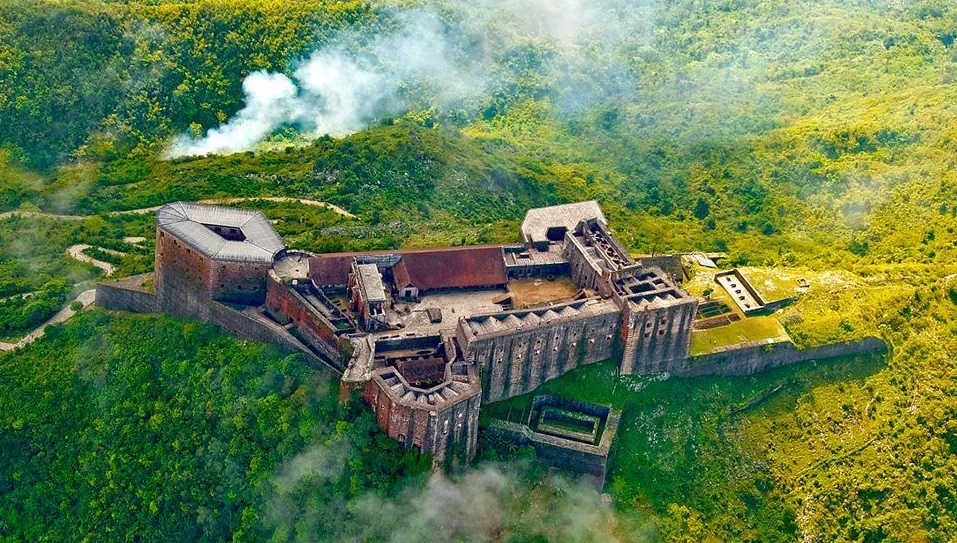
Haïti has a rich historical heritage, including sites like the Citadelle Laferrière and the Sans-Souci Palace, listed as UNESCO World Heritage Sites.
Culture
Haïti has a rich and diverse culture, influenced by African, European and indigenous elements. Haitian music, dance, art and cuisine are celebrated around the world.