contact@haitiwonderland.com+509 36184317

Discover

Shopping Cart

Christmas in Haiti, A Time of Sharing and Generosity

Christmas in Haiti, A Time of Sharing and Generosity

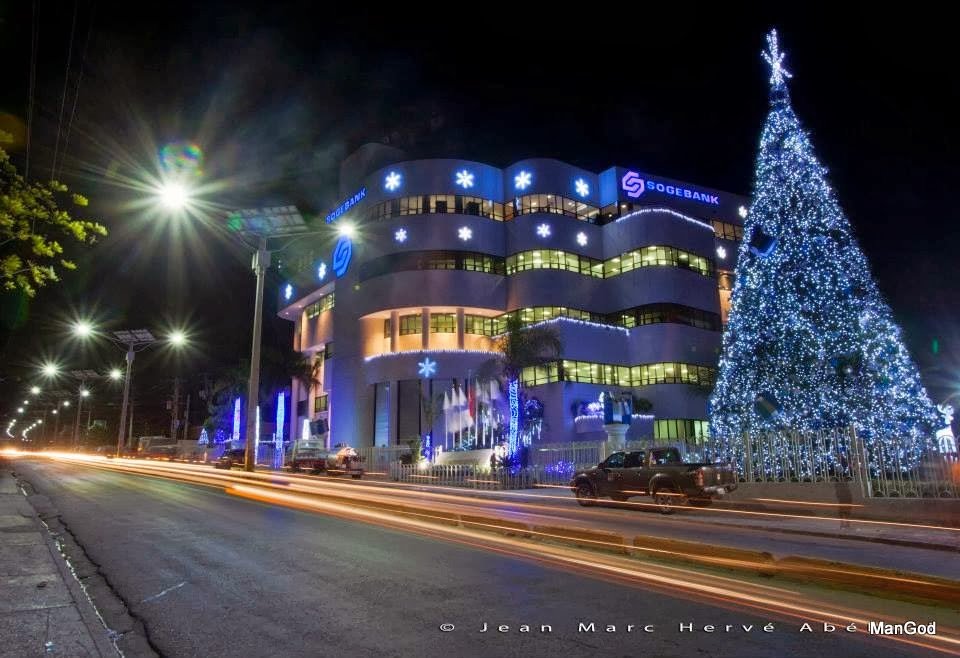
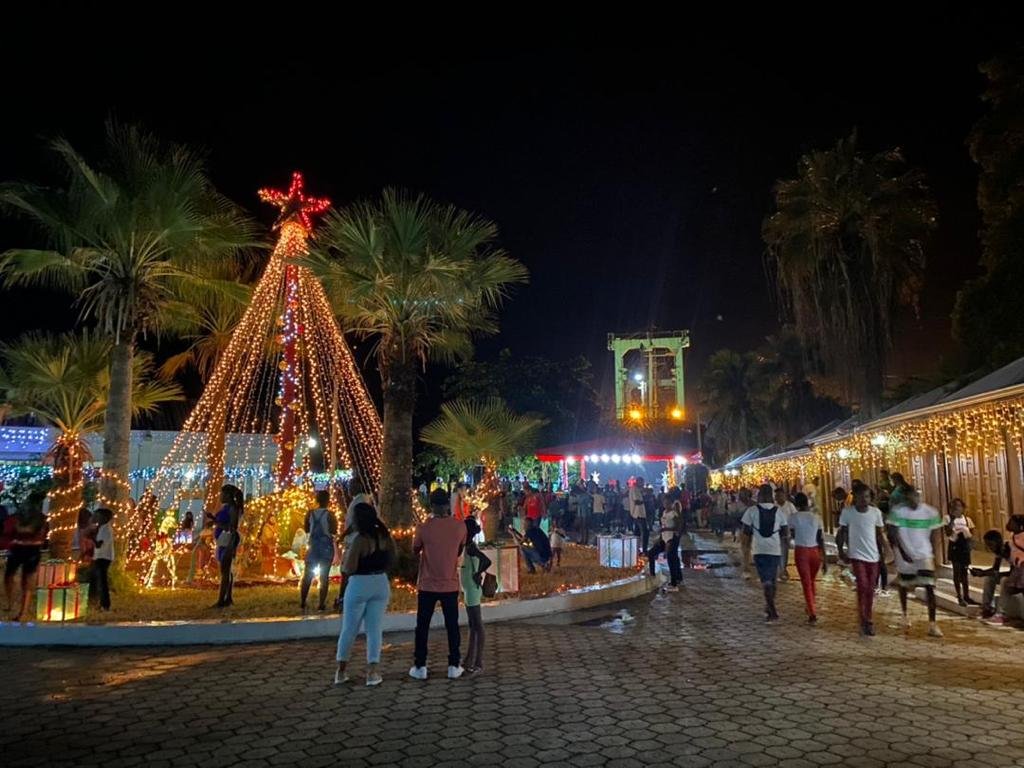
Christmas in Haïti is much more than just a Christian holiday: it is an opportunity to celebrate solidarity, generosity, and unity within families and communities. Haitians embrace this time as a time to gather, share, and reflect on the essential values ​​of humanity. This article explores how Christmas in Haïti embodies these values ​​of sharing and generosity through unique traditions, acts of solidarity, and festive meals.

Haïti
Haïti
Haïti

The Essence of Christmas: A Celebration of Love and Solidarity

In Haiti, Christmas is a time when families come together to celebrate the birth of Christ, but also to express feelings of generosity and solidarity. While the religious celebration takes center stage with Midnight Mass, the true meaning of Christmas lies in the spirit of sharing. This time is an opportunity to remember that Christmas is not only for oneself, but also for others.

Haitians, despite the socio-economic challenges they face, make a point of being generous during the holidays. Thus, Christmas becomes a time of solidarity where everyone, according to their means, participates in the joy of others, in particular by offering meals, clothing or gifts to the most deprived.

See as well

Haïti
Haïti
Haïti

Christmas Meals: A Time of Sharing and Conviviality

Christmas meals in Haïti are a strong symbol of conviviality and generosity. Tables are filled with delicious food, often shared with neighbors, friends and strangers. Traditional dishes such as griot (fried pork), diri ak pwa (rice and beans), ham soup and pain patate (sweet potato cake) are prepared with care and serve as a link between families and communities.

Haitians love to share their table and meals with others, especially those who cannot afford such feasts. It is also a common tradition to distribute meals in neighborhoods, churches, or charities. In this way, Christmas becomes a collective act of generosity.

Community Solidarity: Helping Those Who Need It

Christmas in Haïti is not only a private or family celebration, it is also a time when the community comes together to help the most vulnerable. Many charities, churches, and community groups organize events to provide meals and donations to people living in precarious situations.

For example, community meals are prepared and shared in social centers, hospitals, or children’s homes. Clothes, toys, and food are distributed on the streets, in villages, and even in isolated areas. Christmas thus becomes an opportunity to support the less privileged, an act of love and kindness.

Haitians, especially during this period, demonstrate an ability to show solidarity, mutual aid and compassion towards those who need it most. This tradition of mutual support is at the heart of Haitian culture.

Why do some people ignore the Guede party?

Why do some people ignore the Guede party?

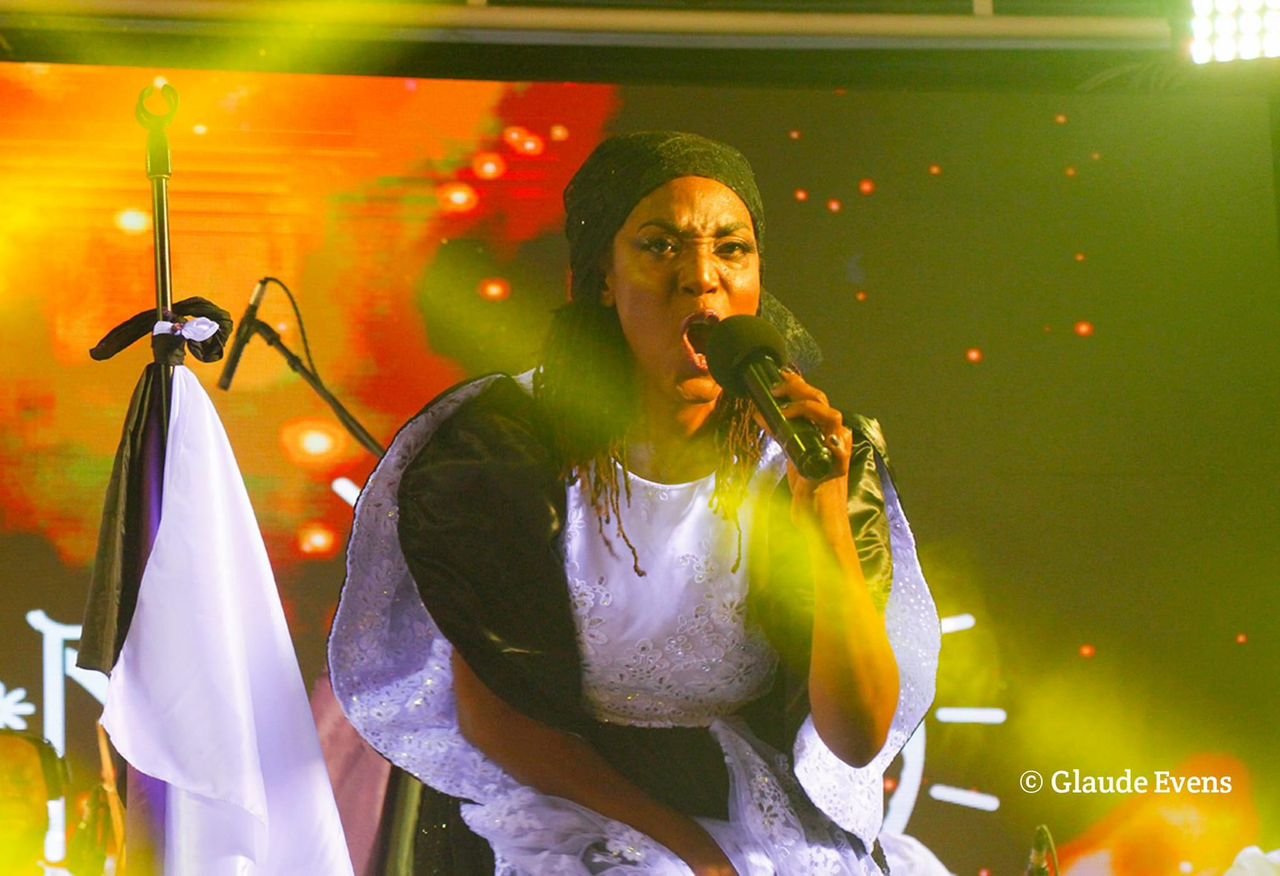
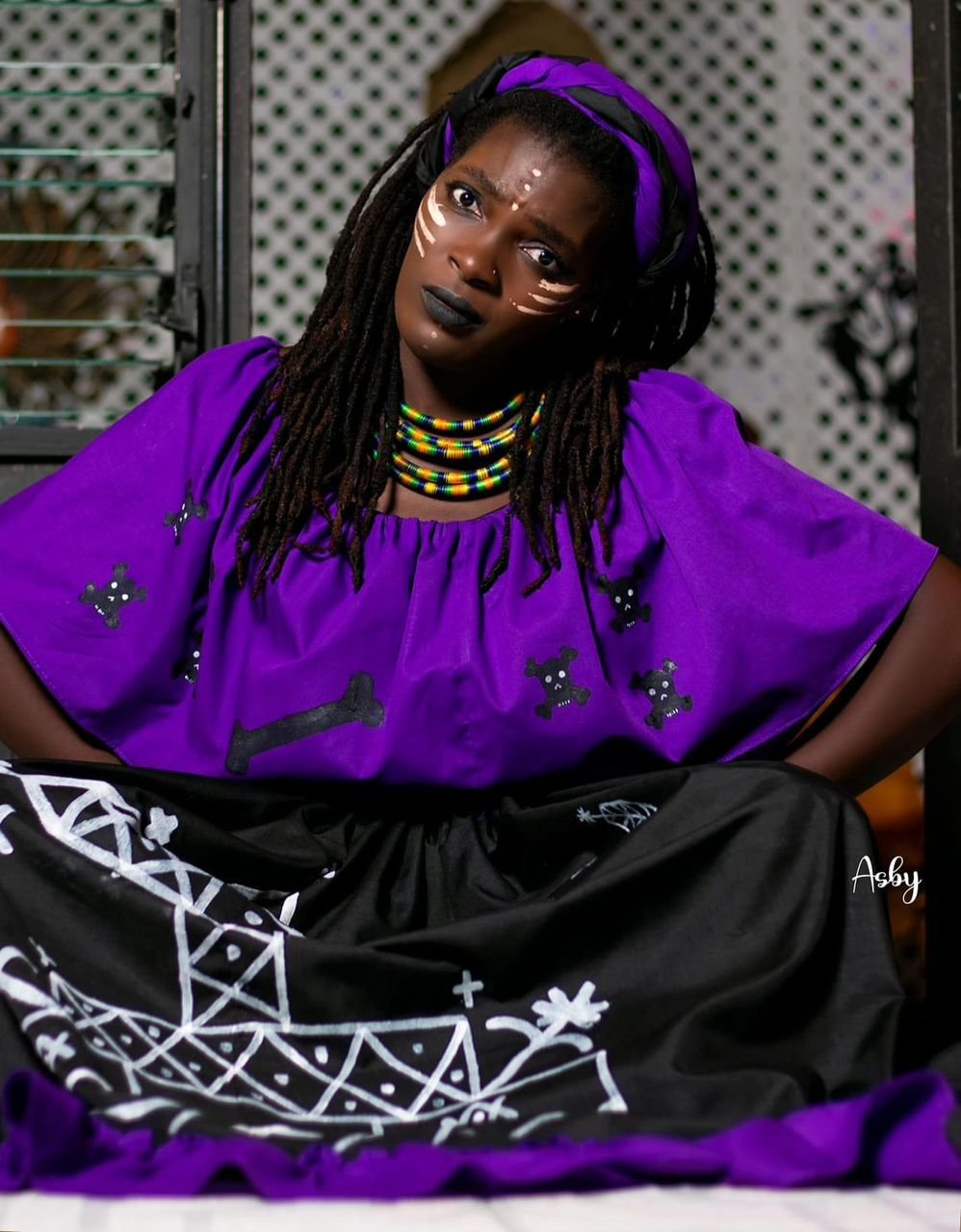
The Guédés Festival is a significant event in the Haitian Vodou religion. It takes place every November 1st and 2nd in Haiti, and it is dedicated to paying homage to the dead. Here are some elements to better understand this celebration: Meaning of Guedes: Guédés are spirits of death in the voodoo pantheon. They symbolize the transition between life and the afterlife. Different names are attributed to these spirits: Papa Guédé, Guédé Nibo, Guédé Masaka, Guédé fouillé, Guédé plumage. In the Voodoo concept, the Guédés maintain a harmonious relationship with the dead. Ritual of the Feast of the Gedes: Vodouists clean the graves and bring flowers to honor the memory of the deceased. They dance and sing to the rhythm of vodou and rara music. Vèvè (sacred symbols) are drawn to invoke the spirits. The color black, symbol of mourning, marks the beginning of life in the voodoo world. Purple mauve evokes transformation, and white symbolizes purity. Relationship with Protestants and Christians: Some Protestants reject the Feast of Geeds and organize days of prayer to chase away “evil spirits”. Christians do not pray for their dead, because their faith teaches them that the deceased are welcomed by the Lord. In short, the Guédés festival is a crucial moment for Vodouists, marking the temporary return of spirits to the world of Vodou. It shows respect for the dead and is an integral part of Haitian culture.

Music and Christmas Carols: A Moment of Collective Sharing

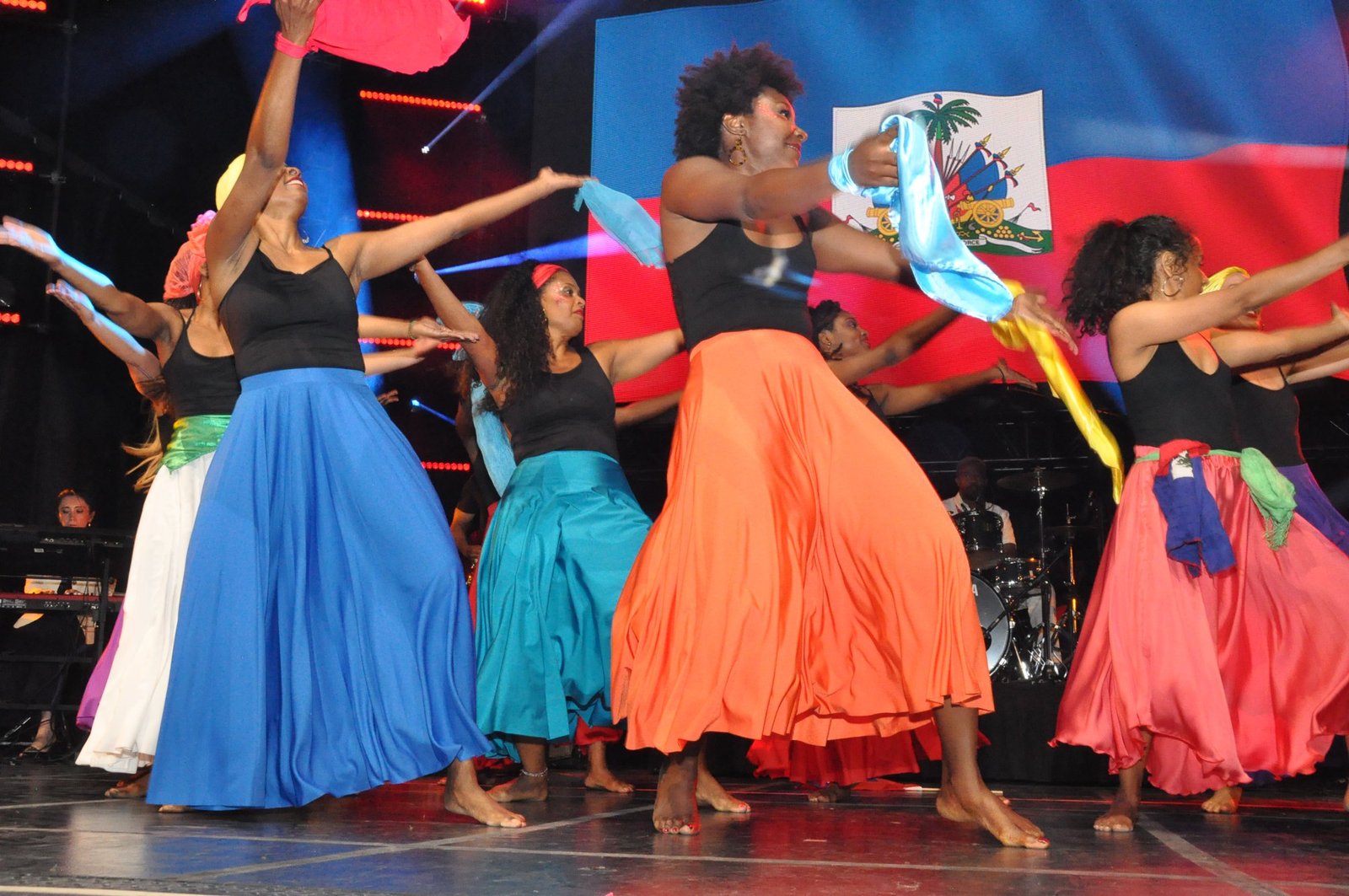
Christmas in Haïti is also a time when music plays a fundamental role. Traditional Christmas carols resonate in churches, homes and streets. Local choirs and music groups perform religious hymns and popular songs that recall the spirit of Christmas, love and sharing. These songs, often accompanied by dancing and music, bring joy and comfort to those who listen to them.

Bonfires, lit in neighborhoods or gardens, also provide a warm setting to gather, discuss and sing. These moments of music and celebration promote conviviality and strengthen community ties. Haitians take advantage of these gatherings to share stories, remember traditions and celebrate life together.

Christmas Gifts: The Symbolic Act of Generosity

Christmas gifts in Haiti, although not as ubiquitous as in the West, remain a strong symbol of generosity. It is above all a time to give what we can to those around us. Parents often offer clothes, toys for children or food products for the elderly. The important thing is not the material value of the gift, but the symbolic act of pleasing and bringing happiness to others.

Gift exchanges are not just for immediate family. Neighbors, friends, and even strangers are invited to participate in this time of sharing. In some rural areas, communities organize to give collective gifts or hold social events where everyone can receive a little something.

Haïti
Haïti
Haïti

Christmas in the Diaspora: Maintaining Traditions and Sharing Culture

Haitian Christmas is also widely celebrated in the diaspora, where Haitians strive to keep the traditions of their homeland alive. In Miami, New York, Montreal, and elsewhere, Haitian communities continue to celebrate Christmas with the same generosity and warmth as in their homeland. Community meals are held, religious services are held, and families gather to share food and gifts.

Haitians in the diaspora also take advantage of Christmas to pass on the values ​​of sharing and generosity to future generations, by introducing them to Haitian culinary traditions, songs, and customs related to this holiday. This helps maintain a strong connection with their culture and share it with their neighbors and friends of other origins.

Haïti
Haïti
Haïti

Christmas in Haiti, A Time of Generosity and Unity

Christmas in Haïti is a time when we celebrate not only the birth of Christ, but also the spirit of solidarity, generosity, and sharing. It is a time when Haitians come together with family, friends, and their community to experience moments of joy, sharing, and mutual support. Whether through festive meals, charitable actions, music, or gift exchanges, Christmas in Haïti embodies the fundamental human values ​​of generosity and unity. Beyond the country’s borders, this tradition is kept alive in the diaspora, allowing Christmas to continue to bring Haitians together around the same ideal of sharing and brotherhood.

Share
About the Author
Appolon Guy Alain
Appolon Guy Alain
Appolon Guy Alain

Full Stack Developer, Créatif, expérimenté, passionné des nouvelles technologies et de l’art.

See other articles from Appolon Guy Alain
Leave a comment

Recently Posted

The Monferrier Dorval Chair of Constitutional Law, a gesture from the State University of Haiti, for the preservation of the memory of Professor Dorval

The Monferrier Dorval Chair of Constitutional Law is a high-intellectual-intensity initiative, taken by the State University of Haïti (UEH), through the leadership of its rectorate, in agreement with the leaders of the Faculty of Law and Economics (FDSE). The initiative’s primary goal is to honor and perpetuate the memory of the valiant and brilliant Professor Monferrier Dorval, assassinated in unclear circumstances, about three years ago. And in order to make a scientific contribution to the great debate that has been going on in Haitian society for about ten years about the need to change or not, the constitution of March 29, 1987, amended on May 11, 2011. Shouldn’t we try to apply it preferably? If it needs to be changed, should this change be radical, otherwise what should it have in terms of change within a new mother law for a better institutional organization of Haiti. The chair is scientifically chaired by Professor Henri Marge. Dorléans, (current head of AFPEC), and is vice-chaired by the dean of the faculty of law and economics, Me Eugène Pierre Louis. The Chair is materialized by a set of conferences and debates (15 in total), which take place in the premises of the Office of the Protection of the Citizen OPC, under the name of Wednesday of the Monferrier Dorval Chair. It is in this sense that for the fifth edition of the Wednesday of the chair (which took place this Wednesday, October 9, 2024 at the OPC, in the presence of the protector of the citizen, Me Renan Hédouville), attention was placed on education within the debate surrounding the possible development of a new constitution for Haiti. This 5th meeting took place under the theme of: "Education, Teaching, Research, Science and Technologies". The conference was hosted by three greats of the Haitian intellectual community, including two eminent professors of the UEH, namely, Professor Odonel Pierre Louis, academic director of the École normale supérieure (ENS); the vice rector of the UEH, Professor Jacques Blaise. Their interventions were followed by that of the director of the national institute of vocational training (INFP) Mr. Dikel Delvariste.

Newsletter

Subscribe to our newsletter to stay informed of all our activities and news on Haiti.

Cultural exploration: Discovering the Haitian soul

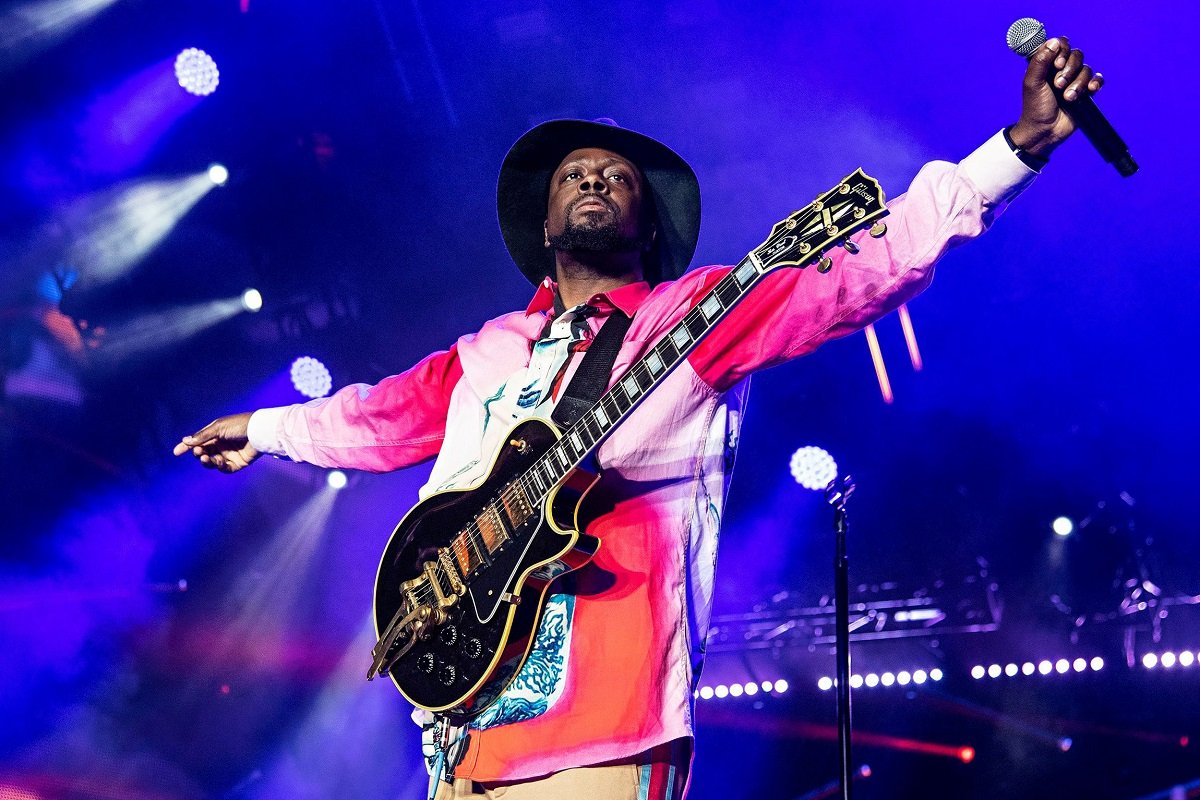
Cultural exploration offers a fascinating window into the richness and diversity of world heritage. Among destinations that captivate with their history, art and unique identity, Haïti stands out as a cultural gem worth discovering. b~Historical heritage:~b The history of Haïti is marked by the resilience of the Haitian people in the face of slavery, colonization and political challenges. It is the first independent state in Latin America and the only one founded by a successful slave revolt. Haiti’s historical heritage is reflected in its art, music, dance and beliefs. b~Art and Crafts:~b Haitian artistic expression is vibrant and powerful. Naive painting, famous for its bright colors and narrative themes, has its roots in Vodou traditions and local folklore. Haitian artists have gained international fame by capturing the mystical spirit and daily life of the country. b~Music, rhythm of the Haitian soul:~b Music is the pulsating soul of Haiti. From direct compass to voodoo to jazz to rasin, each musical genre has a deeply rooted history in Haitian culture. The iconic band, Boukman Eksperyans, fuses traditional rhythms with modern influences, creating a unique sonic experience that transcends boundaries. b~Dance and movements:~b Dance in Haïti is a celebration of life and spirituality. Voodoo dances, such as Yanvalou and Banda, embody sacred rituals while preserving African heritage. The graceful movements and colorful costumes tell stories from Haitian history, creating a deep connection between past and present. b~Spirituality and Voodoo:~b Vodou, often misunderstood, is an essential component of Haitian culture. It is a syncretic religion that combines African, Native American and Catholic elements. Vodou ceremonies, with their intoxicating dances and mystical rituals, are powerful expressions of Haitian spirituality and are rooted in the quest for connection with ancestors and deities. Exploring the Haitian soul means delving into a world where history, art, music and spirituality intertwine to form a unique cultural web. Haiti, with its diversity and resilience, offers an experience rich in emotions and discoveries. Whether through the bustling streets of Port-au-Prince, the vibrant art galleries or the captivating rhythms, every corner of this Caribbean country reveals a captivating facet of its deep and living soul.

Guédés: When Haïti celebrates its ancestors with color and fervor

Every November 1st and 2nd, Haïti comes alive with the colors black and purple to celebrate the Guédés, spirits venerated in the voodoo religion, symbols of a powerful bond between the living and the dead. Fascinating, indomitable and provocative, the Guédés form a true family in the pantheon of Haitian voodoo, where they are respected for their role as spiritual guides of the deceased to the afterlife. Led by iconic figures such as the legendary Baron Samedi and his companion Grann Brigitte, the Guédés embody the paradoxes of life and death. Each Baron has a unique personality: Baron Cimetière, Baron Kriminel, and Baron La Croix are the guardians of the souls that wander on the borders of the world of the dead. Together, they form a powerful and somewhat frightening presence, but one that is deeply rooted in Haitian culture. The Guédés are not like other voodoo spirits; they demonstrate their fearlessness in a spectacular way. Accustomed to death, they are fearless and are provocative: they eat glass, raw peppers, and coat their sensitive parts with rum and pepper. These gestures mark their indifference to danger and remind us that they have already known earthly life. They are thus psychopomps – these beings who lead the souls of the dead – and act as bridges between the world of the living and that of the dead. Some Guédés, like Guédé Nibo, wear black, purple, and white clothing, each with unique characteristics. They are many and varied: Guédé Fouillé, Guédé Loraj, Papa Guédé, and many others. These are the spirits who, each year, remind Haitians of the importance of remembering and honoring the deceased. The cult of the Guédés is not only religious; it is also cultural and historical. According to tradition, their spiritual territory, or “Fètomè” – nicknamed the “Country without Hats” – is a place where the souls of ancestors reside. According to stories, the origins of this cult go back to the Abomey plateau, the ancient capital of the kingdom of Dahomey, in Africa, where death and life coexist in a form of symbiosis. This celebration in Haïti even finds echoes in ancient history. The Romans also honored their dead with the “Fête des Lémuria”, which took place in February, to ward off spirits and restore peace between the world of the living and that of the deceased. For Haitians, honoring the Guédés is about accepting death as a part of life and celebrating the invisible bonds that unite us with those who have left us. It is also a way of resisting, because life, despite its challenges, must be celebrated in all its complexity and depth.

Recently Posted

History

History

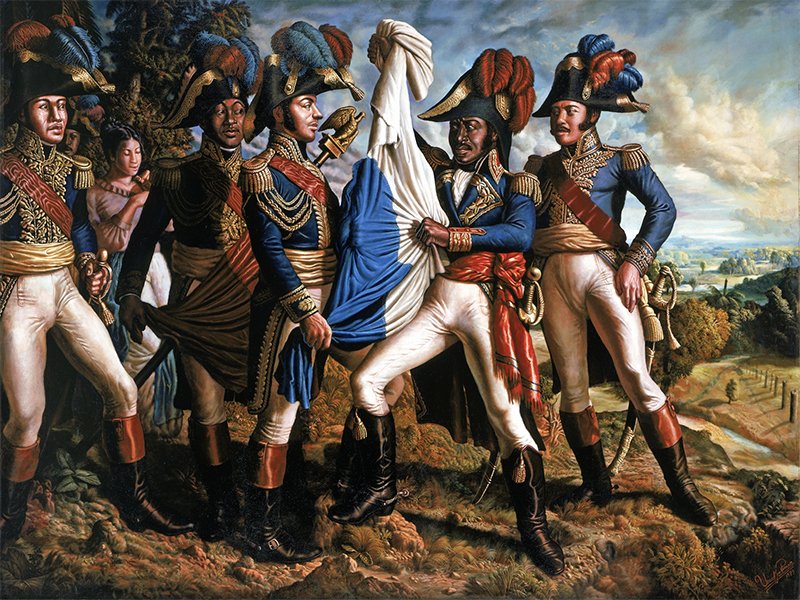
First black nation to free itself from slavery and gain independence from France in 1804 and influenced other liberation movements around the world, inspiring struggles for freedom and equality.

Natural beauty

Natural beauty

Haïti is blessed with spectacular natural landscapes, including white sand beaches, mountains and rich biodiversity.

Heritage

Heritage

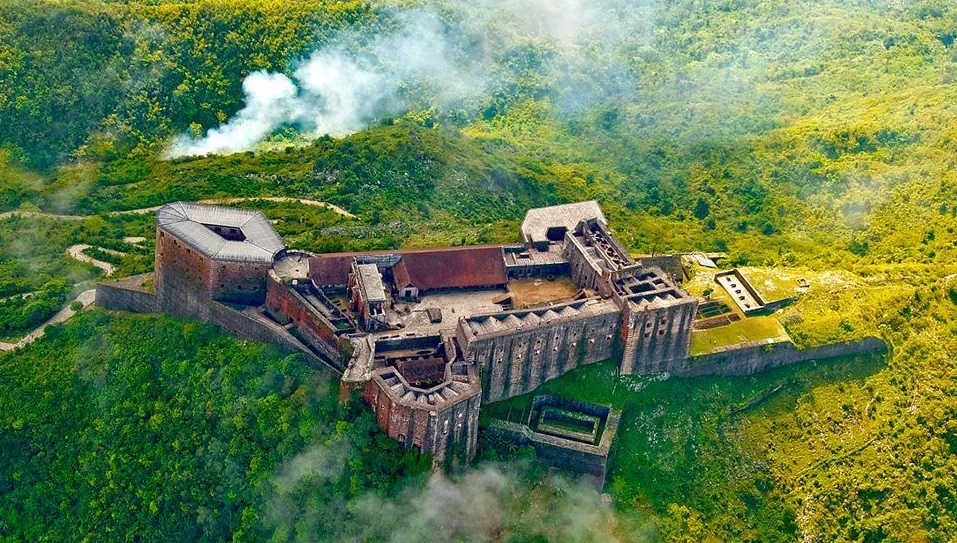
Haïti has a rich historical heritage, including sites like the Citadelle Laferrière and the Sans-Souci Palace, listed as UNESCO World Heritage Sites.

Culture

Culture

Haïti has a rich and diverse culture, influenced by African, European and indigenous elements. Haitian music, dance, art and cuisine are celebrated around the world.

  • +
    • Post