contact@haitiwonderland.com+509 36184317

Discover

Shopping Cart

These traditional Haitian festivals you must experience at least once

These traditional Haitian festivals you must experience at least once

Haiti, an island of culture and history, is much more than a beach destination. It vibrates to the rhythm of its traditions, its music, its dances, and especially its traditional festivals. If you’re looking for an authentic experience, these events are the perfect opportunity to immerse yourself in the soul of a proud, warm, and creative people. Here is a selection of the must-see traditional Haitian festivals that every traveler should experience at least once.

1. The National Carnival An explosion of colors and rhythms

February or March (before Lent)

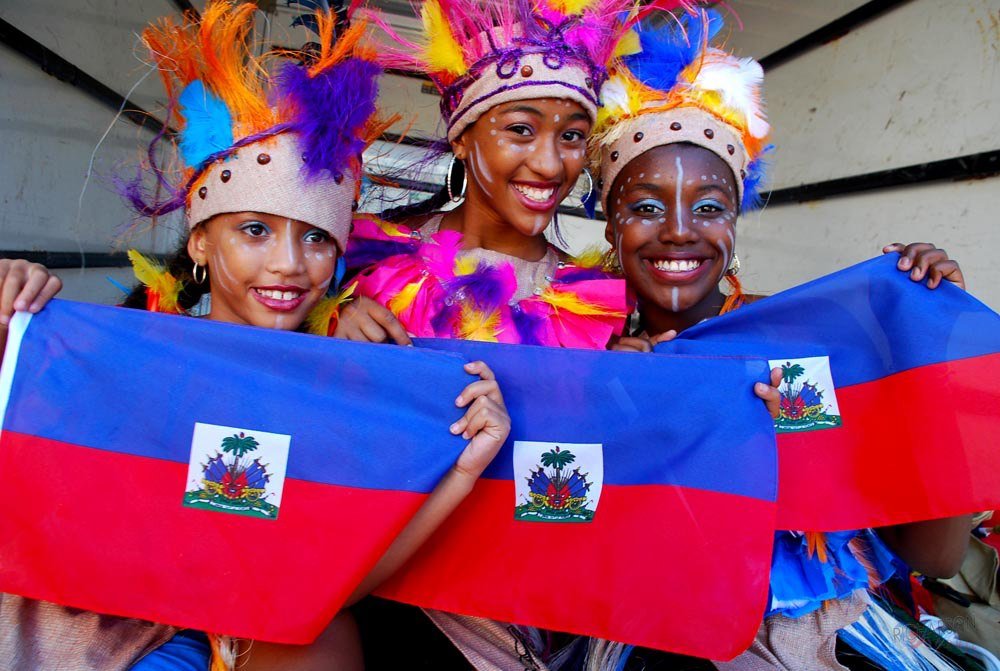
Carnival is undoubtedly the most popular festival in Haiti. It attracts thousands of people, both local and foreign, every year. This is a time when the streets of major citiesespecially Port-au-Prince, Jacmel, and Cap-Haïtienare transformed into lively stages: floats, musical groups (the famous "bann a pye"), costumed dancers, and an electrifying atmosphere.

Why you should attend:

- A total immersion in Haitian culture.
- Unique artistic performances.
- A festive atmosphere unparalleled in the Caribbean.

2. Jacmel Carnival Art in the Service of Tradition

Two weeks before Mardi Gras

Less commercial than the capital’s, the Jacmel Carnival is a cultural gem. Known for its papier-mâché masks, the city offers an artistic and symbolic carnival. Fantastical creatures, satirical scenes, and traditional costumes recount the history and myths of Haiti.

Why you should attend:

- A more intimate and cultural experience.
- Living works of art in the streets.
- An excellent excuse to visit Jacmel, a city of artists.

3. The Feast of Saint James and Saint Philip in Plaine-du-Nord

July 24-25

This is one of Haiti’s most important festivals. Every year, thousands of pilgrims travel to Plaine-du-Nord, in the north of the country, to celebrate Saint James, syncretized with the Lwa Ogou (the Voodoo deity of war and fire). Between Catholic mass, Voodoo rituals, and colorful processions, this festival perfectly illustrates Haiti’s spiritual richness.

Why you should attend:

- An impressive fusion of Catholicism and Voodoo.
- A mystical and solemn atmosphere.
- A tradition unique in the world.

4. The Gédé Festival Ancestor Worship

November 1st and 2nd (All Saints’ Day and All Souls’ Day)

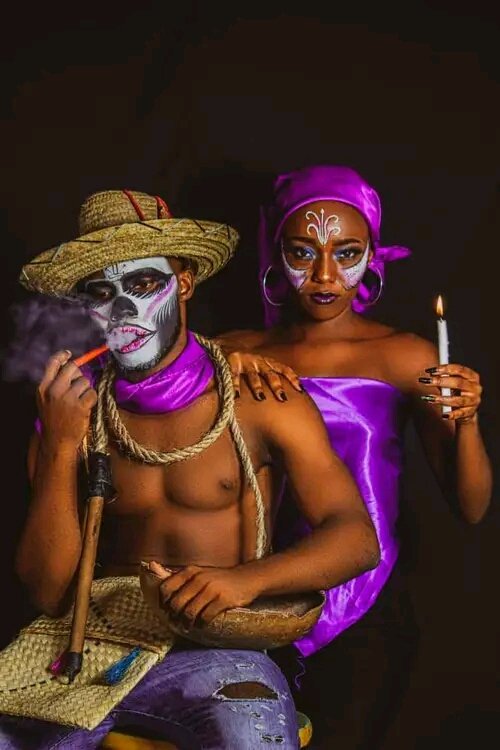
During the Gédé Festival, Haïti pays tribute to its dead. But here, the commemoration is festive, noisy, and colorful. In cemeteries, Haitians dance, sing, and pray for the spirits of the deceased. Voodoo is very present, with rituals and offerings to the Gédé spirits, symbols of death and resurrection.

Why you should attend:

- A different way to experience the relationship with death.
- A deeply spiritual and cultural event.
- An atmosphere where life celebrates the dead.

5. The Feast of Our Lady of Perpetual Help in Coteaux

June 27th

In Coteaux, in southern Haiti, this Marian festival attracts many pilgrims. It blends Catholic faith and popular spirituality, with masses, processions, and religious songs. The location, perched between the sea and the mountains, offers a spectacular view, reinforcing the sacred dimension of the event.

Why attend:

- A pilgrimage filled with fervor.
- A magnificent region to discover.
- A religious tradition respected for generations.

Why experience these festivals in Haiti?

Participating in these celebrations is much more than just attending a party. It’s experiencing Haïti from the inside, understanding its identity, its resilience, its faith, its joie de vivre. Traditional Haitian festivals are unique moments where art, spirituality, and community come together as one.

Share
About the Author
Appolon Guy Alain
Appolon Guy Alain
Appolon Guy Alain

Full Stack Developer, Créatif, expérimenté, passionné des nouvelles technologies et de l’art.

See other articles from Appolon Guy Alain
Leave a comment

Recently Posted

Haiti: A look back at the First Rara Weekend in Petit-Goave

Haitian culture is a true treasure, woven from the creativity of its artists, its rich heritage and the diversity of its cultural expressions. Among these cultural gems, the rara stands as a true national emblem, uniting Haitians through its captivating rhythms and centuries-old traditions. During the first Rara weekend, this very essence of Haitian culture shone brightly, revealing palpable social cohesion. Despite the absence of law enforcement, tranquility reigned in Petit-Goâve, testifying to the ability of citizens to come together in peace and conviviality. However, media attention was mainly focused on the first plain, leaving a certain imbalance in the coverage of the festivities. Ratyèfè, three-time reigning champion, once again captivated minds with his talent and artistic mastery, offering an unparalleled spectacle. But his rival, Lambi gran dlo, was not to be outdone, displaying a determination to compete for first place. The event was also marked by unfortunate incidents, reminding us that despite the beauty of tradition, tensions can arise. Clashes between fans of different groups tarnished the festive atmosphere, highlighting the need for careful management of celebrations to avoid such excesses. At the heart of this musical competition, where each group aspires to recognition and victory, a complex picture of rivalries and alliances emerges. Chenn tamarin, although appearing asleep in the first moments, shows signs of waking up, ready to shake up the established order. On Sunday evening, Lambi gran dlo honored the memory of one of its loyal supporters, while Grap Kenèp was the scene of violence between fans, recalling the fragility of social cohesion when passion runs wild. In this whirlwind of emotion and competition, it is crucial to keep in mind that it is the journalist who must look to the events, and not the other way around. This is how we draw up the first ranking for this first weekend: 1. Ratyèfè 2. Lambi grand dlo 3. Chenn tamarind Beyond the results, it is the preservation of unity and mutual respect that must remain at the heart of these celebrations, making the rara not only a musical festival, but above all a symbol of the wealth and resilience of the people Haitian.


Newsletter

Subscribe to our newsletter to stay informed of all our activities and news on Haiti.

Discover the Hidden Gem of Caracol: A Peaceful Haven in Haiti

Nestled in the enchanting embrace of Haiti’s North East department lies a true marvel – Caracol. This picturesque area is more than just a destination; it’s a sanctuary where tranquility dances in harmony with the gentle whispers of nature. From the chirping of content birds to the warm smiles of its inhabitants, Caracol is a true wonderland waiting to be explored. One of the most captivating aspects of Caracol is its serene ambiance. Here, peace isn’t just a concept; it’s a way of life. Even the birds seem to sing with an extra ounce of joy, as if they’ve found their own slice of paradise amidst the lush greenery. Stepping into Caracol feels like entering a world where time slows down, allowing you to embrace the simple pleasures of life. But what truly sets Caracol apart is its people – kind-hearted souls who find solace in the simplicity of their daily lives. Engaged in activities like fishing and gardening, they embody a deep connection to the land that sustains them. And amidst it all, the industrious spirit of Caracol shines through, with the industrial parc serving as a beacon of progress and opportunity for the community. Yet, amidst the tranquil rhythm of everyday life, Caracol pulsates with the vibrant energy of Haitian culture. Voodoo, an integral part of local life, weaves its mystical threads into the fabric of daily rituals and traditions. And come July, the entire community comes alive with patronal celebrations that draw Haitian diaspora from every corner of the globe. It’s a time of joyous reunions, where cultural immersion meets spirited competitions, from exhilarating running races to thrilling boat races on the sparkling waters. As the sun sets on another day in Caracol, the excitement doesn’t end – it transforms. Carnival season, known as "mardi gras," casts its spell over the land, igniting the imaginations of children who eagerly don disguises and wield whips to make merry mischief. Laughter fills the air as they chase each other, their gleeful shrieks echoing through the streets, creating memories that will last a lifetime. In Caracol, every moment is a celebration, every day a testament to the resilience and warmth of its people. So, whether you’re seeking a tranquil retreat or a cultural adventure, Caracol invites you to discover its hidden wonders and experience the magic for yourself. After all, in this captivating corner of Haiti, every day is a journey into the heart of paradise.

Belle-Anse, a village between tradition, nature and tourist potential

Nestled in the southeast of Haiti, Belle-Anse is a destination that fascinates with its natural beauty and rich history. This small town, still often ignored by major tourist routes, is full of treasures that deserve to be discovered. Its wild beaches, its imposing mountains and its unique historical heritage make Belle-Anse a hidden pearl, ready to seduce travelers in search of authenticity and tranquility. Belle-Anse, founded in the 18th century, still bears the traces of its past. Its history, marked by changes of names and identity, bears witness to the political and social upheavals that have given the region. From the colonial era to the birth of the Republic, each corner of the city tells a part of the history of Haiti. This rich past is combined with a vibrant cultural life, where local festivals, such as the celebration of the Patron Saint every December 10, offer an authentic glimpse into the lives of the inhabitants. The historical remains scattered throughout the city are not only a reminder of the era of colonization, but also of the struggles for independence. These witnesses of the past, combined with a calm and preserved atmosphere, make Belle-Anse a place where history and nature intertwine harmoniously. What distinguishes Belle-Anse is undoubtedly its spectacular natural environment. Ultimately, these beaches before the deserts invite you to relax. Lagan Beach, lined with palm trees and crystal clear waters, offers an idyllic setting for lovers of wild nature, far from the crowds of more frequent tourist destinations. The nearby Bay of Jacmel is a true natural bliss, promising moments of calm and escape. The city is also surrounded by majestic mountains, ideal for those who wish to explore the Haitian landscapes on foot, while discovering a unique biodiversity. While Belle-Anse’s natural resources are rich, they are also fragile, and preserving these areas remains an important issue for the future of the region.

Recently Posted

History

History

First black nation to free itself from slavery and gain independence from France in 1804 and influenced other liberation movements around the world, inspiring struggles for freedom and equality.

Natural beauty

Natural beauty

Haïti is blessed with spectacular natural landscapes, including white sand beaches, mountains and rich biodiversity.

Heritage

Heritage

Haïti has a rich historical heritage, including sites like the Citadelle Laferrière and the Sans-Souci Palace, listed as UNESCO World Heritage Sites.

Culture

Culture

Haïti has a rich and diverse culture, influenced by African, European and indigenous elements. Haitian music, dance, art and cuisine are celebrated around the world.

  • +
    • Post