December 24 and 31: Two Important Dates for Children During Christmas in HaitiDecember 24 and 31: Two Important Dates for Children During Christmas in Haiti
December 24 and 31: Two Important Dates for Children During Christmas in Haiti
In Haiti, Christmas is a magical time for children, where traditions and festivities blend to create unforgettable memories. Two dates, in particular, mark this season: December 24, Christmas Eve, and December 31, which heralds the New Year. These moments are rich in activities and emotions, putting the youngest at the heart of the celebrations. This article explores why these two days are so special for children in Haiti.
December 24 is a day of excitement for Haitian children. From the morning, the atmosphere is filled with excitement. Families prepare for Christmas Eve, and youngsters actively participate in the preparations, whether by helping to decorate the house or getting involved in the kitchen.
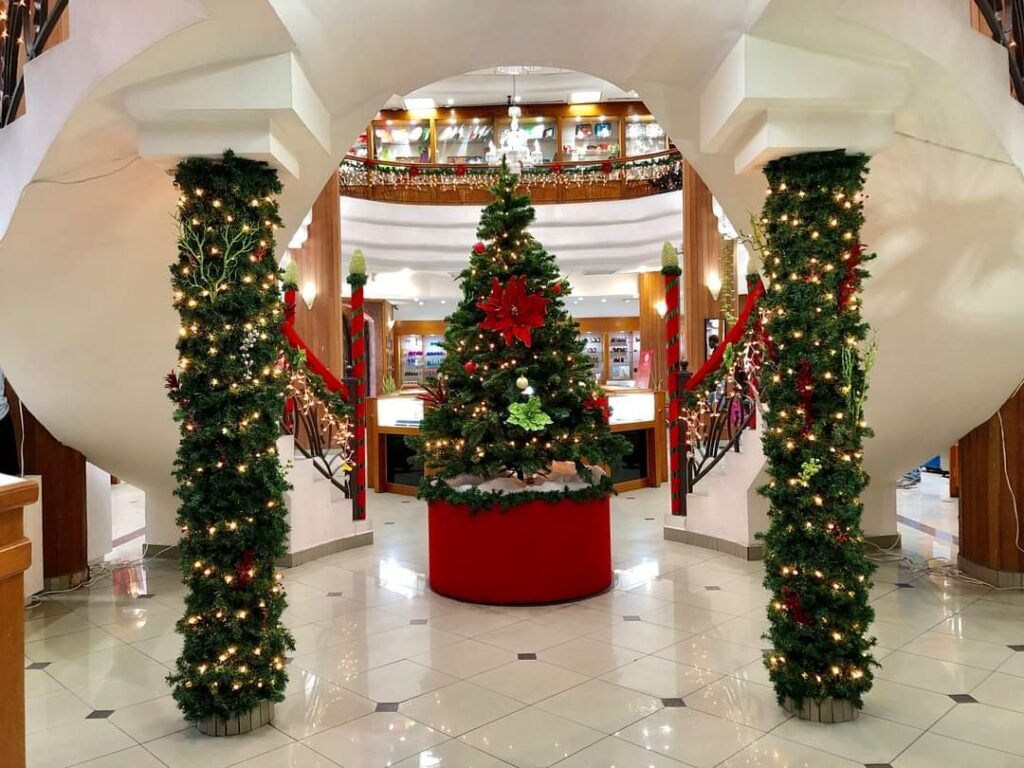
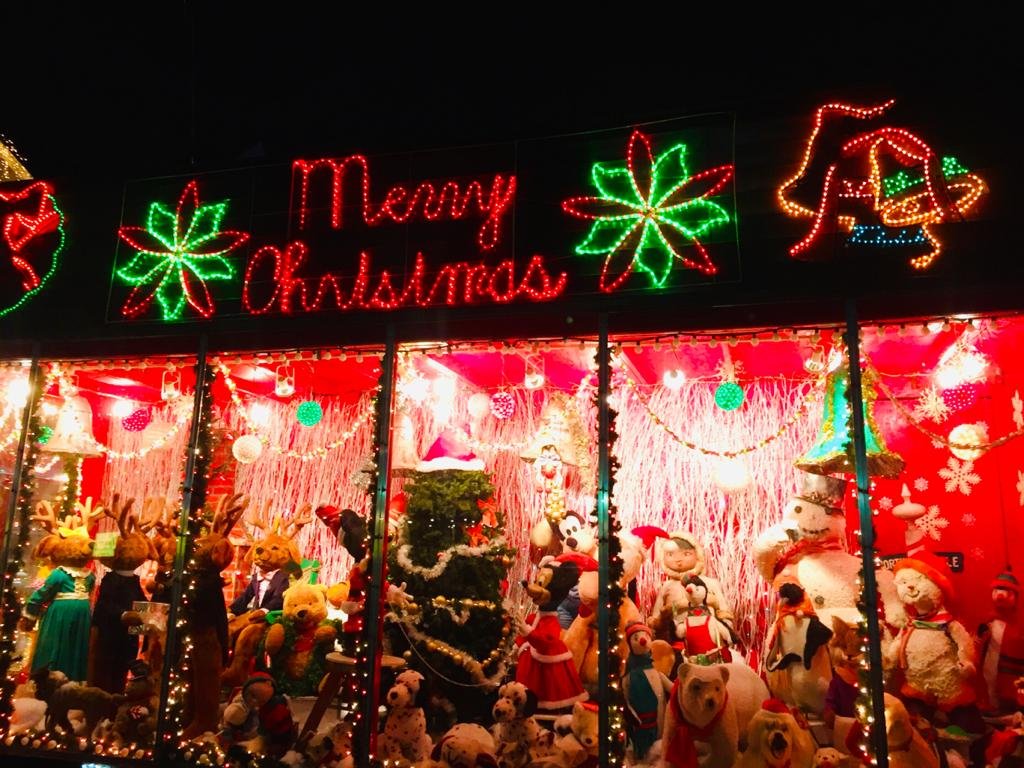
A popular tradition is to decorate a Christmas tree. Although artificial trees are common, some families improvise with local branches, decorated with garlands, lights, and small homemade objects. Children love to contribute to this activity, which symbolizes the beginning of the festivities.
The evening is marked by family gatherings. Children, dressed in their finest clothes, often attend midnight mass with their parents. This religious ceremony, filled with Christmas carols in Creole and biblical stories, is a solemn moment when families come together to celebrate the birth of Jesus Christ.
After mass, families return home to share a festive meal. Although children are often tired, they stay awake to taste traditional dishes and hope to receive their gifts. These, although modest, are often toys, clothes or sweets, bringing immense joy to the youngest.
December 31, the last night of the year, is another key date for Haitian children. Unlike December 24, this day is focused on hope and the celebration of what is to come.
Preparations for New Year’s Eve begin early in the day. Children often help clean the house, as it is important to start the new year in a clean and orderly environment. This task, although sometimes seen as a chore, is also an opportunity for families to work together and transmit values of order and discipline.
In the evening, the festivities begin with a large family dinner. Children particularly enjoy this evening, as it is synonymous with laughter, songs and sometimes games. At midnight, families gather to exchange greetings and wish each other a happy new year. Children participate in this moment of collective joy, often with fireworks or firecrackers, which light up the sky and add a festive touch.
In some regions, it is also common for children to receive New Year’s gifts from their loved ones, in the form of small sums of money or symbolic gifts. These gestures reinforce the spirit of generosity and sharing specific to this period.
A Period Rich in Learning and Values
December 24 and 31 are not only festive dates for Haitian children; they are also moments of learning. Through traditions, prayers and family reunions, children discover the values of sharing, gratitude and solidarity.
These days also allow them to better understand the importance of family and religious rituals, while creating precious memories that will accompany them throughout their lives. Whether decorating a tree, attending mass, or watching the fireworks, each moment is filled with magic and meaning.
In Haiti, Christmas and New Year are times when children experience moments of pure happiness. Between the magic of December 24 and the excitement of December 31, they discover the spirit of the holidays through traditions that strengthen family ties and give them an optimistic vision of the future.
These two important dates remind us that Christmas in Haïti is much more than just a holiday: it is a celebration of love, faith, and hope, experienced through the eyes of children who are filled with wonder.
Share
About the Author
Appolon Guy Alain
Appolon Guy Alain
Full Stack Developer, Créatif, expérimenté, passionné des nouvelles technologies et de l’art.
First black nation to free itself from slavery and gain independence from France in 1804 and influenced other liberation movements around the world, inspiring struggles for freedom and equality.
Natural beauty
Haïti is blessed with spectacular natural landscapes, including white sand beaches, mountains and rich biodiversity.
Heritage
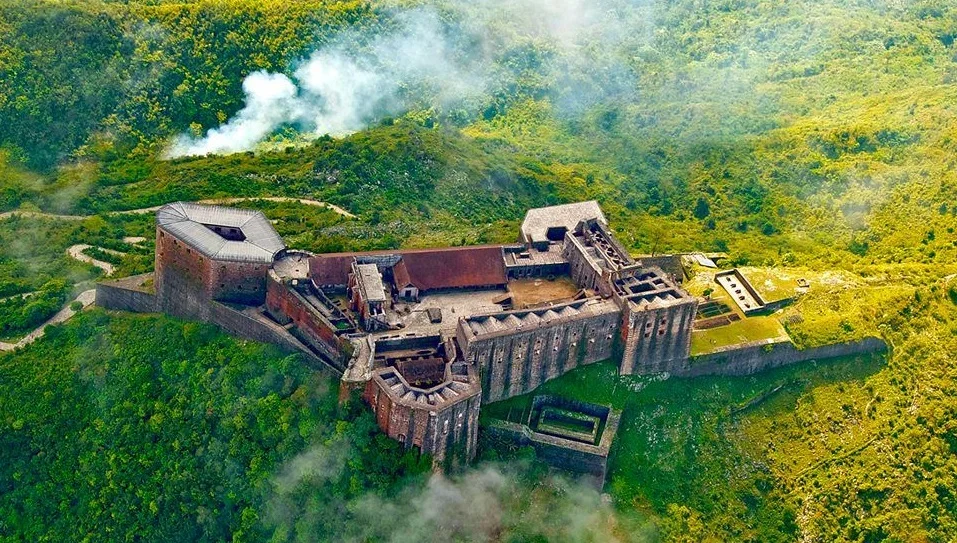
Haïti has a rich historical heritage, including sites like the Citadelle Laferrière and the Sans-Souci Palace, listed as UNESCO World Heritage Sites.
Culture
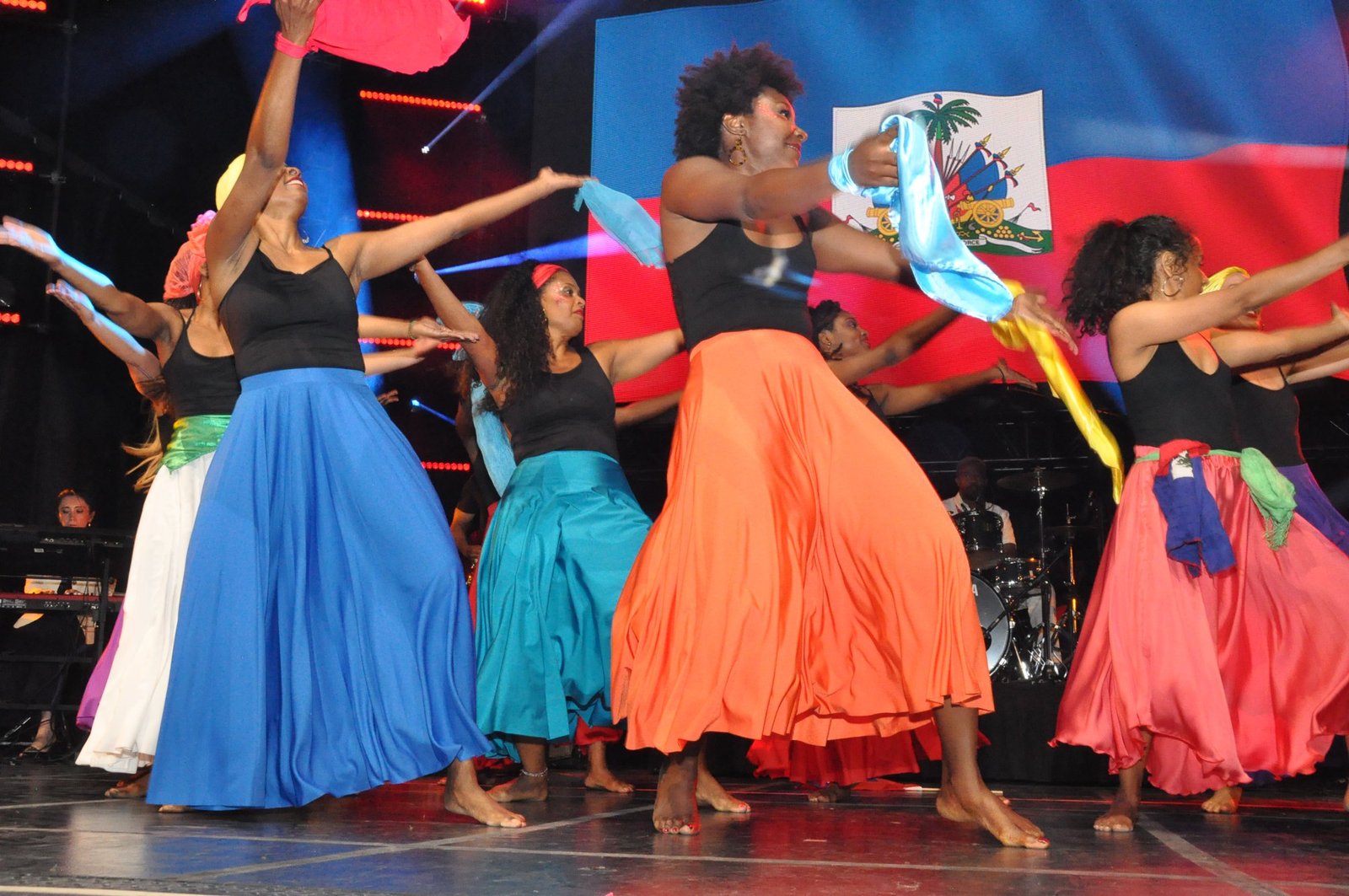
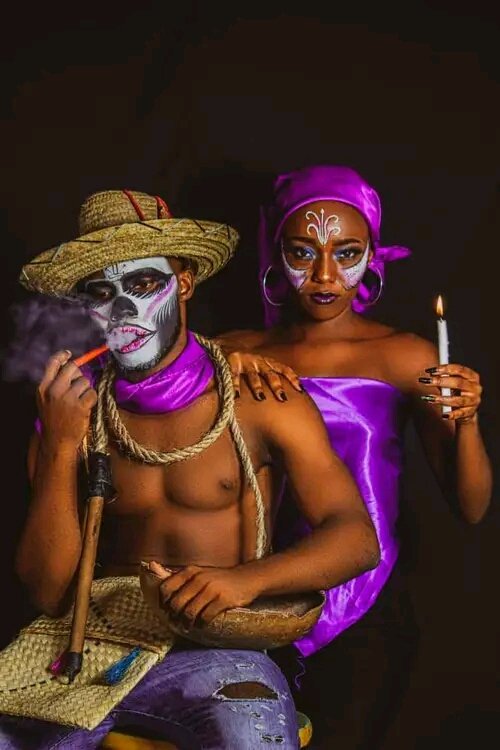
Haïti has a rich and diverse culture, influenced by African, European and indigenous elements. Haitian music, dance, art and cuisine are celebrated around the world.