Haïti Sets the 2024 Olympics On Fire with Dazzling Outfits
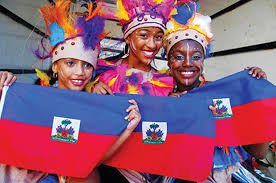
On Friday, July 26, 2024, the eyes of the world turned to Paris for the highly anticipated opening of the Olympic Games. As flags flew and excitement mounted, Haïti captured the attention and imagination of millions of spectators. In a spectacular parade, Haïti proved that it could compete with the world’s greatest powers, not only on the playing field, but also on the fashion and cultural catwalk.
Ranked third by Forbes in its list of most remarkable Olympic uniforms, Haïti has risen above nations renowned for their influence in fashion and design. This recognition is no accident, but the result of an extraordinary collaboration between visionary designer Stella Jean and internationally renowned artist Philippe Dodard.
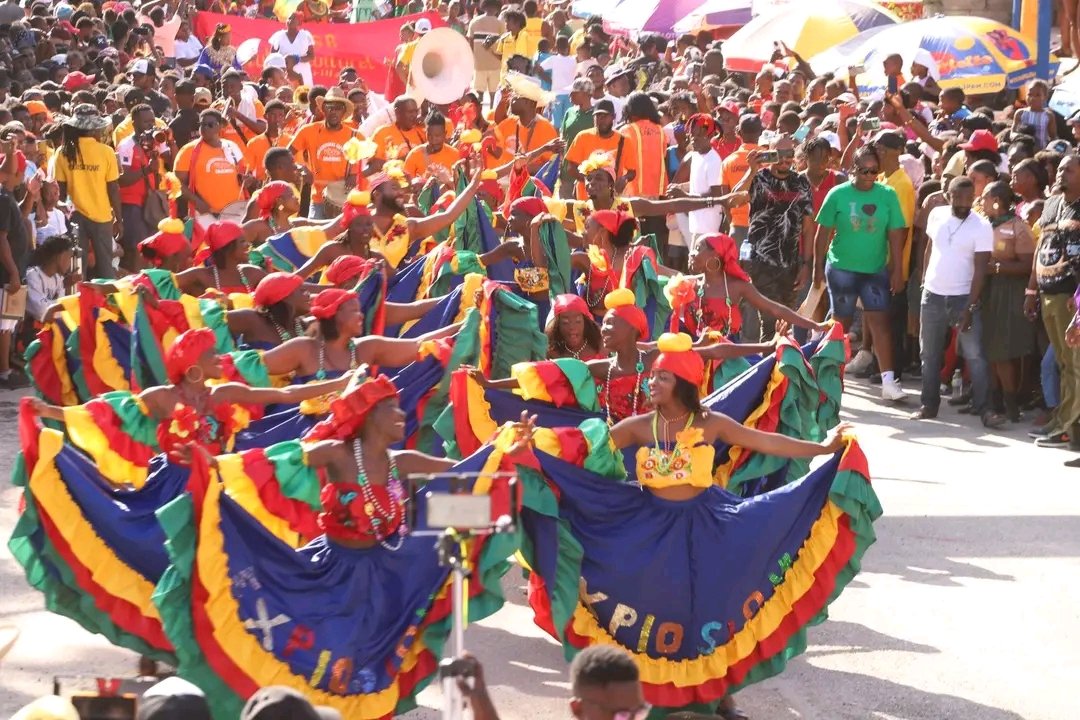
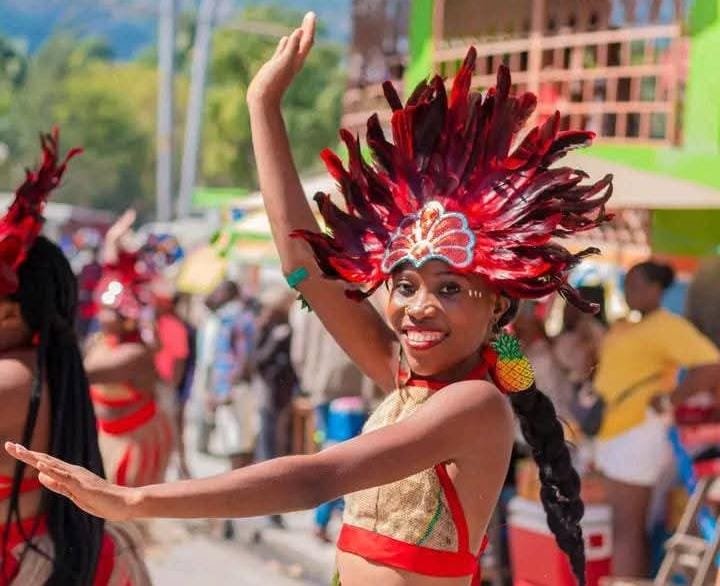
Haitian outfits are not mere garments; they are walking works of art, visual narratives of the country’s rich and complex history. For women, a full skirt unfolds like a canvas, adorned with Dodard’s captivating paintings. These illustrations are not mere decorations, but windows into the soul of Haiti, telling the story of centuries of struggle, resilience, and beauty.
The shirts, made from Haiti’s legendary “blue cotton,” are not only a nod to tradition, but a living testament to local craftsmanship. Each thread tells the story of the skilled hands that wove it, perpetuating a know-how passed down from generation to generation.
For men, elegance is combined with authenticity. Striped shirts and printed scarves evoke the spirit of the Haitian peopleproud, colorful, and indomitable. Jackets, inspired by traditional shirts, are a bridge between the past and the present, showing that Haiti, while honoring its heritage, is moving resolutely toward the future.
By ranking alongside giants like the United States, Canada, and France, Haïti is sending a powerful message to the world. It is not the size of the country that matters, but the greatness of its spirit and the depth of its culture. Every seam of these uniforms tells the story of a people who, despite challenges, continue to create, innovate, and inspire.
The impact extends far beyond the Olympic podium. These outfits shine a light on the raw and refined talent of Haitian artisans and artists. They provide a window into an often misunderstood country, inviting the world to look beyond the headlines to discover the beauty, creativity, and resilience that truly define Haiti.
As Haitian athletes proudly parade in these dazzling creations, they carry not only the hopes of medals, but the dreams and aspirations of an entire nation. Every step on the Olympic track is a step toward a future where Haïti is recognized not for its challenges, but for its creative genius, rich culture, and indomitable spirit.
The Paris 2024 Olympic Games will be remembered for many reasons, but for Haiti, they mark a moment of cultural triumph. In a world where uniformity often threatens to erase unique identities, Haïti has risen, resplendent, to show that true beauty lies in diversity, authenticity, and the courage to stay true to one’s roots.
As the world continues to watch and admire, one thing is clear: Haïti has not only arrived on the world stageit has lit it up brightly, promising a future where art, culture, and sport come together to create a richer, more colorful, and infinitely more beautiful world.
Share
About the Author
Appolon Guy Alain
Appolon Guy Alain
Full Stack Developer, Créatif, expérimenté, passionné des nouvelles technologies et de l’art.
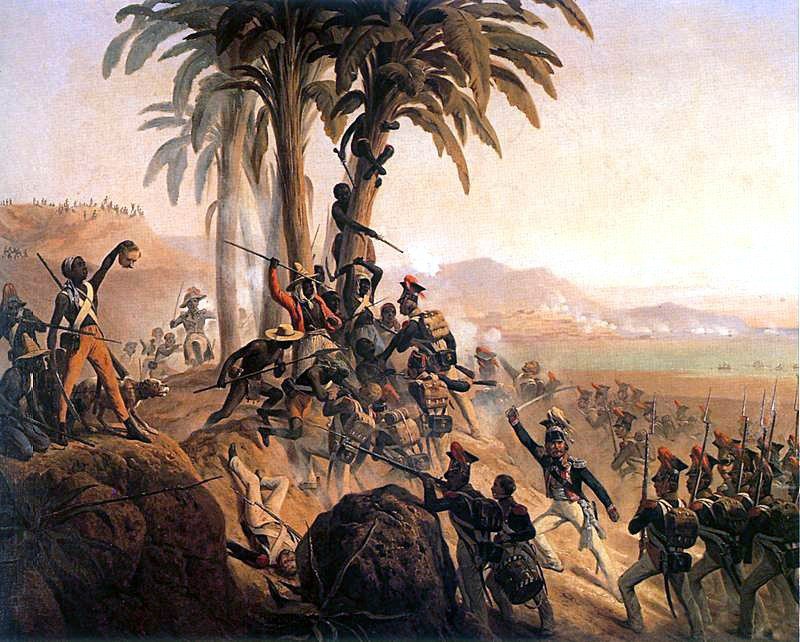
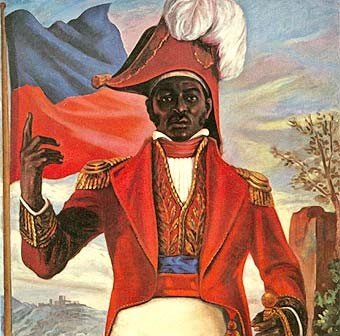
First black nation to free itself from slavery and gain independence from France in 1804 and influenced other liberation movements around the world, inspiring struggles for freedom and equality.
Natural beauty
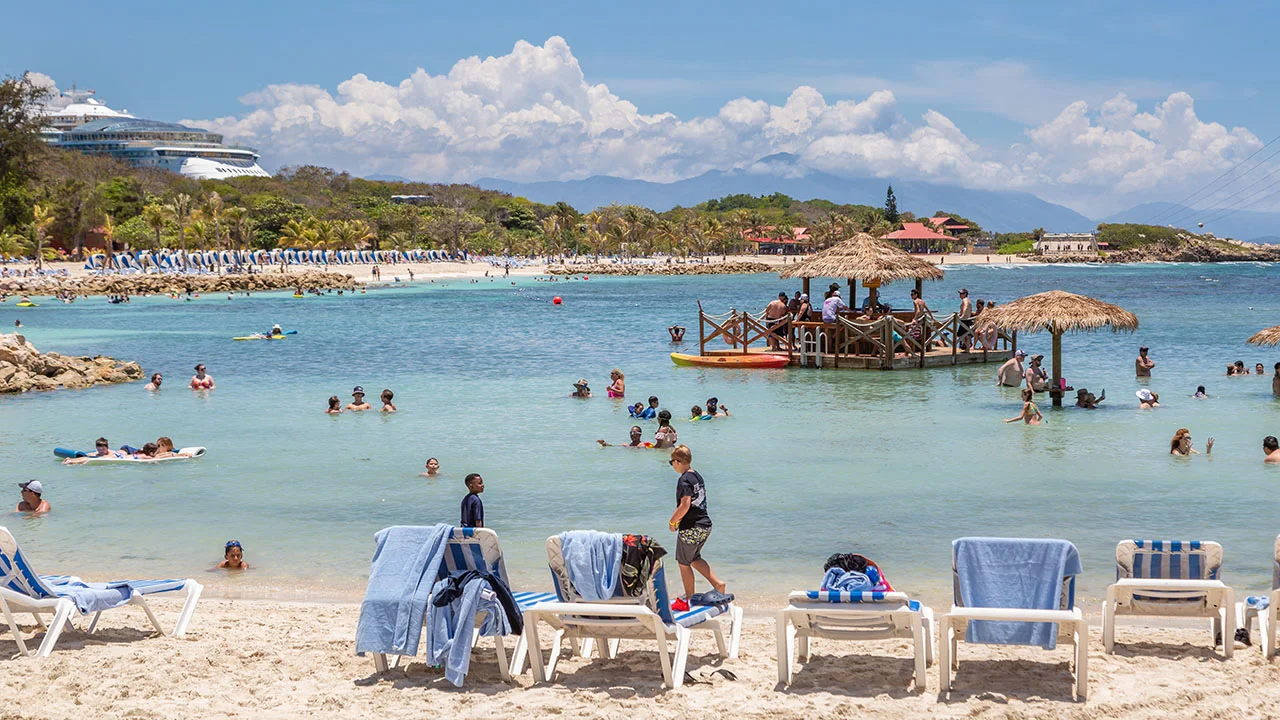
Haïti is blessed with spectacular natural landscapes, including white sand beaches, mountains and rich biodiversity.
Heritage
Haïti has a rich historical heritage, including sites like the Citadelle Laferrière and the Sans-Souci Palace, listed as UNESCO World Heritage Sites.
Culture
Haïti has a rich and diverse culture, influenced by African, European and indigenous elements. Haitian music, dance, art and cuisine are celebrated around the world.






























Mes felicitations
July 29, 2024 - 04:41:16 PMLove the 2024 men jackets! I need to order one for my son. Please send me the App.
August 04, 2024 - 01:49:35 AM