contact@haitiwonderland.com+509 36184317

Discover

Shopping Cart

Haiti: History and Geography

Haiti: History and Geography

Haiti, the pearl of the Caribbean, is a country that shines with its unique history and spectacular geography. This territory, rich in culture and traditions, deserves to be rediscovered, by highlighting its assets and its exceptional contributions to world heritage.

Haïti
Haïti
Haïti

A History that Changed the Course of the World

Haïti occupies a special place in universal history, marked by memorable events:

- 1492: Discovery of the island of Hispaniola by Christopher Columbus.
- 1697: The western part of the island officially becomes a French colony, Saint-Domingue.
- 1804: Haïti proclaims its independence, becoming the first black republic in the world after defeating Napoleon’s powerful army.

In just a few decades, Haïti built a nation on the ruins of slavery, setting an example of emancipation that inspired other freedom struggles in Latin America and beyond.

Haïti
Haïti
Haïti

A Rich and Varied Geography

Haïti covers 27,750 km², with a diverse geography that offers breathtaking landscapes:

- Mountains: More than 60% of the territory is mountainous. Pic la Selle, culminating at 2,680 meters, is the highest point in the country.
- Coastline: Haïti has more than 1,500 km of coastline, home to paradisiacal beaches such as those of Labadie and Île-à-Vache.
- Biodiversity: Haïti has approximately 5,600 plant species and several endemic animal species, making its national parks ecological treasures.

Macaya National Park, for example, is a UNESCO biosphere reserve recognized for its exceptional biodiversity.

Haïti
Haïti
Haïti

An Economy Brimming with Opportunities

Despite economic challenges, Haïti is showing promising signs in several sectors:

- Tourism: More than 500,000 visitors annually come to discover the beaches, culture, and historical sites.
- Agriculture: Nearly 45% of the workforce works in this sector, producing prized exports such as coffee, cocoa, and essential oils.
- Handicrafts: Haïti is famous for its unique art, including its colorful paintings and metal sculptures, which generate millions of dollars in exports each year.

Haïti
Haïti
Haïti

A Living and Dynamic Culture

Haïti is a country where culture is a daily celebration:

- Official Languages: Haitian Creole, spoken by 100% of Haitians, and French, reflect the country’s multicultural heritage.
- Festivities: The Jacmel Carnival attracts thousands of visitors each year with its handmade masks and dazzling parades.
- Gastronomy: Dishes such as national rice (rice stuck to peas), griot or Haitian pâtés delight palates around the world.

Haïti
Haïti
Haïti

Haiti: A Model of Resilience and Creativity

Beyond the challenges, Haïti is a nation of resilience and creativity. With local and international initiatives aimed at developing education, infrastructure and renewable energy, the country is on the path to transformation.

Haïti
Haïti
Haïti

Some Key Figures about Haiti

- Population: About 12 million inhabitants.
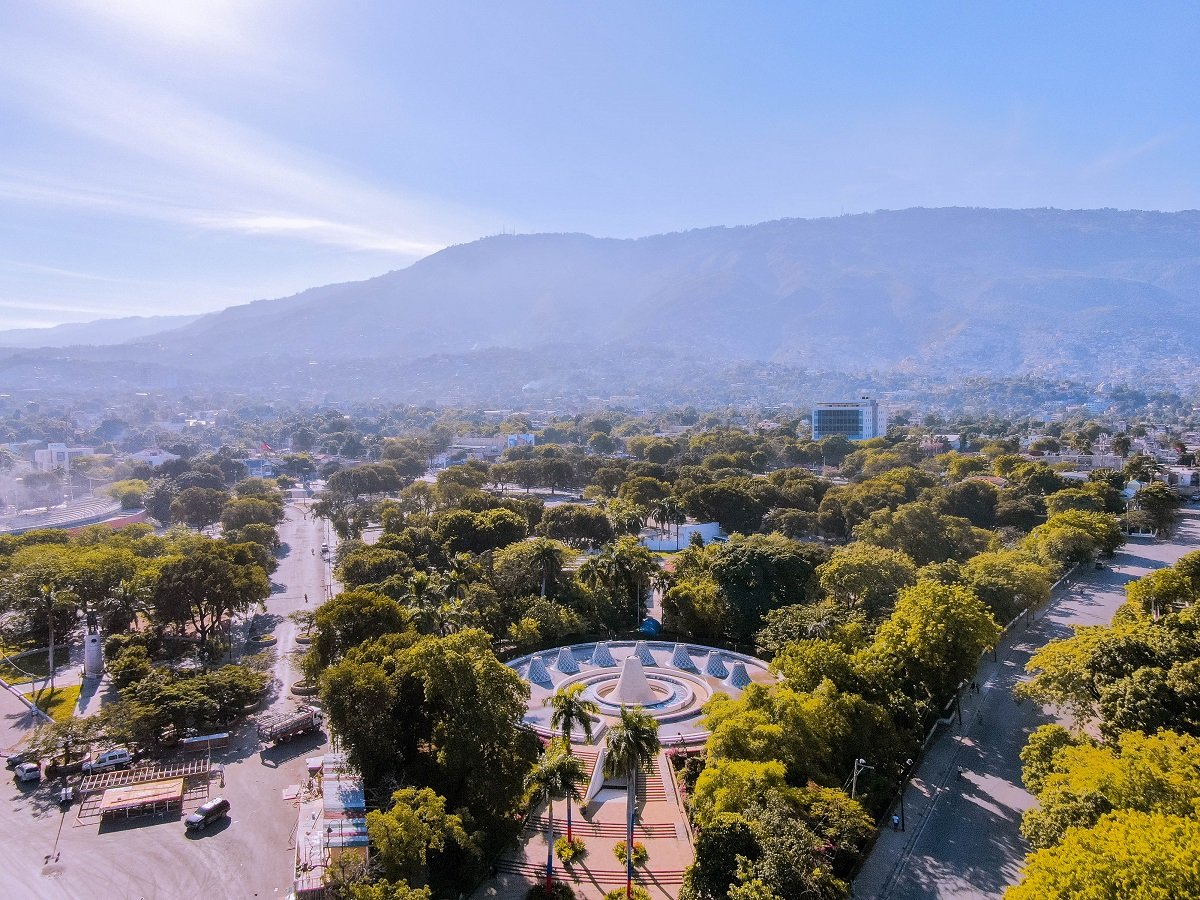
- Capital: Port-au-Prince, a vibrant city that combines tradition and modernity.

Haïti
Haïti
Haïti

Haiti, a Jewel to Rediscover

Haïti is much more than a country with a glorious past: it is a land of natural beauty, culture and innovation. Its majestic mountains, pristine beaches and warm people make Haïti a unique destination in the world. With its assets, Haïti invites the world to rediscover its true essence: a symbol of pride, courage and infinite potential.

Share
About the Author
Appolon Guy Alain
Appolon Guy Alain
Appolon Guy Alain

Full Stack Developer, Créatif, expérimenté, passionné des nouvelles technologies et de l’art.

See other articles from Appolon Guy Alain
Leave a comment

Recently Posted

Newsletter

Subscribe to our newsletter to stay informed of all our activities and news on Haiti.

Caractéristique d’un lapin

Les lapins sont des mammifères appartenant à la famille des Leporidae. Voici quelques-unes de leurs caractéristiques principales : 1. **Physique** : Les lapins ont un corps couvert de fourrure douce, des oreilles longues et droites, de grands yeux sur les côtés de leur tête, et une queue courte et duveteuse. Ils possèdent de puissantes pattes arrière adaptées au saut. 2. **Taille et poids** : La taille et le poids peuvent varier considérablement selon la race, allant d’environ 500 grammes pour les plus petits à plus de 5 kilogrammes pour les plus grands. 3. **Comportement** : Les lapins sont connus pour être sociaux et peuvent vivre en groupes dans la nature. Ils communiquent entre eux par différents moyens, y compris par des sons et des mouvements corporels. Les lapins creusent des terriers pour y vivre et se protéger des prédateurs. 4. **Alimentation** : Ils sont herbivores, se nourrissant principalement de foin, d’herbes, de feuilles, de fleurs, et de certains légumes. Leur système digestif est adapté pour traiter une grande quantité de fibres. 5. **Reproduction** : Les lapins sont réputés pour leur capacité à se reproduire rapidement, avec des gestations courtes d’environ 28 à 31 jours. Une portée peut compter de un à douze lapereaux, selon la race. 6. **Sens** : Ils ont une excellente vision périphérique pour détecter les mouvements tout autour d’eux, mais ont une zone aveugle juste devant leur nez. Leur ouïe est également très développée, leur permettant de capter des sons à de grandes distances. 7. **Espérance de vie** : En captivité, les lapins peuvent vivre de 7 à 10 ans, selon la race et les soins prodigués, tandis que dans la nature, leur espérance de vie est généralement plus courte en raison des prédateurs et des maladies. Ces animaux nécessitent des soins appropriés, notamment un régime alimentaire équilibré, de l’exercice, et une attention particulière à leur bien-être émotionnel et physique pour vivre une vie saine et heureuse en captivité.

Pity or the work of an old soul crushed under the weight of an absinthe-flavored existence

The word crisis carries an infinite number of meanings. No intention of revealing them all this afternoon. However, a few clarifications are necessary. A kid whose parents do not have enough money at Christmas to buy her a Little Black Mermaid doll has a fit and locks herself in her room without touching her meals for the day. A boy whose dog was suddenly poisoned by a neighbor in revenge or shot after contracting rabies, losing a faithful friend overnight, enters into crisis. Finally, a society in the grip of all sorts of mutations and whose leaders are weak, perhaps prolonged in a deep crisis. In the first case, the young girl sulks to attract the attention of her parents in order to feel appreciated by children her age at school or in the neighborhood. Today, thirty minutes of negotiations can be enough to find a lasting solution. In my day, a few well-aimed belt blows would have overcome this whim. But, humanity evolves, they say. In the second case, this boy can find his smile again after a few weeks. He needs a little attention and, probably, another dog. As Stendhal would say, only passion triumphs over passion. In the last case, this society led by inepts is shaken to its deep foundations. Its institutions can disintegrate one by one. The vital forces dissolve in no time. This situation creates a societal tsunami that destroys all life within this community. It is indeed a crisis. The crisis from this point of view constitutes an alarming, desperate situation in the existence of a community where nothing is going well. Chaos reigns supreme. The very essence of life disappears. The individual can take precedence over the community. Everyone tries to solve their problems without worrying about others. The closest neighbor is relegated light years away from you. How can we turn to creation? How can we continue to conceive of otherness? How can the artist absorb this great collective disarray as a source of motivation? These are the questions I must answer. An artist sees and feels what ordinary mortals cannot even imagine in a thousand-year life. He creates to denounce, when his conscience as a human being is revolted. He exalts heroes or the homeland according to his feelings. He sings the beauty of an irresistible, captivating or ugly resplendent woman. He can also use the ambient desolation to give meaning to life. Creating in literature as in the arts in general does not depend on the situation. The act of creation depends on the creator’s disposition. Events paralyze some and galvanize others. Creating is enjoyable. Everyone therefore enjoys according to their own whim. Writing opens the way to change. The writer takes a different look at the world. By embedding himself in reality, he embellishes it, makes it better or hideous depending on the message he intends to share. All things considered, with him, life is never fixed. Writing is putting the world in a jar to travel the universe. The artist broods over his work in all weathers. Oswald Durand was delighted to see Choucoune’s beautiful body from his secret observatory. Musset, on the other hand, was in pain writing his October night. As for Dany Laferrière, in exile, he described the horrors of the Duvalier dictatorship and the carefree attitude of the young girls in his neighborhood in this violent and dangerous world. Ultimately, the writer lives in a society with values ​​that he shares or not. They condition his existence or have no hold on him. In many ways, the surrounding world serves as his laboratory. He carries out his experiments there. He casts a new, worn, disillusioned, melancholic, violent, bitter look at the world depending on his mood. Pitié is the work of an old soul crushed under the weight of an existence that tastes of absinthe. Young Mike Bernard Michel lives by expedients and lies. The hands of life fall on him with indescribable violence. Misfortune embraces him day and night. Should we give up? Musset liked to say: "Man is an apprentice, pain is his master. And no one knows himself until he has suffered." The artist must produce under all skies. Such is his vocation. Incompetents in power, legal or highway bandits, the high cost of living, unemployment, heartaches are all subjects of concern for him. If it is true that a hungry belly has no ears, the fact remains that it keeps the brain awake. What am I saying, it stimulates it to the point of creating timeless works. Mr. Pitié, you have a bright future ahead of you. Work of Jean Rony Charles, the book is available from Éditions Repérage.

Recently Posted

History

History

First black nation to free itself from slavery and gain independence from France in 1804 and influenced other liberation movements around the world, inspiring struggles for freedom and equality.

Natural beauty

Natural beauty

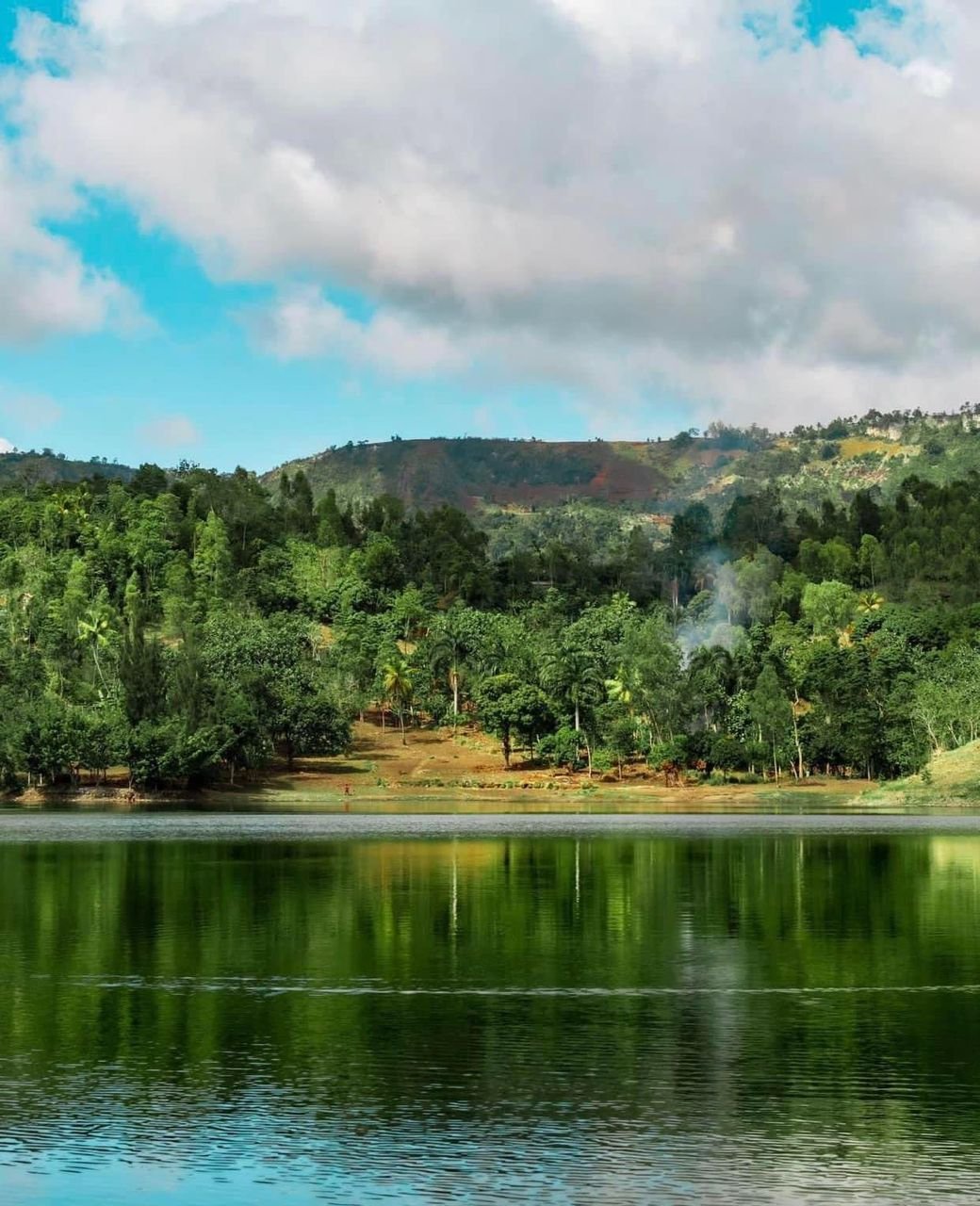
Haïti is blessed with spectacular natural landscapes, including white sand beaches, mountains and rich biodiversity.

Heritage

Heritage

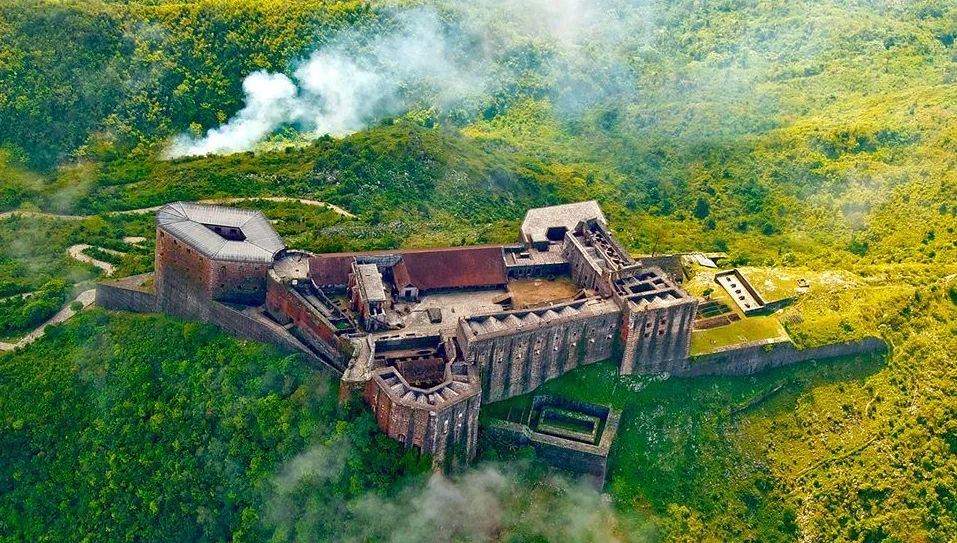
Haïti has a rich historical heritage, including sites like the Citadelle Laferrière and the Sans-Souci Palace, listed as UNESCO World Heritage Sites.

Culture

Culture

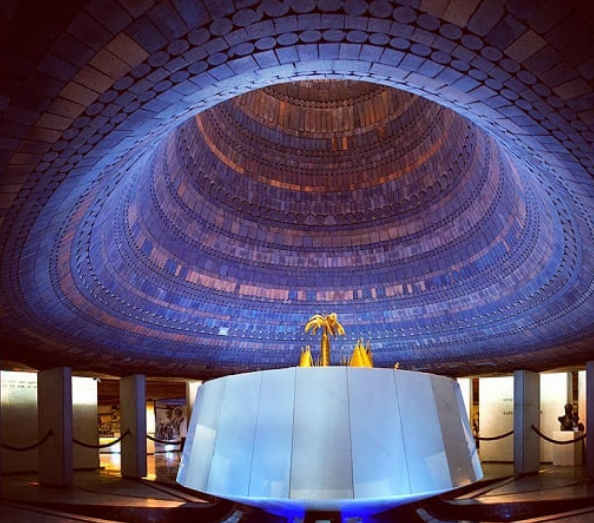
Haïti has a rich and diverse culture, influenced by African, European and indigenous elements. Haitian music, dance, art and cuisine are celebrated around the world.

  • +
    • Post