contact@haitiwonderland.com+509 36184317

Discover

Shopping Cart

What do you eat in Haiti?

What do you eat in Haiti?

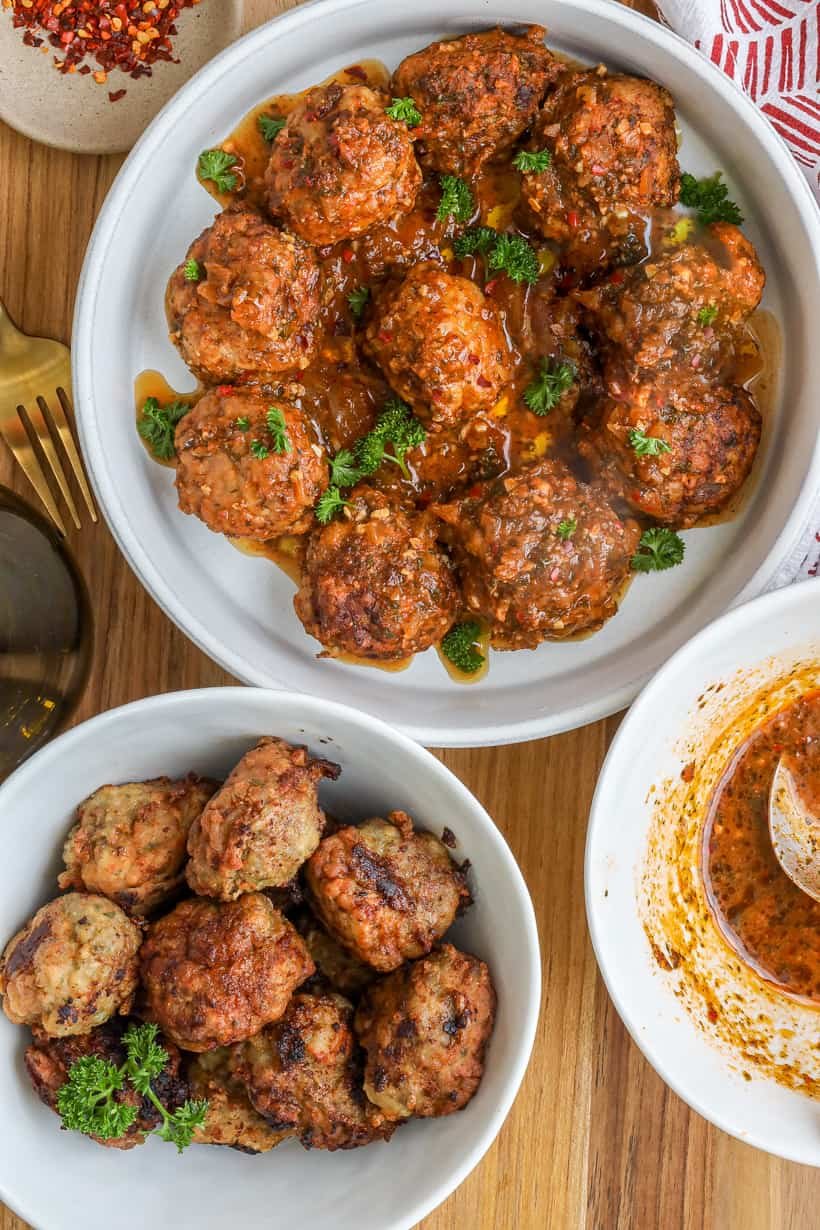
Haitian cuisine is rich and flavorful and is a true reflection of the country’s culture, history and traditions. It combines African, European and indigenous influences to offer diverse and delicious dishes. From everyday meals to traditional feasts, food in Haïti is more than just a way to eat, it’s a cultural experience. Discover with us what they eat in Haiti, and let yourself be seduced by the unique flavors of this Caribbean country.

Haïti
Haïti
Haïti

Traditional Haitian dishes

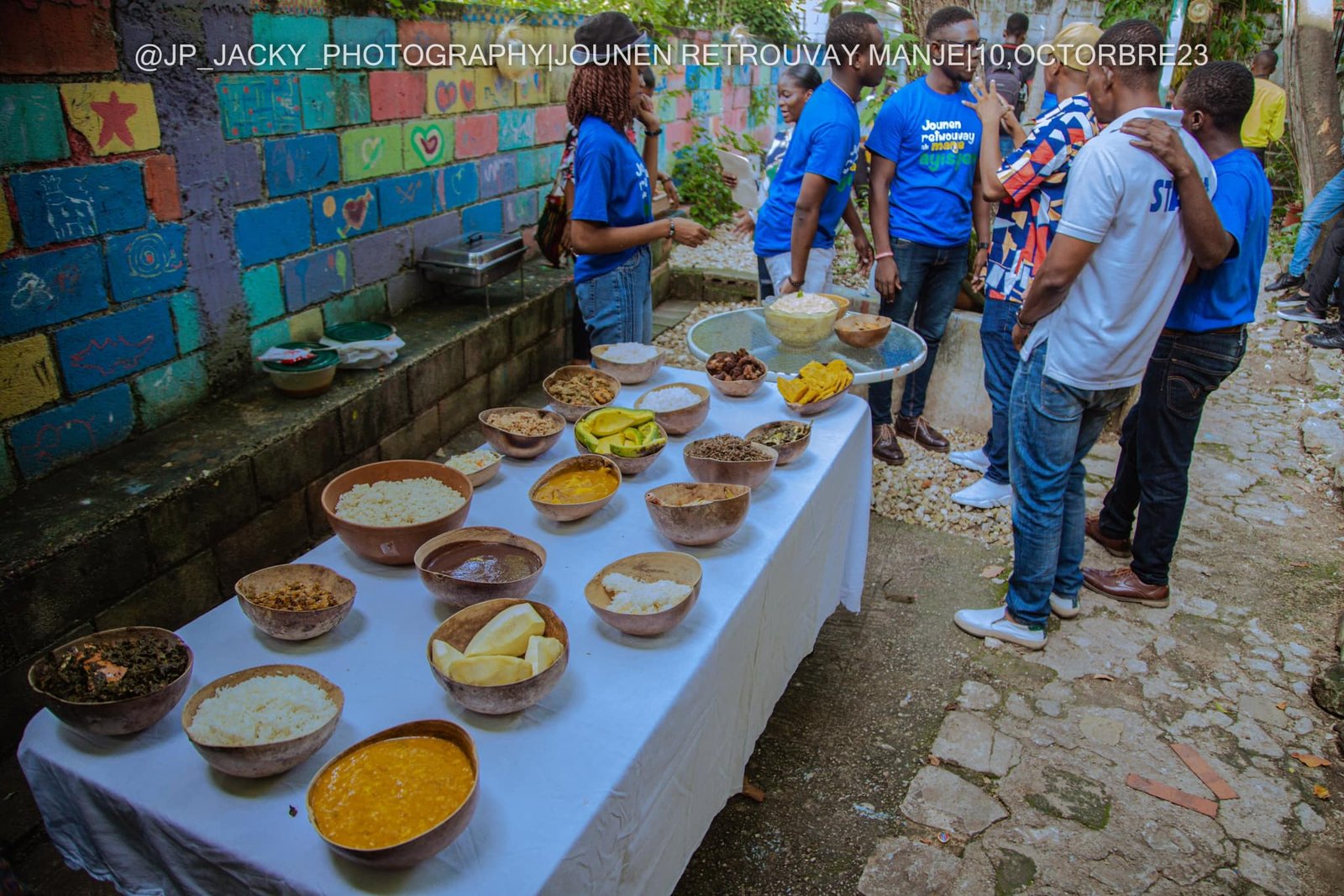
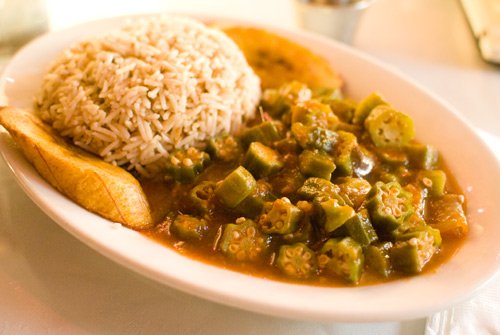
In Haiti, meals are often composed of rice, beans, fresh vegetables, meat or fish, all accompanied by tasty sauces. Here are some of the must-have dishes:

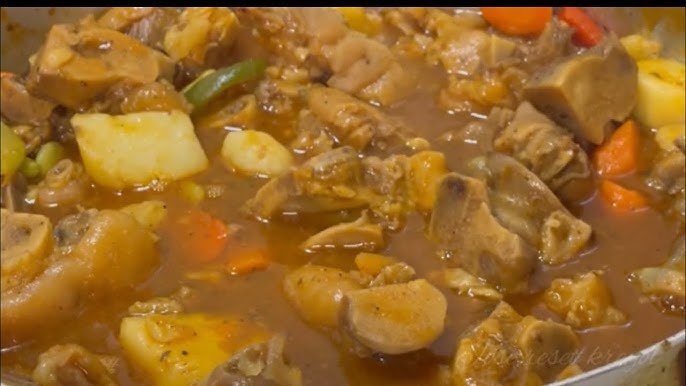
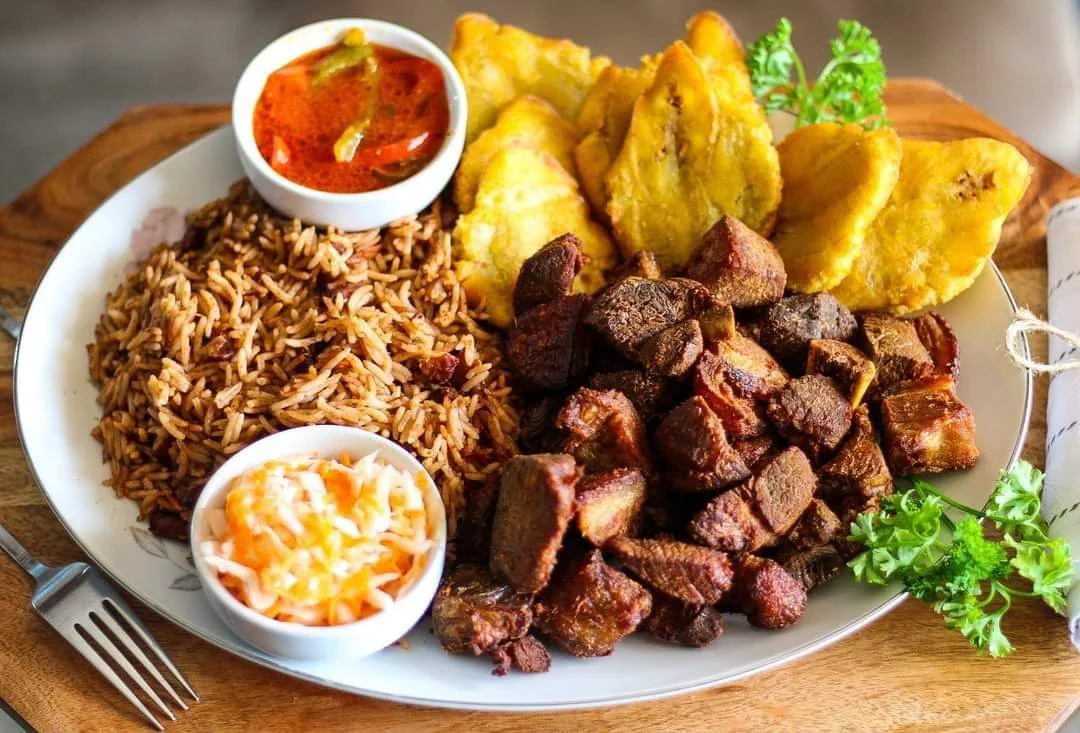
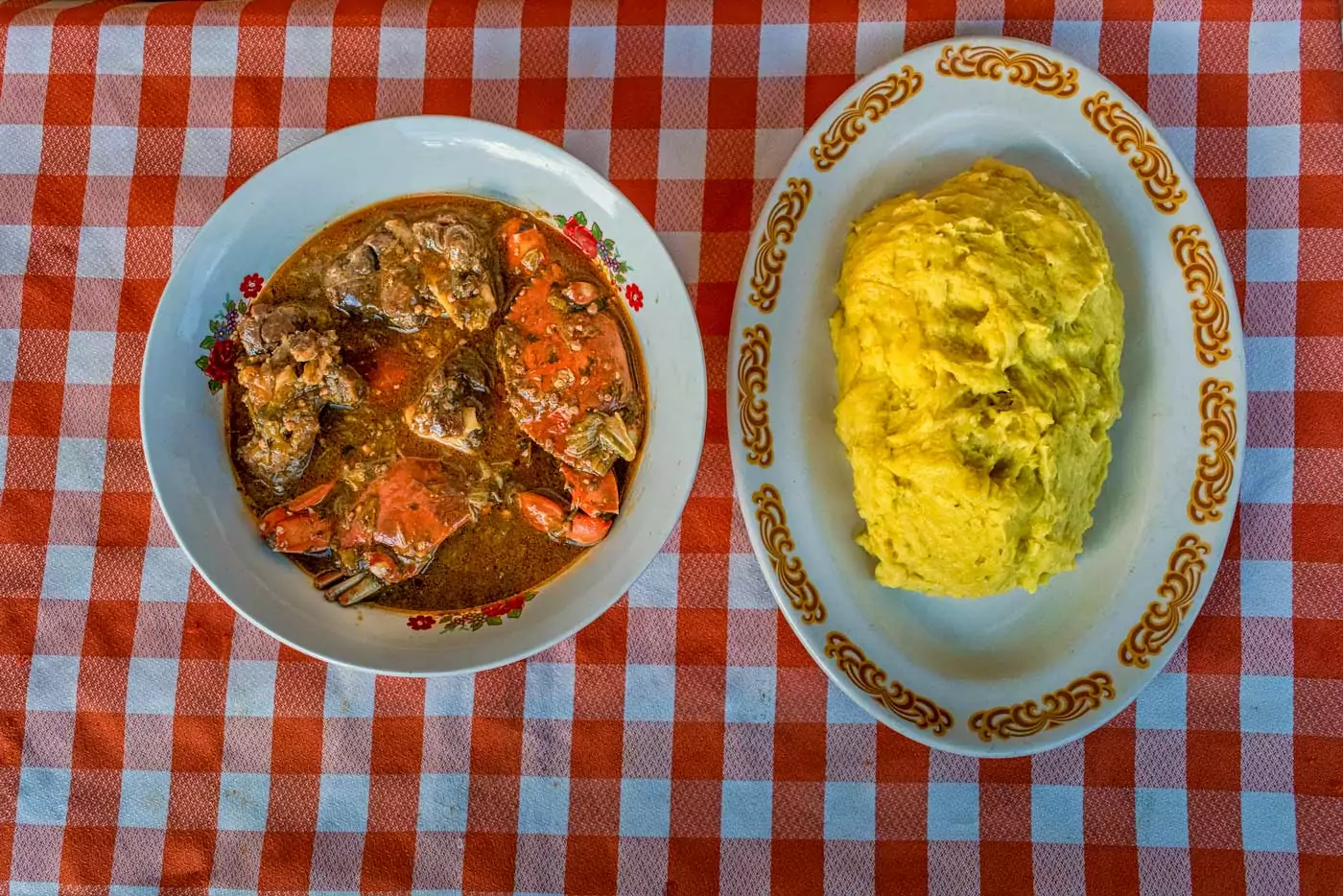
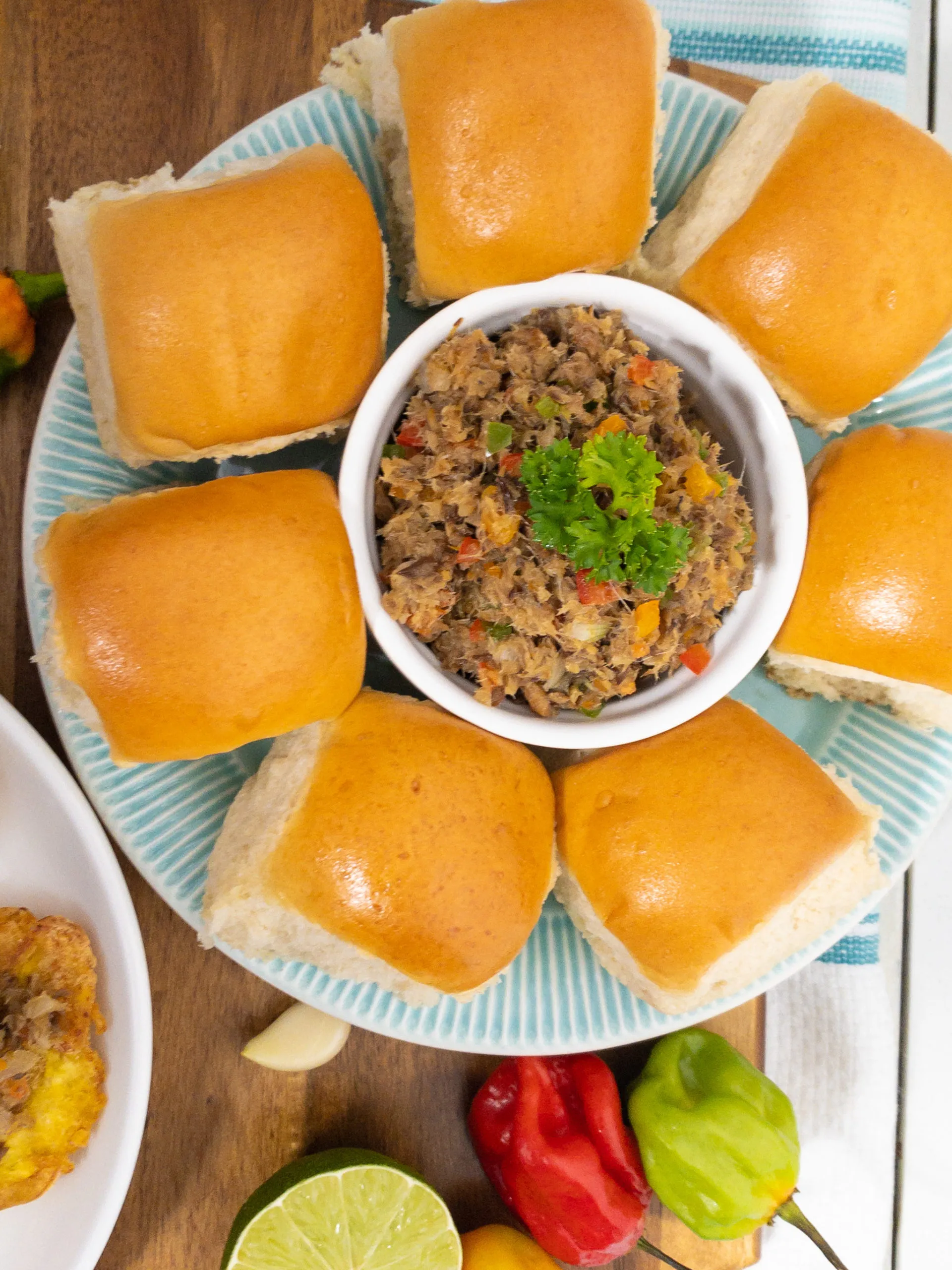
- Diri ak pwa (Rice and beans): The national dish par excellence. Rice is cooked with red or black beans, sometimes with vegetables, spices and a little meat to make it even more flavorful. This dish is often served with chicken, pork, or fish.
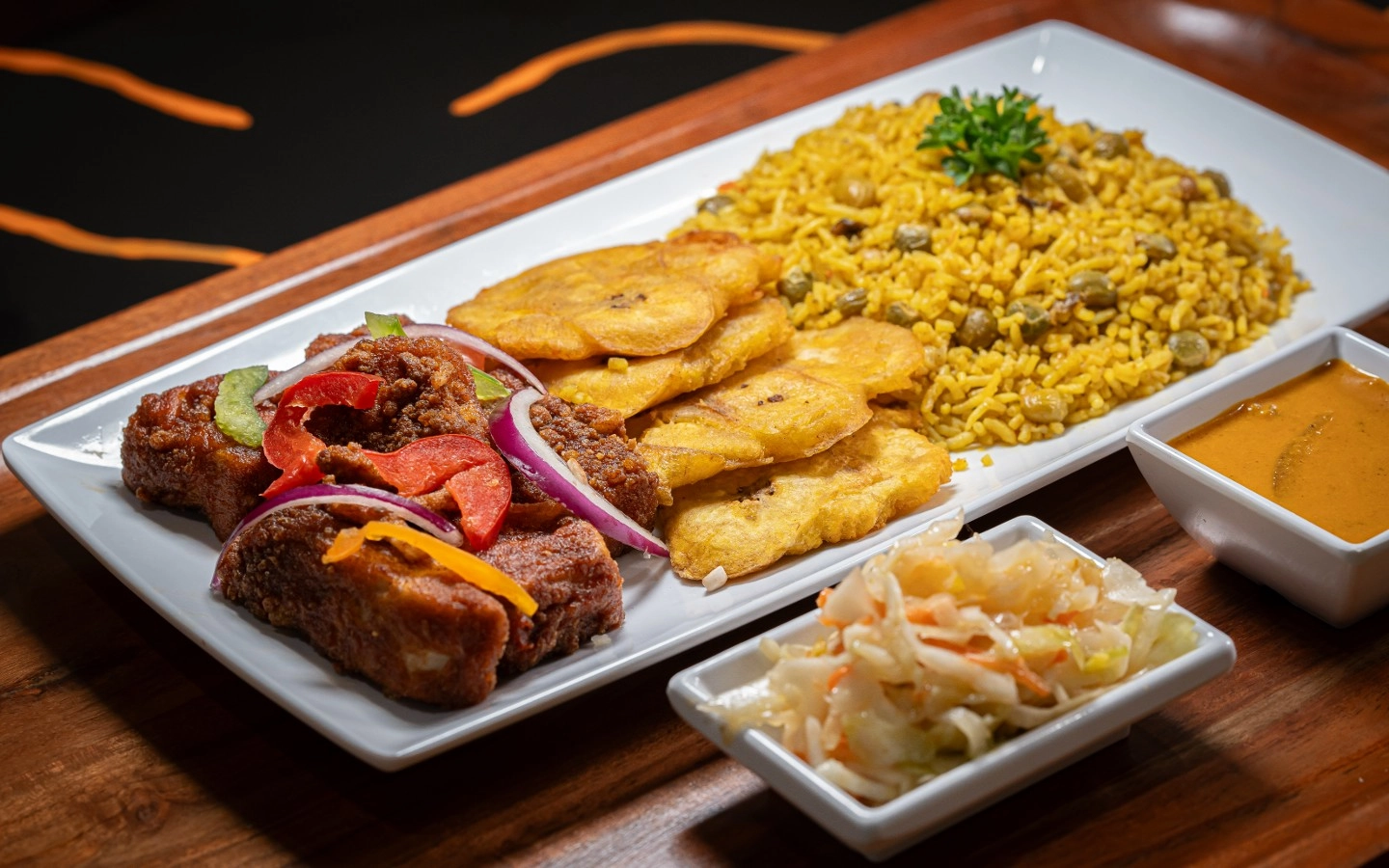
- Griot: This popular dish is made with pork marinated in a mixture of spices and lemon, then fried until golden brown and crispy. It is often accompanied by pikliz, a spicy condiment made with vegetables and vinegar.
- Tasso: Dried meat, usually beef or pork, marinated in spices, then fried. This dish is often accompanied by rice or vegetables.
- Joumou: A traditional soup eaten on January 1, Haiti’s Independence Day. This pumpkin-based soup is prepared with vegetables, pasta, beef broth and pieces of meat.

See as well

Haïti
Haïti
Haïti

Haitian Fruits and Vegetables

The richness of Haitian nature is reflected in its varied agricultural production. In Haiti, there is a wide variety of fresh fruits and vegetables that are often used in daily meals.

- Mango: The country is full of sweet and juicy mangoes, which are often enjoyed fresh or made into juice or jams.
- Plantain: It is frequently cooked as banana pesée (fried plantain) or served as an accompaniment to main dishes.
- Sweet potato: This tuber is a staple in Haitian cuisine and is found in many dishes, including soups and broths.
- Avocado: Highly appreciated for its creamy texture, avocado is often used in salads or simply served in slices with a little salt.

Haïti
Haïti
Haïti

Haitian Drinks

Drinks in Haïti are as varied and delicious as the food. Some are directly inspired by local traditions, while others have been influenced by history and exchanges with other cultures. Here are some typical drinks:

- Haitian Rum: Haïti is famous for its quality rum, especially Barbancourt Rum, produced from sugar cane. Rum is a common drink at festivities and social gatherings.
- Fresh Fruit Juice: In Haiti, juices are prepared with local fruits such as mango, lime, passion fruit, or sugar cane. Lime juice is particularly refreshing.
- Akasan: A traditional drink prepared with corn, milk, sugar, and vanilla. It is often consumed for breakfast or dessert.
- Crémas: A creamy, sweet drink made with rum, condensed milk, coconut milk, and spices, often served during holiday celebrations.

Haïti
Haïti
Haïti

Haitian Desserts

Desserts in Haïti are just as tasty as the main dishes and are often very sweet and flavorful. Haitian desserts are a real treat for the taste buds:

- Dous makòs: A dessert made with cornmeal, milk, and sugar, flavored with vanilla and cinnamon.
- Pain patate: A sweet cake prepared with sweet potatoes, spices, raisins, and coconut milk.
- Konparèt: Small candies made with sugarcane syrup, grated coconut, and sugar, cooked until they take on a firm, melting texture.
- Bonbon sirop: Sweet candies, made with sugar and cane syrup, very popular during the end-of-year celebrations.

Haïti
Haïti
Haïti

A friendly and festive cuisine

Haitian cuisine is more than just a moment of taste pleasure; it is a way to get together with family and friends. Meals in Haïti are often shared and celebrated, especially during holidays and special occasions such as Christmas, New Year and weddings.

Each dish tells a story, each recipe is passed down from generation to generation. Whether for an everyday meal or a grand feast, Haitian cuisine is a true mirror of hospitality and human warmth.

If you have ever had the chance to taste a Haitian dish, or if you have a favorite recipe, don’t hesitate to share it in the comments!

Share
About the Author
Appolon Guy Alain
Appolon Guy Alain
Appolon Guy Alain

Full Stack Developer, Créatif, expérimenté, passionné des nouvelles technologies et de l’art.

See other articles from Appolon Guy Alain
Leave a comment

Recently Posted

Newsletter

Subscribe to our newsletter to stay informed of all our activities and news on Haiti.

Haiti: Appolon Guy Alain, among the best Haitian developers

In the vast world of IT development in Haiti, there are figures who stand out for their talent, dedication and vision. Among them, Appolon Guy Alain emerges as one of the best developers in the country, recognized for his ingenuity and creativity. With a strong background in the field of software development, Apolon has managed to rise to the top of its field. Its reputation extends well beyond Haitian borders, attracting the attention and respect of many companies abroad. It is not only his technical expertise that sets him apart, but also his ability to combine art and technology in a unique way. Discover some of Guy Alain Appolon’s achievements by clicking on the following link: https://haitiwonderland.com/haiti/personnalite/le-webmaster-haitien--guy-alain-appolon-une-reference-incontestee/79 What makes Apolon unique is its versatility. As a full-stack developer, he excels in all phases of a project, from design to implementation to user interface development. His ability to merge his talents as a painter, professional musician and computer graphic designer allows him to create attractive interfaces that captivate users at first glance. The Haïti Wonderland website (www.haitiwonderland.com) is a shining example, captivating visitors with its attractive and intuitive design. Read also: https://haitiwonderland.com/haiti/personnalite/expert-en-seo-et-uiux-design--decouvrez-le-developpeur-haitien-appolon-guy-alain/65

Haitian traditions

Haiti, the pearl of the Antilles, is a country rich in history and traditions. Its vibrant and diverse culture is reflected through its national holidays, cultural festivities, traditional foods, religious beliefs, folk tales, and traditional games. Let’s immerse ourselves in the social fabric of Haïti to discover the beauty of its traditions. b~National Holidays:~b National holidays in Haïti are moments of pride and national unity as January 1, Independence Day, commemorates the victory of Haitian slaves over French colonial forces in 1804, making Haïti the first independent country in Haiti. Latin America and the Caribbean or the commemoration of the Battle of Vertières on November 18. The Battle of Vertières was one of the last great battles of the revolution. It took place in Vertières, near the town of Cap-Haitien. b~Cultural Festivities:~b Haïti is also famous for its cultural festivities, particularly Carnival, which is an explosion of color, dance, and music. Artistic and craft events, such as the Rara festival, are an opportunity for artists to showcase their talent. The Rara, a musical parade, combines folklore and spirituality, creating a unique experience. b~Traditional Foods:~b Haitian cuisine is a delight for the taste buds. Dishes like griot (fried pork), diri djon djon (rice with black mushrooms), and the legendary joumou (joumou soup) are an integral part of Haitian culinary tradition. Bold flavors, spices and cooking methods inherited from African and French tradition make Haitian cuisine unforgettable. b~Vodou:~b Vodou, often misunderstood, is a synchretic religion that incorporates elements of Catholicism, African animism, and indigenous beliefs. It plays a significant role in the daily lives of Haitians, influencing music, dance, and religious rites. Vodou is a profound expression of Haitian spirituality. The Tales (Krik Krak, Tim Tim, Bwa Sèch): Haitian folk tales, passed down from generation to generation, are rich in morality and wisdom. b~Konbit :~b The concept of Konbit represents community solidarity. Haitians come together to perform community tasks, whether in agricultural fields or for construction projects. It is a living example of the collective spirit that permeates Haitian society. The most recent major project to date concerns the construction of the canal from the Massacre River to Ouanaminthe, which took place between September and December 2023. Thousands of inhabitants of the north of the country mobilized all their forces to erect a canal allowing to collect water intended for irrigation of their plantations, with the aim of obtaining better harvests. Despite their modest means, they were motivated by the slogan "KPK" (Kanal la pap kanpe), a direct response to Dominican President Luis Abinader who warned them and did everything in his power to stop the construction of the canal. This channel represents the deep solidarity of Haitians and reaffirms national pride. Despite economic challenges, the people of northern Haïti have demonstrated exceptional determination to work together for a common goal. The slogan “Kanal la pap kanpe” embodies their resilience in the face of external pressures and demonstrates their unwavering will to continue the construction of the canal. b~Traditional Games:~b Traditional games are an essential part of daily life in Haiti. Games like lido, sote kòd, Yoyo, Ralba, Marèl, TiTaTo, Kay, lago kache, Monte kap, teke mab, woule sèk, twa fwa se manbo, and domino bring people together, promoting camaraderie and fun. Haitian traditions are a harmonious blend of spirituality, community, and cultural diversity. Every aspect, from national holidays to traditional games, helps weave the rich cultural tapestry that makes Haïti proud. These traditions are the beating heart of the nation, a precious heritage that continues to be passed down from generation to generation.

Recently Posted

History

History

First black nation to free itself from slavery and gain independence from France in 1804 and influenced other liberation movements around the world, inspiring struggles for freedom and equality.

Natural beauty

Natural beauty

Haïti is blessed with spectacular natural landscapes, including white sand beaches, mountains and rich biodiversity.

Heritage

Heritage

Haïti has a rich historical heritage, including sites like the Citadelle Laferrière and the Sans-Souci Palace, listed as UNESCO World Heritage Sites.

Culture

Culture

Haïti has a rich and diverse culture, influenced by African, European and indigenous elements. Haitian music, dance, art and cuisine are celebrated around the world.

  • +
    • Post