contact@haitiwonderland.com+509 36184317

Discover

Shopping Cart

What is the most popular religion in Haiti?

What is the most popular religion in Haiti?

Religious diversity in Haïti is a key aspect of its cultural identity, but Christianity, and more specifically Catholicism, is the most popular religion in the country. With its roots deep in colonial history, Haitian spirituality is also enriched by unique cultural practices, such as Vodou, that coexist with Christian beliefs. In this article, we explore the history, practices, and key figures surrounding religion in Haiti.

Haïti
Haïti
Haïti

Catholicism: A Colonial Legacy

Introduced by French colonists in the 17th century, Catholicism became the dominant religion in Haiti, thanks in part to the influence of missionary education and colonial administration. To this day, approximately 55% of Haitians identify as Catholic, according to recent studies.

Catholic celebrations play an important role in the lives of Haitians. Holidays such as Christmas, Easter, and Corpus Christi are celebrated with fervor. Churches, often beautifully decorated, are at the heart of local communities and demonstrate the importance of Catholicism in the daily lives of locals.

Protestantism on the Rise

Protestantism has grown in popularity in Haïti since the 19th century. Today, approximately 30% of the population identifies as Protestant, with denominations including Baptists, Adventists, Pentecostals, and Methodists.

Protestant churches often attract visitors with their dynamic approach to faith, including impassioned sermons, lively singing, and strong community involvement. Protestantism also plays a growing role in education and social services in Haiti.

Haïti
Haïti
Haïti

Vodou: An Authentically Haitian Spirituality

Although often misunderstood, Vodou is an essential component of Haitian spirituality. Born from the syncretism between African slave beliefs and Catholicism, Vodou is practiced by a significant portion of the population, often in parallel with Christianity.

Vodou is based on a connection with the spirits, called lwa, who intervene in daily life. Ceremonies, dances, and offerings are organized to honor these spirits and ask for their protection or guidance.

Despite stereotypes, Vodou has been recognized as an official religion in Haïti since 2003. It embodies an important part of the country’s cultural identity and illustrates the resilience and creativity of the Haitian people in the face of adversity.

Some key figures on religion in Haiti

- 55% of Haitians are Catholic, making Catholicism the majority religion.
- 30% identify as Protestant, with rapid growth in urban areas.
- Nearly 90% of the population practices Vodou in some form, often combined with Christian beliefs.
- About 5% of Haitians identify with other religions or declare themselves to be without religion.

Religious coexistence in Haiti

One of the particularities of Haïti is the way in which different religious practices coexist harmoniously. Many Haitians, for example, attend Catholic mass on Sundays while participating in Vodou ceremonies. This integration reflects a spiritual vision that values ​​harmony and tolerance.

Religion also plays a central role in the collective resilience of the Haitian people. In the face of challenges, Haitians rely on their faith, whether Christian or Vodou, to find strength and hope.

A Unique Spiritual Richness

The most popular religion in Haïti is undoubtedly Catholicism, but the country’s spiritual richness goes far beyond that. With African, European, and indigenous influences, Haitian spirituality is a fascinating reflection of its history and culture. Whether you are interested in Christianity, Vodou, or simply how these beliefs coexist, Haïti offers a valuable lesson in diversity and resilience.

And you, what have you discovered or learned about Haitian spirituality? Share your thoughts and experiences in the comments!

Share
About the Author
Appolon Guy Alain
Appolon Guy Alain
Appolon Guy Alain

Full Stack Developer, Créatif, expérimenté, passionné des nouvelles technologies et de l’art.

See other articles from Appolon Guy Alain
Leave a comment

Recently Posted

Belle-Anse, a village between tradition, nature and tourist potential

Nestled in the southeast of Haiti, Belle-Anse is a destination that fascinates with its natural beauty and rich history. This small town, still often ignored by major tourist routes, is full of treasures that deserve to be discovered. Its wild beaches, its imposing mountains and its unique historical heritage make Belle-Anse a hidden pearl, ready to seduce travelers in search of authenticity and tranquility. Belle-Anse, founded in the 18th century, still bears the traces of its past. Its history, marked by changes of names and identity, bears witness to the political and social upheavals that have given the region. From the colonial era to the birth of the Republic, each corner of the city tells a part of the history of Haiti. This rich past is combined with a vibrant cultural life, where local festivals, such as the celebration of the Patron Saint every December 10, offer an authentic glimpse into the lives of the inhabitants. The historical remains scattered throughout the city are not only a reminder of the era of colonization, but also of the struggles for independence. These witnesses of the past, combined with a calm and preserved atmosphere, make Belle-Anse a place where history and nature intertwine harmoniously. What distinguishes Belle-Anse is undoubtedly its spectacular natural environment. Ultimately, these beaches before the deserts invite you to relax. Lagan Beach, lined with palm trees and crystal clear waters, offers an idyllic setting for lovers of wild nature, far from the crowds of more frequent tourist destinations. The nearby Bay of Jacmel is a true natural bliss, promising moments of calm and escape. The city is also surrounded by majestic mountains, ideal for those who wish to explore the Haitian landscapes on foot, while discovering a unique biodiversity. While Belle-Anse’s natural resources are rich, they are also fragile, and preserving these areas remains an important issue for the future of the region.

Newsletter

Subscribe to our newsletter to stay informed of all our activities and news on Haiti.

Haiti, dream space.

Between dream and Haitian reality: A call for unity and action Many men have dreamed big for Haiti. Toussaint Louverture and Jean Jacques Dessalines are examples. Although torn apart by invisible hands, the social fabric of the country had always been considered the greatest project to be set in motion by men of letters. Until then, the history of Haïti remains and remains for Haitians the most appropriate space to dream and propose full and complete freedom. Indeed, Toussaint Louverture had the dream of improving the lot of slaves. Dessalines, for his part, sacrificed himself for the independence of our island (Haiti-Saint-Domingue). After our liberation from the French, men of letters had to take other paths to safeguard the dignity of the country. This situation showed another form of revolution like poets of the patriotism school with supporters such as: Louis Joseph Janvier, Anténor Firmin, Demesvar Délorme and the Generation of the Round with Fernand Hibbert, Georges Sylvain also the indigenous school with Jean Price Mars, Jacques Stephen Alexis, Roussan Camille etc... who express their discontent by pouring ink. By describing or painting the situation of the country. Several years which were first conceived and then born the idea of ​​giving the country its sovereignty, its own bicolor, its army, etc. it was not easy and did not continue like this. Haïti needs for the moment men of dreams, men who love their countries, but not the wealth of this country, men who love the happiness of their country, but not its misfortunes, men who have viable projects , but are not specialists in carnage who are only interested in their pockets, rather for the happiness of our two-tone, men who must fight against corruption, against waste, against the invisible hands of foreigners, against this form of public administration which targets only a small group of people in the country to the detriment of the population, this form of insecurity planned by the state, the so-called bourgeoisies, economic powers from abroad such as: France, USA, Canada, Brazil. q~Haïti in 1979 with full power. Maître Fevry is said to have declared: The dream of Haïti cannot support, nor accept improvised solutions ~q. The Haitian’s dream must always be a team effort. A team of men of skill, vision, good will, reflection and meditation. q~ Men who can place their personal and private interests over public interests. Men who want to make a new start to achieve the dream of Jean Jacques Dessalines and that of Henri Christophe who aimed that Haitians will not envy any other country in the world so that all Haitians can be happy in their own country, chanted Professor Lesly Saint Roc Manigat.~q Our dear Haiti, which was once the pearl of the Antilles, is no longer present today. For this we ask all Haitians: children, young people, adults and old people, let us unite our arms, our strength, our voices and all that we could do to liberate our dear homeland Haïti Chérie. Let’s change our reality together! Long live Haiti, long live freedom for the whole world.

Recently Posted

History

History

First black nation to free itself from slavery and gain independence from France in 1804 and influenced other liberation movements around the world, inspiring struggles for freedom and equality.

Natural beauty

Natural beauty

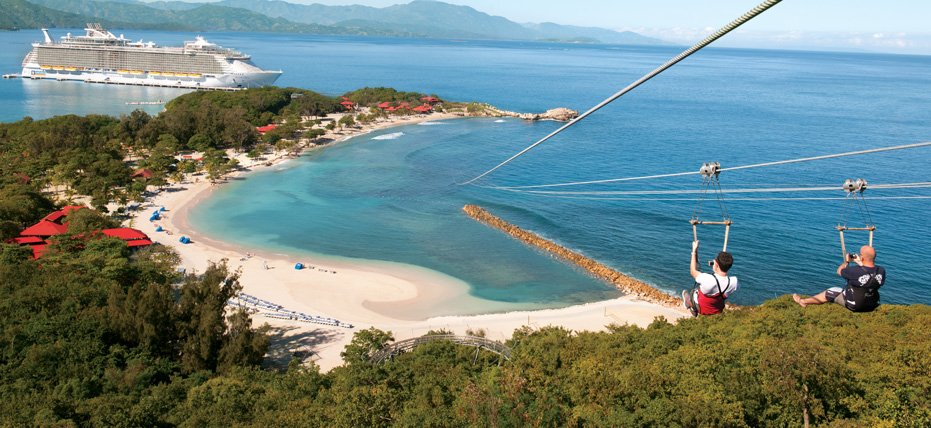
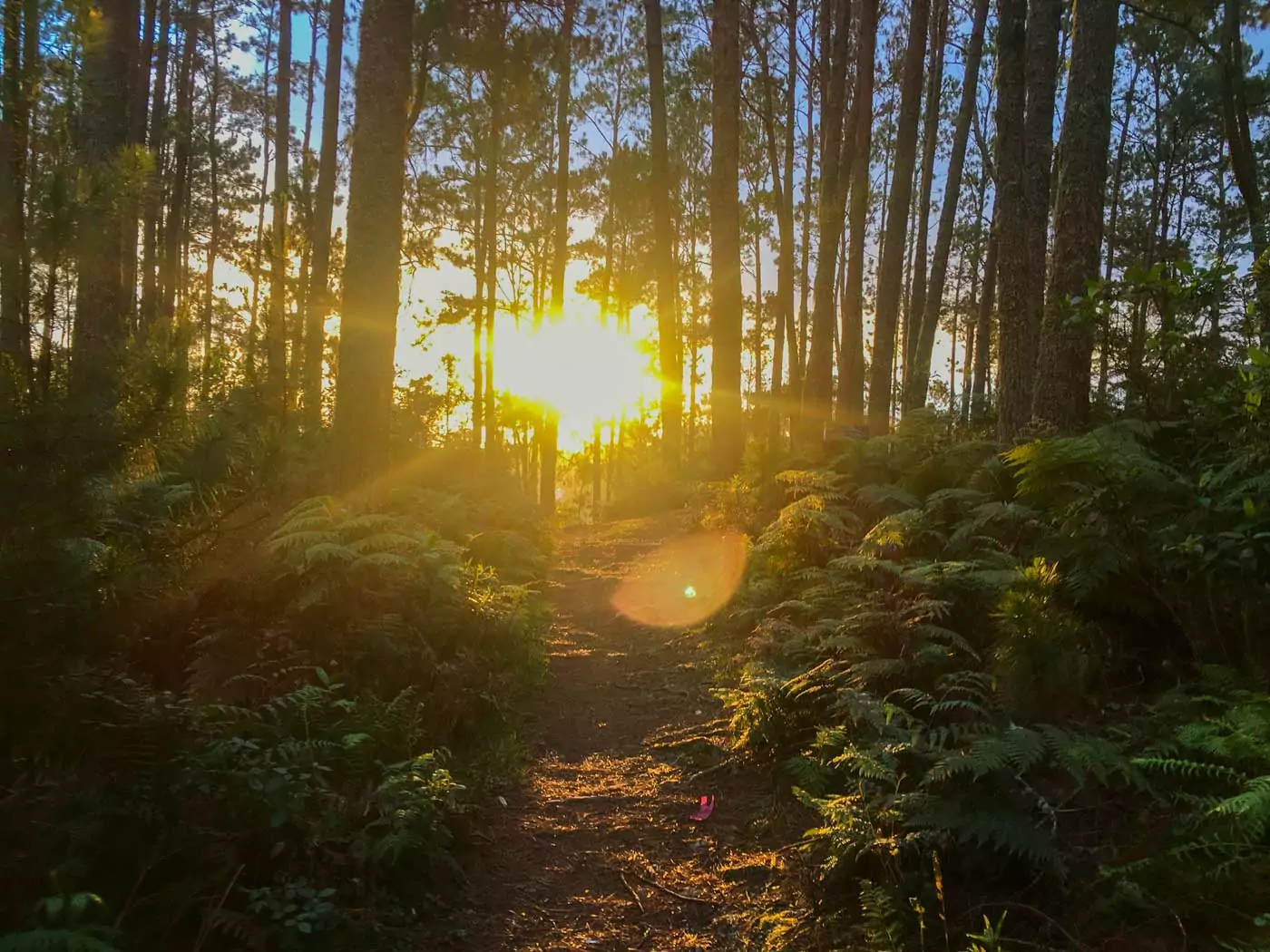
Haïti is blessed with spectacular natural landscapes, including white sand beaches, mountains and rich biodiversity.

Heritage

Heritage

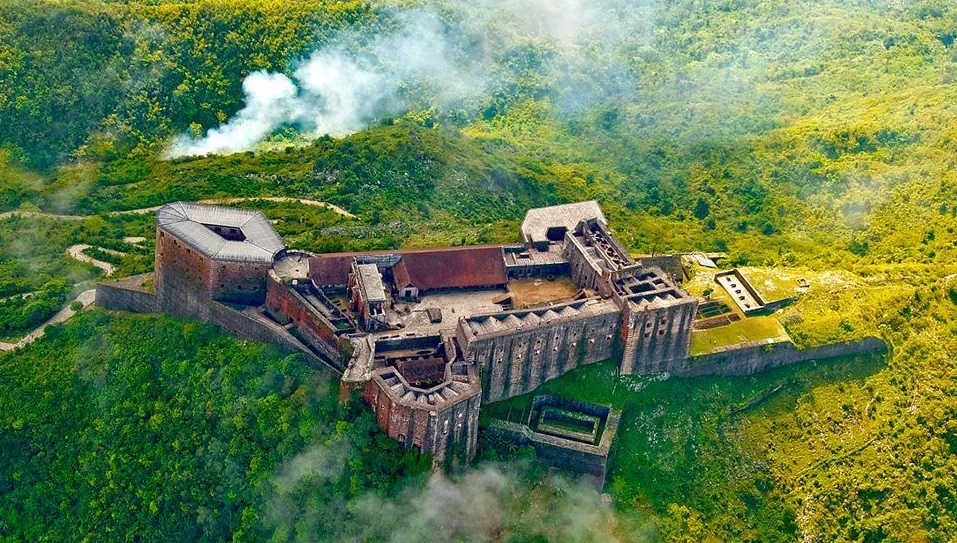
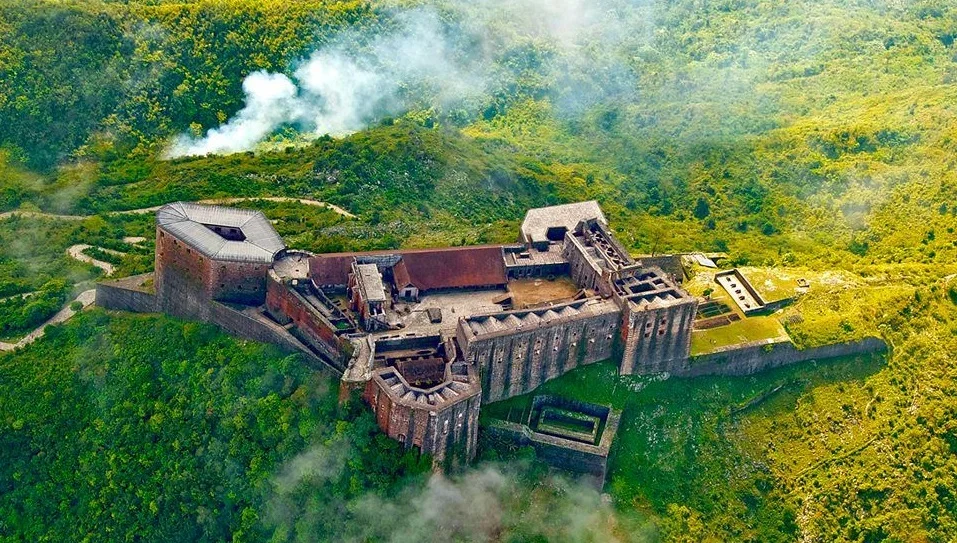
Haïti has a rich historical heritage, including sites like the Citadelle Laferrière and the Sans-Souci Palace, listed as UNESCO World Heritage Sites.

Culture

Culture

Haïti has a rich and diverse culture, influenced by African, European and indigenous elements. Haitian music, dance, art and cuisine are celebrated around the world.

  • +
    • Post