contact@haitiwonderland.com+509 36184317

Discover

Shopping Cart

What is the area of ​​Haiti?

What is the area of ​​Haiti?

Haiti, the pearl of the Antilles, is a country rich in history, culture and varied landscapes. In addition to its many attractions, it is interesting to dwell on a fundamental geographical aspect: its area. This article explores in detail the size of the Haitian territory, its geographical importance and its impact on the daily lives of Haitians.

The Area of ​​Haiti: A Geographic Introduction

Haïti occupies the western part of the island of Hispaniola, which it shares with the Dominican Republic. Its total area is approximately 27,750 square kilometers, making Haïti one of the smallest countries in the Americas. Despite its relatively modest size, the country presents an impressive geographical diversity with mountains, plains, coasts and valleys.

This area includes both the mainland and several adjacent islands, such as Île de la Gonâve, Île-à-Vache, and Les Cayemites.

A Comparison with Other Countries

To better understand the size of Haiti, it may be useful to compare it with other countries or regions:
- Haïti is slightly smaller than Belgium (30,528 km²).
- It is smaller than Cuba, its Caribbean neighbor, which has an area of ​​over 110,000 km².
- In Latin America, Haïti is among the smallest states, but it is still larger than some microstates such as Barbados (430 km²) or Saint Kitts and Nevis (261 km²).

These comparisons show that although modest in size, Haïti holds a strategic geographic place in the Caribbean.

A Contrasting and Diverse Relief

Haiti’s surface area is far from uniform: approximately 80% of its territory is made up of mountains, earning it the nickname “country of mountains”. The highest point in the country is Pic la Selle, which rises to 2,680 meters above sea level.

The rest of the country is made up of fertile plains, such as the Plaine du Cul-de-Sac, and spectacular coastlines bordered by the Caribbean Sea and the Atlantic Ocean. These varied reliefs influence not only the climate but also the country’s lifestyles, economic activities and infrastructure.

The Impact of Surface Area on Population

With a population of approximately 12 million, Haïti is one of the most densely populated countries in the Caribbean. The country’s relatively small area creates an average density of about 430 inhabitants per square kilometer. This density is even higher in urban areas such as the capital, Port-au-Prince, where infrastructure is under significant pressure.

However, some rural areas, particularly the mountains, remain sparsely populated due to difficult access and sometimes harsh living conditions.

Ecological and Strategic Importance

Despite its small size, Haïti has a rich biodiversity. Its mountains are home to unique plant and animal species, while its coasts and mangroves play a key role in the Caribbean marine ecosystem. Sustainable management of this area is therefore essential to preserve this natural wealth.

Strategically, Haïti is located at an important maritime crossroads, connecting the Atlantic Ocean to the Caribbean Sea. Its geographical position makes it a key player in regional trade.

A Surface Area That Hides Great Wealth

Haiti’s surface area, although modest, contains incredible geographic, cultural and ecological wealth. Each square kilometer of the territory tells a story: that of a resilient people, a unique biodiversity and a precious historical heritage.

Understanding the size and diversity of the Haitian territory allows us to better appreciate the complexity and beauty of this fascinating country, a true jewel of the Caribbean.

Share
About the Author
Appolon Guy Alain
Appolon Guy Alain
Appolon Guy Alain

Full Stack Developer, Créatif, expérimenté, passionné des nouvelles technologies et de l’art.

See other articles from Appolon Guy Alain
Leave a comment

Recently Posted

Newsletter

Subscribe to our newsletter to stay informed of all our activities and news on Haiti.

Christmas in Haiti: Between Magic, Discoveries and Delicacies

The joyful ringing of bells echoes through the streets of Haïti as the holiday season approaches. Christmas is a magical time when the streets light up, families gather and a warm atmosphere invades the island. Between traditions, cultural discoveries and gourmet feasts, Christmas in Haïti promises a unique experience. b~The Magic of Lights and Decorations~b From the beginning of December, Haïti is adorned with sparkling lights and festive decorations. The markets come alive with shimmering garlands, twinkling stars and ornate fir trees. The streets of Port-au-Prince in Jacmel shine with a special magic, inviting locals and visitors to immerse themselves in the festive spirit. b~Haitian Traditions at Christmas~b Christmas in Haïti is celebrated with a unique combination of religious traditions and local customs. Midnight Mass is a deeply rooted tradition, drawing worshipers to churches to celebrate the birth of Jesus in a vibrant atmosphere of song and prayer. A popular tradition is the "Dawn Mass" which takes place at dawn on December 25. The faithful gather to welcome Christmas Day with special fervor, testifying to the deep spirituality that permeates the festivities. The festivities are not limited to churches. Street parades, folk dances and concerts are commonplace, creating a joyful atmosphere throughout the country. Traditional Haitian music, such as direct compass and voodoo, adds a special dimension to these celebrations. b~Cultural Discoveries: Haitian Crafts~b Christmas is also an ideal opportunity to discover unique Haitian crafts. Christmas markets offer a variety of handicrafts, such as wooden sculptures, vivid paintings, wrought iron items and traditional jewelry. These works of art reflect the artistic talent of the Haitian people and provide unique and meaningful gifts. Local markets, such as the Ferrier market in Cap-Haitien and the Jacmel market, are essential places to discover the authenticity of Haitian crafts. These purchases also help support local artists and the community economy. b~Gourmet Feasts: Christmas Cuisine~b Christmas in Haïti is also a gastronomic celebration. Families gather around festive tables laden with traditional culinary delights. “Joumou soup”, a pumpkin soup, is an essential specialty of the holiday season. Pork, lamb and chicken dishes are also common, accompanied by rice and local vegetables. Traditional desserts, such as “Pen patat” and “Tablèt Pistach,” add a sweet touch to the celebration. Tropical fruits, such as mangoes and bananas, are also often present on Christmas tables, recalling the richness of Haitian biodiversity. Christmas in Haïti is a vibrant celebration that blends the magic of lights, religious traditions, local crafts and delicious cuisine. It is a time when joy and generosity are in the spotlight, and when Haitians open their hearts to share the magic of the season with the world.


Recently Posted

History

History

First black nation to free itself from slavery and gain independence from France in 1804 and influenced other liberation movements around the world, inspiring struggles for freedom and equality.

Natural beauty

Natural beauty

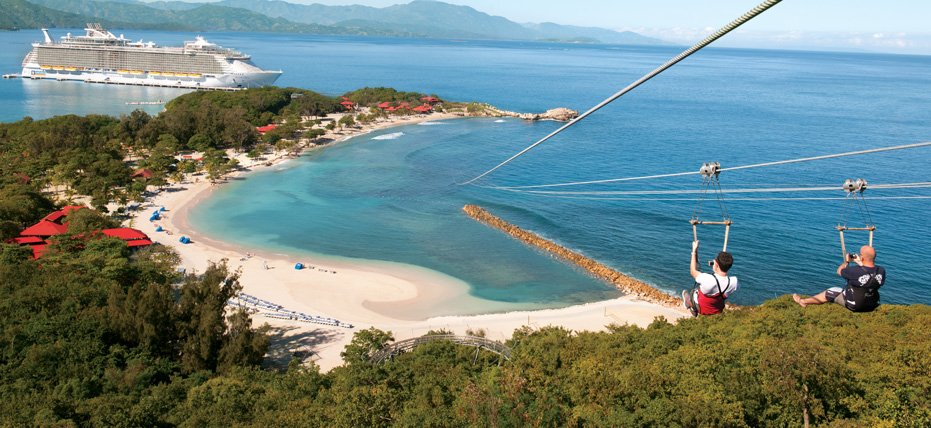
Haïti is blessed with spectacular natural landscapes, including white sand beaches, mountains and rich biodiversity.

Heritage

Heritage

Haïti has a rich historical heritage, including sites like the Citadelle Laferrière and the Sans-Souci Palace, listed as UNESCO World Heritage Sites.

Culture

Culture

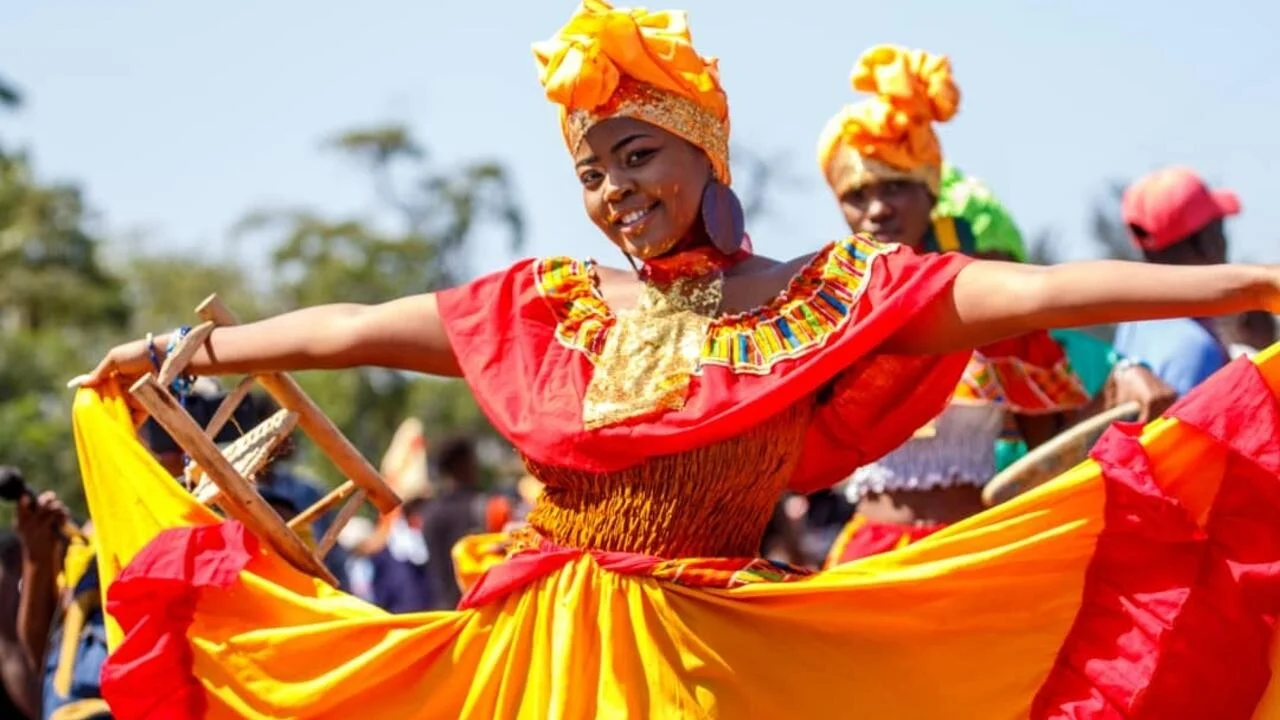
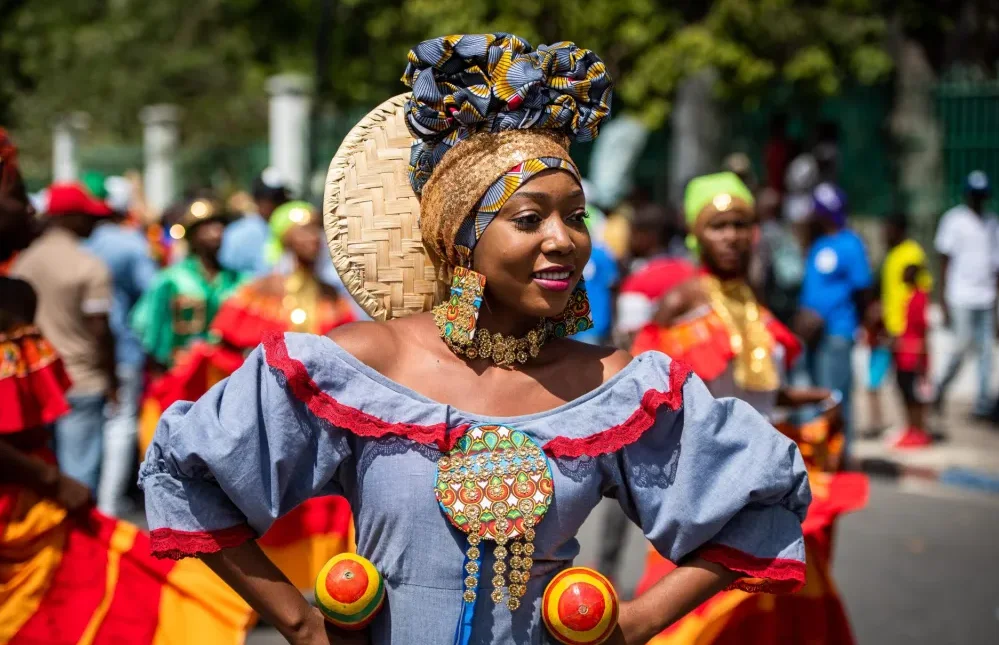
Haïti has a rich and diverse culture, influenced by African, European and indigenous elements. Haitian music, dance, art and cuisine are celebrated around the world.

  • +
    • Post