The Haitian flag is much more than just a national symbol: it is a living testimony to the struggle for independence and Haitian identity. Born in the midst of the revolution against French colonization, it carries within it the values of freedom, courage and unity that characterize the Haitian nation. Let’s dive into the fascinating history of this emblematic flag.
The history of the Haitian flag dates back to May 18, 1803, the day Haitian revolutionary leaders met at the Arcahaie Congress, a crucial step in the quest for independence.
According to legend, Jean-Jacques Dessalines, one of the leaders of the revolution, took a French flag and tore off the white stripe, a symbol of colonial oppression, to keep only the blue and red stripes. These two colors were later sewn together by Catherine Flon, a heroic figure in Haitian history, to represent the unity between blacks and mulattos in the fight for freedom.
- Key date: May 18 is now celebrated every year as Flag Day in Haiti.
- Historical place: The village of Arcahaie is considered the birthplace of the Haitian flag.
The Haitian flag has undergone several modifications since its creation, reflecting the political developments in the country:
1. 1803: The first flag, blue and red, is designed to symbolize unity.
2. 1805: After the proclamation of independence, Dessalines introduces a black and red flag, associated with the Haitian Empire.
3. 1820: Blue and red are reintroduced under the presidency of Jean-Pierre Boyer, marking the return to the republic.
4. 1936: The addition of the national emblem (a palm tree topped with the Phrygian cap and surrounded by cannons) on a white stripe in the center of the blue and red flag becomes official.
Today, the blue and red flag with the national emblem is a symbol of unity and sovereignty recognized throughout the world.
Each element of the Haitian flag carries a deep meaning:
- Blue: Represents black citizens and the hope for a better future.
- Red: Symbolizes mulatto citizens and the blood shed for freedom.
- The national emblem: Incorporates elements such as the palm tree (resilience), cannons (defense), and the Phrygian cap (freedom). The motto "Unity is strength", written under the emblem, recalls the importance of national unity.
These symbols embody the collective identity and aspirations of the Haitian people.
- 1803: Year of creation of the first Haitian flag.
- 2 main colors: Blue and red.
- 1 emblem: Officially integrated in 1936.
- May 18: Date dedicated to the celebration of the flag, also marking University Day.
The Haitian flag is a symbol of pride and history, celebrated by millions of Haitians each year.
The Haitian flag is not limited to the country’s borders. Indeed, it has inspired liberation movements around the world, symbolizing resilience and the quest for justice.
In Latin America, Haiti’s participation in the struggle for independence of several nations reinforced its role as a model of resistance against oppression. Today, the Haitian diaspora continues to proudly wave this flag at cultural and political gatherings across the globe.
The history of the Haitian flag is a powerful testament to the fight for freedom and equality. Every May 18, Haitians around the world come together to honor this symbol and recall the importance of national unity.
Whether you are in Haïti or elsewhere, the blue and red flag invites you to celebrate the spirit of resistance and solidarity that defines the Haitian people. If you would like to learn more about the history or share your anecdotes, leave a comment!
Share
About the Author
Appolon Guy Alain
Appolon Guy Alain
Full Stack Developer, Créatif, expérimenté, passionné des nouvelles technologies et de l’art.
First black nation to free itself from slavery and gain independence from France in 1804 and influenced other liberation movements around the world, inspiring struggles for freedom and equality.
Natural beauty
Haïti is blessed with spectacular natural landscapes, including white sand beaches, mountains and rich biodiversity.
Heritage
Haïti has a rich historical heritage, including sites like the Citadelle Laferrière and the Sans-Souci Palace, listed as UNESCO World Heritage Sites.
Culture
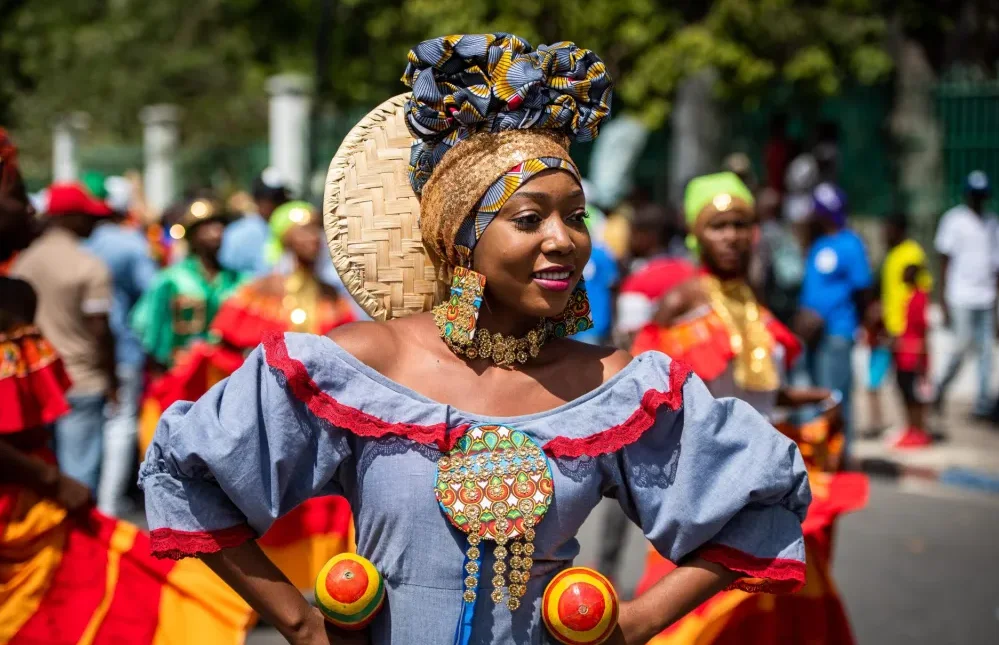
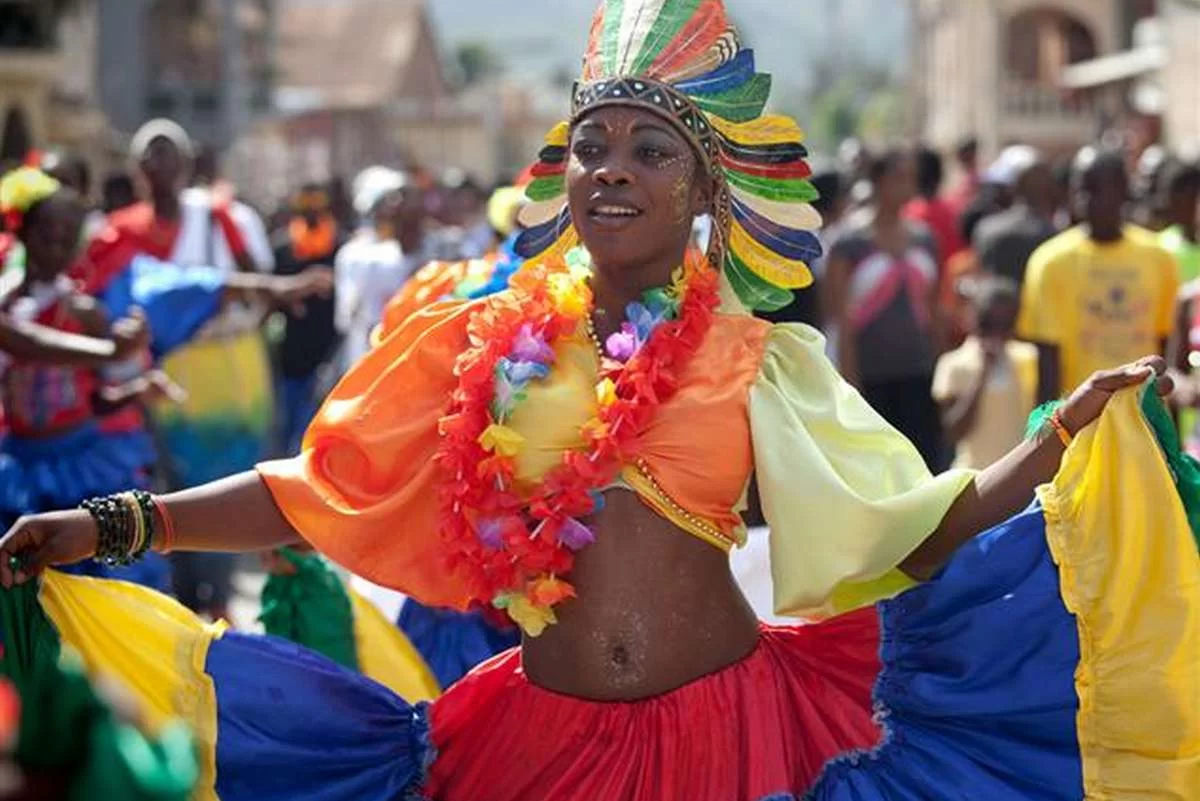
Haïti has a rich and diverse culture, influenced by African, European and indigenous elements. Haitian music, dance, art and cuisine are celebrated around the world.


























Merci pour ce document. Tres instructif.
May 16, 2025 - 09:33:22 PMBonjour mwen vle konnen èske si yon l'église gen yon drapeau ayisyen ladanl ?
January 25, 2026 - 05:55:58 AM