contact@haitiwonderland.com+509 36184317

Discover

Shopping Cart

Article 1 of the Haitian Constitution: The 6 Terms that Define the Republic of Haiti

Article 1 of the Haitian Constitution: The 6 Terms that Define the Republic of Haiti

Article 1 of the Haitian Constitution of 1987, amended in 2011, establishes the foundations of national identity. In one concise but powerful sentence, it states that Haïti is an indivisible, sovereign, independent, free, democratic and social Republic. These six terms reflect the fundamental values ​​and collective aspirations of the Haitian nation, forged through a rich and tumultuous history.

ARTICLE 1: Haïti is a Republic, indivisible, sovereign, independent, cooperative, free, democratic and social.


Let’s discover the meaning and importance of each of these principles in the context of the Republic of Haiti.

Haïti
Haïti
Haïti

1. Indivisible: National Unity Above All

Indivisibility ensures that Haïti forms a whole, unified and inseparable. This means that its territory, its people and its government cannot be divided, neither by internal conflicts nor by external influences.

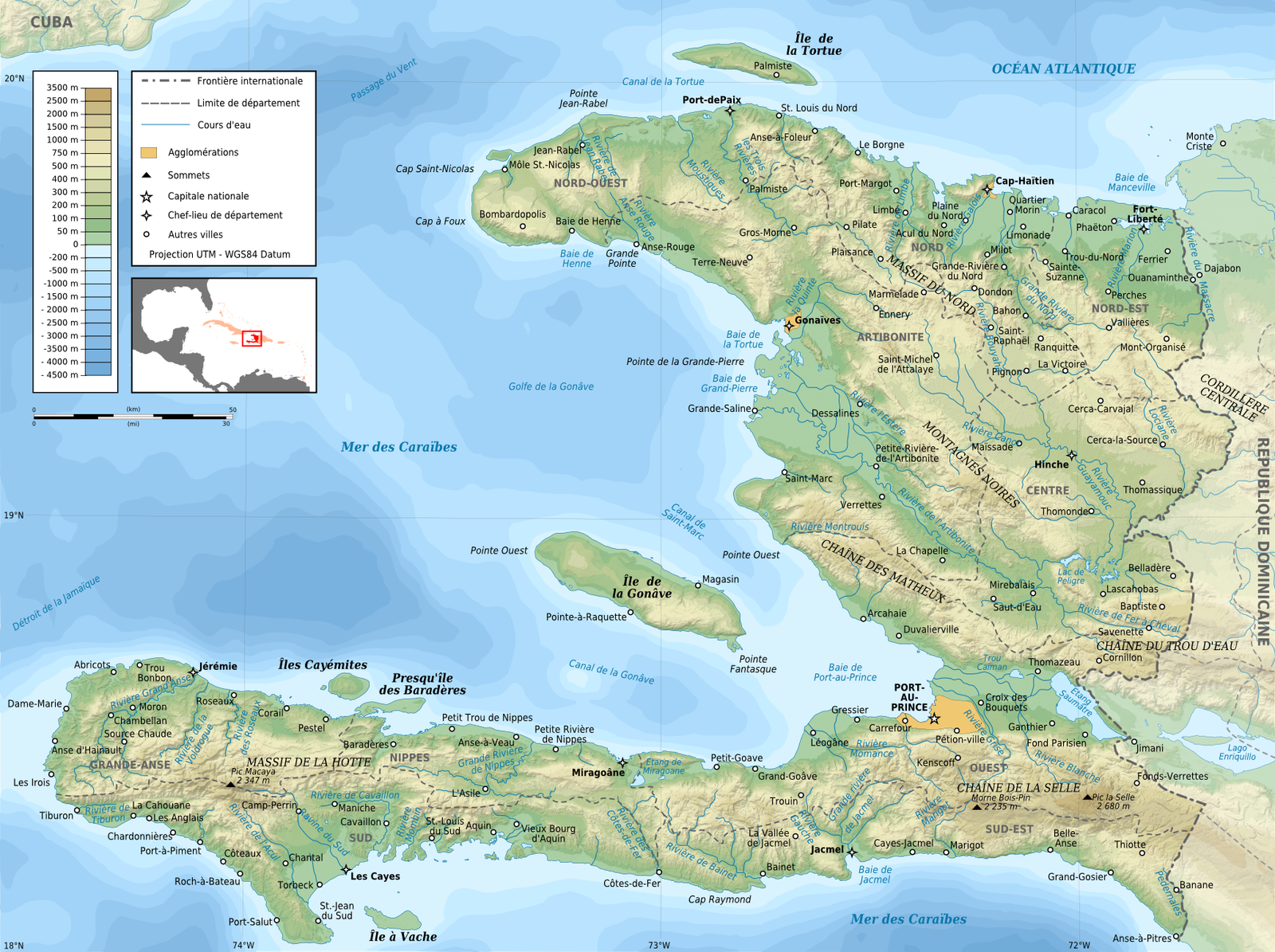
- Key figure: Haïti has 10 administrative departments, but they all operate under a single national entity.
- Concrete example: The national motto, "Unity is Strength," illustrates this commitment to unity.

Haïti
Haïti
Haïti

2. Sovereign: A Country Master of Its Destiny

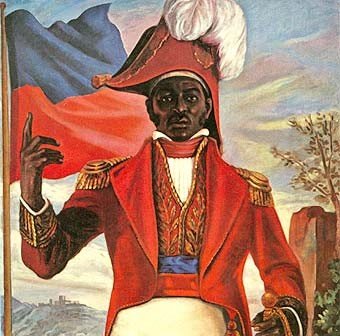
Sovereignty symbolizes political independence and Haiti’s ability to govern without foreign interference. Since its declaration of independence in 1804, Haïti has remained a model of resistance and self-determination.

- Key figure: Haïti is the first sovereign black republic in the world.
- Historical fact: The Battle of Vertières in 1803 marked the defeat of the Napoleonic army and affirmed Haitian sovereignty.

Haïti
Haïti
Haïti

3. Independent: a historic struggle for freedom

Being independent means that Haïti is free from any foreign domination. This independence was won through the Haitian Revolution, a movement that overturned the colonial and slave systems of the time.

- Notable fact: Haïti inspired other nations fighting for independence, particularly in Latin America.
- Key figure: January 1, 1804 official date of the declaration of independence.

Haïti
Haïti
Haïti

4. Free: a fundamental pillar

Freedom is at the heart of Haitian values. This principle guarantees that every citizen enjoys fundamental rights and freedoms, including freedom of expression, worship and association.

- Concrete example: Haïti is a country where different religions coexist harmoniously, including Catholicism, Protestantism and Voodoo.
- Key figure: More than 500,000 slaves were freed thanks to the Haitian Revolution.

Haïti
Haïti
Haïti

5. Democratic: the voice of the people above all

As a democratic republic, Haïti values ​​citizen participation in political decisions. Although the country has experienced periods of turbulence, the democratic ideal remains an essential objective.

- Notable fact: The first universal democratic elections were held in 1990.
- Key figure: Haïti has approximately 7 million registered voters.

Haïti
Haïti
Haïti

6. Social: a commitment to justice and equity

The social character of the Republic emphasizes the reduction of inequalities and the promotion of collective well-being. This includes initiatives to improve education, health, and living conditions for citizens.

- Concrete example: Community programs aim to strengthen infrastructure and reduce poverty.
- Notable fact: Approximately 60% of the Haitian population depends on agriculture for their livelihood, highlighting the importance of social policies.

An article that embodies the essence of Haiti

Article 1 of the Haitian Constitution is much more than a legal text. It is a declaration of the values ​​and aspirations of a nation proud of its history and identity. These six terms indivisible, sovereign, independent, free, democratic, and social encapsulate the vision of a unified, strong, and resilient Haiti.

By celebrating these principles, every Haitian is called to contribute to a Republic that honors its past while building a promising future.

Share
About the Author
Appolon Guy Alain
Appolon Guy Alain
Appolon Guy Alain

Full Stack Developer, Créatif, expérimenté, passionné des nouvelles technologies et de l’art.

See other articles from Appolon Guy Alain
Leave a comment

Recently Posted

Newsletter

Subscribe to our newsletter to stay informed of all our activities and news on Haiti.

Caractéristique d’un lapin

Les lapins sont des mammifères appartenant à la famille des Leporidae. Voici quelques-unes de leurs caractéristiques principales : 1. **Physique** : Les lapins ont un corps couvert de fourrure douce, des oreilles longues et droites, de grands yeux sur les côtés de leur tête, et une queue courte et duveteuse. Ils possèdent de puissantes pattes arrière adaptées au saut. 2. **Taille et poids** : La taille et le poids peuvent varier considérablement selon la race, allant d’environ 500 grammes pour les plus petits à plus de 5 kilogrammes pour les plus grands. 3. **Comportement** : Les lapins sont connus pour être sociaux et peuvent vivre en groupes dans la nature. Ils communiquent entre eux par différents moyens, y compris par des sons et des mouvements corporels. Les lapins creusent des terriers pour y vivre et se protéger des prédateurs. 4. **Alimentation** : Ils sont herbivores, se nourrissant principalement de foin, d’herbes, de feuilles, de fleurs, et de certains légumes. Leur système digestif est adapté pour traiter une grande quantité de fibres. 5. **Reproduction** : Les lapins sont réputés pour leur capacité à se reproduire rapidement, avec des gestations courtes d’environ 28 à 31 jours. Une portée peut compter de un à douze lapereaux, selon la race. 6. **Sens** : Ils ont une excellente vision périphérique pour détecter les mouvements tout autour d’eux, mais ont une zone aveugle juste devant leur nez. Leur ouïe est également très développée, leur permettant de capter des sons à de grandes distances. 7. **Espérance de vie** : En captivité, les lapins peuvent vivre de 7 à 10 ans, selon la race et les soins prodigués, tandis que dans la nature, leur espérance de vie est généralement plus courte en raison des prédateurs et des maladies. Ces animaux nécessitent des soins appropriés, notamment un régime alimentaire équilibré, de l’exercice, et une attention particulière à leur bien-être émotionnel et physique pour vivre une vie saine et heureuse en captivité.

Cultural exploration: Discovering the Haitian soul

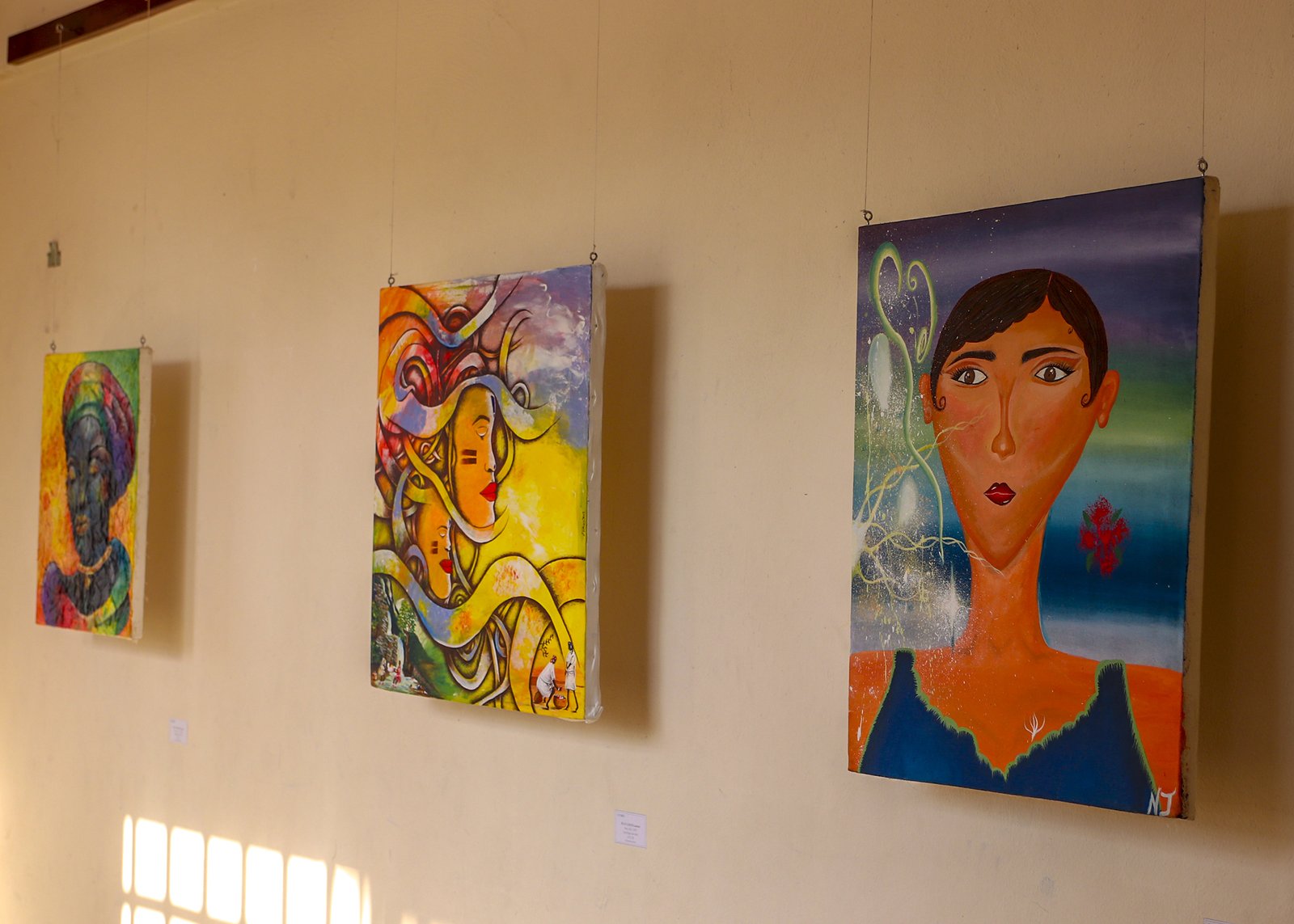
Cultural exploration offers a fascinating window into the richness and diversity of world heritage. Among destinations that captivate with their history, art and unique identity, Haïti stands out as a cultural gem worth discovering. b~Historical heritage:~b The history of Haïti is marked by the resilience of the Haitian people in the face of slavery, colonization and political challenges. It is the first independent state in Latin America and the only one founded by a successful slave revolt. Haiti’s historical heritage is reflected in its art, music, dance and beliefs. b~Art and Crafts:~b Haitian artistic expression is vibrant and powerful. Naive painting, famous for its bright colors and narrative themes, has its roots in Vodou traditions and local folklore. Haitian artists have gained international fame by capturing the mystical spirit and daily life of the country. b~Music, rhythm of the Haitian soul:~b Music is the pulsating soul of Haiti. From direct compass to voodoo to jazz to rasin, each musical genre has a deeply rooted history in Haitian culture. The iconic band, Boukman Eksperyans, fuses traditional rhythms with modern influences, creating a unique sonic experience that transcends boundaries. b~Dance and movements:~b Dance in Haïti is a celebration of life and spirituality. Voodoo dances, such as Yanvalou and Banda, embody sacred rituals while preserving African heritage. The graceful movements and colorful costumes tell stories from Haitian history, creating a deep connection between past and present. b~Spirituality and Voodoo:~b Vodou, often misunderstood, is an essential component of Haitian culture. It is a syncretic religion that combines African, Native American and Catholic elements. Vodou ceremonies, with their intoxicating dances and mystical rituals, are powerful expressions of Haitian spirituality and are rooted in the quest for connection with ancestors and deities. Exploring the Haitian soul means delving into a world where history, art, music and spirituality intertwine to form a unique cultural web. Haiti, with its diversity and resilience, offers an experience rich in emotions and discoveries. Whether through the bustling streets of Port-au-Prince, the vibrant art galleries or the captivating rhythms, every corner of this Caribbean country reveals a captivating facet of its deep and living soul.

Recently Posted

History

History

First black nation to free itself from slavery and gain independence from France in 1804 and influenced other liberation movements around the world, inspiring struggles for freedom and equality.

Natural beauty

Natural beauty

Haïti is blessed with spectacular natural landscapes, including white sand beaches, mountains and rich biodiversity.

Heritage

Heritage

Haïti has a rich historical heritage, including sites like the Citadelle Laferrière and the Sans-Souci Palace, listed as UNESCO World Heritage Sites.

Culture

Culture

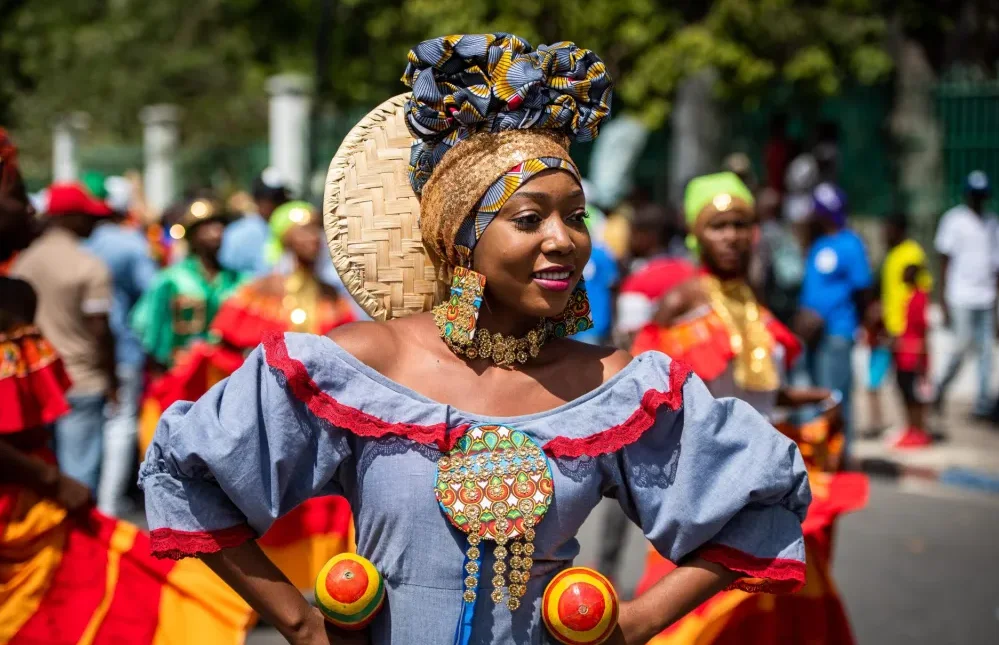
Haïti has a rich and diverse culture, influenced by African, European and indigenous elements. Haitian music, dance, art and cuisine are celebrated around the world.

  • +
    • Post