contact@haitiwonderland.com+509 36184317

Discover

Shopping Cart

What is the most important holiday in Haiti?

What is the most important holiday in Haiti?

In Haiti, holidays are of particular importance, as they are a way to celebrate the country’s history, culture, and identity. However, one of the nation’s biggest holidays is January 1st, which marks Haiti’s independence. Find out why this day is so significant to Haitians and how it is celebrated across the country.

Haïti
Haïti
Haïti

January 1st: Haiti’s Independence Day

January 1st is arguably the most important holiday of the year in Haiti. It commemorates the country’s independence, gained in 1804, when Haïti became the first country in the Americas and the second in the world (after the Republic of Santo Domingo) to abolish slavery and establish itself as a black republic. This day symbolizes the end of centuries of colonization, exploitation, and oppression, and marks the beginning of a new era of freedom for the Haitian people.

Haitian independence was the result of a victorious revolution led by slaves, primarily of African descent, who fought against the French colonizers. The success of this revolution was a landmark event, not only for Haiti, but for the entire world, as it inspired other liberation and anti-slavery movements around the world.

Haïti
Haïti
Haïti

Independence Day Celebrations: An Act of Remembrance and Pride

On January 1, the celebration of independence begins with official ceremonies that take place in the capital, Port-au-Prince, as well as in other cities across the country. These events are marked by speeches, patriotic songs, military parades, and prayers to honor the heroes of the revolution.

On this occasion, a special mass is celebrated in churches, and the President of the Republic takes part in wreath-laying ceremonies at the foot of national monuments dedicated to independence heroes, such as Jean-Jacques Dessalines and Toussaint Louverture.

In Haitian homes, the day is an opportunity to gather with family and celebrate with traditional meals, including the famous soupe joumou, a symbolic dish that dates back to the period of slavery. This meal is an act of remembrance and a tribute to the ancestors who fought for freedom.

Haïti
Haïti
Haïti

Soup Joumou: A Symbolic Dish of Independence

One of the most significant aspects of Haitian Independence Day is the consumption of soupe joumou, a traditional squash dish. During the colonial period, soupe joumou was a dish reserved for French colonists, while slaves were not allowed to touch it. After the victory of the slaves in the revolution, soup joumou became a symbol of freedom and regained dignity.

On January 1st, Haitians from all walks of life come together to prepare and enjoy this dish, marking the unity of the Haitian people and the triumph over oppression. Soup joumou is more than just a meal; it is the embodiment of resistance, reconciliation, and the celebration of freedom.

Haïti
Haïti
Haïti

The Meaning of January 1st to Haitians

January 1st is more than just a date on the calendar. It is a day when Haitians remember their struggle for freedom and their victory over colonialism. This holiday is an opportunity to celebrate the resistance, resilience, and unity of the Haitian people. It is a reminder that independence was not only a political event, but a moment of social transformation and collective liberation.

It is also a day of reflection on the future of the country, where Haitians reaffirm their commitment to social justice, freedom and equality. Speeches delivered on this occasion call for national unity and the reconstruction of the country, in accordance with the ideals of equality and solidarity that presided over the founding of the nation.

Haïti
Haïti
Haïti

Independence: A Source of National Pride

Haiti’s independence remains a source of national pride and a symbol of Haitians’ ability to fight for their dignity and rights. January 1st is an opportunity to reaffirm Haitian identity, celebrate the heritage of ancestors and strengthen the ties that unite Haitians, both within the country and abroad.

For Haitians, this holiday is an expression of a spirit of independence and freedom that has endured through generations, making January 1st a date that deeply marks the history and culture of the country. Each year, this celebration takes on a more than symbolic character; it is a living tribute to past struggles and the promise of a better future for Haiti.

Share
About the Author
Appolon Guy Alain
Appolon Guy Alain
Appolon Guy Alain

Full Stack Developer, Créatif, expérimenté, passionné des nouvelles technologies et de l’art.

See other articles from Appolon Guy Alain
Leave a comment

Recently Posted

Official launch of “Ewo” Beer: Haitian Pride across the World

December 1 marked an exceptional moment for the Haitian community and beer lovers around the world, with the official launch of “Ewo” beer by Haitian entrepreneur Jhonson Napoléon. After the success of “Kola Choucoune”, already present in several countries, including the United States and Canada, it is the turn of “Ewo” beer to take the American market by storm. Available in several cities in the United States, this beer embodies the perfect marriage between tradition and innovation, offering consumers a unique taste experience. “Ewo” beer is much more than just an alcoholic beverage. It is a delight that skillfully blends the authentic flavors of Haitian culture with a touch of innovation. In a country where Prestige beer and Barbancourt rum have already conquered palates around the world, “Ewo” beer is proudly added to the list of Haitian taste treasures. Jhonson Napoléon, the man behind this new creation, continues to fly the colors of Haïti across the globe. His commitment to promoting quality Haitian products continues to strengthen the reputation of his country of origin. “Ewo” beer is not just a drink, it is a symbol of Haitian creativity and perseverance that transcends borders. This new step demonstrates the country’s ability to be part of the global trend for quality craft beers. “Ewo” beer is not only a leading local product, but it also stands out on the international scene as the representative of a rich and dynamic culture. The pride that Haitians feel for the success of Jhonson Napoléon and the growing fame of “Ewo” beer is palpable. It is a success story that transcends geographic boundaries and embodies the strength of the Haitian entrepreneurial spirit.

Newsletter

Subscribe to our newsletter to stay informed of all our activities and news on Haiti.

Living in Prose and Poetry: an unmissable summer event in Port-au-Prince.

Living in Prose and Poetry is an artistic and cultural event organized by the cultural organization Salon de Livre de Port-au-Prince (OCSLPAP) with the aim of bringing together young artists from the Haitian capital to exhibit them to a large audience . This edition will take place on Saturday July 27, 2024, at the pyépoudré cultural center, located at number 332 on the Route de Bourne. This year the organizers announce their mission is to bring together talents from various categories of arts, always with the aim of helping them to become familiar with each other, and to help create a solid link between them and the Haitian public. . The categories targeted by the organizers for this second edition are young poets, slammers, comedians, rappers, dancers, singers, painters, and writers who have already published at least one work. Living in prose and poetry will also be an opportunity to encourage Haitian youth to think. The first part of the event will be devoted to a discussion around a text by the famous Haitian writer Louis Philippe Dalembert, entitled The Other Face of the Sea. It is a novel which carefully addresses the subject of immigration and detachment that goes with it in the immigrant’s skin. It is a book that speaks openly to the reality of the Haitian people today. It has already been announced that this first part will be moderated by the journalist and literary critic Carl Pierrecq who works for the short story writer, and moderation will be provided by Pierre Marie, a young sociology student at the Faculty of Human Sciences (FASCH). After a largely successful first edition which took place in May 2023 in the premises of the municipal library of Delmas, the organizers of living in prose and poetry say they are determined and have made the promise for this year to deliver to the public port-au -princien, a cultural event of exceptional scale for the second outing. Once again, this will be the perfect opportunity to celebrate the great richness of Haitian culture through the organs of our young talents. Given the difficult context, manifested by the almost daily situation of insecurity which has prevailed for some time, in a good part of Port-au-Prince, the announcement of this event comes as a fresh breath of oxygen, scattered throughout the within the lungs of the city. It is yet another opportunity to remind through this artistic festivity that even in times of deep unrest, art will remain an indispensable light, because even in times of crisis, the latter and the artist (its channel of diffusion) will become refuges, sources of comfort and appeasement for all human souls.

Recently Posted

History

History

First black nation to free itself from slavery and gain independence from France in 1804 and influenced other liberation movements around the world, inspiring struggles for freedom and equality.

Natural beauty

Natural beauty

Haïti is blessed with spectacular natural landscapes, including white sand beaches, mountains and rich biodiversity.

Heritage

Heritage

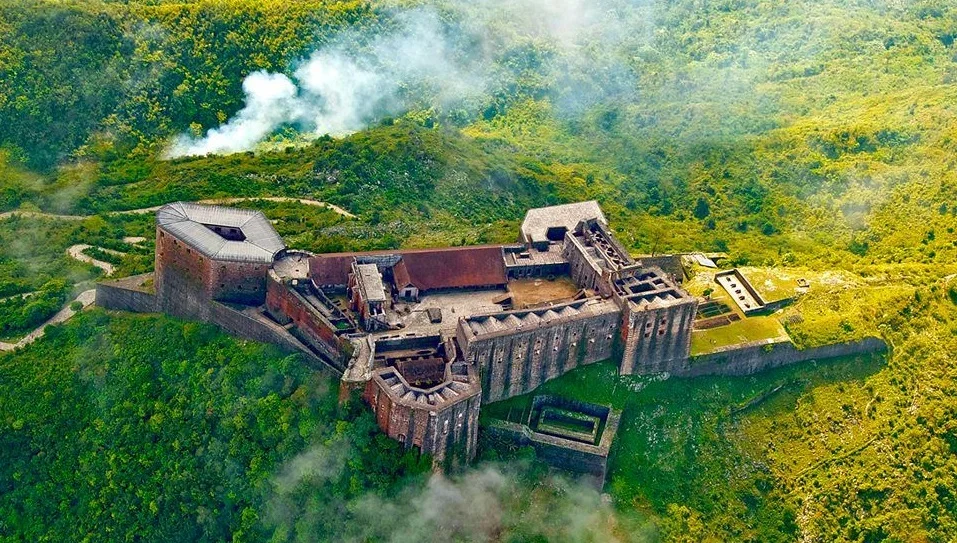
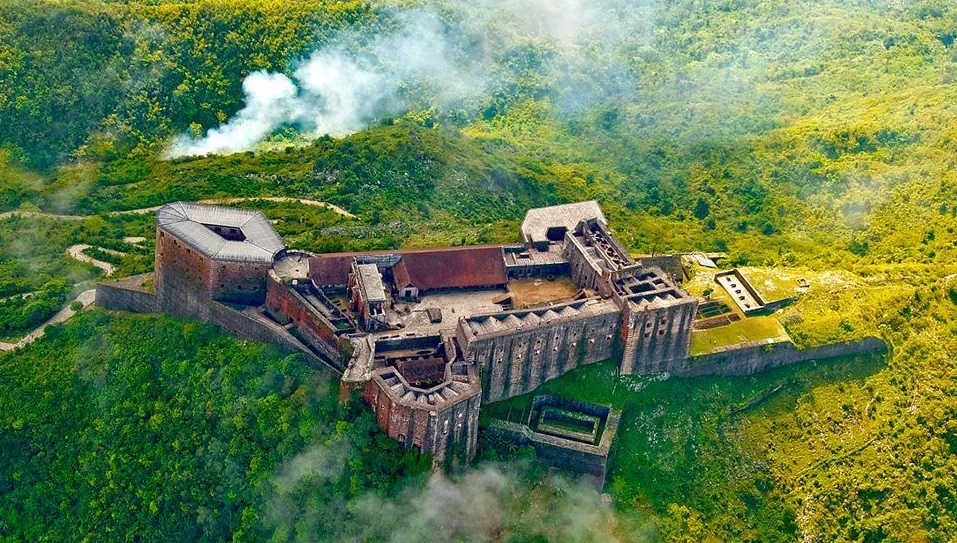
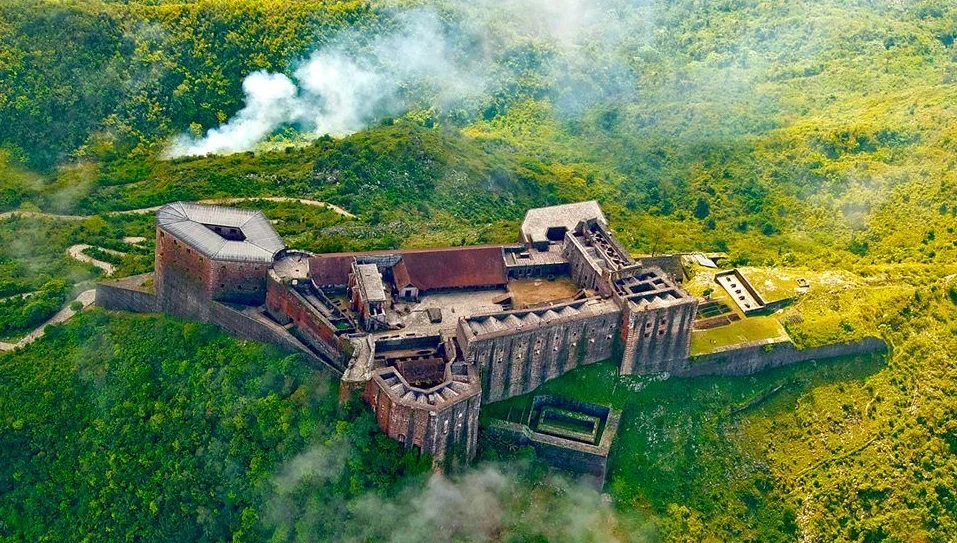
Haïti has a rich historical heritage, including sites like the Citadelle Laferrière and the Sans-Souci Palace, listed as UNESCO World Heritage Sites.

Culture

Culture

Haïti has a rich and diverse culture, influenced by African, European and indigenous elements. Haitian music, dance, art and cuisine are celebrated around the world.

  • +
    • Post