contact@haitiwonderland.com+509 36184317

Discover

Shopping Cart

What is the name of Haiti’s largest river?

What is the name of Haiti’s largest river?

Haiti’s largest river is called the Artibonite. This majestic waterway, which crosses the country from one end to the other, is a key element in the geography, economy and daily life of Haitians. With its crucial role in agriculture, its historical importance and its impact on the local ecosystem, the Artibonite deserves special attention. This article explores the many facets of this iconic river.

The Artibonite: A River of Exceptional Magnitude

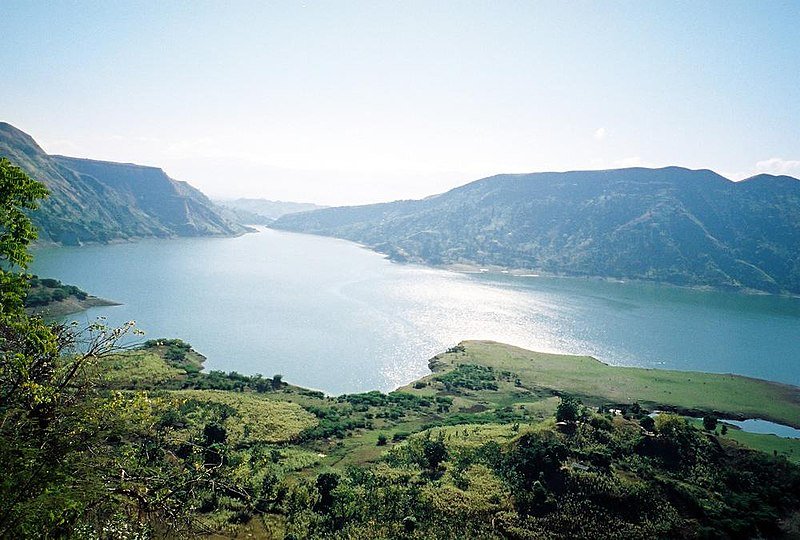
The Artibonite is Haiti’s longest river, with a length of approximately 320 kilometers. It rises in the mountains of the Dominican Republic, crosses the Haitian border and winds through the fertile valley that bears its name before emptying into the Gulf of Gonâve.

This river is a true artery of life for the region it irrigates. The Artibonite Valley is often referred to as the country’s “rice bowl,” due to the vast rice fields that depend on it. About 80% of Haiti’s rice production comes from this region, making the Artibonite a pillar of national food security.

A key role in agriculture and the economy

The Artibonite River is Haiti’s main irrigation system. Through irrigation projects such as the Péligre Dam, built in the 1950s, it provides water to thousands of hectares of arable land. In addition to rice, the region also produces corn, vegetables, and fruits, contributing to the local and national economy.

However, challenges abound. Soil erosion, caused by deforestation and poor land management, threatens the river’s ability to support agriculture. Reforestation and sustainable watershed management efforts are needed to preserve this vital ecosystem.

A historical and cultural heritage

The Artibonite is not only a natural resource; it is also deeply rooted in Haitian history and culture. The region around the river played a strategic role during the Haitian Revolution, hosting crucial battles that led to the country’s independence in 1804.

In addition, the river inspires many Haitian artists, writers, and musicians, who celebrate its beauty and importance in their works. It is often seen as a symbol of resilience and life for the Haitian people.

Some key figures about the Artibonite

- Total length: approximately 320 km, much of which flows through Haiti.
- Watershed area: approximately 9,500 km², covering a region rich in biodiversity.
- Rice production: The Artibonite Valley accounts for approximately 80% of Haiti’s rice production, feeding millions of people.
- Péligre Dam: Built on the river, it generates a significant portion of the country’s electricity while providing irrigation.

An ecosystem to preserve

The Artibonite is home to unique biodiversity, but it faces growing environmental challenges. Pollution, uncontrolled sand mining, and deforestation are affecting water quality and aquatic life. Conservation and environmental education initiatives are crucial to ensure the river continues to support life in Haiti.

Local and international organizations are working to raise awareness among communities about the importance of protecting the river. These efforts include planting trees, building dikes, and promoting sustainable agricultural practices.

The Artibonite, a national treasure

The Artibonite River is much more than just a body of water: it is an agricultural engine, a source of energy, and a historical symbol for Haiti. Its protection is essential not only for the communities that directly depend on it, but also for the future of the entire country.

Whether for its economic role, its rich history, or its natural beauty, the Artibonite is a river that Haïti can be proud of. If you have had the opportunity to visit the region or discover the river, do not hesitate to share your experiences in the comments!

Share
About the Author
Haïti Wonderland
Haïti Wonderland
Leave a comment

Recently Posted

Newsletter

Subscribe to our newsletter to stay informed of all our activities and news on Haiti.

Haïti / Fort Saint-Joseph: Historical Vestige of the Resistance

Located in the Bay of Cap-Haitien, Fort Saint-Joseph stands like a silent guardian of Haiti’s tumultuous history. Built in two stages, in 1748 and 1774, this defensive work was once a crucial element of the city’s protection system against French colonial assaults. Alongside other forts such as Picolet and Magny, its mission was to control maritime passages and defend Haitian sovereignty. However, its history is not limited to its defensive function. In 1802, then under the control of General Henry Christophe, the fort became the scene of a heroic act of resistance. Faced with the French expeditionary army, Christophe ordered the destruction of the powder magazine and the entrance gate to the fort, thus rendering it temporarily unusable. This courageous gesture, although tactical, left indelible scars on the very structure of the fort, testifying to the fierce clashes between French colonial forces and Haitian resistance fighters. These historic marks, still visible today, offer a window into the country’s tumultuous past. They allow visitors and historians to interpret the fierce struggles that forged Haitian identity. Fort Saint-Joseph, as a witness to the resistance and the struggle for freedom, embodies the indomitable spirit of the Haitian people. Recognizing its historical significance, the Haitian government officially classified Fort Saint-Joseph as national heritage in 1995. This recognition paved the way for restoration efforts aimed at preserving this precious vestige of Haitian military heritage. Thanks to collaboration between the public sector and local private funding, the fort has recently been restored and enhanced. Thus, Fort Saint-Joseph remains much more than a simple stone structure. It is a living symbol of the resilience and determination of the Haitian people, reminding all visitors that Haiti’s history is deeply rooted in the struggle for freedom and human dignity. To virtually discover this jewel of Haitian history, you can visit the following link: https://haitiwonderland.com/haiti-virtual-reality-ht/monuments-histoire/haiti--fort-saint-joseph--visite- virtual/11

Conference / Festival Quatre Chemins / 21st edition

The impact of collective and individual trauma on the personal development of young people in Port-au-Prince While writers, actors, dancers, poets, among others, have gratified us with their performances, the master’s degree student in psychology at the Faculty of Human Sciences (FASCH), Lourdya Blaise, spoke with the audience about trauma. Structured around the theme "Youth and Trauma, analysis of the impact of collective and individual trauma on the personal development of young people living in Port-au-Prince between 2010-2024", this conference gave rise to enriching discussions. During this meeting, moderated by Michaël Formilus, Ms. Blaise showed how the events that have taken place in the country have caused cases of trauma among Haitians. According to the student, citing the American Psychological Association, we speak of trauma as a consequence of trauma. The latter is explained by the fact that we feel threatened, whether it is the person in question or their loved ones. However, she specifies that a collective trauma remains depending on the impact that the event has on the individual. To illustrate her remarks, she mentioned the earthquake of January 12, 2010, considered a collective trauma, insofar as it still occupies our minds. This tragedy reminds us of the disappearance of our loved ones and enormous losses. This is the case of a trauma that becomes a collective trauma. For the student, it should be emphasized that when an event occurs, some people are traumatized and others are not. According to him, the violence of armed gangs is not perceived in the same way, says Ms. Blaise. There are people who have fled their homes but are not traumatized. In fact, some people see traumatic situations as a passing event, she says. The speaker also spoke about collective trauma, which, according to him, preoccupies the mind, even if we no longer experience it. It manifests itself in several forms: lack of sleep, fear psychosis, intrusive thoughts, intense heartbeat, etc. Generally, symptoms related to trauma are hard to die. When it persists, it becomes acute stress. To deal with it, we must talk to other people. If the situation persists, acute stress turns into a phase of post-traumatic stress; in this case, we must confide in a trusted person or go see a mental health specialist, she advises. In her presentation, Lourdya Bazile also drew attention to the psychological state of children in these times. According to the presenter, children are also facing this crisis situation, even if they do not talk about it to their parents. As much as adults, children also plan their future. Faced with flouted school years, they become pensive and worried, she stressed. They withdraw. The child who used to be brilliant can become violent and perform less well at school. Parents are called upon to listen to them and understand them. A good moment of exchange, rich in practical advice. The audience participated fully. In turn, the presenter invites them to breathe better and meditate. "We live in a country where worries mix, we must take time for ourselves, do sports, eat well, make sure that the sleeping space is clean and take time for ourselves. There is more than one way to find calm," recalls the psychologist. Gertrude Jean-Louis

Recently Posted

History

History

First black nation to free itself from slavery and gain independence from France in 1804 and influenced other liberation movements around the world, inspiring struggles for freedom and equality.

Natural beauty

Natural beauty

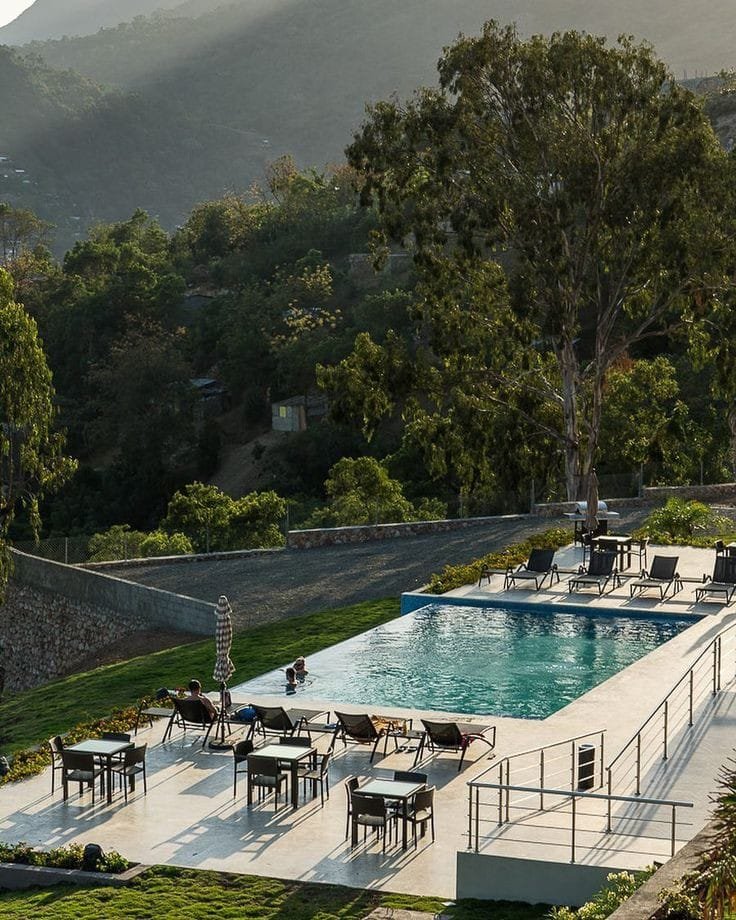
Haïti is blessed with spectacular natural landscapes, including white sand beaches, mountains and rich biodiversity.

Heritage

Heritage

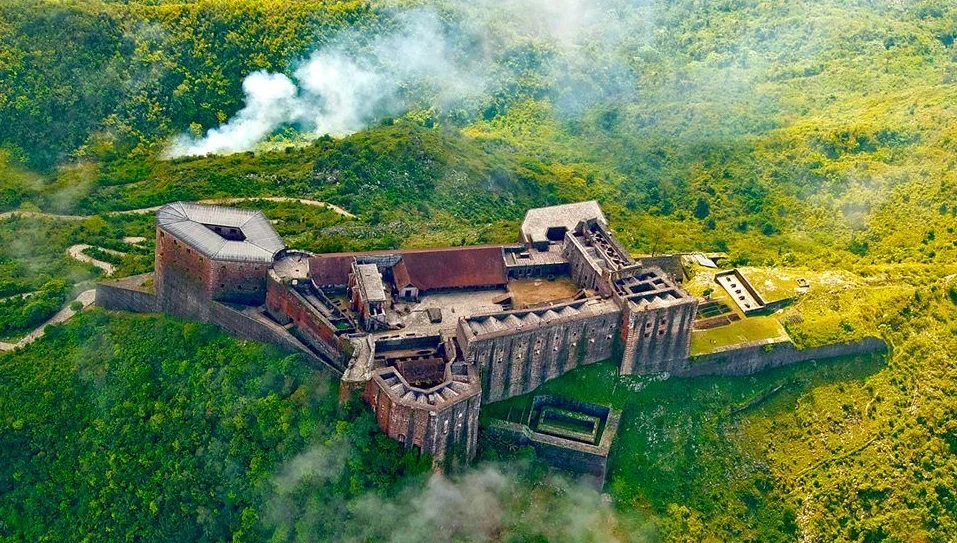
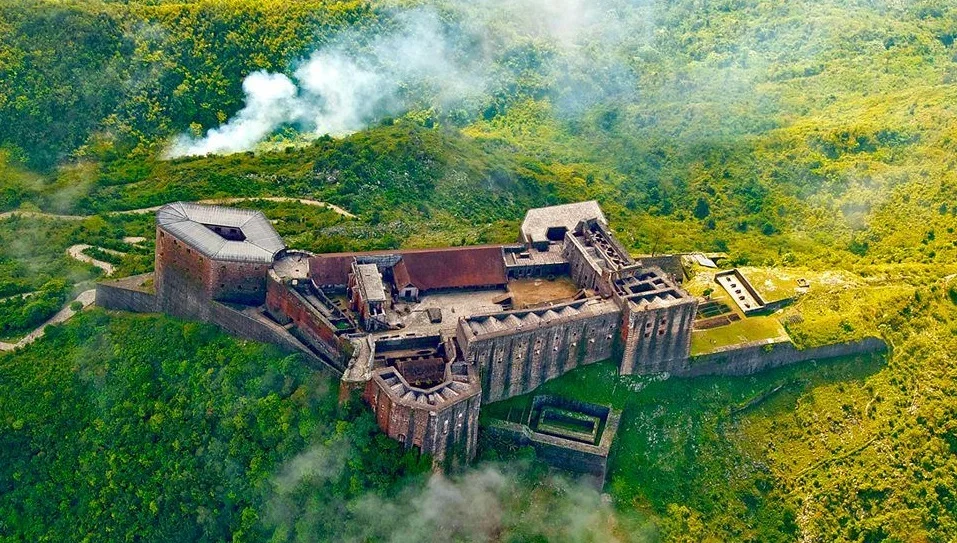
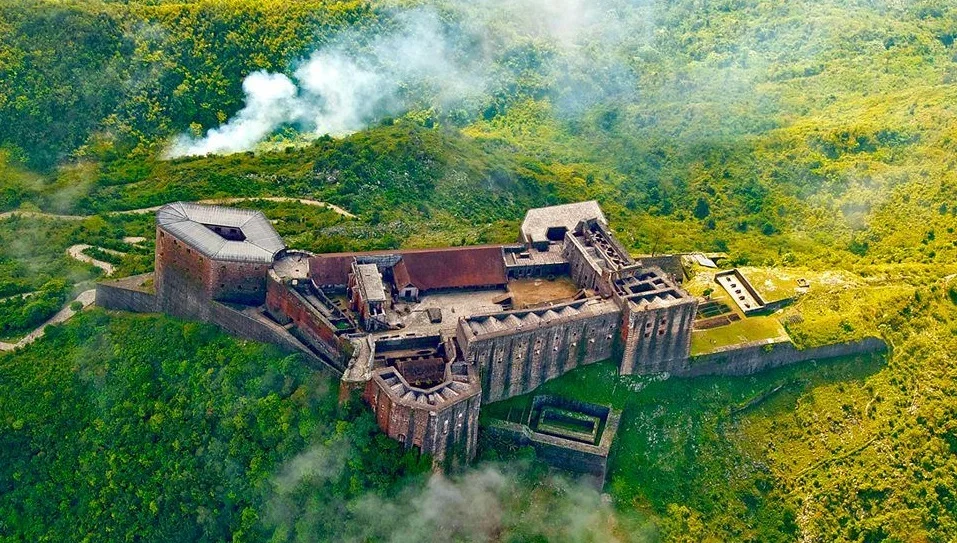
Haïti has a rich historical heritage, including sites like the Citadelle Laferrière and the Sans-Souci Palace, listed as UNESCO World Heritage Sites.

Culture

Culture

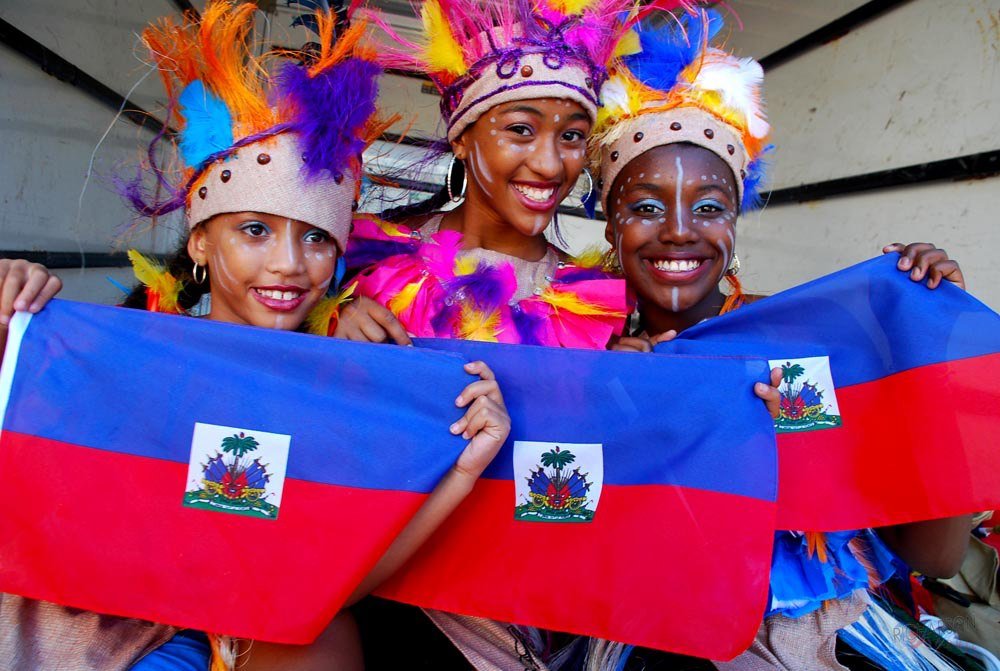
Haïti has a rich and diverse culture, influenced by African, European and indigenous elements. Haitian music, dance, art and cuisine are celebrated around the world.

  • +
    • Post