contact@haitiwonderland.com+509 36184317

Discover

Shopping Cart

Travel to Haiti: Why? Now is the Perfect Time to Discover It

Travel to Haiti: Why? Now is the Perfect Time to Discover It

Haiti, a country rich in history, culture and natural beauty, is one of the most fascinating and underrated destinations in the Caribbean. For years, this country was perceived through a negative prism, but today, Haïti deserves to be rediscovered. If you are wondering why travel to Haïti now, this article will convince you that now is the perfect time to discover this unique island, full of surprises and hidden treasures.

Haïti
Haïti
Haïti

1. An Exceptional History and Culture to Explore

Haïti is a country with an impressive history, especially as the first independent country in Latin America and the Caribbean, after a heroic revolution led by slaves. This rich historical heritage is reflected in its monuments, museums and cultural sites, including some must-sees:

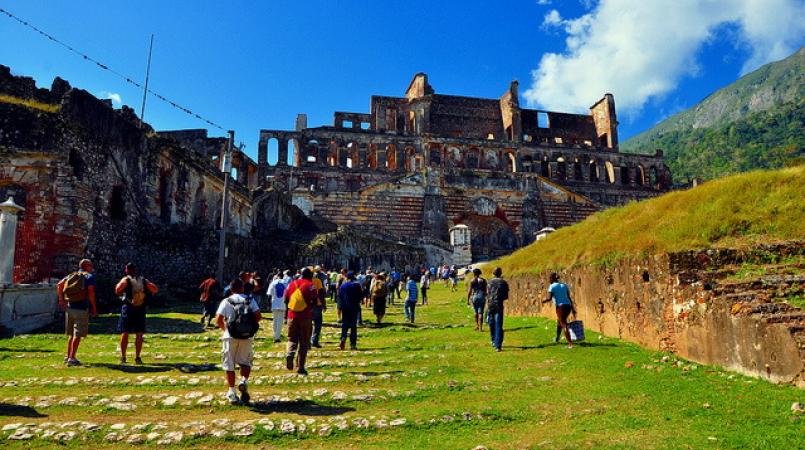
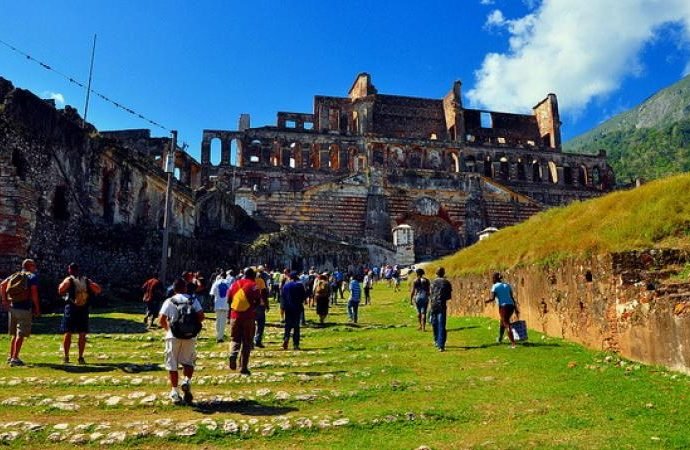
- La Citadelle Laferrière: Located in the north of the country, the Citadel is one of the largest fortresses in the Americas and a symbol of Haitian resistance against slavery and colonization.
- Le Musée du Panthéon National Haïtien (MUPANAH): This museum in Port-au-Prince traces the history of Haiti, from the Haitian revolution to its independence, and is a great way to understand the country’s deep roots.
- Les Artisans Haïtiens: Haïti is also famous for its colorful and creative handicrafts, which you can discover in local markets and art galleries throughout the country.

Haïti
Haïti
Haïti

2. Dazzling Natural Landscapes

Haïti is a country of contrasts, where majestic mountains meet white sand beaches and lush forests. Traveling to Haïti is an opportunity to discover an impressive geographical diversity.

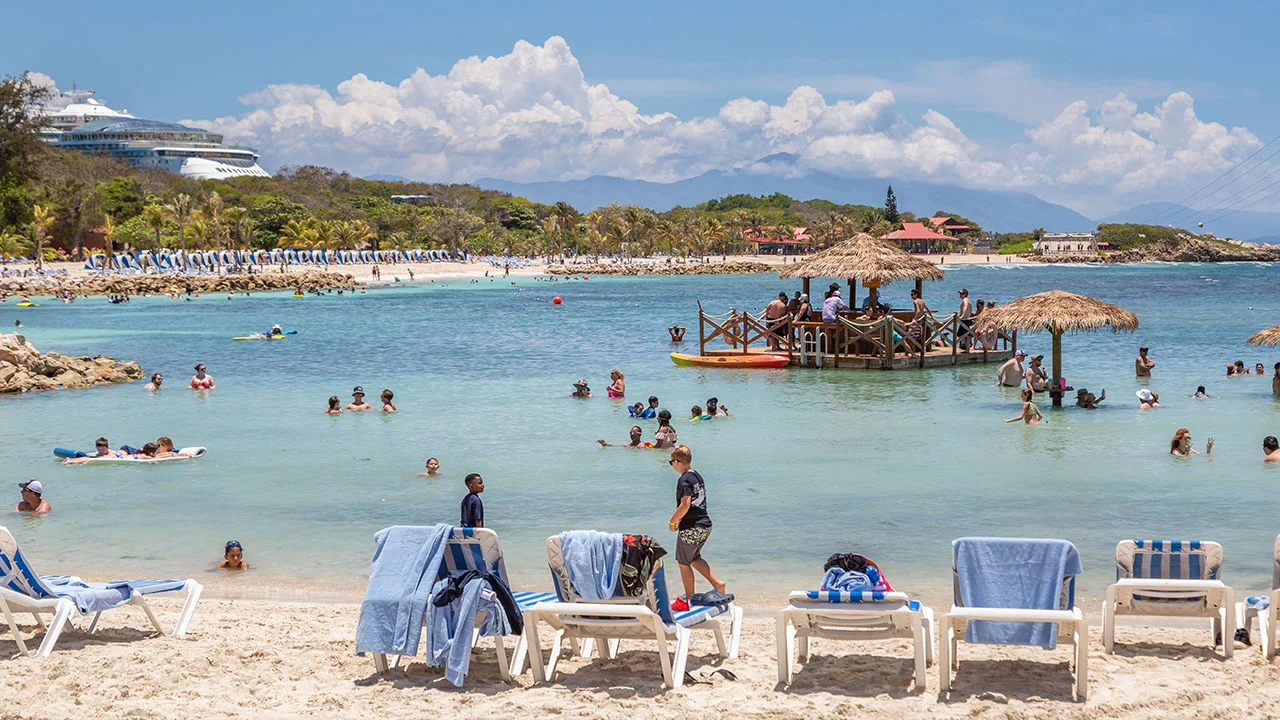
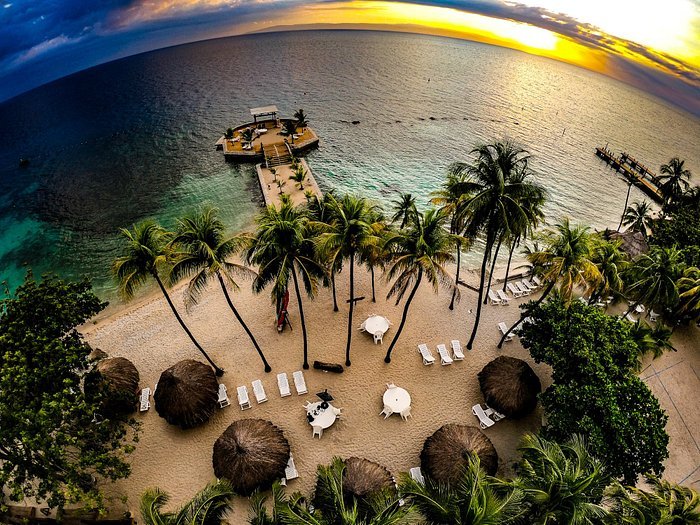
- Beaches: Paradise beaches like Labadie, Jacmel, and Île-à-Vache offer crystal clear waters, swaying palm trees, and a rare tranquility.
- Mountains: The country is also dotted with mountain ranges, like the Piste de la Montagne La Selle, where you can hike through the rainforest and enjoy breathtaking views.
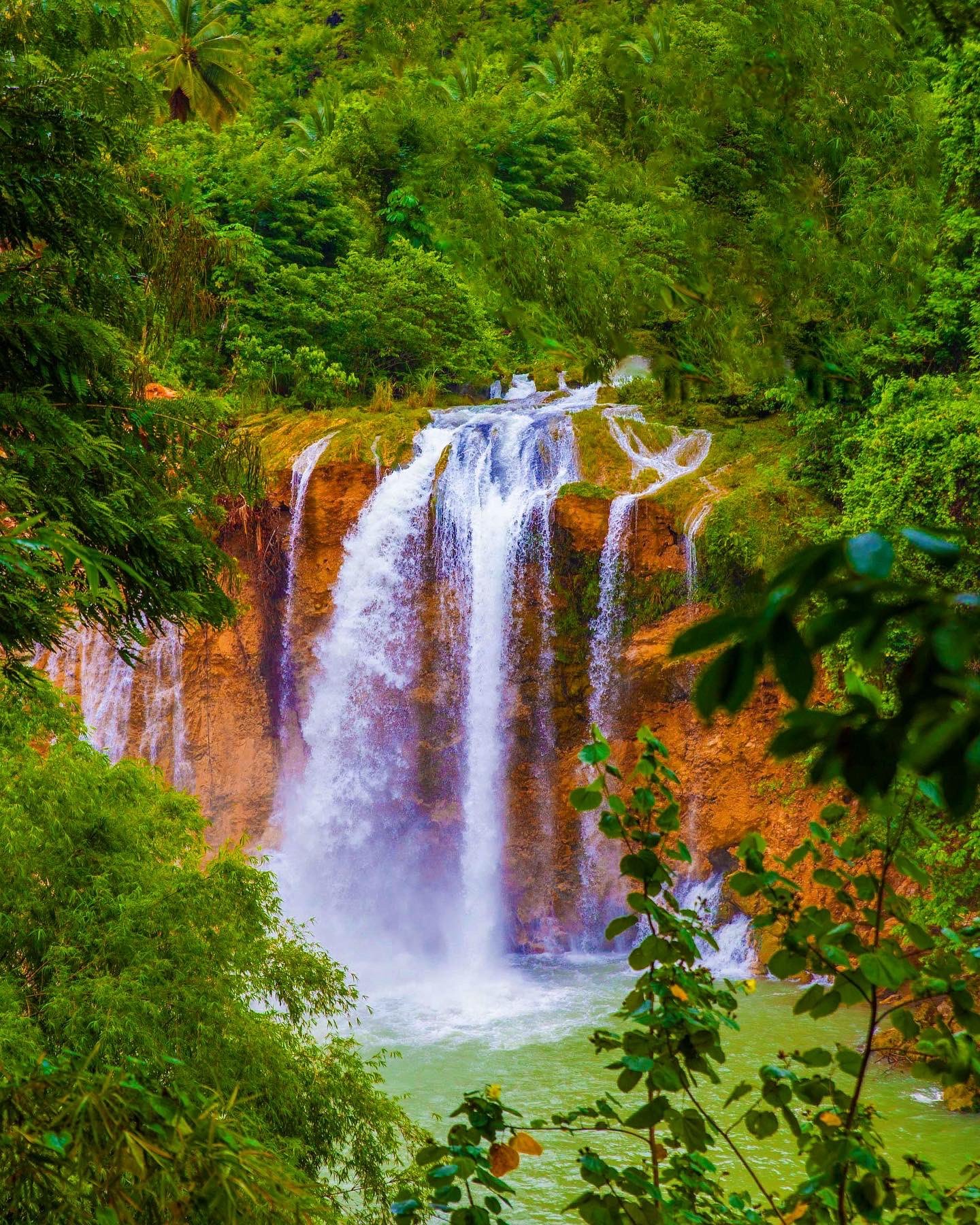
- Waterfalls: Places like Bassin Bleu and Saut d’Eau waterfalls show the importance of water in the Haitian landscape, offering places to relax and enjoy the natural beauty.

Haïti
Haïti
Haïti

3. A Vibrant and Welcoming Culture

Haitian culture is a fusion of African, European, and indigenous influences, offering a unique experience.

- Music and Dance: Haitian music, from compas to rara, is catchy and an integral part of the country’s identity. Attending a concert or dancing at a festival is one of the best ways to soak up the Haitian spirit.
- Food: Haitian cuisine is a feast for the senses. Traditional dishes like griot, djon djon rice, and coconut chicken are must-try items.
- Festivals and Festivities: Haïti is a country where festivals are part of everyday life. The Port-au-Prince Carnival or the Jacmel Festival are must-see events to discover the country’s festive culture.

Haïti
Haïti
Haïti

4. Continued Efforts to Restore Haiti’s Image

Although Haïti has gone through difficult times, particularly with natural disasters, the country is recovering every day thanks to the resilience of its people. In recent years, Haïti has made efforts to strengthen its tourism infrastructure, improve security conditions, and promote a more positive image of the country.

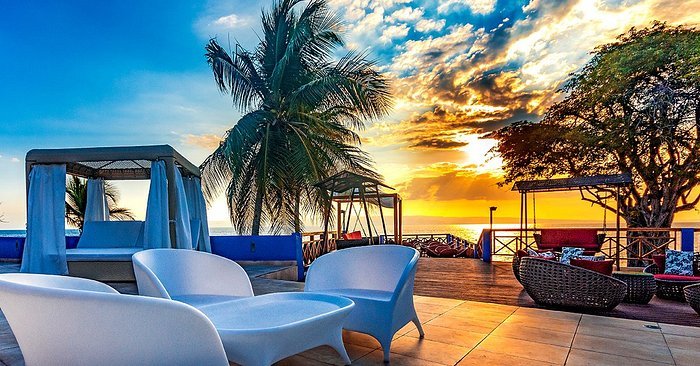
- Improved infrastructure: Many modern hotels and resorts have opened in destinations like Port-au-Prince, Cap-Haïtien, and Jacmel, providing more comfort and security for visitors.
- Support for sustainable tourism: The country is increasingly focusing on responsible tourism, encouraging local initiatives and supporting community-based businesses, allowing travelers to invest directly in Haitian communities.

Haïti
Haïti
Haïti

5. The Perfect Time to Travel to Haiti

If you are still hesitant to visit Haiti, now is the perfect time. Here’s why:
- Less mass tourism: Haiti, still not frequented by large crowds, offers an authentic experience, far from the crowded destinations of the Caribbean.
- A return to simplicity and authenticity: Traveling to Haïti means returning to simple and human values, discovering warm inhabitants and customs that honor the country’s rich heritage.
- A place for adventurers: Haiti’s tourist areas are increasingly secure, and travelers can enjoy a pleasant and serene stay.

Haïti
Haïti
Haïti

Haiti, an Unmissable Destination

Haiti, with its vibrant culture, stunning landscapes and fascinating history, is a must-see destination to discover. It is a place where you can enjoy adventure, relaxation and cultural richness, while supporting local development. If you are looking for an authentic and surprising destination, traveling to Haïti now is the perfect opportunity to discover this fascinating island before it is on all the tourist maps.

Share
About the Author
Haïti Wonderland
Haïti Wonderland
Leave a comment

Recently Posted

Newsletter

Subscribe to our newsletter to stay informed of all our activities and news on Haiti.

Jean-Jacques Dessalines, leader of the Haitian Revolution

In the annals of the history of Haiti, an island located in the Caribbean at the entrance to the Gulf of Mexico and shared with the Dominican Republic, Jean-Jacques Dessalines emerges like a phoenix from the ashes of oppression. Born a slave on September 20, 1758 in the home of Henri Duclos, in Cormier (Grande-Rivière-du-Nord), in the French colony of Saint-Domingue, Dessalines was a Creole of African (Afro-Caribbean) origin. Freed during the 1794 abolition achieved through slave revolts, actually served as an officer in the French army during the French Revolution. At that time, the ideas of freedom and equality were at the heart of the concerns of the inhabitants of the colonies. Dessalines actively participated in the fighting against the Spanish and British forces, alongside the French, in Santo Domingo. Having risen to the rank of Lieutenant General, Jean-Jacques Dessalines turned against the French during the Leclerc expedition, sent to Saint-Domingue by Bonaparte to reestablish colonial authority and slavery during the Haitian Revolution. After the capture and deportation of Toussaint Louverture to France on June 7, 1802, Dessalines assumed a leading role in continuing the struggle for independence. He led numerous battles, including the battle of Crête-à-Pierrot in March 1802, where he galvanized his soldiers with his famous declaration: “Let those who want to remain slaves of the French leave the fort, let those, on the contrary, who want to die as free men, line up around me.” On January 1, 1804, Jean-Jacques Dessalines achieved the long-awaited goal of independence by proclaiming Haïti as a sovereign nation, becoming the second country in the Americas to gain independence from a colonial power. He became the first leader of the newly formed nation and was named Emperor under the name James I. However, his imperial reign was marked by authoritarian and brutal policies, including the massacre of many white settlers and the redistribution of land to peasants that was in the hands of the generals of the independence army. In addition, he organized the hunt for delinquents in the city while implementing rigorous agrarian policies, considering that they represented a threat to the stability of the nation, these controversial actions caused divisions within Haitian society. Dessalines was assassinated on October 17, 1806 following a plot organized by some of his generals in the Haitian army. His death marked the end of his brief but influential period in power. Despite the controversies surrounding his methods, he is recognized as the main architect of Haiti’s independence and his name was honored in 1903 by being attributed to the Haitian national anthem, La Dessalinienne, composed by Justin Lhérisson.Finally, the great visionary man Jean Jacques Dessalines remains an emblematic figure in the history of Haiti, recognized for his role in the fight for independence and the end of slavery in the region.

Haiti: Discover the Magic of the Pichon Waterfall in Belle-Anse: A Natural Treasure to Explore

Located in the heart of southeastern Haiti, the Pichon Waterfall emerges as a natural gem, providing a breathtaking experience for visitors seeking adventure and natural beauty. Nestled in the lush greenery of the Belle-Anse region, this majestic waterfall amazes with its imposing height and its crystal clear waters which cascade down the rocks with grace. The Pichon waterfall is much more than just a natural wonder; it is a place steeped in history and legends, captivating visitors with its mystical ambiance. According to local tradition, it would have been a gathering place for indigenous communities, testifying to the cultural richness of the region. For outdoor enthusiasts and adventure-seeking travelers, Pichon Waterfall offers a myriad of exciting activities. Scenic hikes through the surrounding jungle lead to spectacular viewpoints of the waterfall, offering unforgettable opportunities to take stunning photos. Additionally, travelers can refresh themselves in the crystal clear waters of the waterfall, letting themselves be enveloped by the revitalizing freshness of nature. The more adventurous can even venture to swim in the natural pools formed by the waterfall, creating lasting memories of their visit to Belle-Anse. As an emerging tourist destination, Pichon Waterfall also offers a unique opportunity to experience local culture and support surrounding communities. Visitors can explore the nearby picturesque villages, discover local crafts and taste delicious traditional Haitian cuisine. Whether you are a nature enthusiast, an adventure lover or simply in search of tranquility and beauty, the Pichon waterfall in Belle-Anse invites you to immerse yourself in a world of natural wonders and unforgettable discoveries. Come discover this hidden treasure and let yourself be seduced by the magic of the Pichon waterfall, an unforgettable experience in the heart of Haiti.

Conference / Festival Quatre Chemins / 21st edition

The impact of collective and individual trauma on the personal development of young people in Port-au-Prince While writers, actors, dancers, poets, among others, have gratified us with their performances, the master’s degree student in psychology at the Faculty of Human Sciences (FASCH), Lourdya Blaise, spoke with the audience about trauma. Structured around the theme "Youth and Trauma, analysis of the impact of collective and individual trauma on the personal development of young people living in Port-au-Prince between 2010-2024", this conference gave rise to enriching discussions. During this meeting, moderated by Michaël Formilus, Ms. Blaise showed how the events that have taken place in the country have caused cases of trauma among Haitians. According to the student, citing the American Psychological Association, we speak of trauma as a consequence of trauma. The latter is explained by the fact that we feel threatened, whether it is the person in question or their loved ones. However, she specifies that a collective trauma remains depending on the impact that the event has on the individual. To illustrate her remarks, she mentioned the earthquake of January 12, 2010, considered a collective trauma, insofar as it still occupies our minds. This tragedy reminds us of the disappearance of our loved ones and enormous losses. This is the case of a trauma that becomes a collective trauma. For the student, it should be emphasized that when an event occurs, some people are traumatized and others are not. According to him, the violence of armed gangs is not perceived in the same way, says Ms. Blaise. There are people who have fled their homes but are not traumatized. In fact, some people see traumatic situations as a passing event, she says. The speaker also spoke about collective trauma, which, according to him, preoccupies the mind, even if we no longer experience it. It manifests itself in several forms: lack of sleep, fear psychosis, intrusive thoughts, intense heartbeat, etc. Generally, symptoms related to trauma are hard to die. When it persists, it becomes acute stress. To deal with it, we must talk to other people. If the situation persists, acute stress turns into a phase of post-traumatic stress; in this case, we must confide in a trusted person or go see a mental health specialist, she advises. In her presentation, Lourdya Bazile also drew attention to the psychological state of children in these times. According to the presenter, children are also facing this crisis situation, even if they do not talk about it to their parents. As much as adults, children also plan their future. Faced with flouted school years, they become pensive and worried, she stressed. They withdraw. The child who used to be brilliant can become violent and perform less well at school. Parents are called upon to listen to them and understand them. A good moment of exchange, rich in practical advice. The audience participated fully. In turn, the presenter invites them to breathe better and meditate. "We live in a country where worries mix, we must take time for ourselves, do sports, eat well, make sure that the sleeping space is clean and take time for ourselves. There is more than one way to find calm," recalls the psychologist. Gertrude Jean-Louis

Haïti / Pot’iwa Pizza: A Culinary Odyssey

Since 2015, Pot’iwa Pizza has conquered the hearts and taste buds of the inhabitants of Port-au-Prince, the capital of Haiti. Founded by visionaries Jude Vaillant and Rock André, Pot’iwa Pizza has become a true gastronomic icon by offering a unique specialty: smoked herring pizza. This culinary creation has revived childhood nostalgia among many Haitians, marking the beginning of an exceptional culinary adventure. The very name of the company, "Pot’iwa", is a tribute to the Haitian regions where its founders were born. Jude Vaillant, originally from the "Iwa" region, and his accomplice Rock André, native of "Potino", have united their origins to create a company that harmoniously fuses tradition and innovation. Despite the socio-economic challenges that punctuate Haitian daily life, Pot’iwa Pizza is committed to constantly improving its services. This unwavering determination led to the opening of a second branch of the company, this time in the city of Cap-Haïtien, in the north of the country. The inhabitants of this region now have the privilege of tasting the famous herring pizza, previously reserved for the inhabitants of Port-au-Prince. Aware of the importance of protecting its culinary heritage, the company made a strategic decision by filing a patent in the United States to protect its specialty: herring pizza. Jude Vaillant, CEO of the company, shares his vision behind the choice of herring: "In Haiti, our childhood was rocked by a particular flavor, present in many traditional dishes. We decided to bring this flavor to an emblematic dish like pizza, to create a unique culinary experience." Pot’iwa Pizza embodies the passion, nostalgia and perseverance of Haitians for their traditional cuisine. It is a story of flavors and success that continues to seduce palates around the world. For those who want to taste this delicious herring pizza, go to Pot’iwa Pizza, located at 26 boulevard Cap-Haïtien, or contact them at +509-47-30-9090. And for fans residing in Miami, USA, Pot’iwa Pizza is also available at 12485 NE 6th CT, North Miami, FL 33161. To order, call 305-456-5152. Also explore the immersive experience of Pot’iwa Pizza through your smartphone or virtual reality headset, and dive into their mouth-watering menu by visiting the following link: https://haitiwonderland.com/haiti-virtual-reality-ht/ bar--restaurant/haiti--pot-iwa-pizza--virtual-tour/9.

Recently Posted

History

History

First black nation to free itself from slavery and gain independence from France in 1804 and influenced other liberation movements around the world, inspiring struggles for freedom and equality.

Natural beauty

Natural beauty

Haïti is blessed with spectacular natural landscapes, including white sand beaches, mountains and rich biodiversity.

Heritage

Heritage

Haïti has a rich historical heritage, including sites like the Citadelle Laferrière and the Sans-Souci Palace, listed as UNESCO World Heritage Sites.

Culture

Culture

Haïti has a rich and diverse culture, influenced by African, European and indigenous elements. Haitian music, dance, art and cuisine are celebrated around the world.

  • +
    • Post