contact@haitiwonderland.com+509 36184317

Discover

Shopping Cart

What does Haïti mean? Origin and meaning of the word

What does Haïti mean? Origin and meaning of the word

The name "Haiti" is much more than just a word; it carries within it the history, culture and identity of a people. But what does this term really mean and what is its origin? Let’s discover together the richness of this word that resonates through the centuries.

Native American origin

The word "Haiti" finds its roots in the language of the Taino, the indigenous people who inhabited the island before the arrival of the Europeans.

- Meaning: In the Taino language, "Ayiti" means "land of high mountains".
- Geographic description: This name reflects the topography of the island, marked by majestic mountain ranges, such as the Massif de la Selle and the Massif du Nord.

The Tainos, the first inhabitants of the island, used this term to designate their entire territory, highlighting the natural beauty and impressive reliefs of this land.

The colonial era and the return to roots

When Christopher Columbus arrived in 1492, the island was renamed "Hispaniola" by the Spanish, then divided into two colonies: Saint-Domingue (French) and Santo Domingo (Spanish).

- Name change: After the Haitian revolution and the proclamation of independence in 1804, the founders of the nation decided to restore the name "Haiti".
- Symbolism: This choice represented a return to the origins and a desire to break with the colonial past by honoring the first inhabitants of the island.

Thus, by taking back this ancestral name, Haïti affirmed its unique identity and cultural heritage.

A Deep Meaning

Beyond its geographical significance, “Haiti” has become a symbol of freedom and resilience.

- Freedom: As the first independent black republic, the name “Haiti” evokes the fight against oppression and the aspiration for human dignity.
- National Pride: Today, it represents a source of pride for Haitians and a reminder of their unique history.

The mountains, evoked in the name, are also a symbol of strength and protection, a metaphor for resilience in the face of challenges.

Haïti in the World

The name “Haiti” is recognized around the world, not only for its revolutionary history, but also for its rich culture and breathtaking landscapes.

- Natural Heritage: The mountains, so dear to the Taínos, continue to be a treasure for the country, attracting hikers and nature lovers.
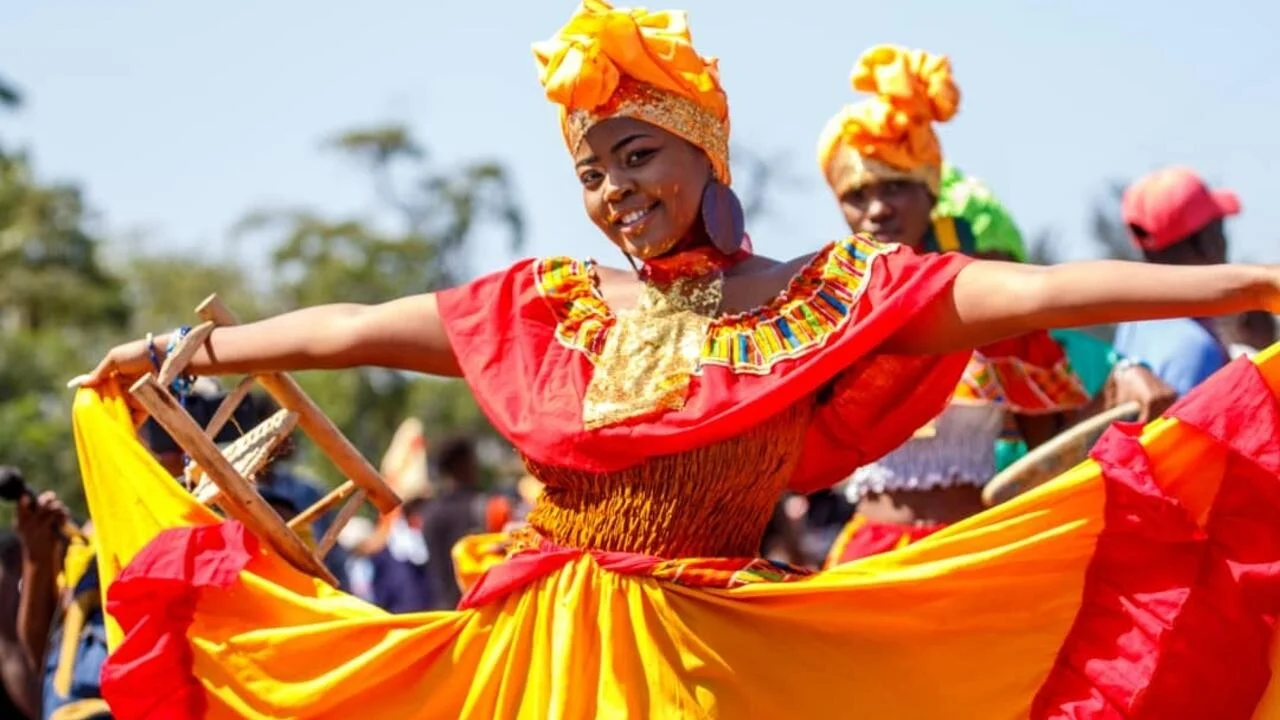
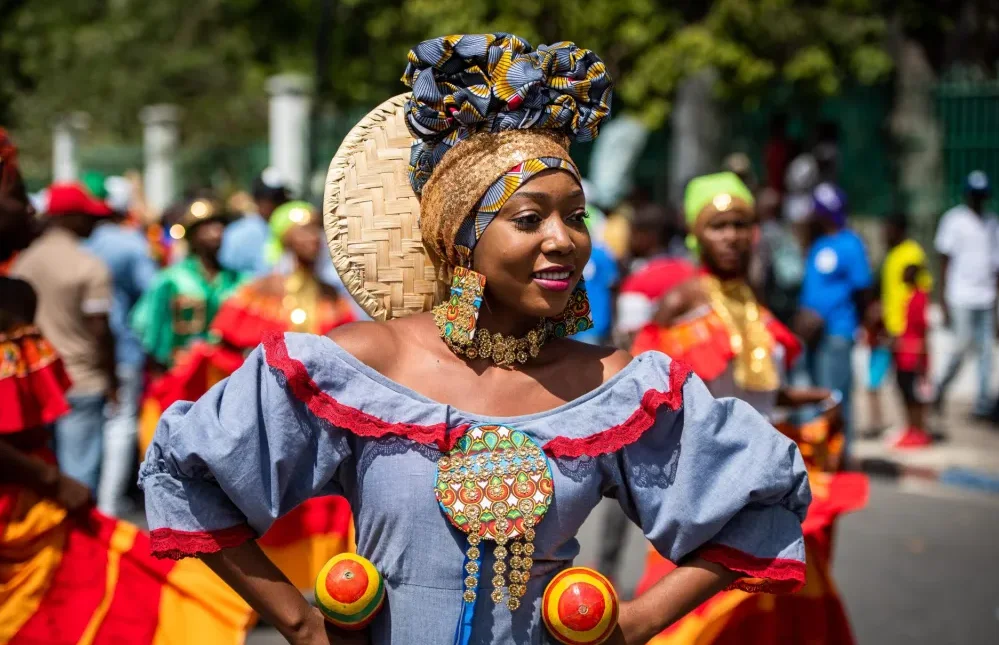
- Cultural Identity: The word “Haiti” is synonymous with cultural richness, with its unique traditions, music, cuisine, and art.

Every time the name is pronounced, it carries with it an emotional and historical charge that transcends borders.

A Legacy to Pass on

“Haiti” is not just a name; it is a story, a symbol, an identity. It recalls the struggles, victories, and deep roots of a proud and resilient people.

Knowing the origin and meaning of this word helps us better understand the richness of Haitian history and the importance of preserving this heritage for future generations.

What are your thoughts on the name “Haiti” and what it represents? Share your thoughts and learn more about this unique nation!

Share
About the Author
Appolon Guy Alain
Appolon Guy Alain
Appolon Guy Alain

Full Stack Developer, Créatif, expérimenté, passionné des nouvelles technologies et de l’art.

See other articles from Appolon Guy Alain
Leave a comment

Recently Posted

Haitian rhythms: Exploring musical and dance traditions

Haiti, a land rich in history and cultural diversity, offers a unique musical treasure through its captivating rhythms. Haitian music, deeply rooted in the fusion of different African, European and Caribbean influences, constitutes a vibrant expression of national identity. One of the distinctive elements of Haitian music is its rhythmic diversity, reflecting the many facets of daily life, from religious celebrations to moments of joy and sorrow. Haitian rhythms, carrying contagious energy, are a reflection of the soul of the Haitian people. One of Haiti’s most iconic musical genres is direct compas, which emerged in the 1950s. This catchy rhythm, coupled with captivating melodies, has captured hearts globally. The direct compass embodies the fusion of different musical styles, including jazz, merengue, and elements of traditional Haitian music. Haitian musical traditions are not limited to contemporary sounds. Vodou, an ancestral spiritual practice, also has a major influence on Haitian music. Vodou rhythms, often associated with religious ceremonies, create a deep connection between spirituality and artistic expression. Furthermore, dance is inseparable from Haitian music. The graceful and energetic movements of traditional dances like rasin, combined with captivating rhythms, transport dancers and spectators to a world where bodily expression becomes a living art form. Exploring the musical and dance traditions of Haïti is like diving into a universe where history, culture and spirituality are harmoniously woven together. These rhythms, passed down from generation to generation, are much more than simple notes; they embody the soul of a people and the richness of its diversity. Celebrating these traditions pays homage to Haiti’s exceptional cultural heritage and its invaluable contribution to the global music scene.

Newsletter

Subscribe to our newsletter to stay informed of all our activities and news on Haiti.

Recently Posted

History

History

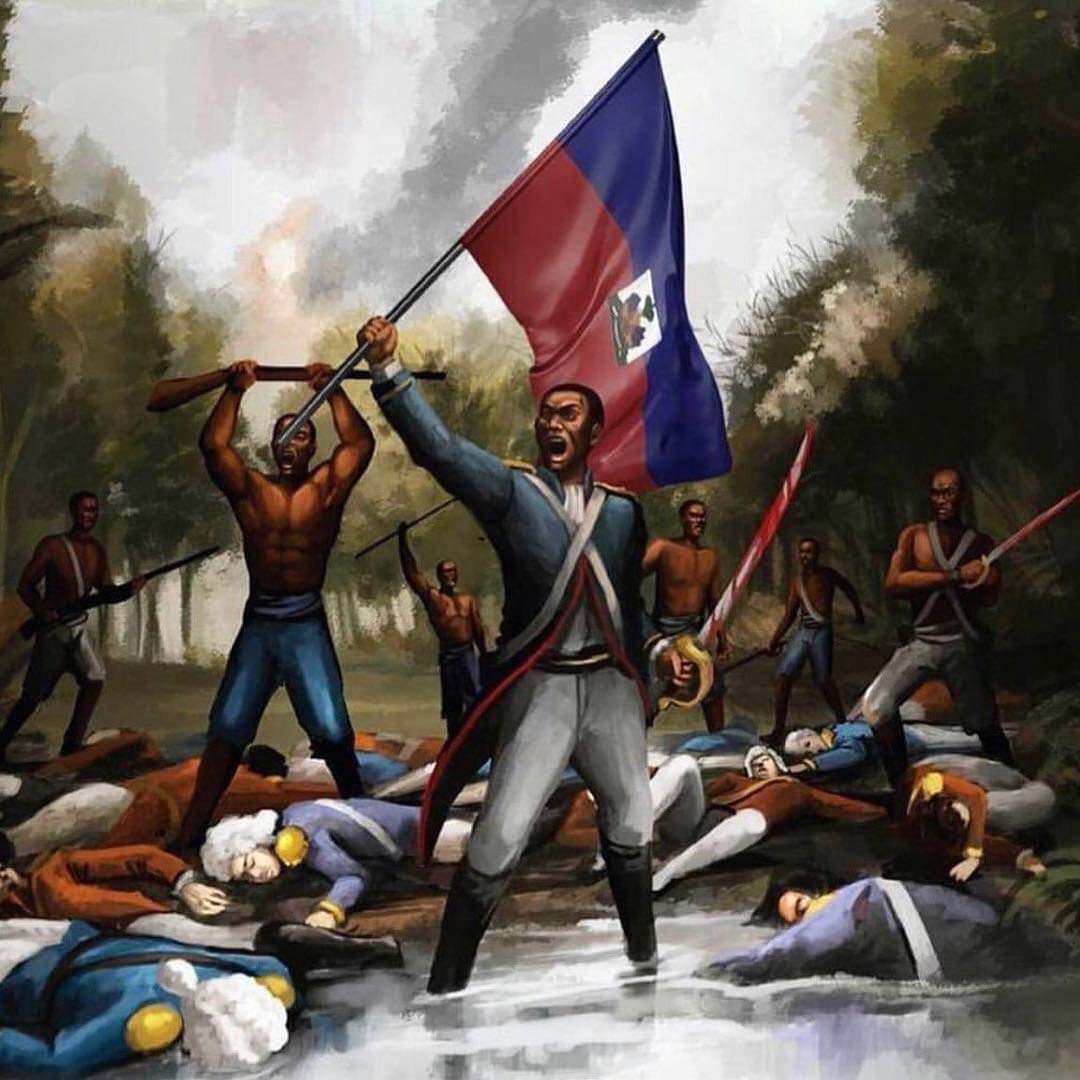
First black nation to free itself from slavery and gain independence from France in 1804 and influenced other liberation movements around the world, inspiring struggles for freedom and equality.

Natural beauty

Natural beauty

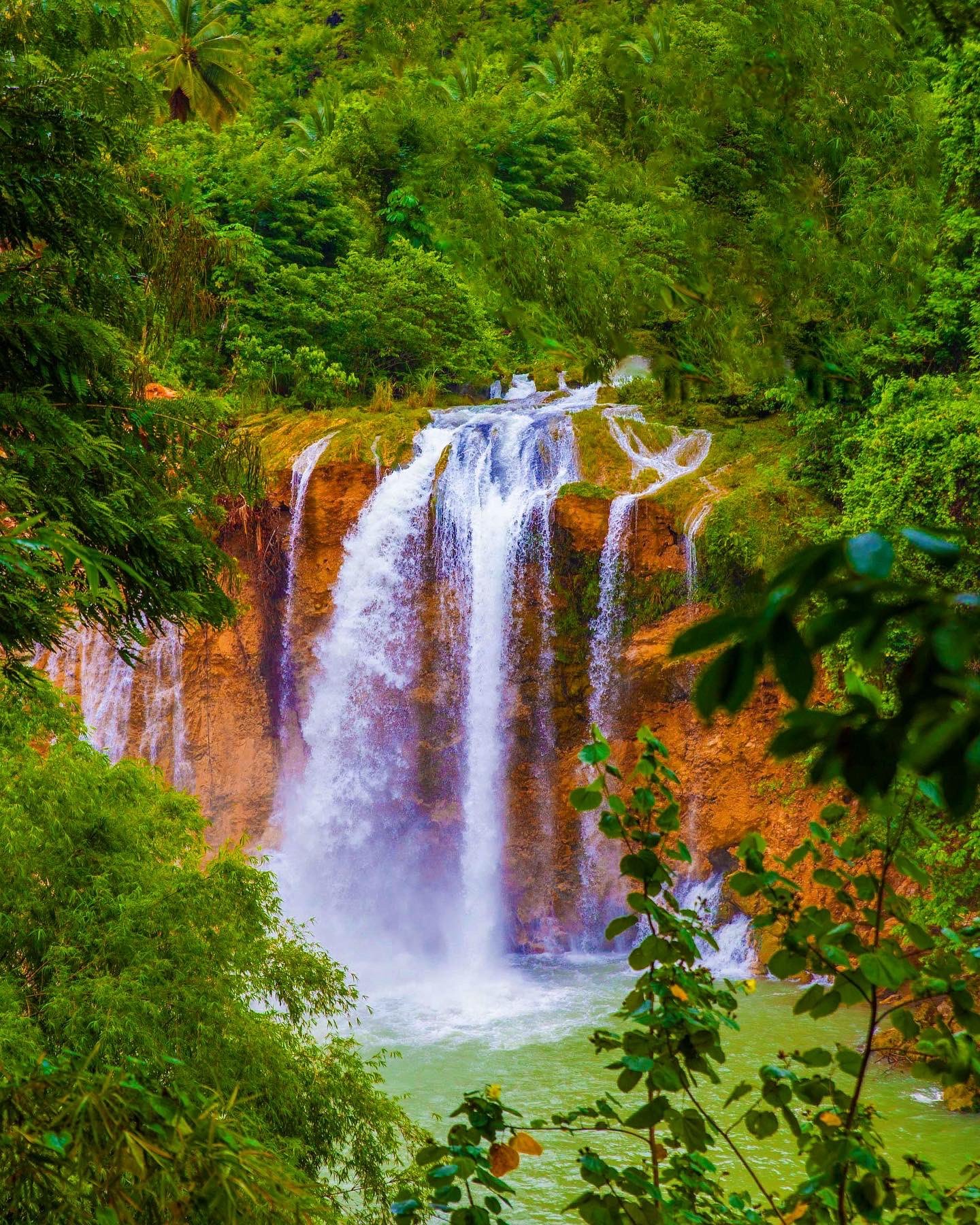
Haïti is blessed with spectacular natural landscapes, including white sand beaches, mountains and rich biodiversity.

Heritage

Heritage

Haïti has a rich historical heritage, including sites like the Citadelle Laferrière and the Sans-Souci Palace, listed as UNESCO World Heritage Sites.

Culture

Culture

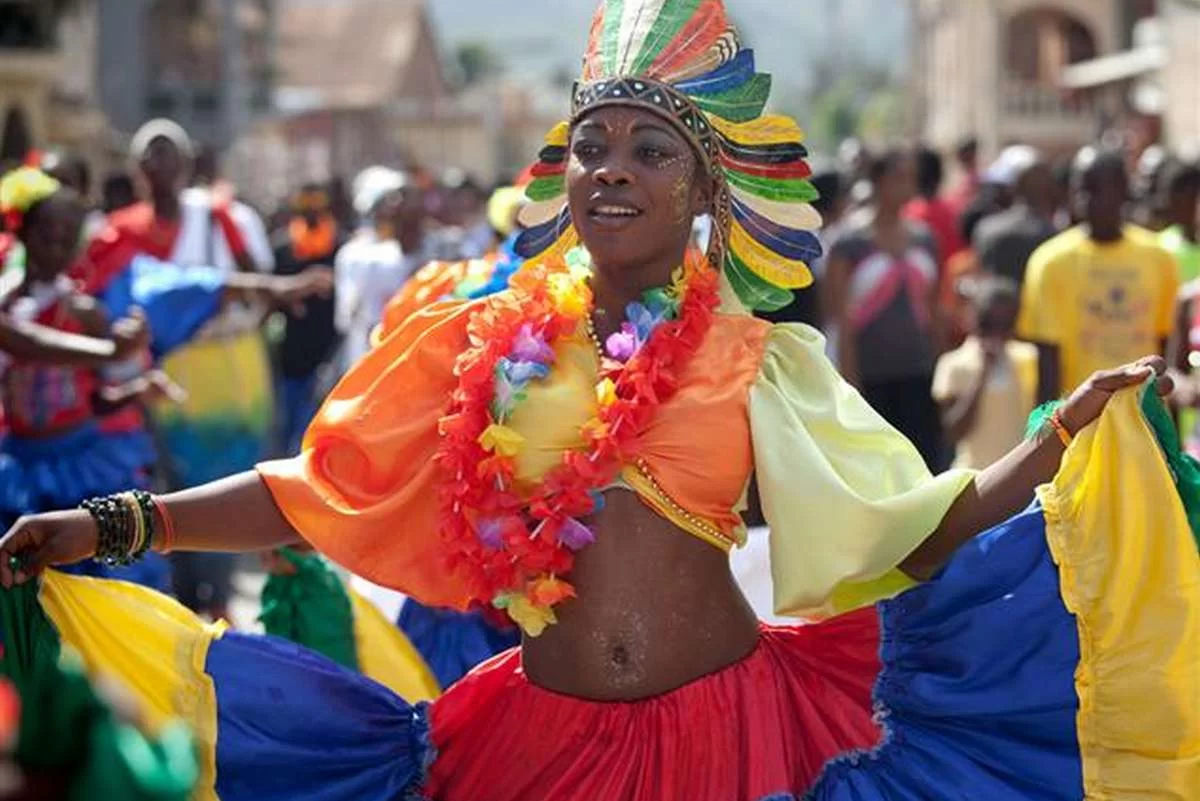
Haïti has a rich and diverse culture, influenced by African, European and indigenous elements. Haitian music, dance, art and cuisine are celebrated around the world.

  • +
    • Post