contact@haitiwonderland.com+509 36184317

Discover

Shopping Cart

Haiti’s Mottos Explained: "Unity Makes Strength" and "Liberty - Equality - Fraternity" Demystified
Haiti’s Mottos Explained:  Unity Makes Strength  and  Liberty - Equality - Fraternity  Demystified
Haiti’s Mottos Explained: Unity Makes Strength and Liberty - Equality - Fraternity Demystified

Haiti’s Mottos Explained: "Unity Makes Strength" and "Liberty - Equality - Fraternity" Demystified

Discover the profound meaning of Haiti's mottoes: "Unity is Strength" and "Liberty-Equality-Fraternity." History, symbols, and legacy of the first free Black republic.

Haiti, the world’s first independent Black nation, carries within it two powerful mottos that tell the extraordinary story of its struggle for freedom. These phrases, engraved in the heart of every Haitian, are not mere words: they embody the fundamental values ​​of a nation born from the most audacious revolution in modern history.

"Unity Makes Strength": The Motto Inscribed on the Coat of Arms of the Republic

"Unity Makes Strength" appears on the Coat of Arms of the Republic of Haiti, at the center of the national flag. This motto appears on a trophy of arms shaded by the fronds of a palm tree, itself surmounted by the cap of liberty, a universal symbol of emancipation.

This maxim was not chosen by chance. It recalls a crucial moment in Haitian history: the union of different revolutionary forces that defeated the Napoleonic army in 1804. Former slaves, freedmen, mulattoes, and blacks gathered under a single banner to win their independence.

Why this motto still resonates today

In the post-revolutionary context, "Unity is Strength" represented a vital call for national cohesion. The new country had to overcome the internal divisions inherited from the colonial system: divisions of color, class, and region. This motto reminded us that only unity could guarantee the survival of the young nation in the face of external threats.

Even today, this phrase remains relevant. It invites Haitians to transcend their differences to build a better future together. In a country facing considerable economic, political, and social challenges, the call for national unity remains critically relevant.

The Symbolism of the Trophy of Arms

The trophy of arms on which the motto appears includes cannons, cannonballs, flags, and drums. These military elements recall the armed victory over oppression, but also the vigilance necessary to preserve hard-won freedom. The palm kernel that shades these arms symbolizes the Haitian land itself, generous and protective.

"Liberty - Equality - Fraternity": The Constitutional National Motto

According to Article 4 of the 1987 Constitution of the Republic of Haiti, the national motto is "Liberty - Equality - Fraternity." This formulation, famous worldwide as that of the French Republic, takes on a particular significance in the Haitian context.

Haiti: The First Nation to Truly Embody These Values

While this motto was born with the French Revolution of 1789, it was Haïti that truly embodied it for the first time in world history. While revolutionary France maintained slavery in its colonies, Haitian revolutionaries definitively abolished this abominable institution and proclaimed universal equality among all citizens.

Liberty: Haïti won its freedom by force of arms, becoming the first independent Black republic in 1804. This freedom was not a gift, but a conquest won at the price of blood.

Equality: The Haitian Constitution of 1805 proclaimed that all Haitians, regardless of their color, would henceforth be called "black," thus symbolically abolishing the racial distinctions that had divided colonial society.

Fraternity: The Haitian Revolution created a nation where former slaves and freedmen had to learn to live together as brothers, transcending the hierarchies imposed by the colonial system.

A Universal Inspiration

The Haitian Revolution and its motto have inspired numerous emancipation movements around the world. From slave revolts in the Caribbean to abolitionist movements in North America, the Haitian example demonstrated that freedom was possible and that equality was not just an abstract philosophical concept.

Two Complementary Mottos: A Coherent Message

Although Haïti has two distinct mottos, they are not contradictory but complementary. "Unity Makes Strength" inscribed on the coat of arms of the Republic represents the means to achieve the ideals expressed by "Liberty - Equality - Fraternity."

National unity is the path; the three republican values ​​are the destination. Together, these mottos form a political and moral program for the Haitian nation.

A heritage to preserve and pass on

These mottoes are not mere symbolic ornaments. They constitute the moral and philosophical foundation of the Haitian nation. Each generation has the responsibility to understand them, bring them to life, and pass them on to future generations.

In a world where the values ​​of liberty, equality, and fraternity are still far from universally respected, Haïti carries a message of hope and resistance that transcends its borders.

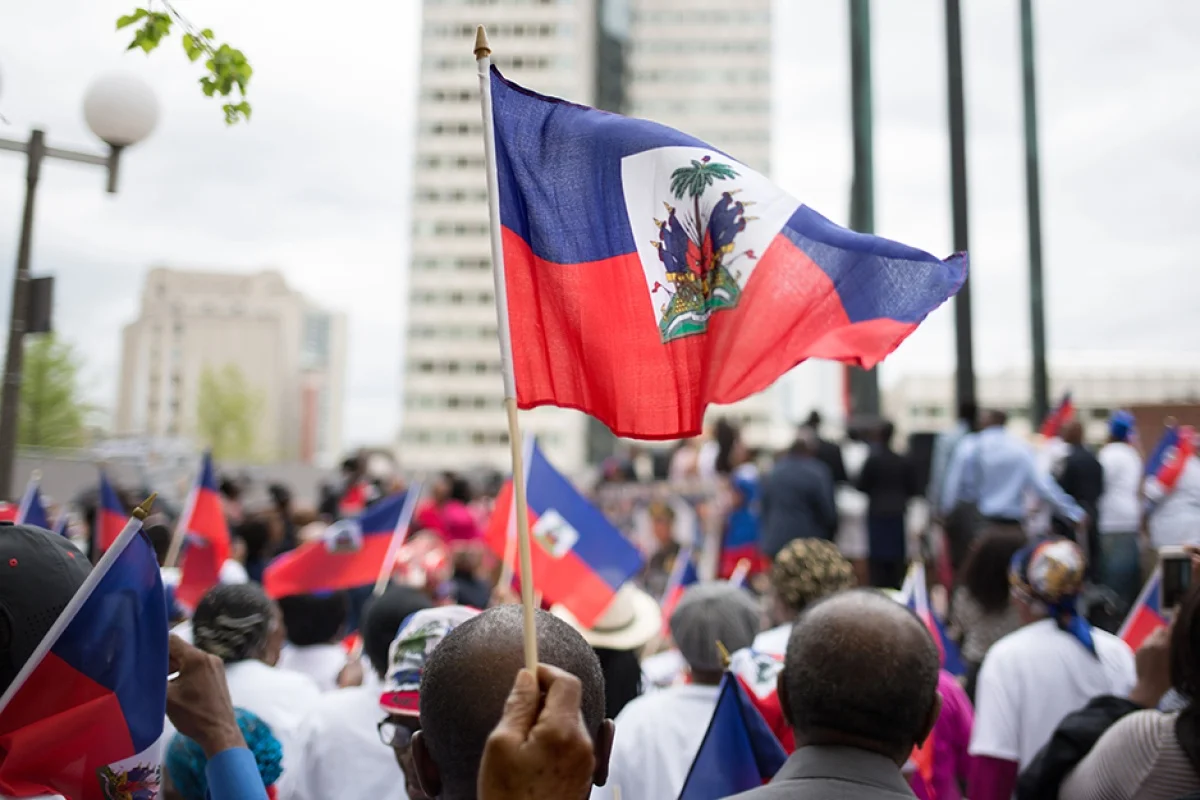
The Haitian Flag: Living Symbol of National Mottoes

Official Description

The emblem of the Haitian Nation follows a precise description established by the Constitution:
- Two strips of fabric of equal dimensions: one blue at the top, one red at the bottom, placed horizontally.
- In the center, on a square of white fabric, are the Arms of the Republic.
- These arms include the palm tree topped with the cap of liberty, shading with its palms a trophy of arms with the legend "Unity is Strength"

The Symbolism of the Colors

The blue and red come from the French tricolor flag, from which Jean-Jacques Dessalines is said to have torn off the white stripe during the Congress of Arcahaie in 1803, thus symbolically rejecting white colonial domination. The blue represents Black people and the red represents Mulatto people, two groups that were to unite to defeat the oppressor.

The white square in the center bears the coat of arms of the Republic and creates a visual contrast that highlights the motto "Unity is Strength," constantly reminding Haitians of the importance of their national cohesion.

Living Mottos for Haiti’s Future

Haiti’s mottoes are not relics of the past, but guides for the future. "Unity is Strength" and "Liberty - Equality - Fraternity" remind Haitians of the values ​​that enabled their ancestors to accomplish the impossible: defeat the largest army in the world and found the first free Black republic.

These mottoes invite every citizen to contribute to building a united, free, egalitarian, and fraternal Haiti. They constitute a precious heritage that each generation must embrace and bring to life in its own time.

Understanding these mottoes is understanding the soul of Haiti. It means connecting with a unique history, with universal values ​​won through courage and sacrifice. It also means taking responsibility for passing this legacy on to future generations, so that the flame of freedom lit by the heroes of 1804 never goes out.

Share
About the Author
Appolon Guy Alain
Appolon Guy Alain
Appolon Guy Alain

Full Stack Developer, Créatif, expérimenté, passionné des nouvelles technologies et de l’art.

See other articles from Appolon Guy Alain
Leave a comment

Recently Posted

Haïti: The Pearl of the Antilles

Located in the Caribbean Sea, Haïti is often nicknamed "The Pearl of the Antilles". This laudatory title not only reflects the beauty of its idyllic beaches, but also the history, culture and natural wealth of this island nation. Throughout the centuries, Haïti has acquired this prestigious reputation for various reasons, which go beyond its picturesque landscapes. b~Natural Beauty:~b Haïti is blessed with an abundance of natural beauty. Its sandy beaches, crystal clear waters, majestic mountains and lush valleys make it a dream destination for travelers from all over the world. Generous nature has endowed Haïti with impressive ecological diversity, which has helped shape its image as the pearl of the Antilles. b~Cultural Wealth:~b Beyond its landscapes, it is the richness of Haïtian culture which contributes to its reputation as a pearl. Haïti has a fascinating history, blending influences from indigenous Taino people, European settlers and African slaves. This cultural fusion gave rise to a unique artistic and musical tradition, embodied in expressions such as voodoo, naive painting and compass music. b~Historical Heritage:~b Haïti has played a central role in the history of the struggle for freedom and equality. In 1804, it became the first independent republic in Latin America and the Caribbean, after a revolution led by freed slaves. This courageous act of independence established Haïti as a symbol of resistance and determination, adding a historic dimension to its status as the pearl of the Antilles. b~Natural Resources~b Haïti is abundant in valuable natural resources, which has contributed to its nickname as the Pearl. Mineral-rich mountains, fertile soils and abundant water reserves have made Haïti a land of opportunity. Haïti, the pearl of the Antilles, is much more than just a tourist destination. It is a country whose natural beauty, cultural richness, historical heritage and natural resources contribute to a unique identity. It remains a jewel in the crown of the Caribbean, reminding the world of the strength and resilience of the Haïtian people.

Here are five compelling reasons why you should definitely visit Haiti’s beaches

1- Abaka Bay (Île-à-Vache): Start your Haitian adventure with the magnificent Abaka Bay, recently named one of the most beautiful beaches in the world by CNN. Located on the enchanting island of Île à Vache, this bay offers a pristine white sand beach and calm Caribbean waters, framed by lush green hills. Abaka Bay Resort offers a truly exclusive and secluded experience, with bungalows located directly on the beach, offering panoramic views and direct access to the fine sand and crystal clear sea. The dining options are equally impressive, with one restaurant offering breathtaking ocean views and epic sunsets. To get to Île à Vache, simply take a 15-20 minute boat ride from Les Cayes, located off the southern coast of Haiti. 2- Île à Rat (Amiga Island): As soon as you set foot on Île à Rat (also known as Amiga Island), this little slice of paradise will steal your heart. Its smooth white sand beach immediately catches the eye, while gentle waves create a dreamy oasis against the pearly shore. Located in the turquoise waters off the coast of Plaine du Nord in northern Haiti, Île à Rat is a 1.8 hectare piece of white coral covered in a small wild forest. The island is a peaceful retreat, especially for couples looking for a serene getaway. To get to Île à Rat, you can take one of the many water taxis waiting in Labadee, a 30-minute drive from Cap-Haïtien. Keep in mind that the island is uninhabited, so it is important to bring everything you need for a comfortable stay, including drinking water. 3- Côtes des Arcadins: Nestled north of the bay of Port-au-Prince, Côtes des Arcadins stretches over 19 kilometers of white sand beaches lined with palm trees, making it one of the most popular seaside destinations from Haiti. The combination of the deep blue sea, mountains, mangrove forests and the coral reef formed by the Arcadins islets creates a breathtaking spectacle. It is also a great place for divers. To get there, follow the road north of the bay of Port-au-Prince. You will be amazed by the natural beauty of this region. 4- Plage de Gelée: This beach is one of the most popular thanks to its crystal clear waters and soft sand, all with a pastoral landscape in the background. If you are looking for a place to relax and soak up the sun, Gelée Beach is a great choice. 5- Jacmel Beach: Although swimming is not recommended here, Jacmel Beach is famous for its picturesque charm and artistic atmosphere. It is located in the historic town of Jacmel, known for its lively carnival and colorful houses. Explore the beach, admire the architecture and soak up Haitian culture. Don’t forget your swimsuit and sunscreen, and enjoy these hidden treasures of Haiti! 🏖️☀️

Newsletter

Subscribe to our newsletter to stay informed of all our activities and news on Haiti.

Emeline Michel, in exceptional concert in Miami

St. Clement Parish celebrates its seventy years of service to God and the Haitian community, this November 23, 2024, at 2975 N. Andrews Ave., Wilton Manors, FL. On the occasion of this celebration, Emeline Michel will be in exceptional concert to mark this cultural event. On the menu of this program, the committee plans to organize evangelization sessions, continuing education, fields of ethics, morality and spirituality. This event will also emphasize faith, reason and culture to rebuild in unity the kingdom of God here below where "Charity unites us to God". With the aim of raising culture to its peak, the Archbishop of Miami is pleased to join us for a great Eucharistic celebration on Saturday, November 23, 2024, starting at 10 a.m. Together, they will mark this mythical date engraved in the memory of his faithful and friends. This evening will be hosted by the icon of Haitian music, Emeline Michel, who has made a name for herself in the Haitian cultural landscape: "We welcome the famous singer Emeline Michel. She will do us the honor of reliving important and unforgettable moments of our charming land of Haiti. With her melodious, very captivating voice and her poetic songs, all the beautiful memories will be there, like our beaches, the light breeze of our mornings and the flight of capricious birds," wrote the press release. The 58-year-old diva continues to establish herself as one of the unique, contagious voices of Haitian music. While remaining in her style, she has been able to create her musical universe during her career, which has allowed her to be honored in the community by her fans. Emeline Michel, with her sincere lyrics and unique style, has managed to reach a wide audience without giving up her authenticity. With her songs and her melodious voice, she has rocked several generations. Throughout her musical career, she has an enriching repertoire, about thirteen albums to her credit, we can cite a few: Douvanjou ka leve (1987); Flanm (1989); Pa gen manti nan sa (1990); Rhum et Flamme (1993); Tout mon temps (1991); Emeline Michel, the very best (1994); Ban m pase (1996); Coedes and Soul (2001); Rasin Kreyòl (2004); Queen of Hearts (2007); Quintessence and lastly Gratitude (2015). She also has many collaborations with other artists. Chanjman and Jan mwen (2020, and 2021) Emeline Michel, 40 years of experience on stage, she carries all Haïti in her voice, her soul and her body. During her flourishing years of success, she has marked several continents where she has already performed (Antilles, America, Europe, Asia). This allowed her to discover several places, such as: Carnegie Hall, at the United Nations; the Teatro Manzoni in Milan; the Kravis Center in Florida; the International Jazz Festival (Haiti). Then, the Luminato Festival in Ontario; the International Jazz of Montreal; the New Orleans Jazz Fest; the Ten Days On The Island. The priest of the parish of St. Clement, Rev. Patrick Charles, took the opportunity to extend a warm invitation to the community to come celebrate this great day marking its seventieth anniversary and to entertain in order to once again highlight Haitian culture.

Recently Posted

History

History

First black nation to free itself from slavery and gain independence from France in 1804 and influenced other liberation movements around the world, inspiring struggles for freedom and equality.

Natural beauty

Natural beauty

Haïti is blessed with spectacular natural landscapes, including white sand beaches, mountains and rich biodiversity.

Heritage

Heritage

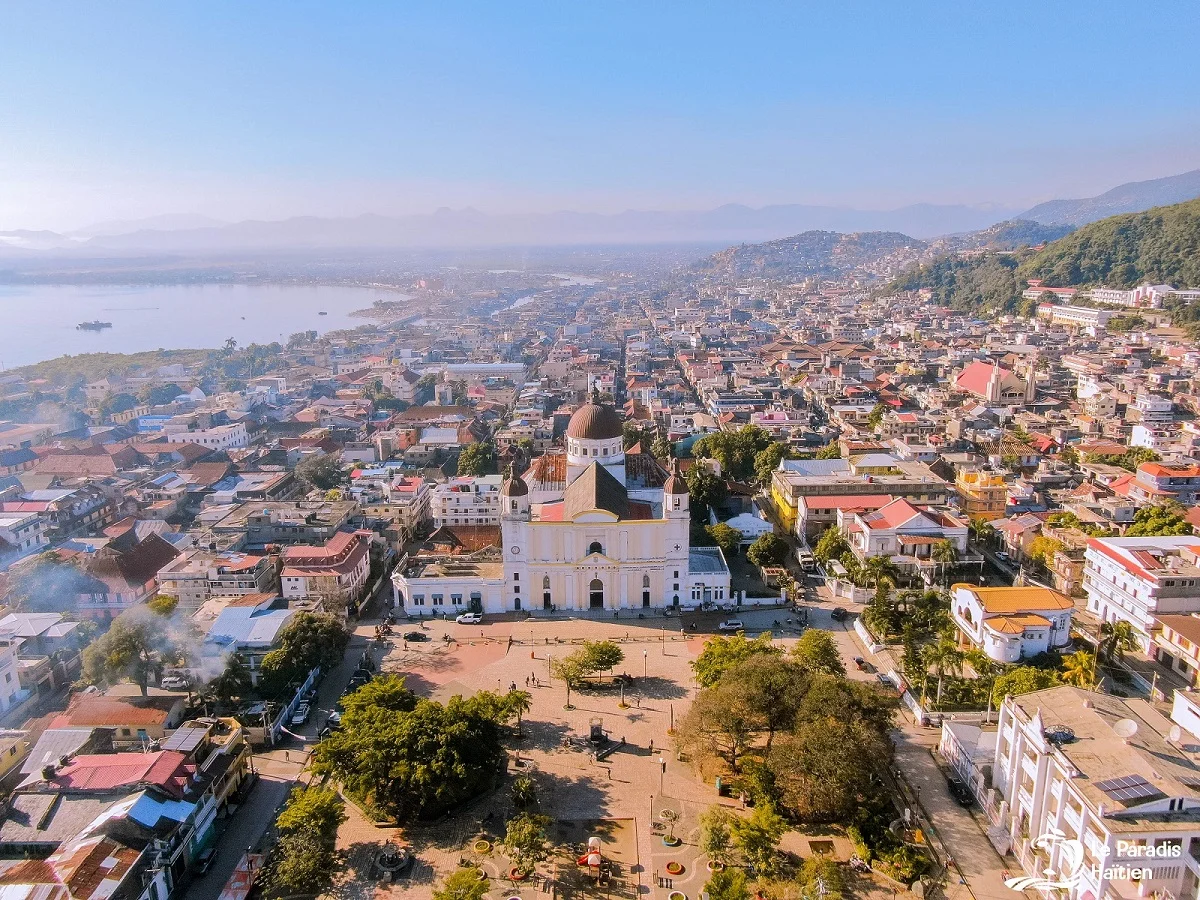
Haïti has a rich historical heritage, including sites like the Citadelle Laferrière and the Sans-Souci Palace, listed as UNESCO World Heritage Sites.

Culture

Culture

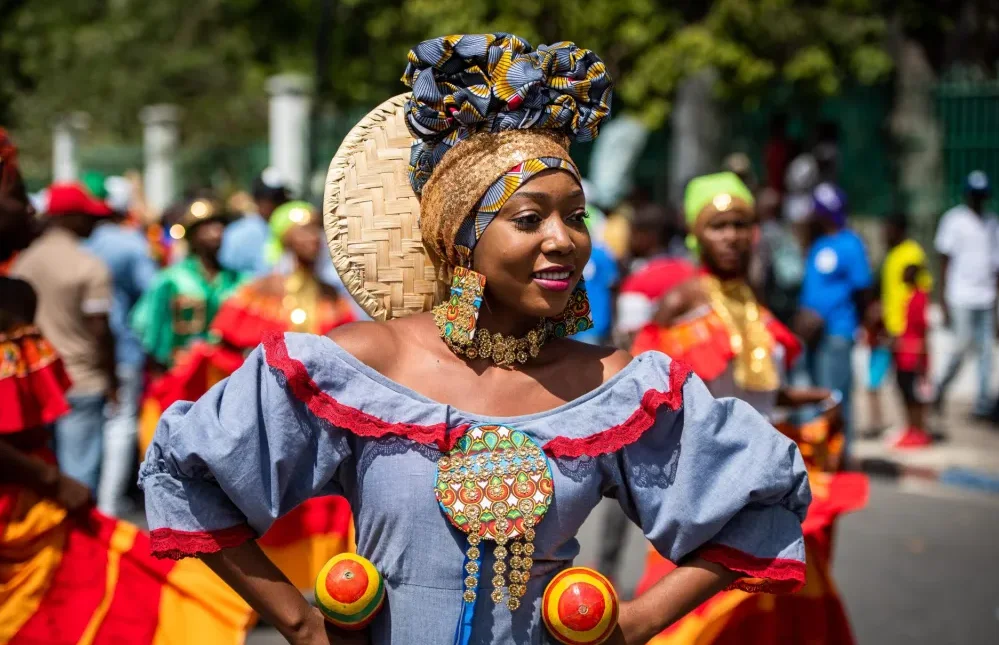
Haïti has a rich and diverse culture, influenced by African, European and indigenous elements. Haitian music, dance, art and cuisine are celebrated around the world.

  • +
    • Post