Haiti, an island located in the Caribbean, is not geographically or politically attached to Africa. However, despite the distance and geographical differences, Haïti and Africa share an extremely strong historical, cultural and spiritual bond, forged by centuries of shared history, including the slave trade, colonization and the struggle for freedom. So, is Haïti part of Africa? Let’s explore this question from different angles, highlighting the African roots that shape Haïti to this day.
Haiti, formerly known as Saint-Domingue, was a French colony that thrived on sugarcane and coffee plantations. However, the island’s economic growth was largely based on the exploitation of millions of African slaves who were deported to the Americas during the transatlantic slave trade. Between the 17th and 19th centuries, these slaves, who came from various regions of West and Central Africa, were forced to work in appalling conditions on the plantations of Saint-Domingue.
Modern Haitian culture, particularly its religious beliefs, musical traditions, dances, and rituals, has its roots in African cultures. Although Africans were reduced to the status of slaves, they resisted by maintaining many practices and beliefs that have survived through the centuries, becoming fundamental elements of Haitian identity.
One of the most significant aspects of the relationship between Haïti and Africa is the history of the Haitian Revolution, the only successful slave revolt that resulted in the creation of an independent republic. In 1804, Haïti became the first independent country in Latin America and the Caribbean and the first black republic in the world after a successful revolt against French colonizers. This symbolic victory resonated beyond Haiti’s borders, particularly in Africa, where oppressed peoples saw in this revolution an example of the possibility of achieving freedom and independence.
The ideals of equality, liberty and fraternity that inspired the Haitian Revolution had a particular resonance among African nations, then under colonial domination. Haïti became a symbol of resistance and struggle for many African populations during the decolonization movements of the 20th century. Thus, Haïti has always been seen as a moral and historical reference for many African peoples in their quest for independence and social justice.
Vodou: A Spiritual Bridge Between Haïti and Africa
Vodou is one of Haiti’s most iconic cultural and religious traditions, with deep roots in Africa, including the beliefs of the people of Benin, Togo, Congo, and other parts of West Africa. When African slaves were deported to Haiti, they brought their religious practices with them, merging them with elements of the Catholicism imposed by the colonists, creating a unique and vibrant religion: Vodou.
The deities of Vodou (known as lwa) are similar to the spirits and deities of traditional African beliefs. Additionally, the rituals, songs, and dances of the Haitian Vodou religion are infused with African influences. The practice of Vodou continues to be a vital part of Haitian culture, illustrating the spiritual connection between Haïti and Africa.
Beyond the historical and cultural heritage, Haïti and Africa also maintain strong diplomatic relations. The Haitian country was one of the first to support decolonization movements across the African continent. For example, Haïti supported the struggles for independence of countries such as Algeria, Congo, and other African nations, offering political and moral aid.
In addition, Haïti actively participates in international events where Africa is present, such as the Africa-Caribbean-Pacific Summit, and maintains close relations with African countries such as Benin, Senegal, and Togo. These relations are also manifested through cultural, educational, and economic exchanges.
Although Haïti is not part of Africa geographically or politically, the historical, cultural, religious, and diplomatic ties that unite this country with Africa are undeniable. Haïti carries within it the heritage of its African ancestors and continues to promote the ideals of freedom and independence dear to Africa.
Haiti’s African roots are found in every aspect of Haitian culture, from music to religion, Creole language to culinary traditions. This unbreakable bond between Haïti and Africa is a testament to the resilience of Black people, a bridge that continues to connect these two regions of the world despite the geographical distance.
First black nation to free itself from slavery and gain independence from France in 1804 and influenced other liberation movements around the world, inspiring struggles for freedom and equality.
Natural beauty
Haïti is blessed with spectacular natural landscapes, including white sand beaches, mountains and rich biodiversity.
Heritage
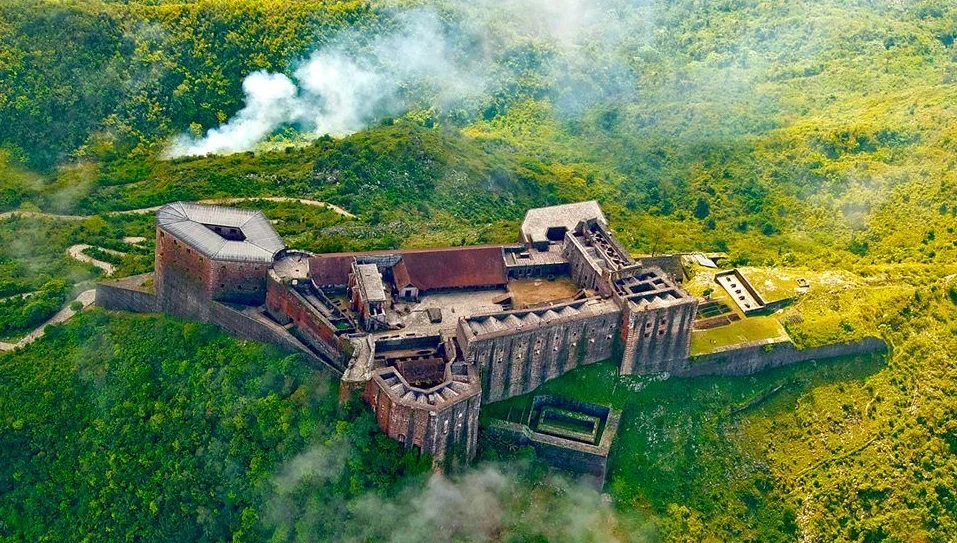
Haïti has a rich historical heritage, including sites like the Citadelle Laferrière and the Sans-Souci Palace, listed as UNESCO World Heritage Sites.
Culture
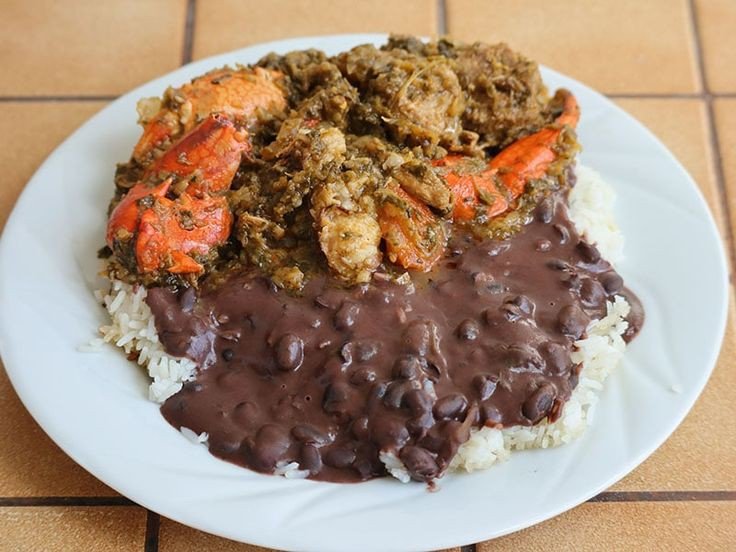
Haïti has a rich and diverse culture, influenced by African, European and indigenous elements. Haitian music, dance, art and cuisine are celebrated around the world.

































J'ai suis fière d'avoir d' Haïti
April 30, 2026 - 10:31:28 AM