World Tourism Day: 7 Reasons Why Haïti is an Exceptional Tourist Destination
Majestic citadel, heavenly beaches, vibrant art: Discover why Haiti is revolutionizing Caribbean tourism and why you absolutely must visit now.

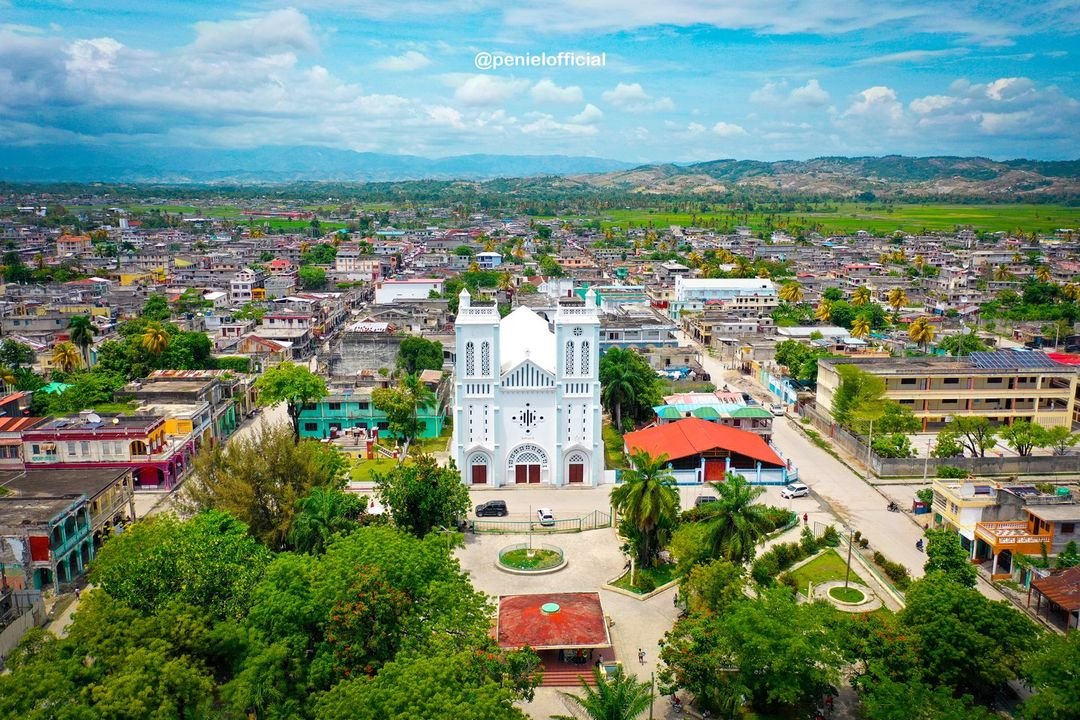
Haiti, a Caribbean republic with a rich historical past, is divided into ten departments comprising 140 communes. Its history dates back to pre-Columbian times with the Tainos, followed by European colonization and a historic rebellion against slavery and colonial rule, culminating in its independence in 1804. Despite its current challenges, Haïti offers remarkable natural beauty with its beaches, its mountains and its cultural diversity. Among its municipalities, some stand out for their charm and history. Here is a selection of five of the most remarkable communes in Haiti, inviting you to discover its hidden treasures.
On Friday, August 16, 2024, the historic city of Cap-Haïtien was the scene of a new edition of the OKAP ANN PEDALE event, marking the launch of the fifth edition of SUMMER STREET. This annual event, now unmissable, was distinguished by an effervescent atmosphere and a strong message aimed at promoting the Northern region of Haiti.
Summer is just around the corner, and if you’re looking for a sunny, cultural and flavorful destination, Jacmel and its surrounding areas in Haïti are the perfect place to discover. Nestled between sea and mountains, this region offers a unique experience combining relaxation, cultural exploration and culinary delights.
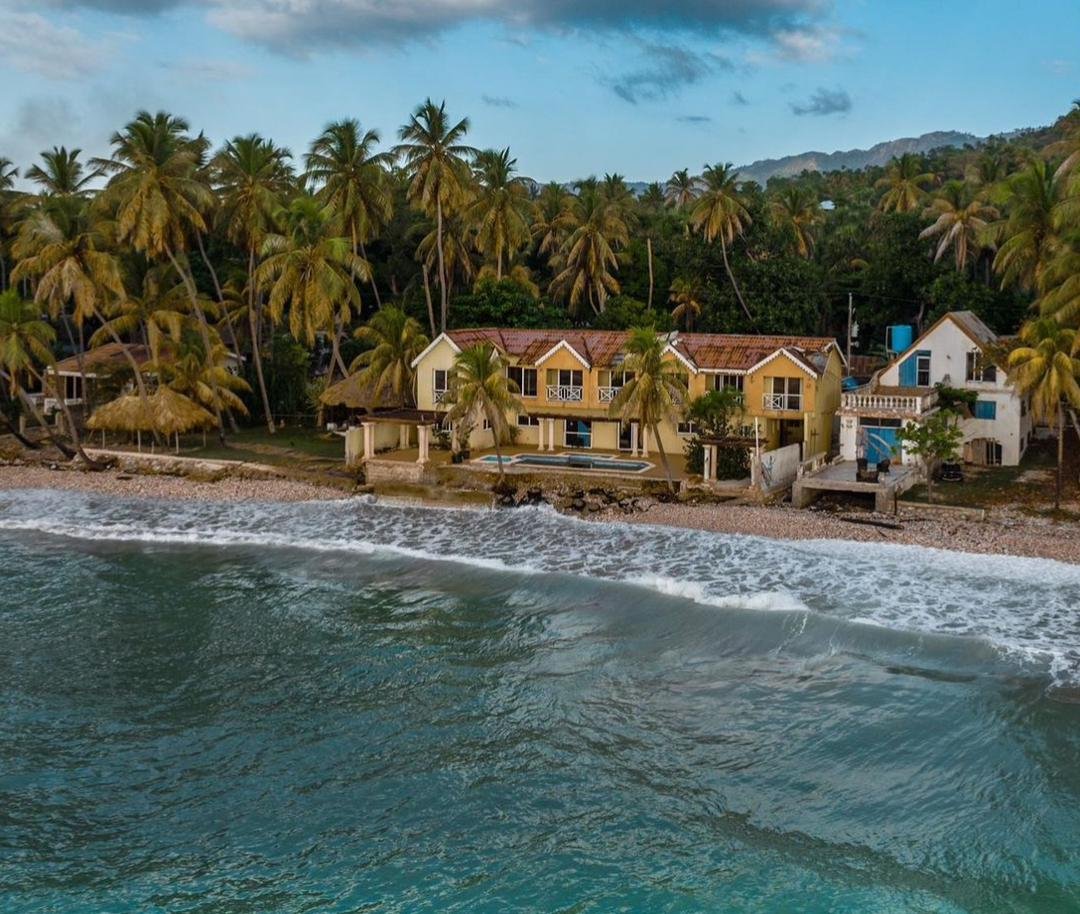
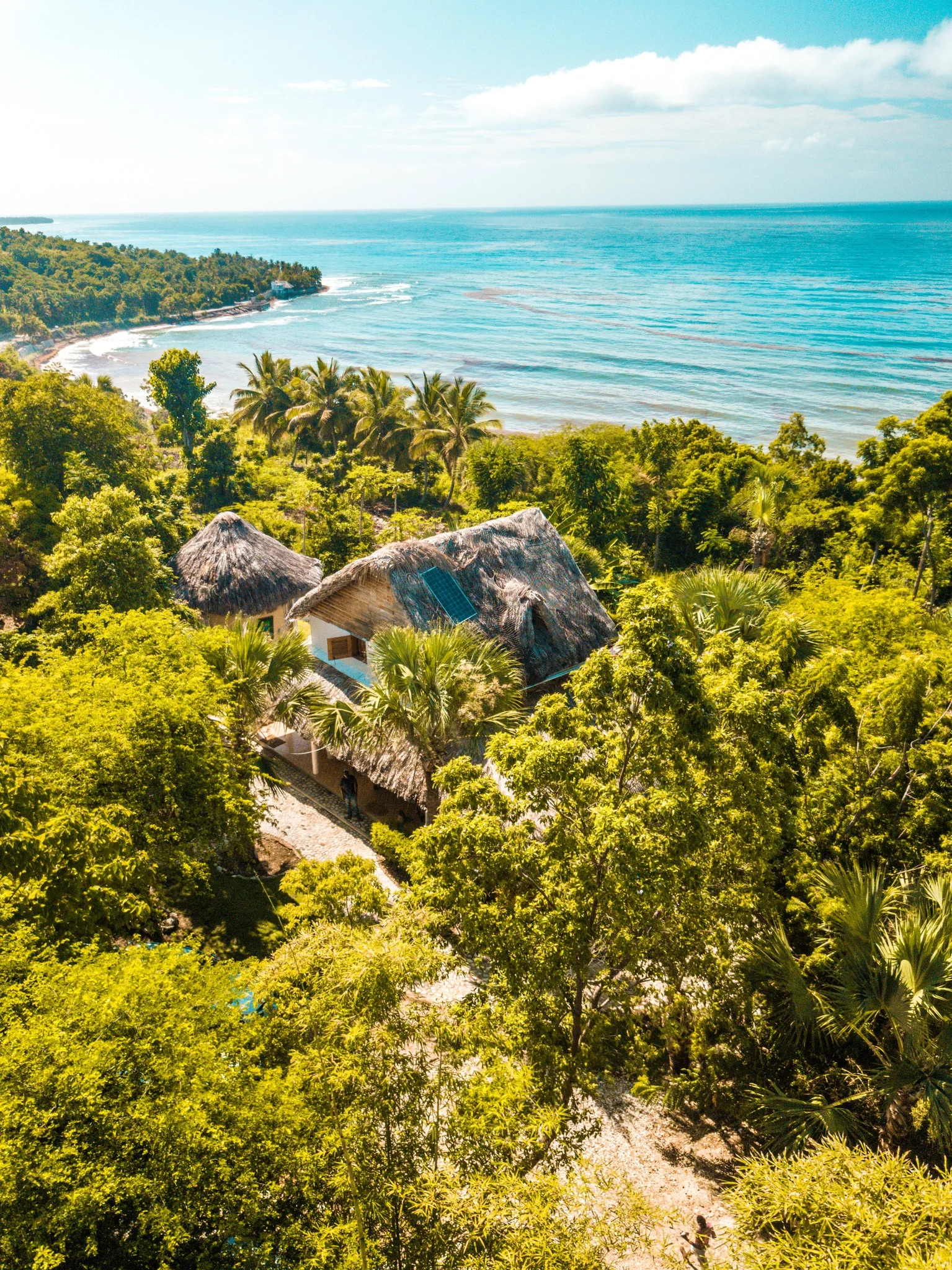
Nestled in the splendid mountains of the southeastern region of Haiti, the picturesque commune of Cayes-Jacmel emerges as a rare pearl, offering an incomparable tourist and cultural experience. With its lush green landscapes, rich cultural heritage and exciting activities, this destination promises an unforgettable journey for travelers seeking authenticity and natural beauty. As soon as you arrive in Cayes-Jacmel, you will be captivated by the splendor of its landscapes. The plains and hills that dominate the terrain offer a breathtaking spectacle, ideal for picturesque hikes and leisurely walks. The town is also full of crystal clear waterways, perfect for a refreshing break or a relaxing fishing session. Explore the hidden trails and let yourself be enchanted by the thriving biodiversity of the region, where nature reigns supreme. Without forgetting the magnificent beaches of Kabic like "Ti Mouillage", where the fine sand and turquoise waters invite relaxation and water sports. Cayes-Jacmel is steeped in rich history and vibrant culture, reflected in its majestic temples and churches. With more than thirty-two temples of all faiths, including Baptist churches, Churches of God and Catholic churches, the town is a symbol of religious diversity and tolerance. Immerse yourself in the region’s fascinating past by visiting the magistrate’s court and police station, witnesses to its political and legal legacy. Experience the excitement of local life by participating in the lively festivals and cultural events of Cayes-Jacmel. Immerse yourself in the haunting rhythms of Haitian music during community celebrations, and discover traditional crafts at local markets. Don’t miss the town’s annual festival, where dance, gastronomy and the arts combine to create a festive and warm atmosphere. Whether you’re a sports lover, adventure enthusiast, or simply looking for relaxation, Cayes-Jacmel has something to offer every traveler. Play football or basketball on the local pitches, or dance the night away at one of the town’s lively nightclubs. For an authentic experience, join a fishing excursion with the locals, or explore the region’s hidden gems on an exciting jeep tour. With its breathtaking natural beauty, rich cultural heritage and captivating activities, Cayes-Jacmel emerges as an incomparable tourist and cultural destination in Haiti. Whether you are looking for adventure, relaxation or cultural discoveries, this picturesque town promises you an unforgettable experience, imbued with the very essence of Haitian life. Embark on a journey to the heart of the magic of Cayes-Jacmel and let yourself be enchanted by its charm.
Nestled in the southeast of Haiti, Belle-Anse is a destination that fascinates with its natural beauty and rich history. This small town, still often ignored by major tourist routes, is full of treasures that deserve to be discovered. Its wild beaches, its imposing mountains and its unique historical heritage make Belle-Anse a hidden pearl, ready to seduce travelers in search of authenticity and tranquility. Belle-Anse, founded in the 18th century, still bears the traces of its past. Its history, marked by changes of names and identity, bears witness to the political and social upheavals that have given the region. From the colonial era to the birth of the Republic, each corner of the city tells a part of the history of Haiti. This rich past is combined with a vibrant cultural life, where local festivals, such as the celebration of the Patron Saint every December 10, offer an authentic glimpse into the lives of the inhabitants. The historical remains scattered throughout the city are not only a reminder of the era of colonization, but also of the struggles for independence. These witnesses of the past, combined with a calm and preserved atmosphere, make Belle-Anse a place where history and nature intertwine harmoniously. What distinguishes Belle-Anse is undoubtedly its spectacular natural environment. Ultimately, these beaches before the deserts invite you to relax. Lagan Beach, lined with palm trees and crystal clear waters, offers an idyllic setting for lovers of wild nature, far from the crowds of more frequent tourist destinations. The nearby Bay of Jacmel is a true natural bliss, promising moments of calm and escape. The city is also surrounded by majestic mountains, ideal for those who wish to explore the Haitian landscapes on foot, while discovering a unique biodiversity. While Belle-Anse’s natural resources are rich, they are also fragile, and preserving these areas remains an important issue for the future of the region.
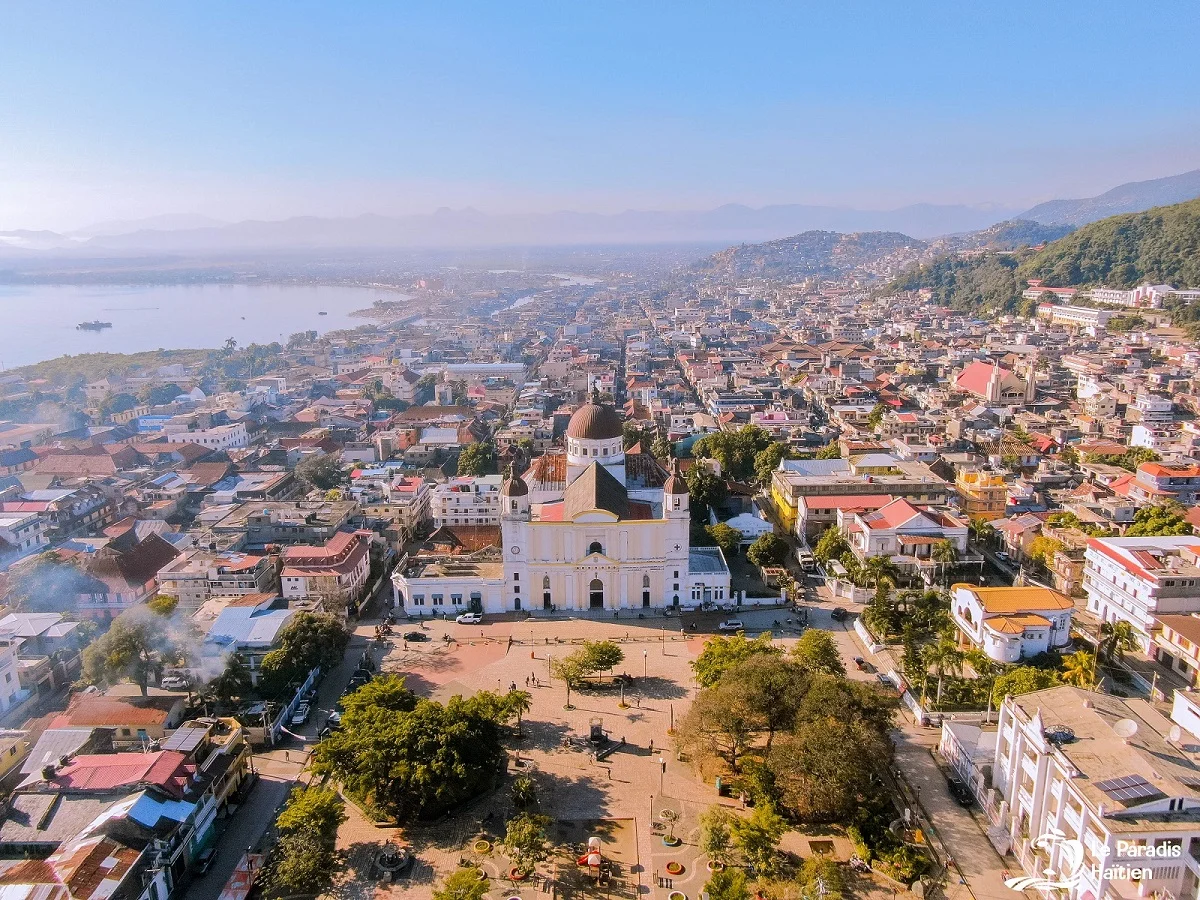
Cap-Haïtien, is a coastal city in the northern department of Haiti, formerly known under the names of Cap-Français or Cap-Henri. Dominated by the Morne Jean mountain, this destination offers an immersion in the French colonial past and the Haitian revolution. Nestled by picturesque bays and bordered by the Haut-du-Cap river, Cap-Haitien appeals to travelers looking for authenticity and seaside adventure. The city, rich in history and culture, has seen the birth of renowned artists like Philomé Obin and hosts a vibrant music scene with the groups Septentrional and Tropicana from Haiti. Its hidden treasures, including the Citadelle La Ferrière and the historic site of Vertières, as well as its magnificent natural landscapes, make Cap-Haitien an unmissable destination in the Caribbean. Paradise beaches in Labadie and cobbled streets evoking a rich past invite visitors to fully immerse themselves in Haitian history and culture. Cap-Haïtien, formerly Cap-Français or Cap-Henri, is the second city of Haiti, capital of the Nord department and the district of Cap-Haïtien. Located on the northern coast of the Republic of Haïti , was considered in the 19th century as the safest port. Dominated by the Morne Jean mountain, culminating at 718 meters above sea level, the town is located at the mouth of the Haut-du-Cap river, on the west coast. of the bay of Cap-Haïtien. To the west of the town lies the Acul Bay.
Jacmel, Haiti’s hidden gem, is celebrating its 326th anniversary this year. Located on the country’s southeastern coast, this picturesque city, known for its enchanting landscapes and rich cultural heritage, is an inexhaustible source of beauty and creativity.
Haiti, often called "the Pearl of the Antilles" and formerly known as "Hispaniola", is a Caribbean country rich in history and culture. It is home to several major cities that play crucial roles in its economic, political and cultural development. Each of these cities has its own character and particularities. Here is an exploration of the 15 major cities of Haiti:
Located in the western part of the island of Hispaniola, Haïti is a land imbued with natural, cultural and historical wealth. Unfortunately, behind the beauty of its landscapes, the richness of its culture and the delicacy of its cuisine lies a complex reality marked by the debt of its independence and the persistent interference of third countries, casting a shadow over its stability. b~The Natural Beauty of Haïti~b Haïti, nicknamed the "Pearl of the Antilles", dazzles with the diversity of its landscapes. From majestic mountains and lush valleys to meandering rivers and sandy beaches, the country offers natural beauty worth celebrating. The famous Citadelle Laferrière mountains and the refreshing waterfalls of Bassin-Bleu are just a few examples of the splendor that characterizes this nation. b~A Rich and Diverse Culture~b Haïti stands out for its vibrant and diverse culture. A heritage of African, French and indigenous influence, Haïtian music, dance and art reflect a unique fusion. Colorful festivals, like Carnival, are celebrations of this cultural richness, attracting visitors from all over the world. b~Delicious Cuisine~b Haïtian cuisine, tasty and spicy, is another aspect worth celebrating. Dishes like griot, sticky rice, and the legendary joumou soup, traditionally prepared to commemorate independence, are all culinary delights that demonstrate the country’s gastronomic ingenuity. b~Heritage Treasures and Paradise Beaches~b Haïti’s heritage treasures, such as the remains of the Sans-Souci Palace and the Citadelle Laferrière, listed as UNESCO World Heritage Sites, are testimonies to the architectural grandeur of Haïti’s past. At the same time, beaches like Labadee and Jacmel offer havens of peace with crystal clear waters, attracting travelers in search of a tropical paradise. b~A Fascinating Story~b The history of Haïti is both fascinating and tragic. It was the first country in the Americas to gain its independence, in 1804, after a courageous slave revolt. However, this independence came with a heavy financial price. France demanded exorbitant compensation, thus laying the foundations for Haïti’s foreign debt. b~The Debt of Independence and Foreign Interference~b Despite these treasures, Haïti struggles with the reality of its independence debt. After gaining its freedom, the country was forced to pay France a considerable sum in compensation for losses associated with the abolition of slavery. This debt has been a major economic burden for Haïti, hindering its development. Additionally, foreign interference continues to create significant challenges. External political and economic interventions have often contributed to the country’s instability, hindering its ability to build a sustainable future for its citizens. b~In conclusion~b Haïti remains a country of multiple riches, but its challenges persist. Despite its natural beauty, rich culture and fascinating history, the nation needs enlightened international support and lasting solutions to overcome the obstacles that stand in its way. Haïti’s wealth lies not only in its enchanting landscapes, but also in the potential of its people to be resilient and prosper despite persistent challenges.
The ideal place for vacations, honeymoons, excursions, sightseeing tours and much more. This paradise island, located in the south of Haiti, near Île-à-Vache, offers a picturesque setting which makes it a destination of choice. A stone’s throw from Île à Vache, a 128 km² island bathed by the crystal clear waters of the Caribbean Sea, Île des Amoureux is a true gem to explore in Haiti. Just 5.50 nautical miles from the coastal town of Les Cayes, this island is easily accessible. Travelers can reach the town of Les Cayes by car or opt for charter flights arriving at the regional airport. From the port of Les Cayes, a short 20-minute boat trip will take you to this enchanting destination. The fascinating history of Île à Vache adds an extra dimension to your experience. Once a refuge for pirates and buccaneers, this island was nicknamed "Treasure Island". Today, it continues to charm visitors with its authentic ambiance, pristine beaches and crystal clear waters. Whether you’re looking for beach relaxation, underwater adventures, a romantic getaway, an exotic adventure or cultural discoveries, Lovers’ Island has it all. Dive into the clear waters to explore colorful coral reefs, hike through lush vegetation, or soak up the bustling atmosphere of local markets. For couples looking for romance, there’s nothing like a sunset stroll on the beach, followed by a candlelit dinner under the stars. Lovers’ Island is much more than just a vacation destination, it is a true haven of peace where adventure and relaxation meet. Whether you are a lover of relaxation or an adventurer at heart, this island will seduce you with its authentic charm and breathtaking landscapes. Embark on an unforgettable getaway and discover all that Haïti has to offer on this island paradise.

"Ayiti Liv" is an online platform dedicated strictly to promoting Haitian literature. It will be operational starting May 1, 2025, and will feature about 300 major works of Haitian literature, written by over 70 authors. Full public access will be granted for its launch phase. Jean Venel Casseus, one of the platform’s initiators, explains that this initiative was created to fill a significant gap, and this vast project is being carried out by him and a passionate team of Haitian literature lovers.
To mark the 345th anniversary of Cap-Haïtien, Okap Fashion Men is organizing an exceptional event: a fashion day dedicated to the 50s. This unique event immerses participants in the elegance of a bygone era, where sophistication and refinement were at the heart of fashion.
Christmas in Haïti is much more than just a Christian holiday: it is an opportunity to celebrate solidarity, generosity, and unity within families and communities. Haitians embrace this time as a time to gather, share, and reflect on the essential values of humanity. This article explores how Christmas in Haïti embodies these values of sharing and generosity through unique traditions, acts of solidarity, and festive meals.

First black nation to free itself from slavery and gain independence from France in 1804 and influenced other liberation movements around the world, inspiring struggles for freedom and equality.

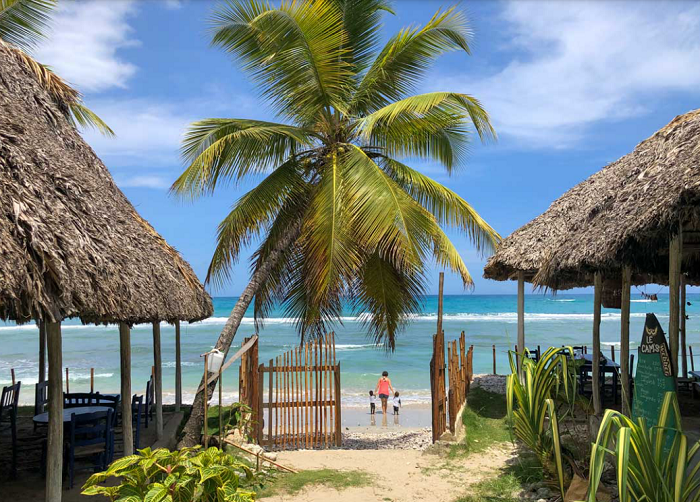
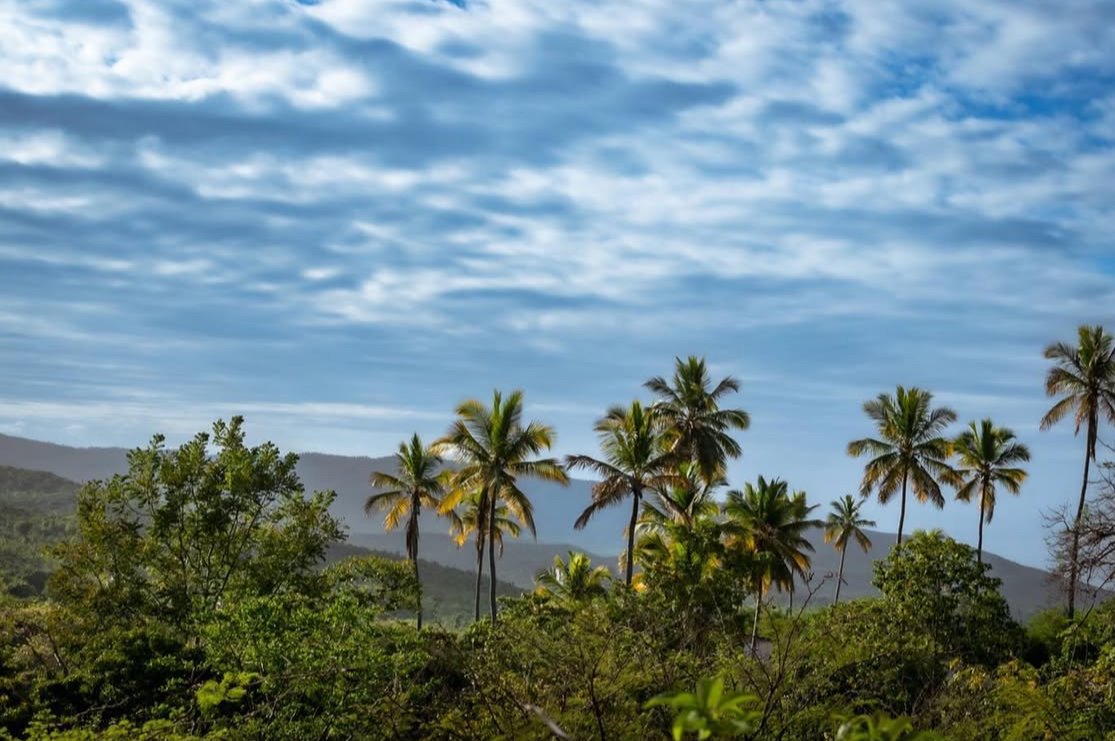
Haïti is blessed with spectacular natural landscapes, including white sand beaches, mountains and rich biodiversity.

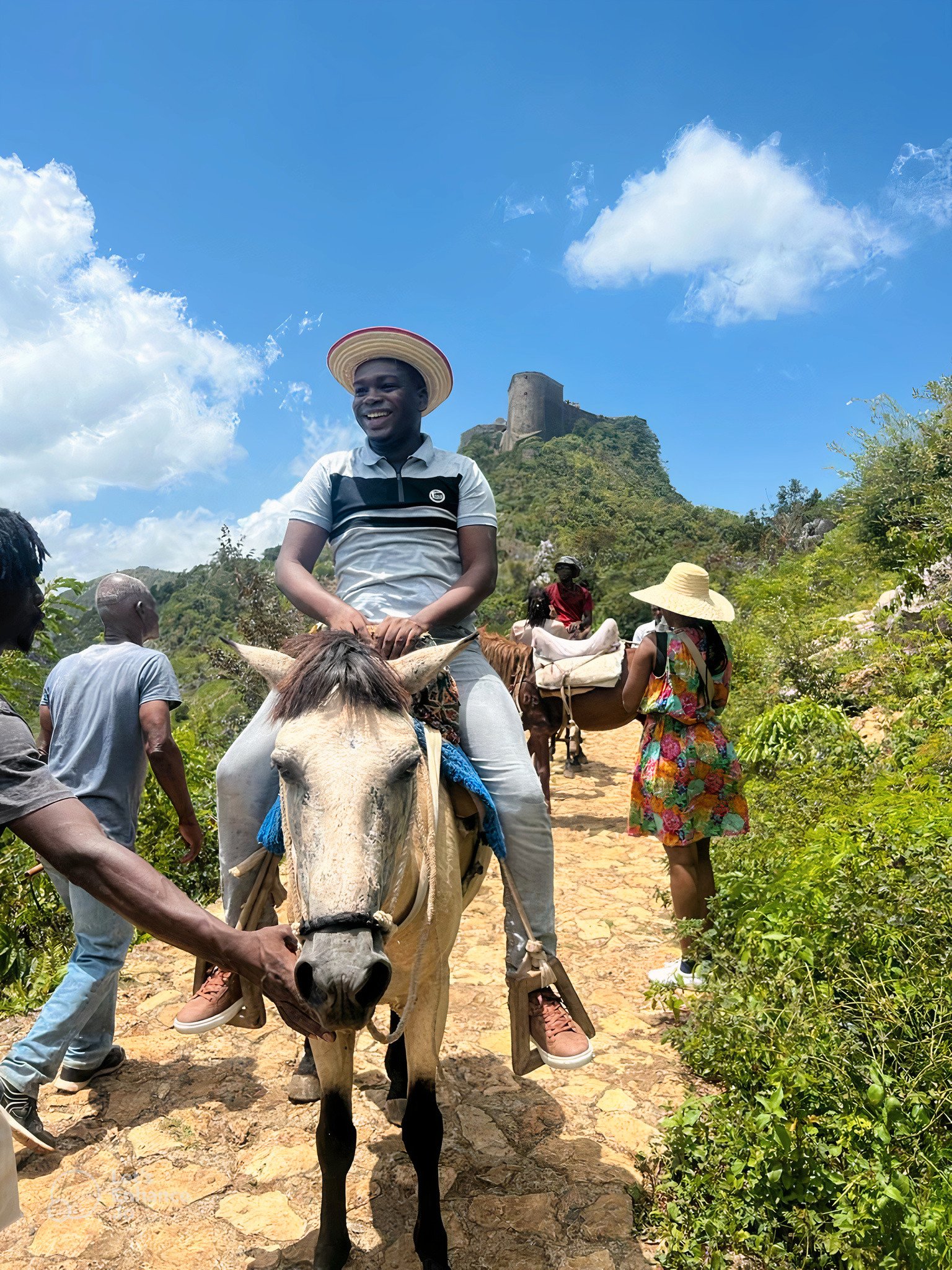
Haïti has a rich historical heritage, including sites like the Citadelle Laferrière and the Sans-Souci Palace, listed as UNESCO World Heritage Sites.

Haïti has a rich and diverse culture, influenced by African, European and indigenous elements. Haitian music, dance, art and cuisine are celebrated around the world.