


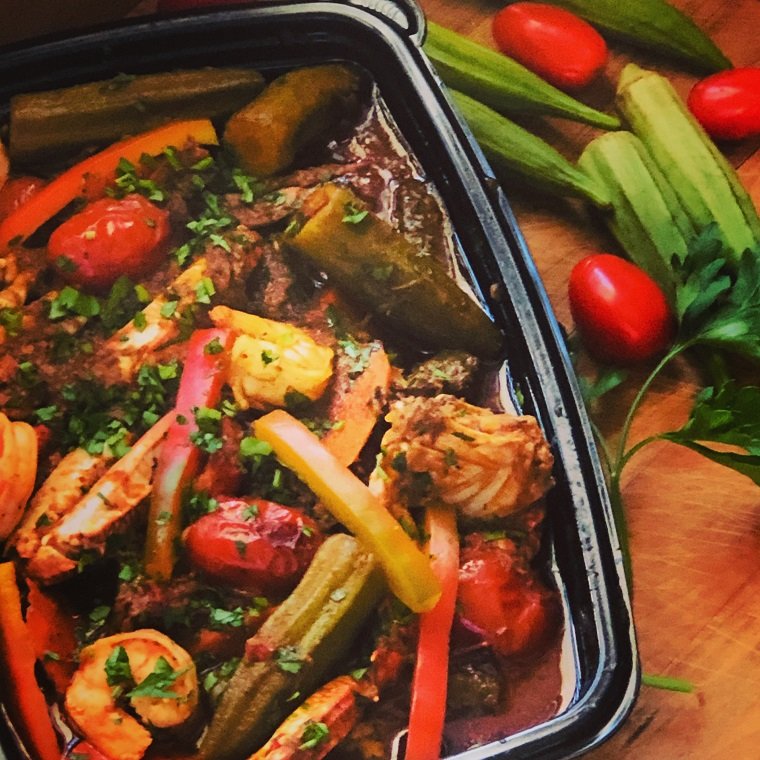
Quick and easy recipe for Haitian calalou sauce
Do you like calalou? How would you rate your calalou sauce out of 10? And when was the last time you had a good calalou?
On January 1, 1804, Haïti became free after a fierce struggle against colonization and slavery. Located in the Caribbean region, it occupies the western third of the island of Hispaniola, which it shares with the Dominican Republic. With an area of 27,750 km², it is bordered to the north by the Atlantic Ocean, to the south and west by the Caribbean Sea and to the east by a land border of 376 kilometers with its eastern neighbor. This geographical location, rich in contrasts, shapes not only its identity, but also the economic and environmental challenges that the country must face.
As the new season of Rara looms on the horizon, certain groups such as Saint Jacques Majeur, Ratyèfè, Florida Band, Lambi Grand, and Grap Kenèp are already preparing to light up the streets of Petit-Goâve with their flamboyant costumes and their captivating melodies. For these groups, the future looks bright, promising a season full of passion and success. However, other rara bands are still hesitant about which direction to take. Despite these uncertainties, optimism reigns regarding the success of this new season for all rara groups in the commune of Petit-Goâve. Rara, anchored in the Vodou tradition, is much more than a simple artistic manifestation. It embodies the very essence of Haitian culture, highlighting questions of memory, tradition and identity. This increasingly popular form of artistic expression attracts a large audience and arouses unprecedented enthusiasm. Groups like Ratyèfè, Grap Kenèp, Florida Band and Chenn Tamaren, recognized for their ability to delight their fans, play a crucial role in the continued growth of rara in the town. The rara season traditionally begins on Dead Thursday and ends on the night of Easter Sunday or quasimodo Monday. To mark the beginning of this sacred period, groups organize opening ceremonies, honoring the spirits of the deceased in rituals steeped in spirituality. These ceremonies, often held in cemeteries or in the "Bitasyons" of groups, symbolize the deep link between the rara and Vodou traditions.
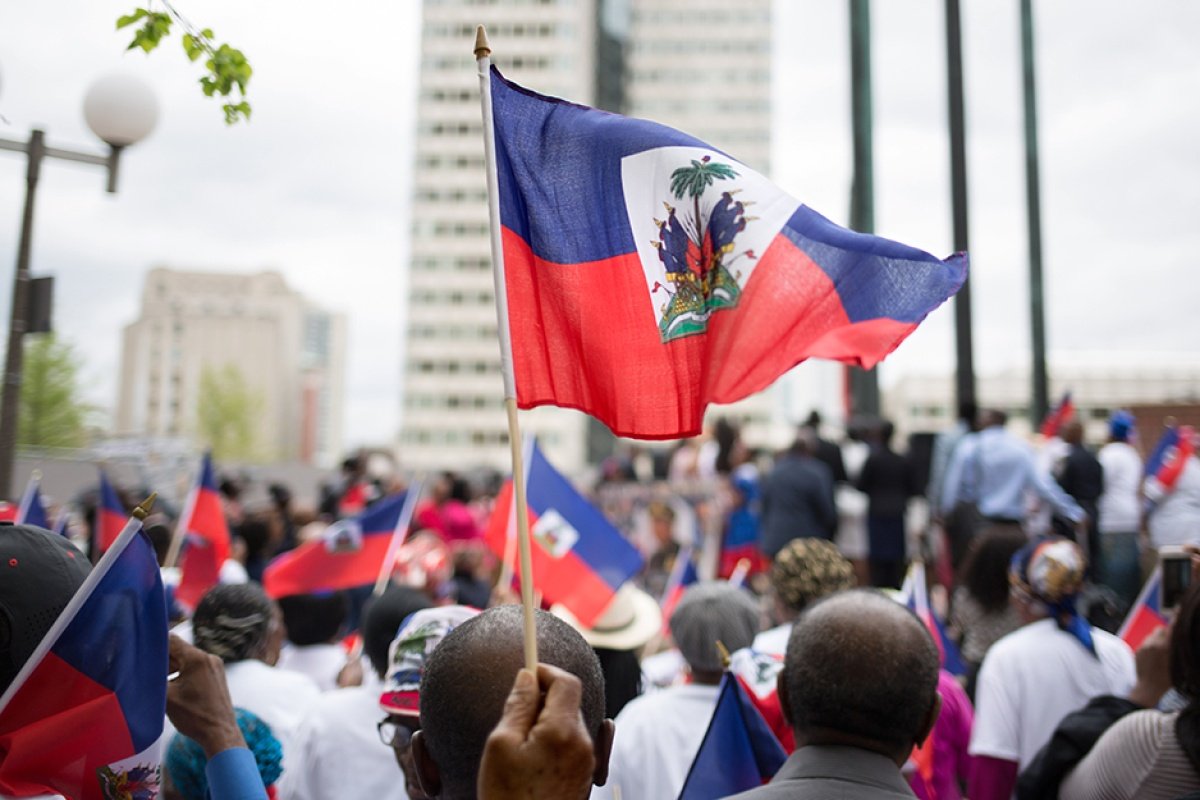
On May 18, Haïti celebrates "Flag Day", a public holiday marking the creation of the Haitian flag in 1803. Displayed for the first time in Arcahaie by Jean-Jacques Dessalines, this national symbol results from the fight for independence against slavery and French domination. Established in 1926 by Timothée Paret, then Minister of Justice under the presidency of Louis Borno, this celebration took on a particular dimension in the midst of American occupation and remains as a tradition. Haitians honor this day with school parades, musical groups in the streets and patriotic songs, recalling the union and solidarity of ancestors. The “Flag Festival” is an opportunity to reflect on the values of freedom and determination which continue to forge the Haitian national identity.
Haiti, nicknamed "the Pearl of the Antilles", is distinguished by the richness of its landscapes, its vibrant culture and the tenacity of its people. Its heavenly beaches, majestic mountains and emblematic sites, such as Macaya National Park and Bassin Bleu, are natural treasures that testify to the raw beauty of the island. However, these wonders are jeopardized by ecological challenges such as deforestation and climate change. Its vibrant and diverse culture is echoed in its music, crafts and spiritual traditions such as voodoo. Despite economic and social challenges, it is in the tenacity of its inhabitants that lies the true wealth of Haiti, a people determined to preserve their roots and build a brighter future.
Haiti, a Caribbean republic with a rich historical past, is divided into ten departments comprising 140 communes. Its history dates back to pre-Columbian times with the Tainos, followed by European colonization and a historic rebellion against slavery and colonial rule, culminating in its independence in 1804. Despite its current challenges, Haïti offers remarkable natural beauty with its beaches, its mountains and its cultural diversity. Among its municipalities, some stand out for their charm and history. Here is a selection of five of the most remarkable communes in Haiti, inviting you to discover its hidden treasures.
The night of February 17, 2024 will remain engraved in the memories of music lovers in Jacmel, Haiti, thanks to a breathtaking show which took place at the Alliance Française. This remarkable event, part of the prestigious Jacmel Jazz Festival calendar, offered spectators an exceptional musical experience with its Acoustic Revival program.
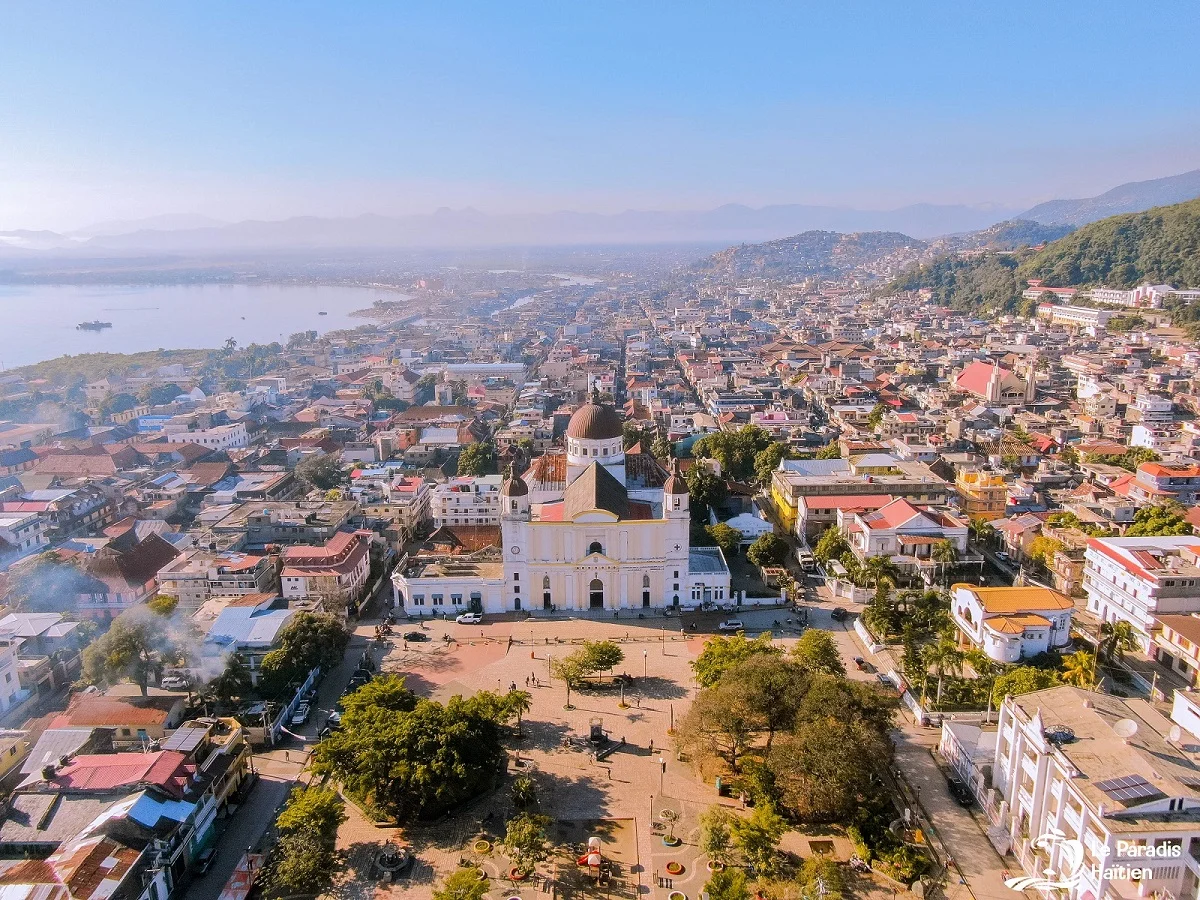
Cap-Haïtien, is a coastal city in the northern department of Haiti, formerly known under the names of Cap-Français or Cap-Henri. Dominated by the Morne Jean mountain, this destination offers an immersion in the French colonial past and the Haitian revolution. Nestled by picturesque bays and bordered by the Haut-du-Cap river, Cap-Haitien appeals to travelers looking for authenticity and seaside adventure. The city, rich in history and culture, has seen the birth of renowned artists like Philomé Obin and hosts a vibrant music scene with the groups Septentrional and Tropicana from Haiti. Its hidden treasures, including the Citadelle La Ferrière and the historic site of Vertières, as well as its magnificent natural landscapes, make Cap-Haitien an unmissable destination in the Caribbean. Paradise beaches in Labadie and cobbled streets evoking a rich past invite visitors to fully immerse themselves in Haitian history and culture. Cap-Haïtien, formerly Cap-Français or Cap-Henri, is the second city of Haiti, capital of the Nord department and the district of Cap-Haïtien. Located on the northern coast of the Republic of Haïti , was considered in the 19th century as the safest port. Dominated by the Morne Jean mountain, culminating at 718 meters above sea level, the town is located at the mouth of the Haut-du-Cap river, on the west coast. of the bay of Cap-Haïtien. To the west of the town lies the Acul Bay.
The beaches of Petit-Goâve are true coastal escapes in Haiti. Nestled along the southwest coast of the island, in the West department of the Republic of Haiti, the town of Petit-Goâve is home to natural treasures that are often overlooked: its magnificent beaches. These coastal gems offer locals and visitors spaces for relaxation and leisure where fine sand meets the crystal clear waters of the sea.
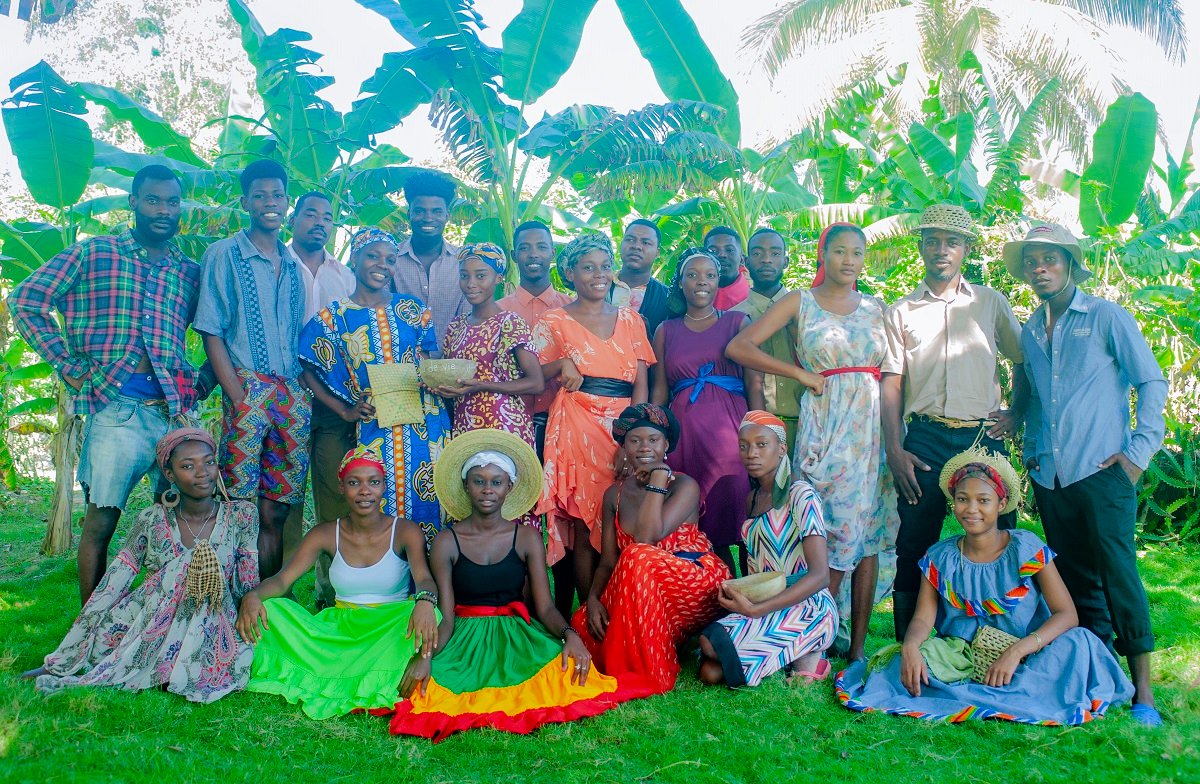
In Jacmel, a group of young people called Eau de Vie, founded in June 2021, is dedicated to the rediscovery of Haitian culture. Among the founding members are César Rocher, Déborah Vil, Max Jean Julien, Lansley Lemaire, Jacky Edwing Laguerre, Francesca Faustin, Sthélianie Dominique, Mackenson Gilot and Gédeon Riché. Their mission is to introduce young people to unknown sites in their own city, and soon, throughout the country. Through events like the "Jounen Dantan", Eau de Vie highlights local traditions and promotes cultural exchanges. Mainly based in Jacmel, the group organizes its activities in emblematic places such as the blue basin. Eau de vie aspires to strengthen the feeling of belonging of young people towards their heritage and to promote a spirit of community and sharing within Haitian youth.
Local trade in Haiti, while rich in diversity and potential, faces numerous challenges, including the low visibility of local producers and the lack of adequate infrastructure for marketing their products. This includes the massive influx of products from foreign countries, which unfairly overwhelms the small Haitian market with very poor-quality products. It is in this context that Phanord Cabé, CEO of the online media Hebdo24, unveiled his ambitious project, "Mache Ayisyen." It is a digital platform dedicated to the promotion and sale of local Haitian products. Scheduled for launch in April 2025, Mache Ayisyen aims to connect Haitian producers and consumers through an online platform. The objective is clear: to encourage the consumption of local products while providing much-needed visibility to the country’s small businesses. By focusing on the growth of local commerce, this initiative could be a catalyst for boosting the Haitian economy.
On Saturday, July 13, 2024, the El Rancho Convention Center hosted the Made in Haïti Expo (MIH Expo), a major event aimed at promoting Haitian know-how and local industries. Organized in partnership with the Ministry of Commerce and Industry, the Association of Industries in Haïti (ADIH) and various other companies, this exhibition highlighted the richness and diversity of Haitian products.
Located in the southern metropolis of Haiti, within the commune of Camp Perrin, near the city of Les Cayes, Saut Mathurine is one of the largest and impressive waterfalls in Haiti. this natural site is a true treasure for nature lovers, adventurers and tourists in search of authentic beauty. If the southern region of Haïti is known for its many lush beaches under the weight of the Antilles sun, its numerous caves, forts of all kinds and other important historical sites. Among all this great natural wealth, there are cities which stand out for their exceptional side. And which does not leave those who are willing to visit them indifferent. The Mathurine jump is precisely one of them. The Saut Mathurine stands out for its impressive height and powerful flow, creating a breathtaking natural spectacle. The waterfall, which flows forcefully into a pool, is made up of clear, turquoise waters, while providing an idyllic and peaceful setting for those who bathe there. In other words, visitors can take advantage of this enchanting setting to relax, picnic or swim in the fresh and invigorating waters of Mathurine Falls.
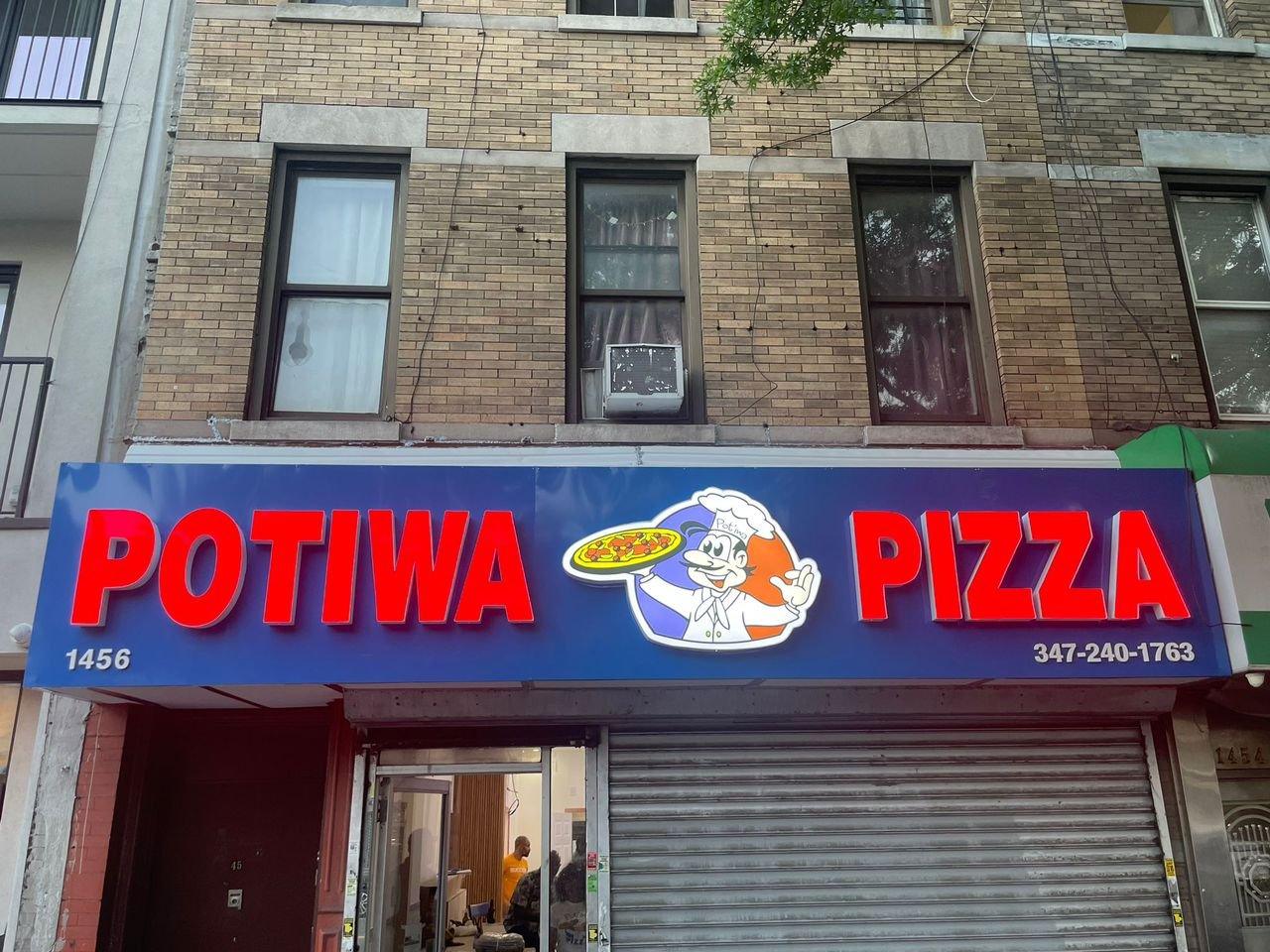
Pot’iwa Pizza, a Haitian company renowned for its pizzas with authentic Haitian flavors, continues to expand its international footprint with the imminent opening of its fifth restaurant, located in Brooklyn, New York. This new opening marks an important step in the growth of Pot’iwa Pizza and demonstrates its undeniable success since its creation.
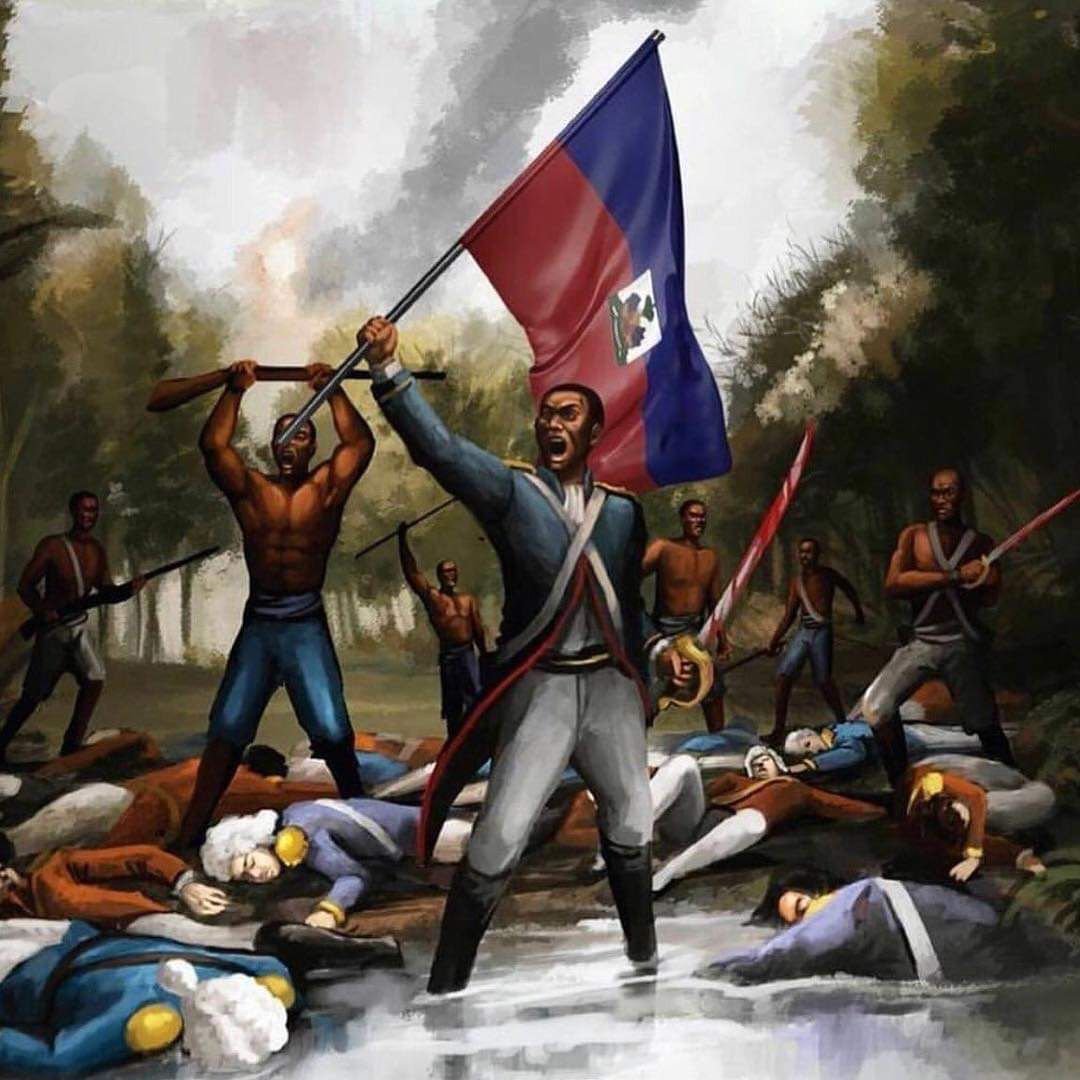
On January 1, 1804, a significant event in world history occurred: the proclamation of the independence of Haiti. On that day, Haïti became the first independent black country in the modern world, marking the end of more than a decade of bitter struggle against French colonial oppression and slavery.

First black nation to free itself from slavery and gain independence from France in 1804 and influenced other liberation movements around the world, inspiring struggles for freedom and equality.

Haïti is blessed with spectacular natural landscapes, including white sand beaches, mountains and rich biodiversity.

Haïti has a rich historical heritage, including sites like the Citadelle Laferrière and the Sans-Souci Palace, listed as UNESCO World Heritage Sites.

Haïti has a rich and diverse culture, influenced by African, European and indigenous elements. Haitian music, dance, art and cuisine are celebrated around the world.