

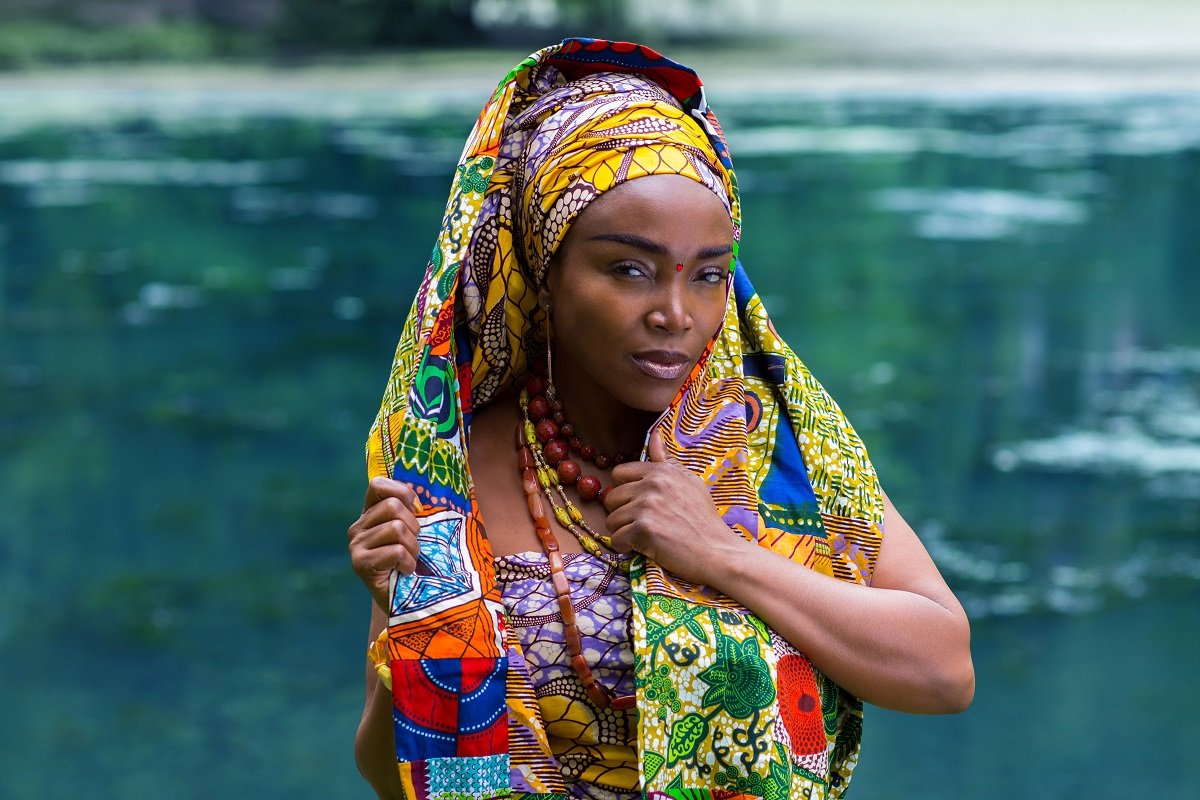



Children’s Carnival in Cap-Haïtien: A festive atmosphere in the heart of the city
Discover the Children's Carnival in Cap-Haïtien, a joyful celebration full of color and Haitian traditions!
In the competitive world of the travel and hospitality industry, standing out is essential to attract customers and convince them to choose your property among a multitude of options. That’s where virtual tour services come in, providing an immersive experience that gives potential clients a realistic taste of what you have to offer. At the heart of this booming trend is Wonderland 360°, a division of Haïti Wonderland, specializing in creating high-end virtual tours for Airbnb, hotels, restaurants and other real estate businesses in Haiti.
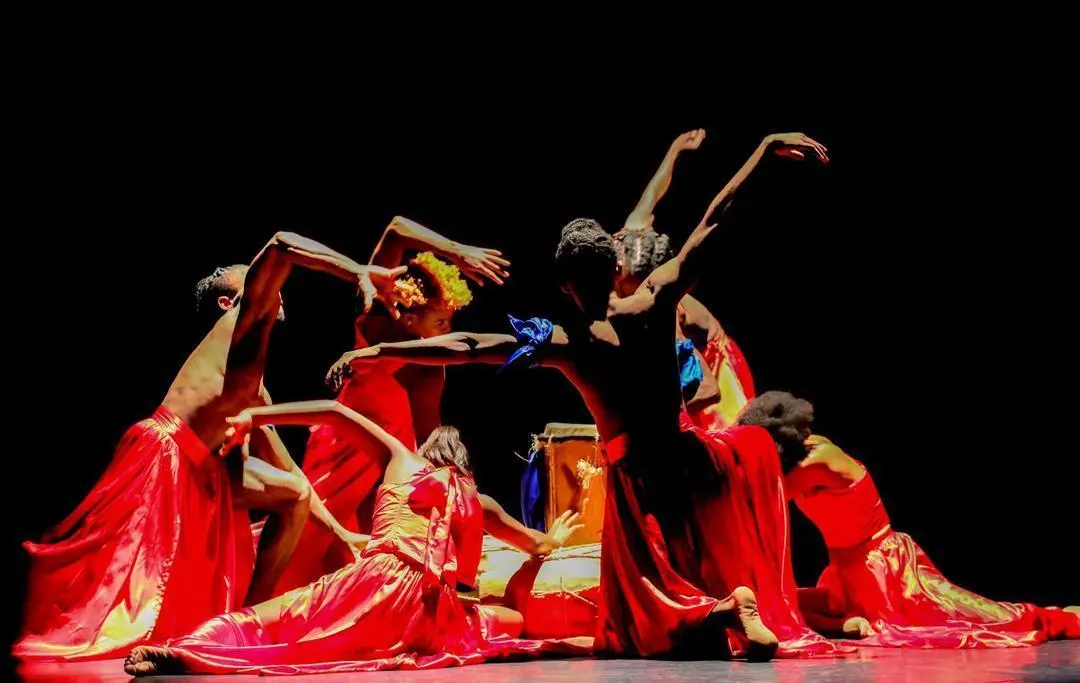
Haiti, a land rich in history and cultural diversity, offers a unique musical treasure through its captivating rhythms. Haitian music, deeply rooted in the fusion of different African, European and Caribbean influences, constitutes a vibrant expression of national identity. One of the distinctive elements of Haitian music is its rhythmic diversity, reflecting the many facets of daily life, from religious celebrations to moments of joy and sorrow. Haitian rhythms, carrying contagious energy, are a reflection of the soul of the Haitian people. One of Haiti’s most iconic musical genres is direct compas, which emerged in the 1950s. This catchy rhythm, coupled with captivating melodies, has captured hearts globally. The direct compass embodies the fusion of different musical styles, including jazz, merengue, and elements of traditional Haitian music. Haitian musical traditions are not limited to contemporary sounds. Vodou, an ancestral spiritual practice, also has a major influence on Haitian music. Vodou rhythms, often associated with religious ceremonies, create a deep connection between spirituality and artistic expression. Furthermore, dance is inseparable from Haitian music. The graceful and energetic movements of traditional dances like rasin, combined with captivating rhythms, transport dancers and spectators to a world where bodily expression becomes a living art form. Exploring the musical and dance traditions of Haïti is like diving into a universe where history, culture and spirituality are harmoniously woven together. These rhythms, passed down from generation to generation, are much more than simple notes; they embody the soul of a people and the richness of its diversity. Celebrating these traditions pays homage to Haiti’s exceptional cultural heritage and its invaluable contribution to the global music scene.
Haiti, a Caribbean island of great historical significance, is known for being the world’s first free black republic. His tumultuous journey, punctuated by revolts, struggles for freedom and independence, left an indelible mark in the annals of world history.
On August 24, 2024, in the heart of the sumptuous Manoir Adriana in Jacmel, Cathiana Désiré, a lawyer and feminist, and Darlin Johancy Michel, a producer and cultural operator, reinvented the Haitian wedding in a dazzling celebration of their roots. While traditional weddings often consist of white dresses and suits, this union was distinguished by its deep respect for Haitian traditions and its emphasis on a captivating spirituality.
Cultural exploration offers a fascinating window into the richness and diversity of world heritage. Among destinations that captivate with their history, art and unique identity, Haïti stands out as a cultural gem worth discovering. b~Historical heritage:~b The history of Haïti is marked by the resilience of the Haitian people in the face of slavery, colonization and political challenges. It is the first independent state in Latin America and the only one founded by a successful slave revolt. Haiti’s historical heritage is reflected in its art, music, dance and beliefs. b~Art and Crafts:~b Haitian artistic expression is vibrant and powerful. Naive painting, famous for its bright colors and narrative themes, has its roots in Vodou traditions and local folklore. Haitian artists have gained international fame by capturing the mystical spirit and daily life of the country. b~Music, rhythm of the Haitian soul:~b Music is the pulsating soul of Haiti. From direct compass to voodoo to jazz to rasin, each musical genre has a deeply rooted history in Haitian culture. The iconic band, Boukman Eksperyans, fuses traditional rhythms with modern influences, creating a unique sonic experience that transcends boundaries. b~Dance and movements:~b Dance in Haïti is a celebration of life and spirituality. Voodoo dances, such as Yanvalou and Banda, embody sacred rituals while preserving African heritage. The graceful movements and colorful costumes tell stories from Haitian history, creating a deep connection between past and present. b~Spirituality and Voodoo:~b Vodou, often misunderstood, is an essential component of Haitian culture. It is a syncretic religion that combines African, Native American and Catholic elements. Vodou ceremonies, with their intoxicating dances and mystical rituals, are powerful expressions of Haitian spirituality and are rooted in the quest for connection with ancestors and deities. Exploring the Haitian soul means delving into a world where history, art, music and spirituality intertwine to form a unique cultural web. Haiti, with its diversity and resilience, offers an experience rich in emotions and discoveries. Whether through the bustling streets of Port-au-Prince, the vibrant art galleries or the captivating rhythms, every corner of this Caribbean country reveals a captivating facet of its deep and living soul.
Haiti has two mottos: "Unity is Strength" on its coat of arms and "Liberty-Equality-Fraternity" in its 1987 Constitution. Find out which one is official.
Emeline Michel was born on March 21, 1966 in Dubedou, a small town located in the 5th communal section of Gonaïves, the city of Haitian independence. Both a singer and composer, today her influence transcends and goes beyond the borders of Haïti and the French-speaking world. After starting secondary studies at the Lycée Louis Diaquoi commonly known as the Lycée de jeunes filles des Gonaïves, she entered Port-au-Prince, at one point, to continue her studies at the Collège St Pierre de Port-au-Prince. It was in the Haitian capital, more precisely at the Baptiste de Bolosse church, that her talent was discovered and supported by religious leaders, who offered her scholarships to study music. It is his steps that will be the basis of his exceptional musical career, placing his name among the proudest Haitians and alongside the greatest names in Haitian music, such as Lionel Benjamin, Beethova Obas and Yole Dérose his mentor.
Haiti, the pearl of the Antilles, is a country rich in history and traditions. Its vibrant and diverse culture is reflected through its national holidays, cultural festivities, traditional foods, religious beliefs, folk tales, and traditional games. Let’s immerse ourselves in the social fabric of Haïti to discover the beauty of its traditions. b~National Holidays:~b National holidays in Haïti are moments of pride and national unity as January 1, Independence Day, commemorates the victory of Haitian slaves over French colonial forces in 1804, making Haïti the first independent country in Haiti. Latin America and the Caribbean or the commemoration of the Battle of Vertières on November 18. The Battle of Vertières was one of the last great battles of the revolution. It took place in Vertières, near the town of Cap-Haitien. b~Cultural Festivities:~b Haïti is also famous for its cultural festivities, particularly Carnival, which is an explosion of color, dance, and music. Artistic and craft events, such as the Rara festival, are an opportunity for artists to showcase their talent. The Rara, a musical parade, combines folklore and spirituality, creating a unique experience. b~Traditional Foods:~b Haitian cuisine is a delight for the taste buds. Dishes like griot (fried pork), diri djon djon (rice with black mushrooms), and the legendary joumou (joumou soup) are an integral part of Haitian culinary tradition. Bold flavors, spices and cooking methods inherited from African and French tradition make Haitian cuisine unforgettable. b~Vodou:~b Vodou, often misunderstood, is a synchretic religion that incorporates elements of Catholicism, African animism, and indigenous beliefs. It plays a significant role in the daily lives of Haitians, influencing music, dance, and religious rites. Vodou is a profound expression of Haitian spirituality. The Tales (Krik Krak, Tim Tim, Bwa Sèch): Haitian folk tales, passed down from generation to generation, are rich in morality and wisdom. b~Konbit :~b The concept of Konbit represents community solidarity. Haitians come together to perform community tasks, whether in agricultural fields or for construction projects. It is a living example of the collective spirit that permeates Haitian society. The most recent major project to date concerns the construction of the canal from the Massacre River to Ouanaminthe, which took place between September and December 2023. Thousands of inhabitants of the north of the country mobilized all their forces to erect a canal allowing to collect water intended for irrigation of their plantations, with the aim of obtaining better harvests. Despite their modest means, they were motivated by the slogan "KPK" (Kanal la pap kanpe), a direct response to Dominican President Luis Abinader who warned them and did everything in his power to stop the construction of the canal. This channel represents the deep solidarity of Haitians and reaffirms national pride. Despite economic challenges, the people of northern Haïti have demonstrated exceptional determination to work together for a common goal. The slogan “Kanal la pap kanpe” embodies their resilience in the face of external pressures and demonstrates their unwavering will to continue the construction of the canal. b~Traditional Games:~b Traditional games are an essential part of daily life in Haiti. Games like lido, sote kòd, Yoyo, Ralba, Marèl, TiTaTo, Kay, lago kache, Monte kap, teke mab, woule sèk, twa fwa se manbo, and domino bring people together, promoting camaraderie and fun. Haitian traditions are a harmonious blend of spirituality, community, and cultural diversity. Every aspect, from national holidays to traditional games, helps weave the rich cultural tapestry that makes Haïti proud. These traditions are the beating heart of the nation, a precious heritage that continues to be passed down from generation to generation.
Haiti, a multifaceted island, is renowned for its picturesque landscapes, rich culture and vibrant festivals. Haitian festivals are much more than just celebrations; they represent the very soul of the nation, embodying its history, its traditions and its community spirit. Let’s dive into this journey, through some of Haiti’s most iconic festivals.
"Ayiti Liv" is an online platform dedicated strictly to promoting Haitian literature. It will be operational starting May 1, 2025, and will feature about 300 major works of Haitian literature, written by over 70 authors. Full public access will be granted for its launch phase. Jean Venel Casseus, one of the platform’s initiators, explains that this initiative was created to fill a significant gap, and this vast project is being carried out by him and a passionate team of Haitian literature lovers.
Religious diversity in Haïti is a key aspect of its cultural identity, but Christianity, and more specifically Catholicism, is the most popular religion in the country. With its roots deep in colonial history, Haitian spirituality is also enriched by unique cultural practices, such as Vodou, that coexist with Christian beliefs. In this article, we explore the history, practices, and key figures surrounding religion in Haiti.
Jennifer EUGÈNE was born in Port-au-Prince on May 1st, 1995. She is an author and lawyer by training, and she skillfully combines her two passions: the defense of human rights and writing. From a young age, she found shelter and refuge in words, offering solace against a world that is often too chaotic and difficult. While other young people of her age shared their lives out loud, she immersed herself in her own universe, that of writing. At the age of fourteen, writing became for her more than just a hobby: it became a means of finding inner peace, overcoming struggles, and understanding herself. It was in this context that she found her true vocation.
Haiti, often referred to as the "Pearl of the Antilles," is a vibrant and culturally rich destination, particularly during the summer. This period is marked by a series of colorful festivals, heavenly beaches, and a festive atmosphere that attracts visitors from all over the world. Here’s a look at what you can experience while exploring Haïti in summer.
Haiti, nicknamed "the Pearl of the Antilles", is distinguished by the richness of its landscapes, its vibrant culture and the tenacity of its people. Its heavenly beaches, majestic mountains and emblematic sites, such as Macaya National Park and Bassin Bleu, are natural treasures that testify to the raw beauty of the island. However, these wonders are jeopardized by ecological challenges such as deforestation and climate change. Its vibrant and diverse culture is echoed in its music, crafts and spiritual traditions such as voodoo. Despite economic and social challenges, it is in the tenacity of its inhabitants that lies the true wealth of Haiti, a people determined to preserve their roots and build a brighter future.

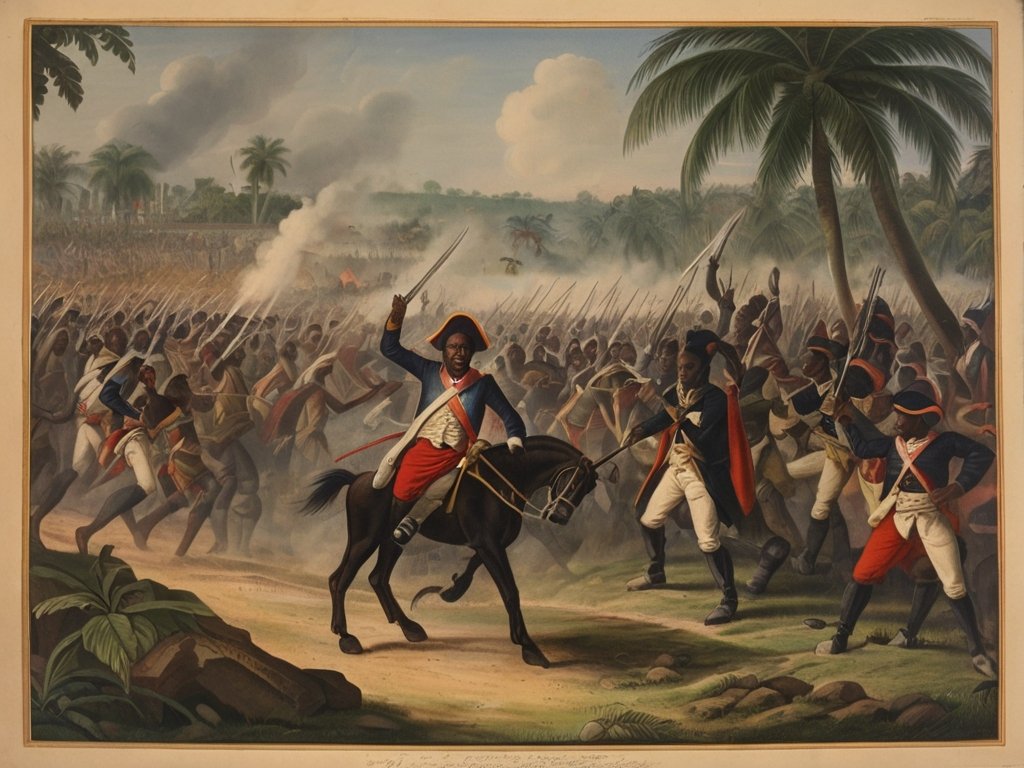
First black nation to free itself from slavery and gain independence from France in 1804 and influenced other liberation movements around the world, inspiring struggles for freedom and equality.

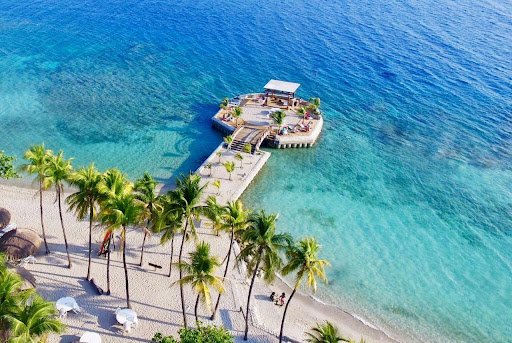
Haïti is blessed with spectacular natural landscapes, including white sand beaches, mountains and rich biodiversity.

Haïti has a rich historical heritage, including sites like the Citadelle Laferrière and the Sans-Souci Palace, listed as UNESCO World Heritage Sites.

Haïti has a rich and diverse culture, influenced by African, European and indigenous elements. Haitian music, dance, art and cuisine are celebrated around the world.