
Coding Club Haïti shines in 2025: a year of awards, innovation, and national pride
Discover how Coding Club Haiti shines in 2025 with awards, innovation, and national pride. A success story not to be missed!

Dans le cadre du programme de promotion des droits et de l’épanouissement de l’enfant "Timoun se moun" piloté par l’organisation Action Communautaire de Transformation et d’Intégration Formelle (ACTIF), Kay Jèn Yo organise, du 18 au 24 août 2025 (9h am - 1h pm), "Espas Lajwa", un camp d’été qui cible trente (30) enfants de 7 à 15 ans. Une grande panoplie d’activités éducatives, créatives et ludiques sont programmées pour le plus grand bien des enfants. Ils auront droit à des ateliers de : peinture, crochet, macramé, langue des signes, théãtre, lecture, échec, etc. Dans un contexte aussi traumatogène où la violence est monnaie courante, de telles initiaves sont d’une importance capitale. " Les enfants ne sont pas imperméables au stress et autres pathologies que peut provoquer la situation morbide qui sévit dans le pays actuellement", souligne Blondy Wolf Leblanc (Gabynho) DG a.i de ACTIF. "Espace Lajwa se veut donc, un refuge, un lieu où les enfants peuvent s’exprimer en toute sécurité, un espace sécurisant où ils peuvent exprimer leurs émotions à travers plusieurs médiums", précise-t-il. Plus loin, l’animateur socioculturel encourage d’autres structures à travers le pays à prendre des initiatives de ce genre au bénéfice de la santé mentale des enfants. Espas Lajwa est quasiment gratuit. Un frais de participation de 150 gourdes est requis pour la semaine. Quid Kay Jèn Yo Issu du projet "Pran Swen Tèt ou", Kay Jèn Yo est un projet de l’organisation ACTIF supporté par La Perfection École de Haute Couture visant à combattre la violence par l’engagement communautaire à travers des programmes de formation professionnelle et artistique. Situé au numéro 18, imp. Thoby, rue Desdunes, Mahotière 79, Kay Jèn Yo est ouvert du lundi au dimanche (9h am - 6h pm). Sebastien Jean Michel
Christmas in Haïti is a magical time where culture, traditions and spirituality blend to offer a unique experience. Much more than a simple celebration, it is a time of sharing, reflection and rejoicing that unites Haitians, whether at home or across the diaspora. This article invites you to discover how the spirit of Christmas is lived in Haiti, through its traditions, celebrations and warm atmosphere.
On February 2, 2025, a new initiative promoting women’s empowerment was launched with the launch of a digital skills training program, led by BIZNISLIFE and UHDES (Haitian Emergency for Economic and Social Development). This ambitious project aims to train and support 50 young women from the Nippes department in the digital world, offering them a gateway to promising professional opportunities.
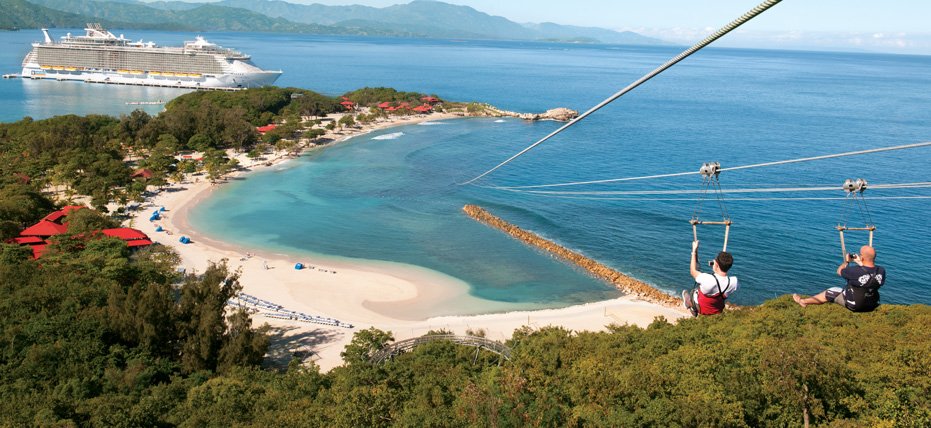
Haiti, nicknamed the "Pearl of the Antilles," is full of exceptional beaches that testify to the richness of its coastline. This Caribbean country enchants visitors with its spectacular landscapes, turquoise waters and unique hospitality. These beaches, true natural gems, offer unforgettable experiences, combining relaxation, adventure and wonder. Discover 7 must-see Haitian beaches that highlight the country’s tourist and ecological potential.
Christmas in Haïti is a time when culture, spirituality, and conviviality come together to create a unique and warm atmosphere. This holiday, deeply rooted in the country’s traditions, is an opportunity to bring families together, share delicious meals, and celebrate together in a spirit of solidarity. This article explores how Christmas is celebrated in Haiti, highlighting the local traditions, feasting, and community spirit that make this time of year an unforgettable experience.
Haïti is a unique country in the Caribbean, not only for its revolutionary history, but also for its official languages: French and Haitian Creole. French, although spoken fluently by only a minority, plays a central role in the country’s administration, education, and culture. But why is this language so present in a country with African and Caribbean roots? This article explores the historical, cultural, and sociolinguistic origins of French in Haiti.
Christmas in Haïti is much more than just a Christian holiday: it is an opportunity to celebrate solidarity, generosity, and unity within families and communities. Haitians embrace this time as a time to gather, share, and reflect on the essential values of humanity. This article explores how Christmas in Haïti embodies these values of sharing and generosity through unique traditions, acts of solidarity, and festive meals.
Haiti’s independence, proclaimed on January 1, 1804, marked a major turning point in world history. As the first independent black republic, Haïti laid the foundation for an exceptional legacy, forged through the struggle for freedom, dignity, and equality. This legacy extends far beyond the borders of this island nation, influencing generations and inspiring movements around the world.
Schneider Léon Hilaire is a young Haitian painter endowed with exceptional talent, trained at the prestigious Centre d’Art in Port-au-Prince. From the very beginning, he captured the hearts of art lovers throughout the Haitian capital, quickly making a positive impression on the local art scene. His talent, nourished by the rich and diverse Haitian culture, has not been confined to the borders of Haiti. Indeed, after a successful exhibition in Paris last year, Schneider Léon Hilaire’s work has found a new place to spread its wings, continuing to captivate beyond the oceans.
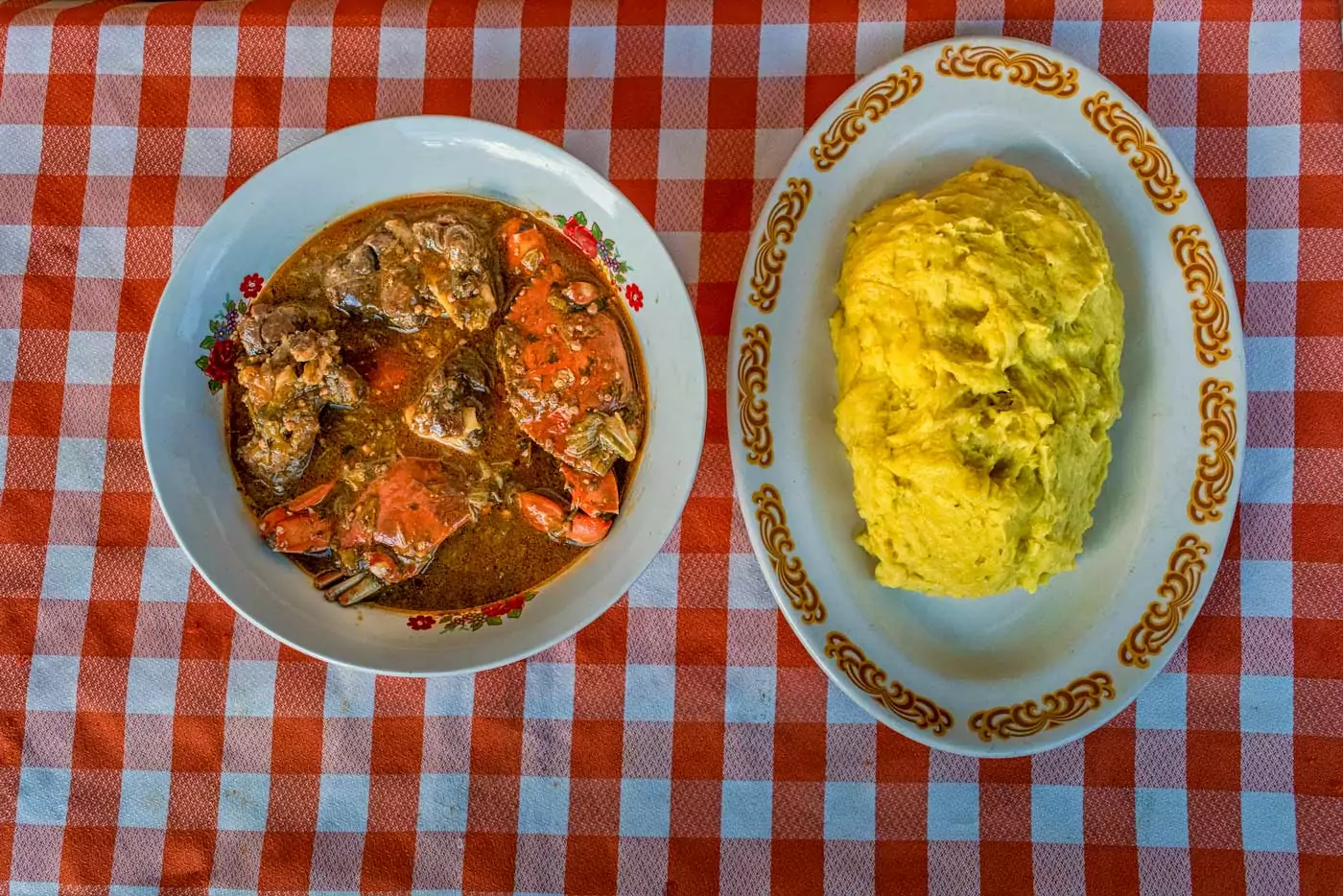
Haitian lalo is an iconic dish of traditional southern Haitian cuisine, particularly popular in the Les Cayes region. Rich in flavor and deeply rooted in the local culinary culture, this dish is prepared with lalo leaves (shrub), pork, and crab, slowly simmered with a blend of Creole spices. Its slightly viscous texture, inherited from the lalo leaves, may be surprising, but it contributes to the dish’s authenticity and creaminess. In this article, discover the complete recipe for Haitian lalo, with practical tips for successfully preparing this dish like a true Haitian chef. Whether you’re curious to try a traditional dish or want to reconnect with your roots, this recipe offers a true culinary journey to the heart of Haiti.
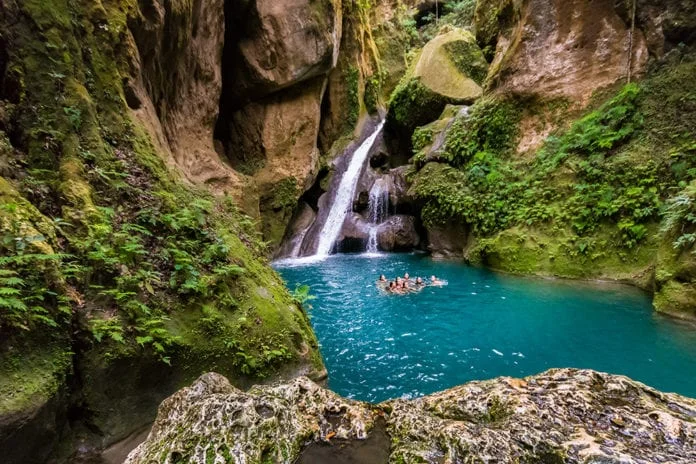
The Lagon des Huîtres National Park, one of the jewels of Haitian biodiversity, is a true natural sanctuary. This park is home to twenty-one lagoons forming an ecosystem of inestimable richness. The Pichon waterfall, with its twelve majestic waterfalls, embodies the wild beauty and natural power of the site. The park’s vegetation is dominated by Bayahondes (Prosopis juliflora), creating a dry forest that serves as a refuge for diverse wildlife. Among the most notable residents are the graceful Greater Flamingo (Phoenicopterus roseus) and the Ricord Iguana (Cyclura ricordi), a species endemic to the island of Hispaniola. The red, gray and white mangroves of the Lagon des Huîtres site play an essential role in providing protected habitats for a multitude of species.

First black nation to free itself from slavery and gain independence from France in 1804 and influenced other liberation movements around the world, inspiring struggles for freedom and equality.

Haïti is blessed with spectacular natural landscapes, including white sand beaches, mountains and rich biodiversity.

Haïti has a rich historical heritage, including sites like the Citadelle Laferrière and the Sans-Souci Palace, listed as UNESCO World Heritage Sites.

Haïti has a rich and diverse culture, influenced by African, European and indigenous elements. Haitian music, dance, art and cuisine are celebrated around the world.