

A Pre-Parade to Kick Off the Festivities
Jacmel Opens Carnival 2026 with Splendor and Creativity

On Thursday, October 24, 2024, the Center for Political and Diplomatic Studies, CEPOD, launched its Diplomatic Fortnight via a summit that took place at the Montana Hotel in Pétionville. The event took place under the theme of Haiti’s place in globalization, and in the presence of an audience of distinguished guests. consisting of public authorities such as the current Haitian Prime Minister, Dr. Garry Conille (Honorary President of the summit); his Minister Delegate for Humanitarian Affairs, Mr. Herwil Gaspard; Foreign diplomats, among whom we can cite the Canadian Ambassador, Mr. André François Giroux (Guest of Honor of the summit); Dr. Christian Mouala, Country Director of UNAIDS Haiti, and a group of other public figures (such as sociologist Daniel Supplice), members of the press, such as senior journalist, Rotchild François Junior and students of all kinds.
Le soup joumou haïtien est bien plus qu’un simple plat traditionnel. Il incarne une histoire de résistance, de liberté et de culture, et représente un élément clé de l’identité haïtienne. Au-delà de sa signification symbolique, il offre aussi aux voyageurs un moyen unique de découvrir les richesses de la gastronomie haïtienne. Dans cet article, nous explorerons l’importance historique du soup joumou, ses caractéristiques culinaires, ainsi que son rôle en tant que moteur du tourisme gastronomique en Haïti.
Haiti, a Caribbean island of great historical significance, is known for being the world’s first free black republic. His tumultuous journey, punctuated by revolts, struggles for freedom and independence, left an indelible mark in the annals of world history.
For more than 200 years, Haïti has stood at the intersection of possibility and exclusion. The first black republic in the world was born in revolution, forged by boldness, and blessed with strategic geography. And yet, through a combination of political instability, external interference, and poor infrastructure, Haïti has long remained isolated from the global economic systems that build prosperity. But today, on the quiet northern coast between Fort-Liberté and Phaeton, a new possibility is rising up from the ground. It’s not another aid project. It’s not a symbolic ribbon-cutting. It is Port Chinourette Terminal, a bold and meticulously planned cargo port that could finally put Haïti back on the map, not as a beneficiary of generosity, but as a competitive player in global trade. Port Chinourette is more than a logistics terminal. It’s a strategic inflection point. The kind of once-in-a-century infrastructure investment that can create jobs, stimulate industries, decentralize growth, and transform the economy of an entire nation. With capacity to handle up to three-million TEUs annually by 2040, it is the most ambitious port project in Haiti’s recent history. But its true power lies not only in its size, but in what it unlocks.
Diri kole ak pwa, a signature dish of Haitian cuisine, was recently recognized by the prestigious culinary magazine Taste Atlas as one of the best bean dishes in the world. This distinction highlights one of Haiti’s most beloved dishes, where rice and beans come together to create a rich and comforting culinary experience.
René Depestre had his very first encounter with the Haitian sun on August 29, 1926 in Jacmel, a large coastal city in the southeast of Haïti that welcomed his birth. He completed his primary studies with the Brothers of Christian Instruction in Jacmel. After his father’s death in 1936, he left his mother and brothers and sisters to live with his maternal grandmother. He completed his secondary studies at the Alexandre Pétion high school in Port-au-Prince in 1944. Today, he resides in France, his country of naturalization for several decades, and remains an immense creative, intellectual spirit and great witness to a very important era in the history of men.
At the opening ceremony of the 2024 Olympic Games in Paris, Haïti captured the world’s attention with stunning outfits. Haitian athletes’ uniforms outshined those of many influential nations in fashion and design. This recognition is the result of an exceptional collaboration between visionary designer Stella Jean and internationally renowned artist Philippe Dodard. Forbes confirmed it: Haïti has made it to the podium for the most remarkable outfits. But who is the man behind this visual triumph?
Haiti, a Caribbean island, is full of natural and cultural treasures just waiting to be discovered. From majestic mountains to white-sand beaches to fascinating historical remains, Haïti offers a variety of attractions that captivate travelers from around the world. Here is an overview of the main attractions not to be missed during your stay in Haiti:
On March 17, 2024, the city of Saint-Marc vibrated to the rhythm of the first edition of the Concours de Génie en Herbe, a unique initiative full of promise for the local educational community. This event, organized by the dynamic Piqûre Intellectuelle team, brought together the best students in the region for a celebration of academic excellence and the spirit of camaraderie.
Haiti, a country rich in history, culture and natural beauty, often raises questions about its geographical location. Where is this vibrant country that makes the heart of the Caribbean beat? Let’s discover together the continent to which Haïti belongs and the specificities of its geographical position.
Nestled on the southern coast of Haiti, Jacmel is a city that never ceases to seduce with its natural beauty, colonial architecture and incredible artistic wealth. Nicknamed the cultural capital of Haiti, Jacmel is a place where creativity flourishes and where every street corner seems to tell a unique story. Discover what this artistic city has to offer and why it deserves a special place in your next trip to Haiti.
Cap-Haïtien, Haiti’s historic jewel, is home to a fascinating architectural relic: Fort Picolet. Built at the end of the 18th century by the French, this imposing bastion majestically dominates the bay of Cap-Haïtien, bearing witness to the tumults of Haitian history and the fierce struggle for independence. The history of Fort Picolet is closely linked to that of Haiti, particularly at the time of the Haitian Revolution. During this tumultuous period, when slaves and freedmen rose up against colonial oppression, the fort was the scene of epic battles and fierce sieges. Sometimes used by French forces, sometimes by Haitian revolutionaries, Fort Picolet was a silent witness to the events that shaped the destiny of the nation. Designed with a strategic vision, the fort embodies the military architecture of its era. Its thick stone walls, strategically positioned cannons and viewpoints overlooking the bay make it an impregnable bastion. Its name, Fort Picolet, pays homage to General Louis Marie, Marquis de Picolet, French governor of Cap-Français at the end of the 18th century. Today, Fort Picolet remains much more than a simple historical monument. It is a living symbol of the resilience and determination of the Haitian people. Visitors who wander through its ruins can feel the imprint of history and contemplate the remains of a tumultuous past. From up there, a panoramic view of the bay of Cap-Haitien is available to them, offering a unique perspective on the strategic importance of this place in the maritime history of Haiti. As a pillar of Haitian tourism, Fort Picolet attracts visitors from around the world. Its historical aura, combined with the natural beauty of its environment, makes it a must-see destination for history and culture lovers. More than just a tourist attraction, Fort Picolet is a poignant testimony to the endless struggle for freedom and the cultural richness of Haiti. Throughout the centuries, Fort Picolet has survived the test of time, reminding everyone that freedom is an inalienable right, hard won and carefully preserved. By exploring its ramparts, contemplating its silent cannons, visitors find themselves immersed in the tormented history of Haiti, a story of courage, resistance and hope. Live an extraordinary experience by virtually visiting the ruins of Fort Picolet: https://haitiwonderland.com/haiti-virtual-reality-ht/monuments-histoire/haiti--fort-picolet--visite-virtuelle/14

First black nation to free itself from slavery and gain independence from France in 1804 and influenced other liberation movements around the world, inspiring struggles for freedom and equality.

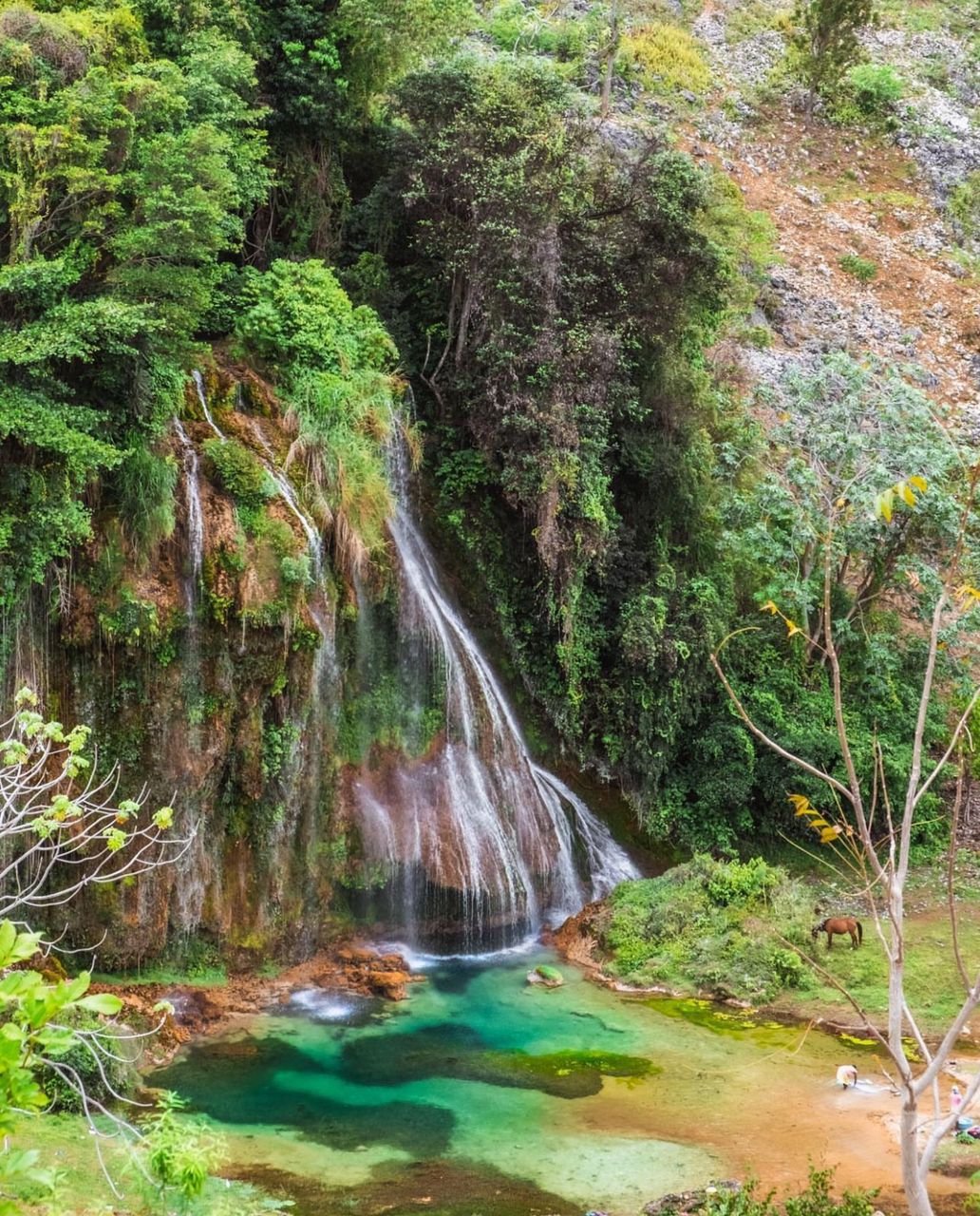
Haïti is blessed with spectacular natural landscapes, including white sand beaches, mountains and rich biodiversity.

Haïti has a rich historical heritage, including sites like the Citadelle Laferrière and the Sans-Souci Palace, listed as UNESCO World Heritage Sites.

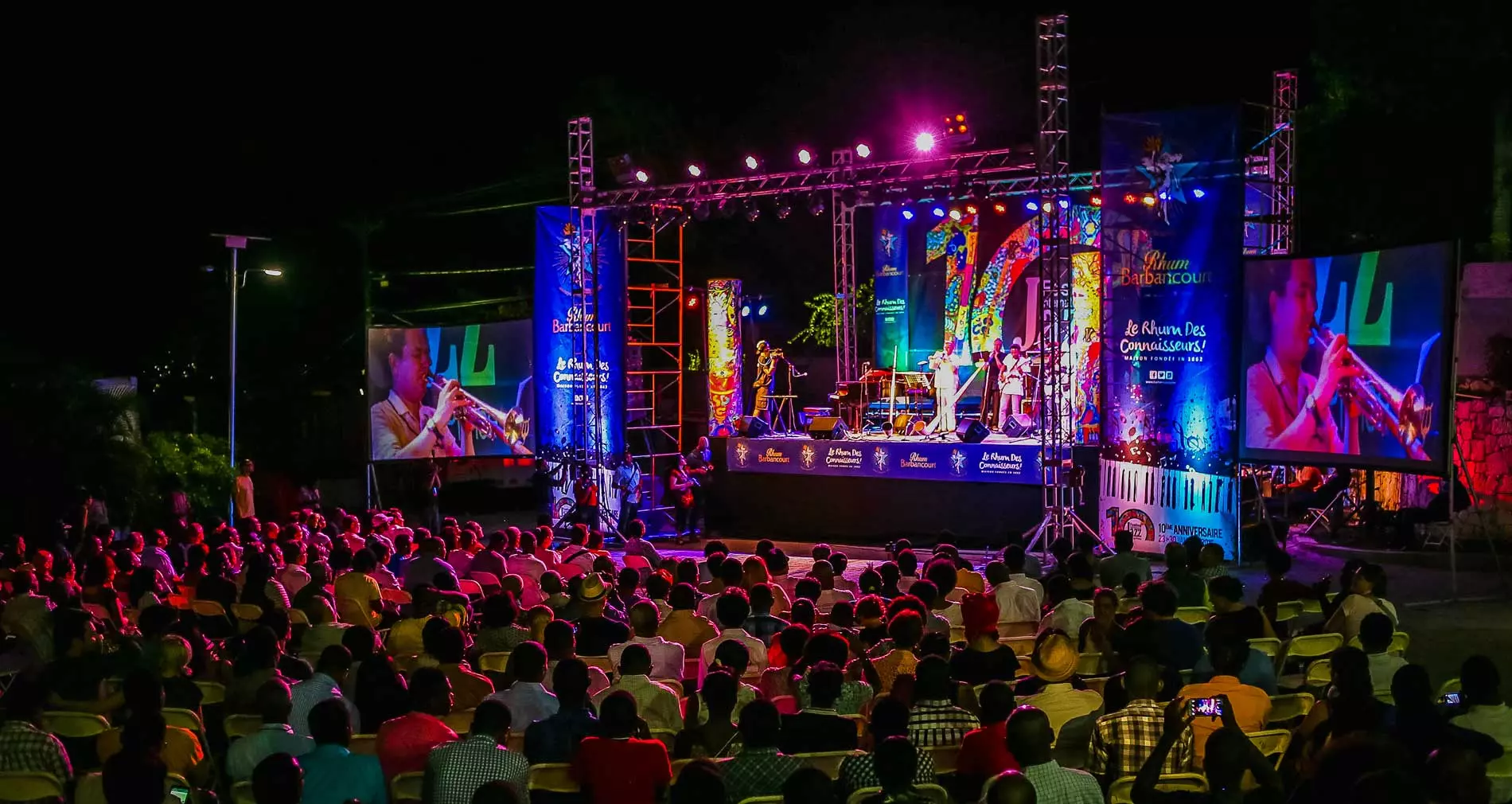
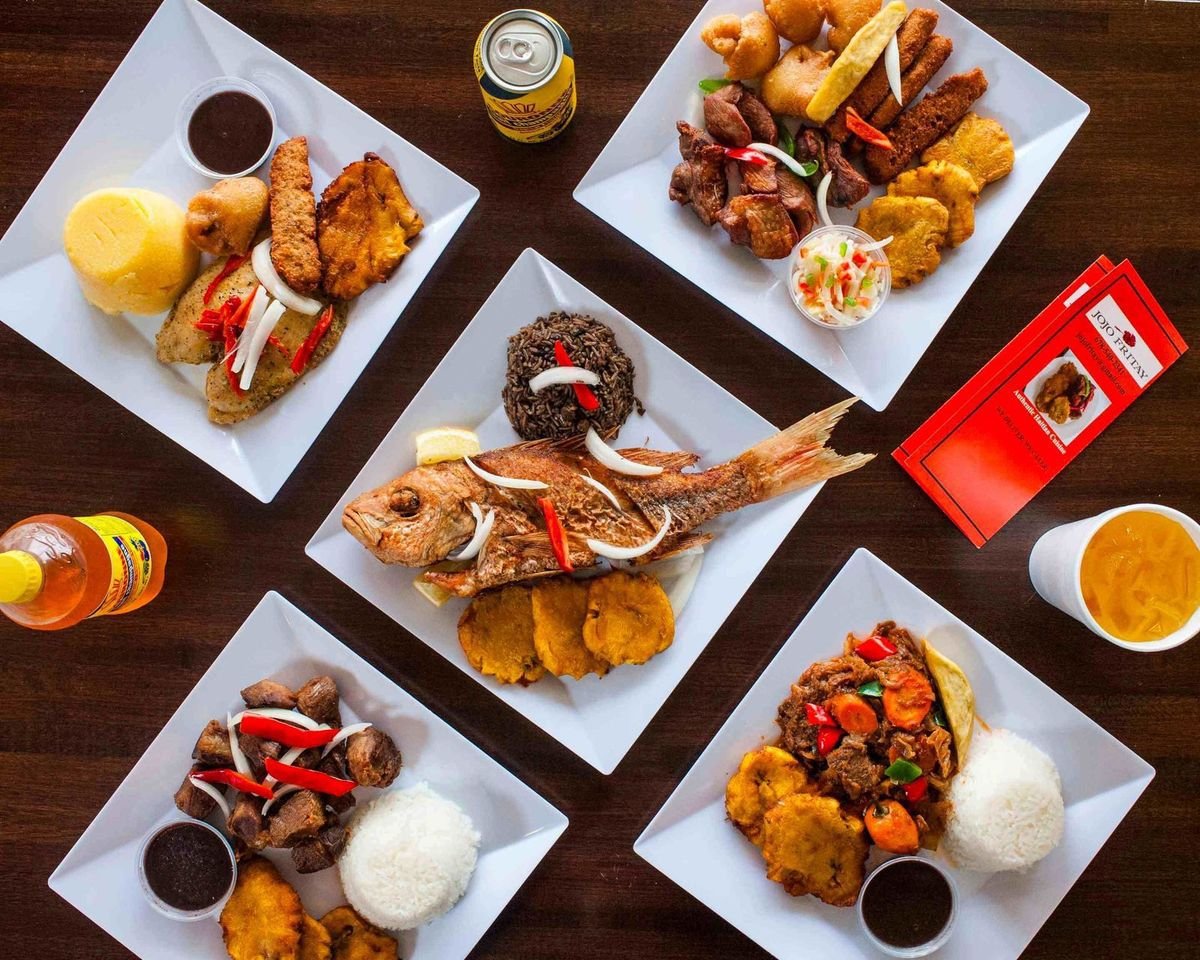
Haïti has a rich and diverse culture, influenced by African, European and indigenous elements. Haitian music, dance, art and cuisine are celebrated around the world.