

Career, Hits, and Influence: Tony Mix, Haiti’s Essential DJ
Discover the career, hits, and influence of Tony Mix, Haiti's essential DJ who rocks the national and international music scene.

At the heart of the majestic Haitian topography, lies a natural gem of breathtaking beauty: Lake Péligre. Nestled in the mountains of Haiti’s central region, this artificial lake is a wonder for local residents and amazed visitors alike. From its historical creation to its contemporary ecological importance, let’s explore together the riches of Lake Péligre. Origin and History: Lac de Péligre is the result of an ambitious engineering project undertaken in the 1950s. At that time, the Haitian government, in collaboration with international partners, undertook the construction of the Péligre Dam on the Artibonite River. The main goal was to provide large-scale electricity to Haïti while regulating river flooding to protect agricultural land downstream. Ecology and Biodiversity: Beyond its usefulness as a source of hydraulic energy, Lake Péligre is home to rich ecological diversity. The calm waters of the lake provide vital habitat for a variety of native fish species, supporting local fishing communities. In addition, the surrounding forests and hills that border the lake are home to diverse flora and fauna, contributing to the preservation of the regional ecosystem. Tourism and Leisure: For outdoor enthusiasts and nature enthusiasts, Lake Péligre offers a multitude of leisure opportunities. Visitors can enjoy peaceful boat rides on the tranquil waters of the lake, offering panoramic views of the surrounding mountains. Additionally, hiking trails winding through lush forests allow hikers to explore the area’s natural beauty. Lake Péligre represents much more than a simple artificial body of water. It is a living testament to human ingenuity and the natural beauty of Haiti. As an emerging tourism destination, it offers visitors an immersive experience in nature, while highlighting the crucial importance of environmental conservation. By preserving this natural treasure, we also preserve the sustainable future of our planet.
Schneider Léon Hilaire is a young Haitian painter endowed with exceptional talent, trained at the prestigious Centre d’Art in Port-au-Prince. From the very beginning, he captured the hearts of art lovers throughout the Haitian capital, quickly making a positive impression on the local art scene. His talent, nourished by the rich and diverse Haitian culture, has not been confined to the borders of Haiti. Indeed, after a successful exhibition in Paris last year, Schneider Léon Hilaire’s work has found a new place to spread its wings, continuing to captivate beyond the oceans.
The Battle of Savannah, which took place in October 1779, is recognized as a crucial turning point in the American Revolution. This major conflict, where American and French forces fought against the British, was also marked by the remarkable participation of Haitian soldiers. Among them, the future king of the northern part of Haiti, Henri Christophe, who was wounded by a bullet during this battle. Their contribution was decisive, highlighting the international solidarity in the quest for freedom and independence that characterized this era.
Situated like an emerald in the heart of the Caribbean Sea, Haïti stands out as a true jewel where the pleasant tropical climate reigns supreme. This enchanting island, renowned for its idyllic beaches, lush green mountains and rich culture, is also blessed with year-round mild temperatures that make it a dream destination.
Joseph-Auguste Anténor Firmin was born on October 28, 1850 in Cap-Haïtien, in a Haïti recently emancipated from the colonial yoke, he died on September 19, 1911 at the age of 60 in exile. He is undoubtedly one of the most emblematic intellectual figures of his time. His life, marked by an exceptional career in the political, literary and diplomatic fields, illustrates the genius of a Haitian intellectual whose contributions have left an indelible mark on history.
The largest valley in Haïti is called the Artibonite Valley. Nestled in the heart of the country, this valley is a true natural and economic wealth for the nation. Thanks to its fertile lands, its importance in agricultural production and its role in Haitian history and culture, the Artibonite Valley is an emblematic place in many ways. In this article, we will explore the characteristics that make this valley a national treasure.
Receive your packages from the United States stress-free, without a credit card, even in difficult times! Waiting for a package from the United States can quickly turn into a nightmare in Haiti: thefts, delays, blocked or lost packages... Lorvenson Don Pierre has experienced these situations. But instead of giving up, this talented young developer decided to take action. He founded Smartcore Express, a simple, reliable, and secure solution to allow all Haitians to receive their packages from the United States, hassle-free.
Christmas in Haïti is a holiday full of traditions, spirituality and moments of conviviality. Marked by religious celebrations, family feasts and unique cultural expressions, Haitian Christmas is a magical time that reflects the generous and festive soul of the Haitian people. This article takes you to the heart of Christmas traditions in Haiti.
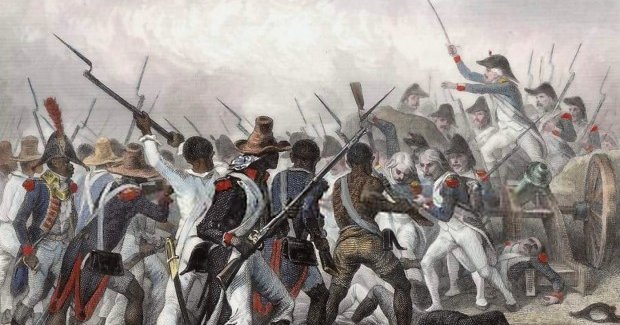
Several centuries ago, in the heart of the Atlantic Ocean, an island of captivating beauty and incredible wealth, called Hispaniola, attracted the attention of the world’s powerful. Discovered by Christopher Columbus in 1492, the island became the center of covetousness. But the colonial powers did not yet know that the island concealed within it an indomitable people. The Tainos, the first inhabitants, resisted the invader with the spirit of freedom. They were crushed, but their untamed spirits persisted in the wind, in the earth, and, much later, in the dreams of the African slaves who would come. Centuries pass and, under the merciless yoke of the French colonists, the island is transformed into a vast field of sugar cane, cultivated by the hands of slaves from Africa. These men and women, deported against their will, carry within them the hope of one day freeing themselves, of breaking the chains of oppression. And it is this dream, this sacred fire, which will burst forth in a revolt so great that it will mark the history of the world forever.
Haïti holds a unique and iconic place in world history as the first independent black republic. This historical fact, inscribed in the annals of the world, is a source of pride for the Haitian people and an inspiration for freedom and equality movements throughout the centuries. Let’s discover together the events that led to this historical feat and its impact on the international scene.
La musique joue un rôle crucial dans la formation de l’identité d’une nation, en haïti, elle occupe une place centrale dans la vie de presque tous les haïtiens. Elle est utilisée comme étant l’un des moyens les plus fiables dont se sert le peuple haïtien pour s’évader face aux nombreux événements qui constituent l’essentiel de son quotidien. Le genre musical qui prédomine en haïti est le compas direct. Créer par l’esprit créatif haïtien, le compas à évoluer au fil des années pour aboutir jusqu’à sa position actuelle.
Nestled in the picturesque coastal town of Jacmel, in southeastern Haiti, Bassin Bleu is a true haven of tranquility in the heart of nature. Its crystal-clear blue waters and imposing rock formations make it a breathtakingly beautiful site, attracting travelers from around the world in search of escape and discovery. The sparkling turquoise waters of Bassin Bleu offer a feast for the eyes, inviting visitors to relax and rejuvenate in this idyllic setting. Whether swimming in its refreshing waters or lounging on its lush green banks, this natural oasis provides a welcome escape from the hustle and bustle of daily life. Surrounded by lush tropical vegetation, Bassin Bleu is home to exceptional biodiversity, with a multitude of unique plants and animals to discover. Hiking enthusiasts can venture along winding trails that meander through the surrounding forest, offering spectacular views of this pristine landscape. As a tourist destination, Bassin Bleu also offers economic development opportunities for local communities. By promoting sustainable tourism, it contributes to job creation, infrastructure development, and the promotion of local culture. Moreover, by raising awareness among visitors about the importance of preserving this fragile natural environment, tourism plays an essential role in its long-term conservation. Bassin Bleu in Jacmel is much more than just a tourist attraction: it is a true natural treasure to be preserved and appreciated. With its stunning natural beauty, remarkable biodiversity, and sustainable development opportunities, this magical place offers an authentic experience for travelers seeking moments of tranquility in the heart of nature.

First black nation to free itself from slavery and gain independence from France in 1804 and influenced other liberation movements around the world, inspiring struggles for freedom and equality.

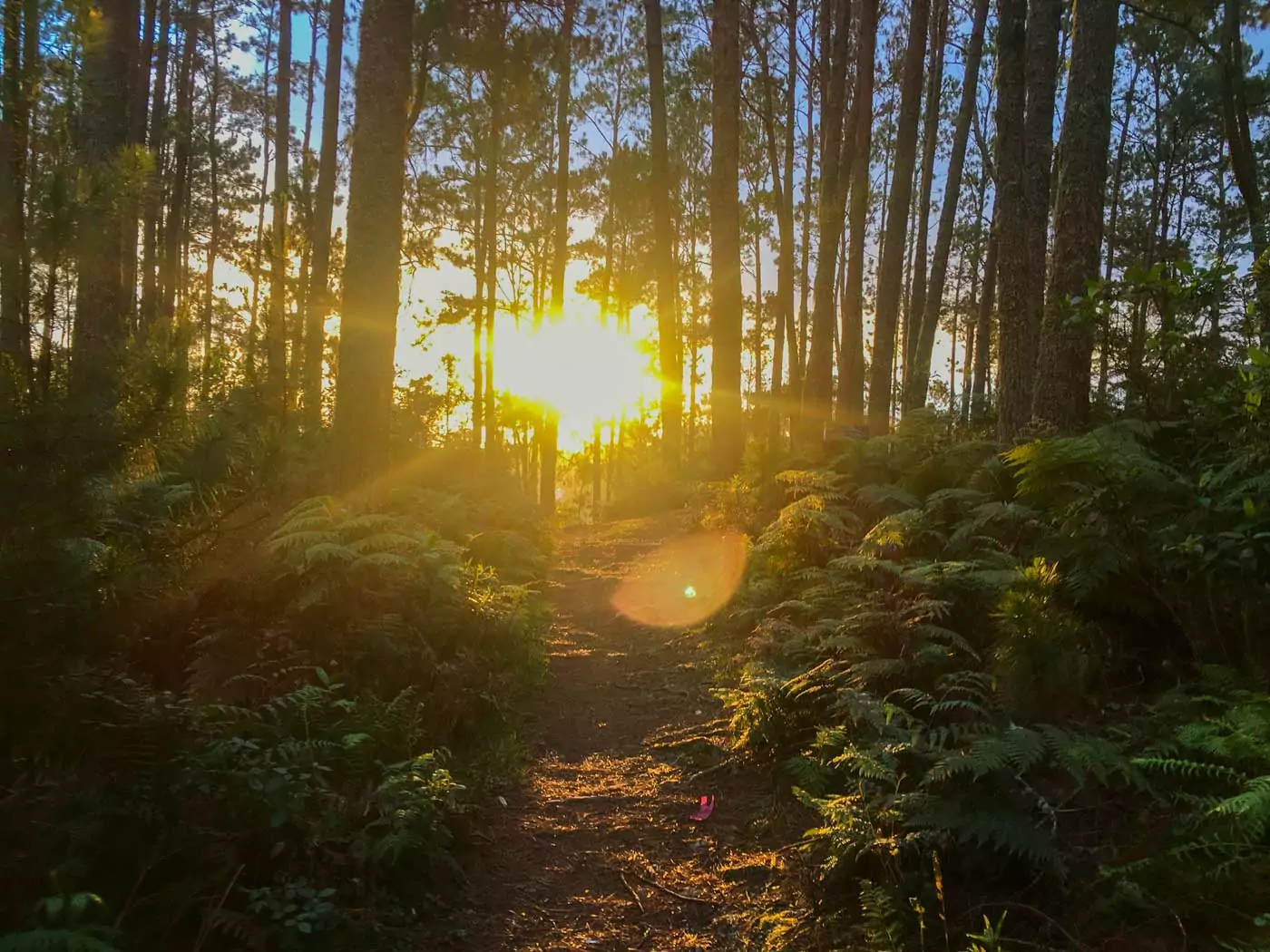
Haïti is blessed with spectacular natural landscapes, including white sand beaches, mountains and rich biodiversity.

Haïti has a rich historical heritage, including sites like the Citadelle Laferrière and the Sans-Souci Palace, listed as UNESCO World Heritage Sites.

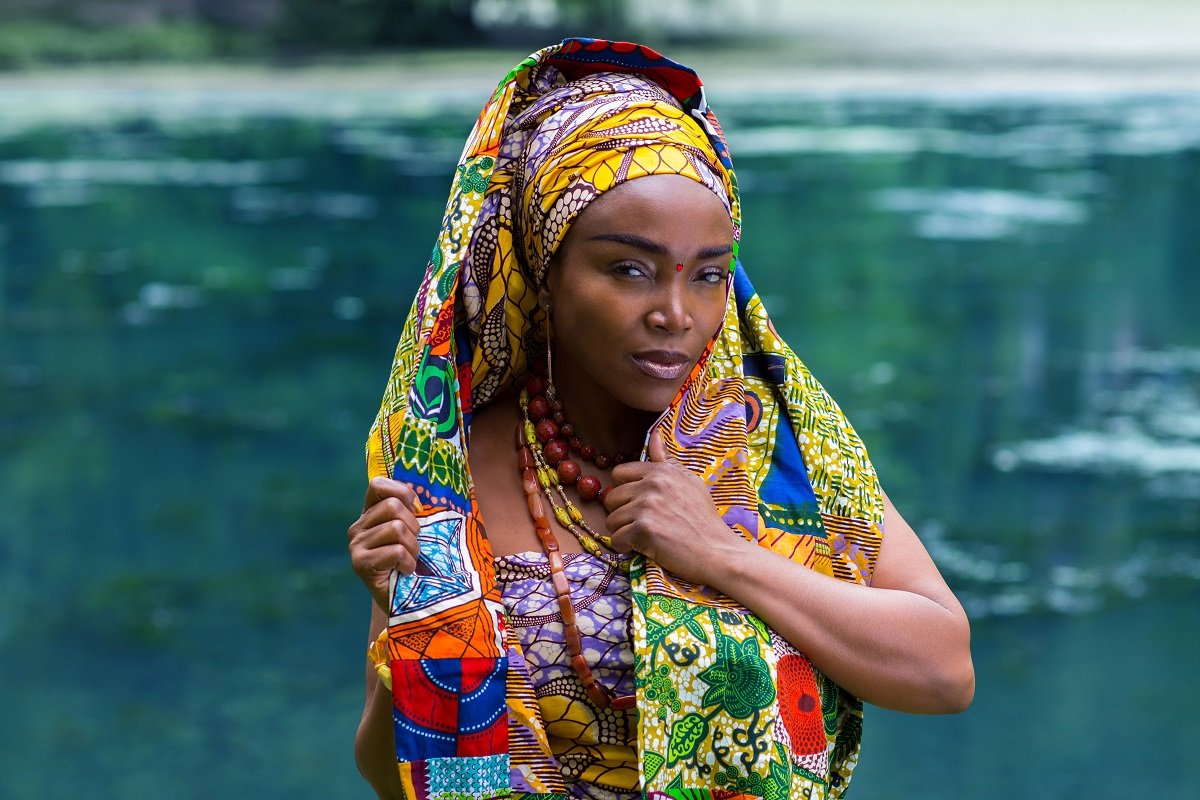
Haïti has a rich and diverse culture, influenced by African, European and indigenous elements. Haitian music, dance, art and cuisine are celebrated around the world.