Top 10 Tourist Sites to Visit in Haiti
Haiti, with its rich culture and diverse landscapes, is a fascinating tourist destination. Here is a selection of the ten best tourist sites not to be missed during your visit to Haiti.

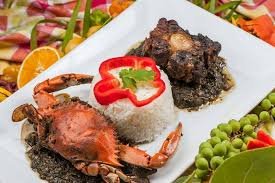
Once a staple in Haitian homes, pea broth was a true culinary tradition, served almost every Saturday. This nourishing and comforting dish brought families together around the table, offering an explosion of flavors and essential nutritional intake. However, with changing eating habits and the growing influence of fast food, it is prepared less and less by the new generation, at the risk of falling into oblivion. Haitian pea broth is a thick soup prepared with red or black peas, simmered for a long time until they obtain a velvety texture. This broth is then seasoned with local spices such as garlic, thyme, parsley and cloves, then garnished with vegetables such as carrots and spinach. Some variations add pieces of meat, often beef or pork, and small dumplings called "dombrés" "bòy", which give it even more consistency. So why not revive this tradition and prepare a good pea broth this Saturday, like our grandparents did?
May 1st is a day dedicated to the celebration of work and agriculture. It’s an opportunity to showcase the produce of the land and savor the authentic flavors of our land. Haïti Wonderland offers a traditional recipe that highlights an emblematic fruit of Haitian cuisine: breadfruit. Discover how to prepare the delicious "Tonm-Tonm," a perfect accompaniment to celebrate Kouzen Zaka.
Le Paradis Haitien, a passionate community operating in the fields of tourism, history and heritage, has given itself the noble mission of discovering, knowing and promoting Haiti. This initiative goes well beyond simple tourism, as it aims to strengthen the connection between Haitians, whether they reside in Haïti or abroad, and their country, by offering unique and meaningful experiences. b~The Haitian Paradise Mission~b The mission of Paradis Haitien is clear and inspiring. It’s about reconnecting and connecting every Haitian, wherever they are, with their country in a way that transcends the usual clichés. They aspire to create a sense of belonging by offering unparalleled experiences that showcase the cultural richness and diversity of Haiti. By building and strengthening the “Haitian Narrative,” Haitian Paradise seeks to ensure that each individual reappropriates, defends and acts responsibly for the well-being and development of the country.
Before the arrival of Christopher Columbus in 1492, Haïti was already inhabited by a people who had a deep relationship with the land and nature: the Tainos. These first inhabitants left a cultural and spiritual legacy that continues to influence Haitian identity. Let’s discover who the Tainos were, their way of life, and what they brought to the history of Haiti.
On Saturday, June 7, 2025, from 8:00 a.m. to 1:00 p.m., all teenagers are invited to take part in a major Recreational Day under the theme: "Live Our Day, Live Our Rights". The event, organized by REVIV, one of the ministries within the Rendez-Vous Christ Church, will take place at Kiskeya Chapel in Delmas 75, with departure scheduled from RVC. It is important to note that REVIV is the ministry dedicated to teenagers aged 13 to 19 within RVC.
Haiti, rich in history and resilience, is defined by six terms enshrined in its Constitution. These terms are not only legal principles, but also fundamental values that reflect the essence and identity of this unique nation. According to the first article of the Constitution of March 29, 1987, amended on May 14, 2011, Haïti is an "indivisible, sovereign, independent, free, democratic and social" Republic. These words embody the spirit of the Haitian people and the vision of a unified nation.
Haiti, pearl of the Caribbean, is full of natural and cultural treasures that deserve to be explored. Among these treasures, the breathtakingly beautiful beaches occupy pride of place. Here is our selection of the 10 must-see beaches to visit in Haiti, offering unique and memorable seaside experiences.
Haïti is often viewed online through the prism of poverty, political instability and natural disasters. Although these aspects are part of the Haitian reality, they do not entirely define it. Cultural richness, a glorious past, abundant natural resources, exquisite gastronomy and other attractions are equally important, but unfortunately less publicized, facets.
The Haitian Creole language, or Kreyòl Ayisyen, is one of the most remarkable features of Haitian culture. Speaking Creole is not only about communicating, but also about asserting an identity, a heritage, and a history of resilience in the face of adversity. But where does this unique language come from? What is its origin and how did it become a symbol of Haitian culture? Let’s dive into the fascinating history of the Haitian Creole language.
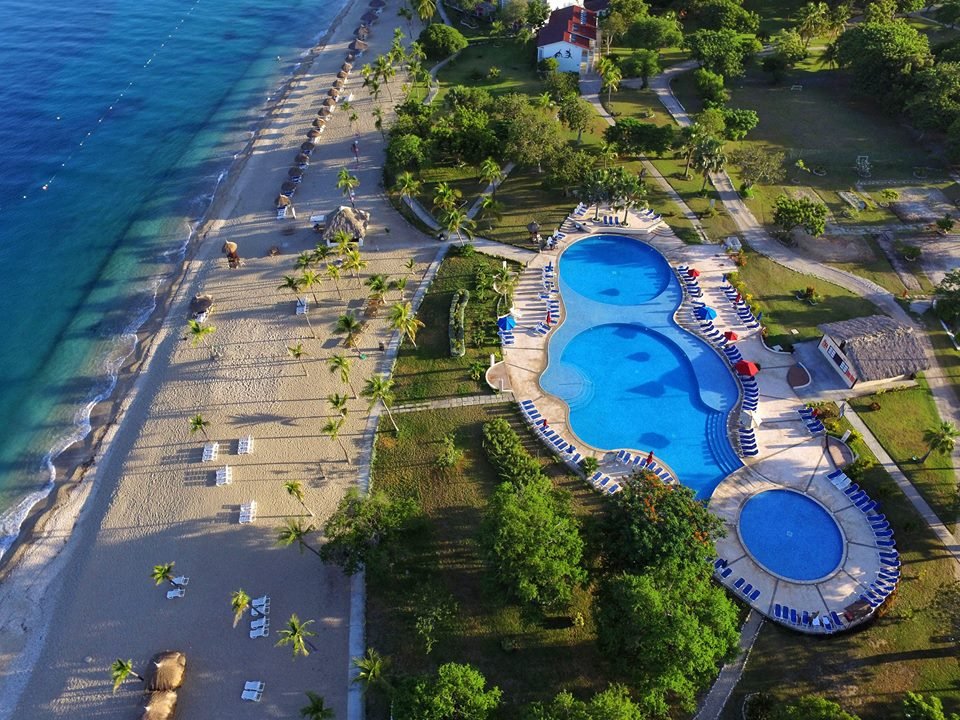
Nestled on the northern coast of Haiti, Labadie (often called Labadee) is a must-see destination for lovers of heavenly beaches and seaside adventures. Known for its idyllic landscapes, crystal clear waters and varied activities, Labadie has established itself as a star among Haitian beaches. Let’s discover together this tropical jewel that attracts visitors from all over the world.
Haiti, a captivating Caribbean island, is a tropical paradise often overlooked by travelers. Between white sand beaches, mountainous landscapes, vibrant culture and fascinating history, this island gem offers a unique and unforgettable experience. If you are looking for an authentic destination, off the beaten track, Haïti is the perfect place for an adventure rich in discoveries. Here is why Haïti deserves its place among the most beautiful places to explore.

First black nation to free itself from slavery and gain independence from France in 1804 and influenced other liberation movements around the world, inspiring struggles for freedom and equality.

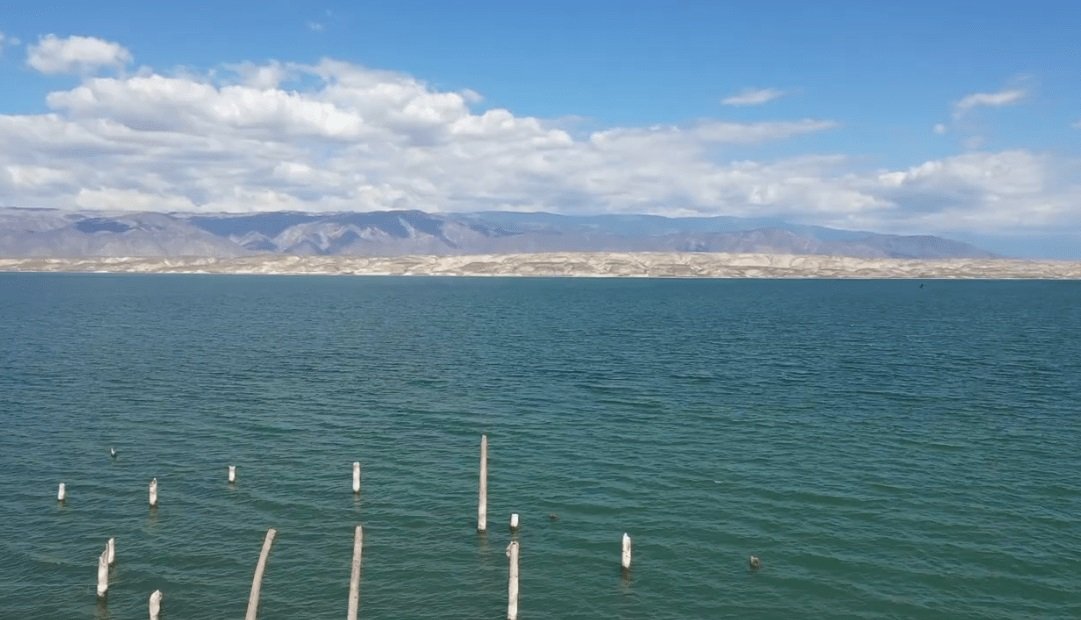
Haïti is blessed with spectacular natural landscapes, including white sand beaches, mountains and rich biodiversity.

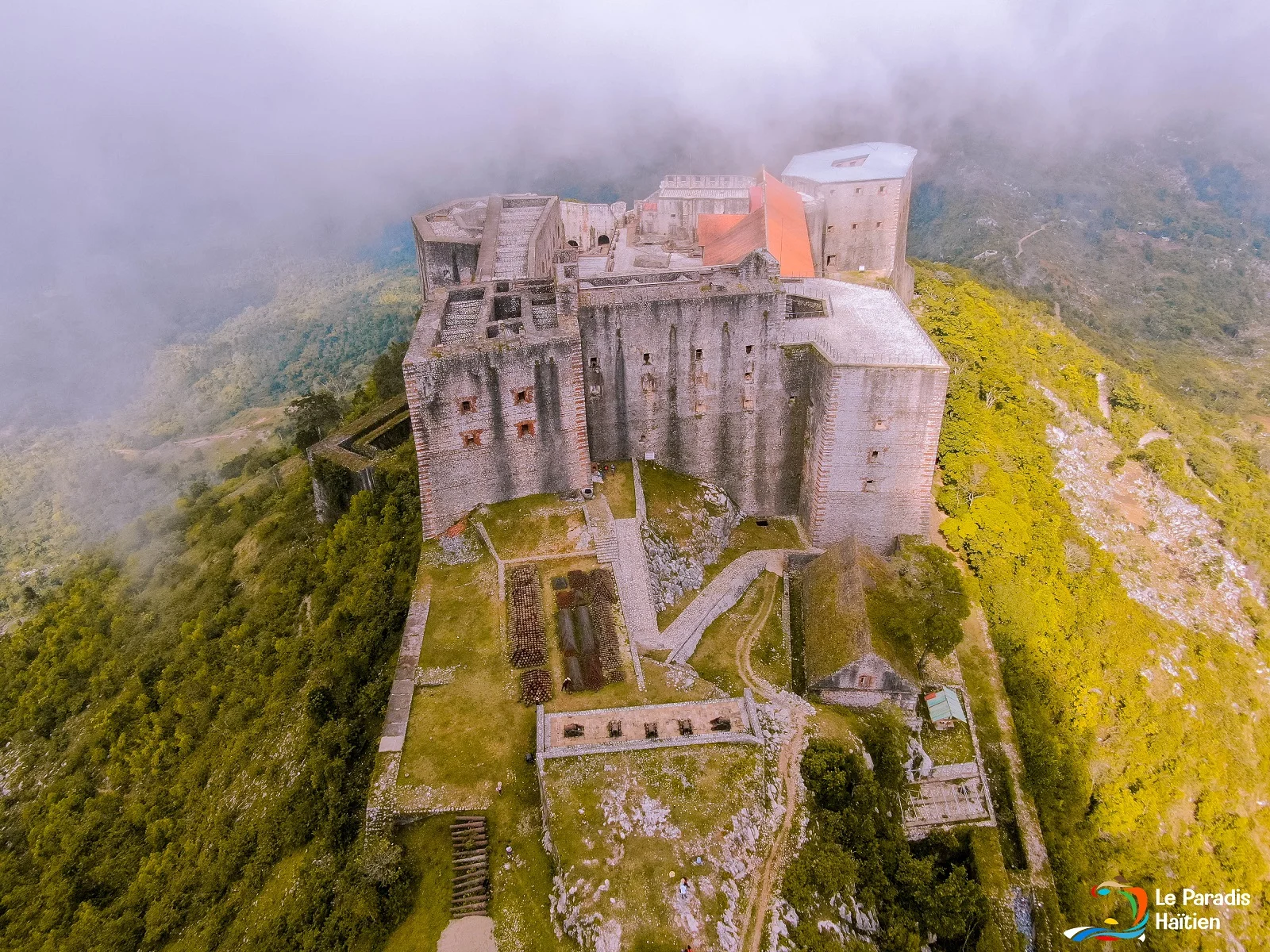
Haïti has a rich historical heritage, including sites like the Citadelle Laferrière and the Sans-Souci Palace, listed as UNESCO World Heritage Sites.

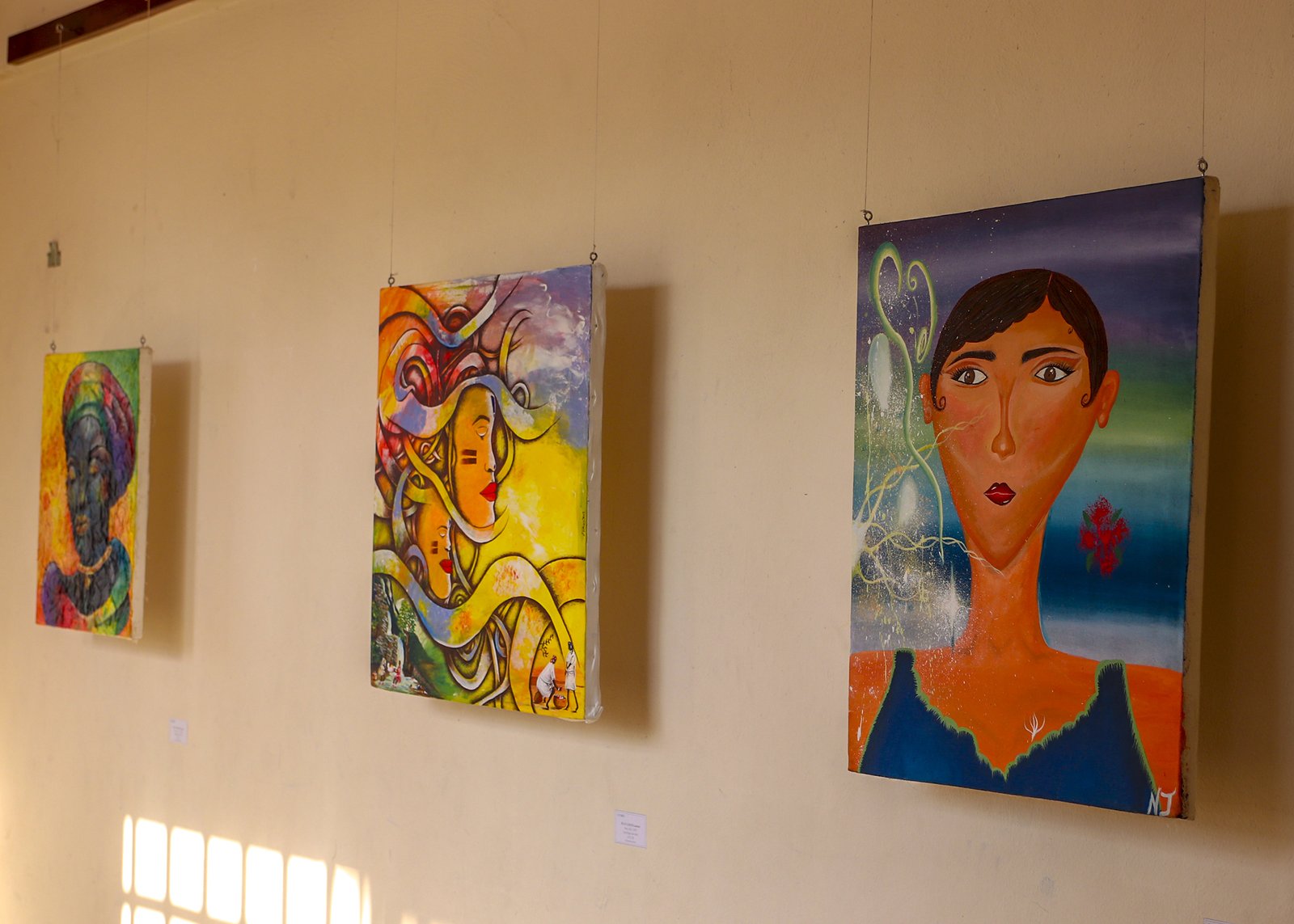
Haïti has a rich and diverse culture, influenced by African, European and indigenous elements. Haitian music, dance, art and cuisine are celebrated around the world.