




Haiti: Cap-Haïtien Boulevard ignites to the rhythm of Rara Fest
Rara Fest 2025 in Cap-Haïtien: music, colors, and Haitian traditions come alive. A cultural and touristic event not to miss.
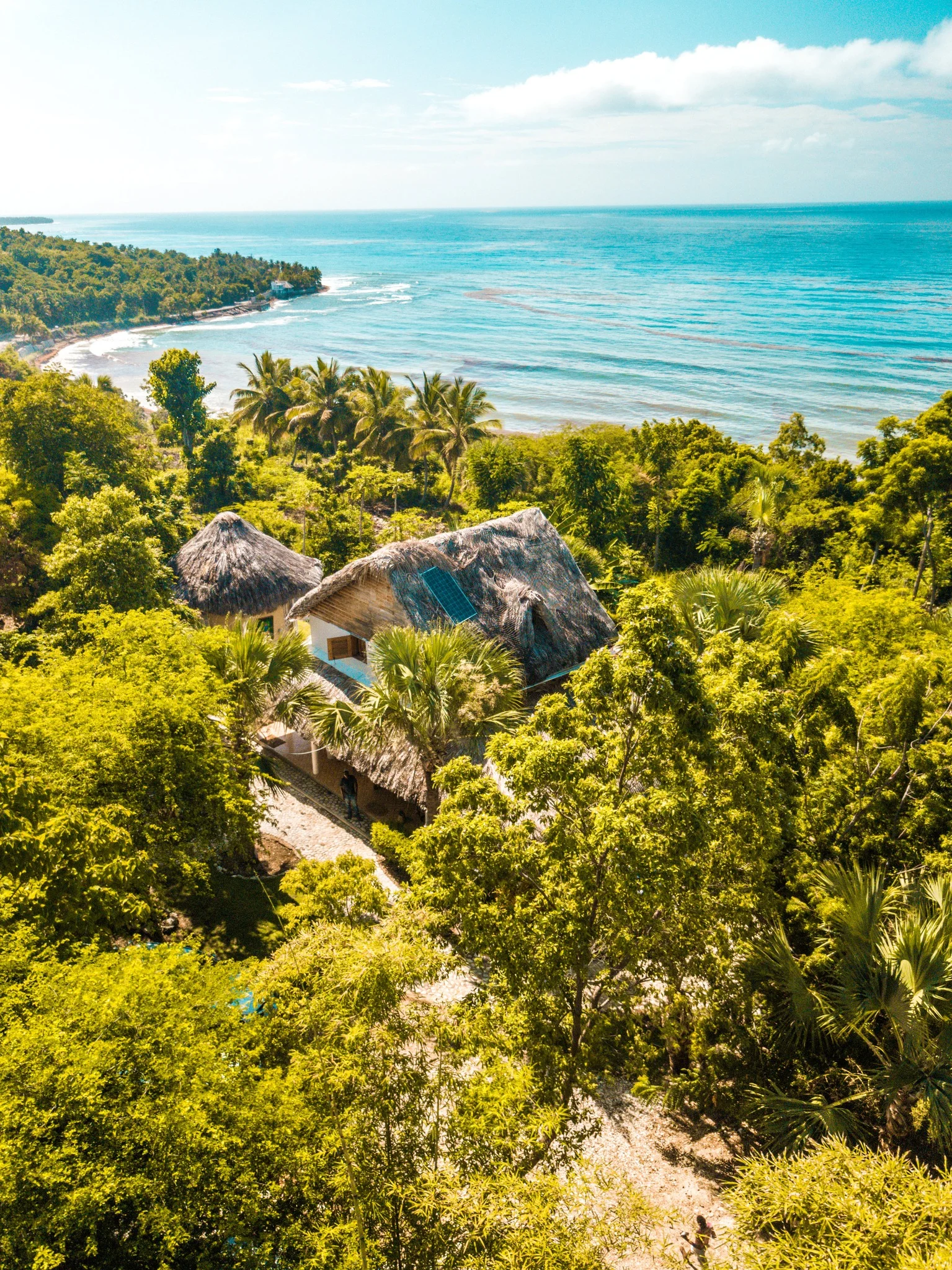
Discover the paradise beaches of Haiti, a gem to visit year-round. Immerse yourself in the beauty of this unique country! #Haiti #Beaches #Tourism
DevExpo, June 21, 2025 - Haitian software engineer Appolon Guy Alain officially launched MyTeamCollab, a new, innovative document management and sharing platform designed for modern teams. This solution addresses a common problem: the loss of essential documents in the maze of instant messaging and email.
The word “Haiti” is deeply rooted in the history and culture of the island, representing much more than just a name. It symbolizes an identity, a heritage, and a unique geography. But what is the true meaning of this iconic word? Let’s explore its origins, history, and symbolic significance.
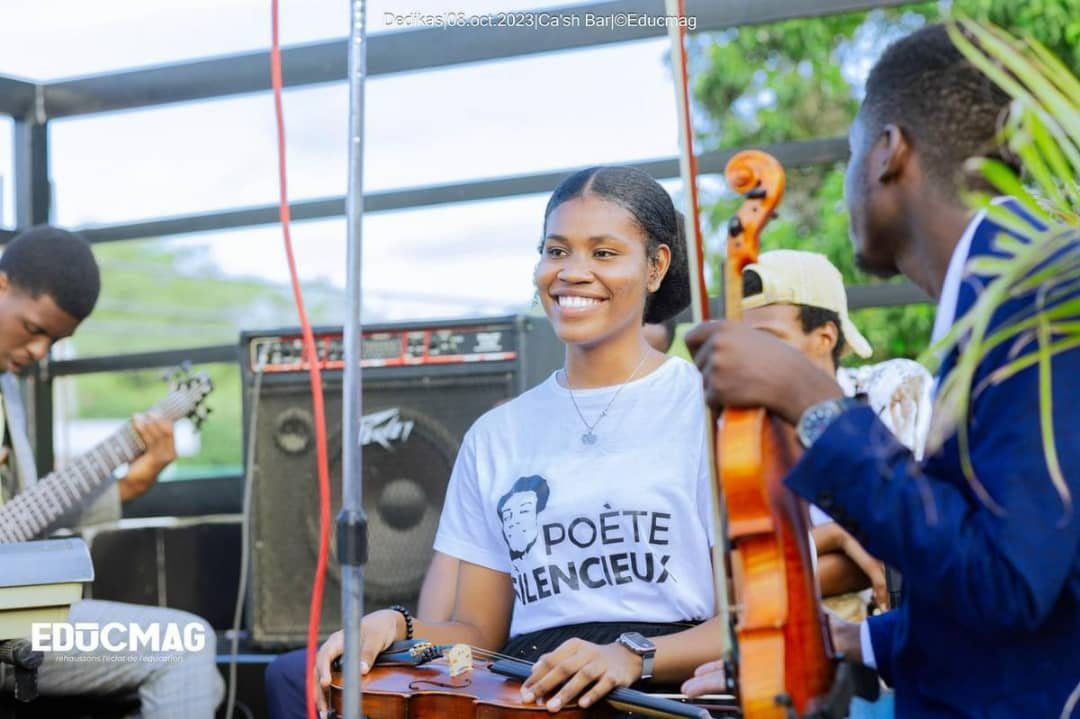
Dedikas is an initiative taken by the young Haitian slam poet, Jean Wood Jude, better known as the Silent Poet. It is a cultural event that highlights poetry and music in the heart of Port-au-Prince. The event aims to offer a space for expression to young artists, especially those evolving in the Haitian slam scene. Dedikas has already taken place twice, and a third edition is planned for Saturday, December 22, 2024, at the Soho premises, located at Delmas 41, number 16, from 2:30 p.m. to 7:00 p.m. This new edition follows on from the first two, which took place respectively on October 8 and December 20, 2023.
The night of February 17, 2024 will remain engraved in the memories of music lovers in Jacmel, Haiti, thanks to a breathtaking show which took place at the Alliance Française. This remarkable event, part of the prestigious Jacmel Jazz Festival calendar, offered spectators an exceptional musical experience with its Acoustic Revival program.
Le soup joumou haïtien est bien plus qu’un simple plat traditionnel. Il incarne une histoire de résistance, de liberté et de culture, et représente un élément clé de l’identité haïtienne. Au-delà de sa signification symbolique, il offre aussi aux voyageurs un moyen unique de découvrir les richesses de la gastronomie haïtienne. Dans cet article, nous explorerons l’importance historique du soup joumou, ses caractéristiques culinaires, ainsi que son rôle en tant que moteur du tourisme gastronomique en Haïti.
On July 27, Brooklyn’s City Tech Theater was transformed into a cultural celebration for the world premiere of "Because of Love," the latest production by talented director Fednaelle François. Organized by Jazz Enterprise, the event brought together a large and enthusiastic crowd eager to discover this new masterpiece of Caribbean cinema.
Beyond the chaos, in the heart of the desolation, there are voices that resonate. They shatter the silence, depicting the macabre reality of everyday life in a thousand shards, thus defying evil to give meaning to life and make each day a place where hope flows like a stream of honey. Edison Juste’s voice is one of them: it sings of hope, of love, while praising God. It was in Carrefour, 27 years ago, that the young singer’s sun rose within a family of four children. Edison Juste is the youngest. Between the diplomat, the lawyer, and the entrepreneur that he is, singing remains his greatest passion for this young married man. Like many Haitian singers, Edison Juste took his first steps at a very early age in a choir—Yahvé Shama—alongside children his own age. He would later become the lead singer. This was in 2010. Asked about his first real encounter with music, he replied: q~It was in 2013 that I really started singing. It was during a competition organized by Styl Doz at the Évangélique de la Grâce church,~q, says the active member of the group YES (Yon Enstriman Sen), who also expresses his gratitude to singer Joseph Rhousteau, who inspired and coached him for several years. Edison Juste stands out not only for his style, but also for his versatility. His ability to make the notes vibrate with a moving candor seems limitless. Yet, he has his preferences: q~There isn’t a single style that characterizes me. I see myself as a liquid: I take the shape of the container. Even if I remain haunted by Worship, Compass, and Jazz, he confides. Today, the Carrefour native boasts a rich and varied musical repertoire. From 2010 to 2025, he has grown both in maturity and in renown: five competition wins, his first song recorded in 2018, joining the band YES, his participation in the second album, Se pou m beni, a collaboration with Amos César in a musical, and his contribution to the album Anprent by maestro Berwin Sydney. For him, this journey is already a great source of inspiration. Edison Juste never does without the presence of God, whether in the creative process or during his stage performances: "What influences and motivates me the most is always the presence of Elohim, and the audience’s desire to savor and appreciate my work," he says.
In the digital panorama of Haiti, Guy Alain Appolon stands out as an essential figure, particularly in the field of web development. Its name resonates as a reference for quality and innovation. What sets Appolon apart is his ability to merge art and code, an ability forged by his multiple talents, notably as a painter, computer graphic designer and musician, giving him extraordinary creativity.
Haiti, a majestic Caribbean island, seduces with its landscapes, vibrant culture, and a fascinating history of struggle for independence. In this comprehensive article, discover everything you need to know to appreciate the beauty and authenticity of Haiti: its geographical location, legendary history, rich culture, heavenly beaches, historical sites, unique cuisine, traditions and much more.
Haïti is a small country located in the Caribbean, but what continent is it actually on? Although Haïti is often associated with tropical islands and paradise vacation destinations, its geographical location makes it a key part of the American continent. Let’s explore Haiti’s geographical location and its relationships with other nations in the Americas.
Kwen Pawòl Lib is preparing to start the new year in style. The nineteenth exit, the first of the year, is scheduled for this Thursday, January 9, 2025 at 4:30 p.m. at Caroline Bar, Mon Repos 38, Carrefour. This socio-cultural initiative, which aims to bring together people of all ages, offers a space for dialogue where participants can exchange and reflect on societal, environmental, etc. topics and issues. For this edition, Kwen Pawòl Lib will have the honor of welcoming a distinguished speaker: Gutenberg Destin. A psychologist by training, Gutenberg Destin is one of the instigators of Ribanbèl Timoun, a space dedicated to the well-being and relaxation of children. Sensitized to environmental issues, he is currently pursuing studies in geography at the University Institute of Sciences and leads numerous training courses for national and international institutions, including UNESCO, on risk and disaster management. Alongside Jean Rony Charles, who will moderate this 19th issue, the discussion will focus on the theme: "Natural disasters do not exist...". This meeting promises to be rich and essential, especially in a context where Haïti is among the most vulnerable countries facing environmental challenges. Come in large numbers! Author: Estriplet Millor Restitution of the content creation workshop: Carrefour, behind the scenes.
Haiti, a country rich in history, culture and natural beauty, is one of the most fascinating and underrated destinations in the Caribbean. For years, this country was perceived through a negative prism, but today, Haïti deserves to be rediscovered. If you are wondering why travel to Haïti now, this article will convince you that now is the perfect time to discover this unique island, full of surprises and hidden treasures.

First black nation to free itself from slavery and gain independence from France in 1804 and influenced other liberation movements around the world, inspiring struggles for freedom and equality.

Haïti is blessed with spectacular natural landscapes, including white sand beaches, mountains and rich biodiversity.

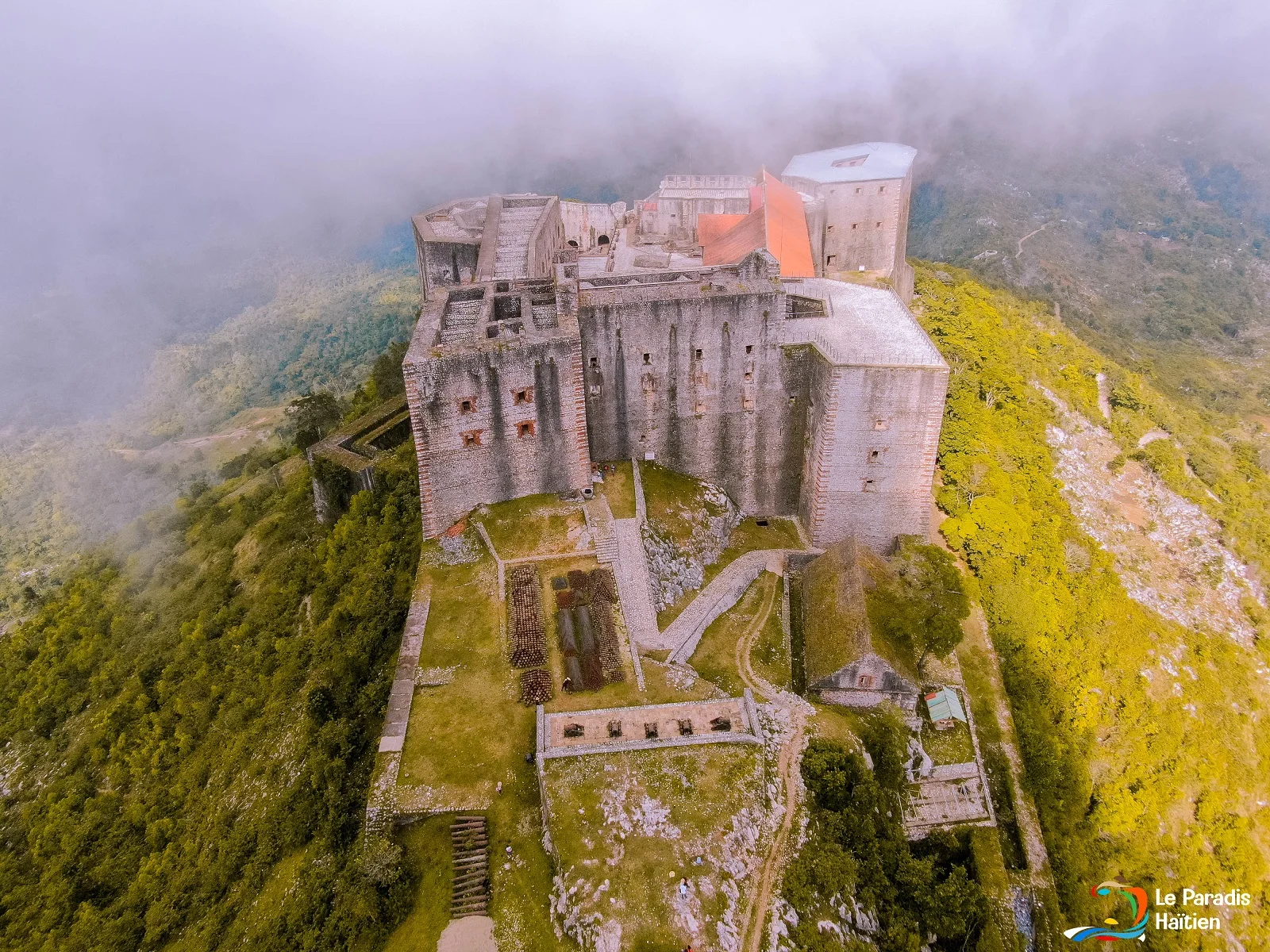
Haïti has a rich historical heritage, including sites like the Citadelle Laferrière and the Sans-Souci Palace, listed as UNESCO World Heritage Sites.

Haïti has a rich and diverse culture, influenced by African, European and indigenous elements. Haitian music, dance, art and cuisine are celebrated around the world.