

Haiti: The Rendez-Vous Christ Church inspires youth at a major conference
Discover how the Rendez-Vous Christ Church inspires Haitian youth at an unforgettable conference. Join us! #Haiti #Youth #Insp

Haiti, located in the Caribbean, occupies the western third of the island of Hispaniola, which it shares with the Dominican Republic to the east. Its capital, Port-au-Prince, is the political, economic and cultural heart of the country. With an area of approximately 27,750 km², Haïti is home to nearly 12 million people, making it one of the most densely populated countries in the Caribbean region. This island nation’s rich and tumultuous history, unique cultural heritage and resilience in the face of challenges make it a fascinating and inspiring country.
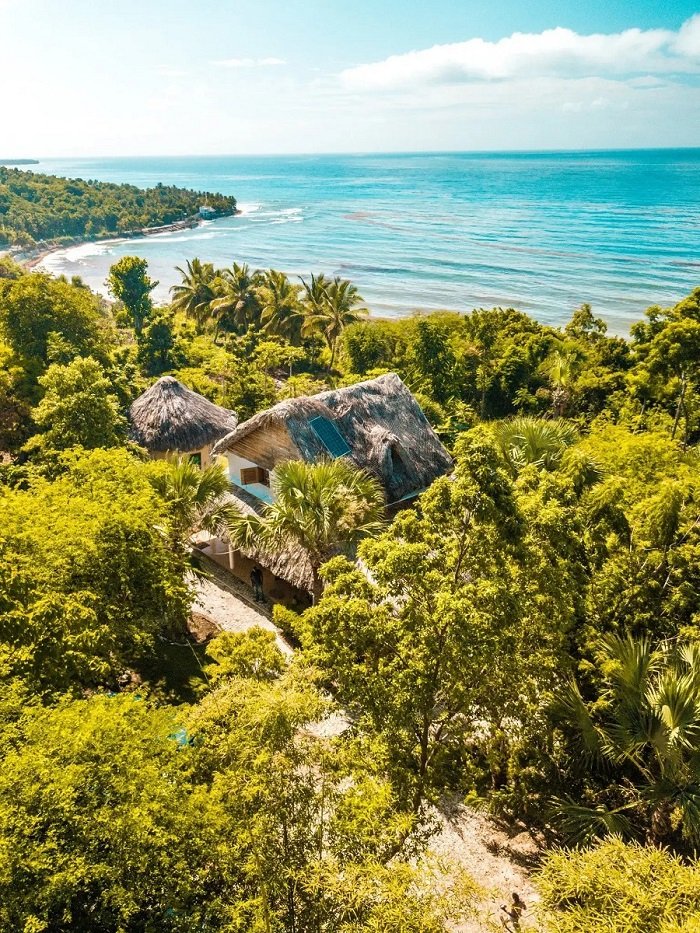
Summer is just around the corner, and if you’re looking for a sunny, cultural and flavorful destination, Jacmel and its surrounding areas in Haïti are the perfect place to discover. Nestled between sea and mountains, this region offers a unique experience combining relaxation, cultural exploration and culinary delights.
Haïti is a small country located in the Caribbean, but what continent is it actually on? Although Haïti is often associated with tropical islands and paradise vacation destinations, its geographical location makes it a key part of the American continent. Let’s explore Haiti’s geographical location and its relationships with other nations in the Americas.
AN N AL KANPE, an immersive camping, retreat and discovery experience in the picturesque landscapes of Kenscoff and Furcy, Haïti brought together more than thirty young people from 17 youth organizations and associations, offering these leaders a unique chance to reconnect with nature, strengthen their bonds and immerse themselves in the rich Haitian culture.
In Haiti, manje midi (lunchtime) is much more than just lunch. It’s a key moment of the day, a sacred break where we enjoy hearty, tasty, and nutritious dishes. Whether at home, at the office, or in the small, popular restaurants "kantin" or "manje anba dra," lunch is a true feast. Lunchtime in Haïti often consists of several essential elements:
In Arabic, the family of words Amin, Iman or imam, imana designate faith, trust, security. This word is also present in the Swahili language (Kenya, Tanzania, East Congo Kinshasa) in the form imani: trust. "The term Imana is not the equivalent of God-Goddess which is a Western vision of divinity. Indeed,: "the term "imana" does not designate above all a personal being that should be honored and implored, but a diffuse fluid that should be captured." In other words, Imana is a neutral vital force that manifests itself in the inner cosmos of each living being." ¹ Imana, by Michel Darlin Johancy is a musical, symphonic and spiritual journey through three geographies: an inner geography of meditation, a cultural identity journey and an artistic musical stroll. These three itineraries unfold in Haitian spaces. This symphonic and spiritual journey takes place in 10 stages or 10 movements.
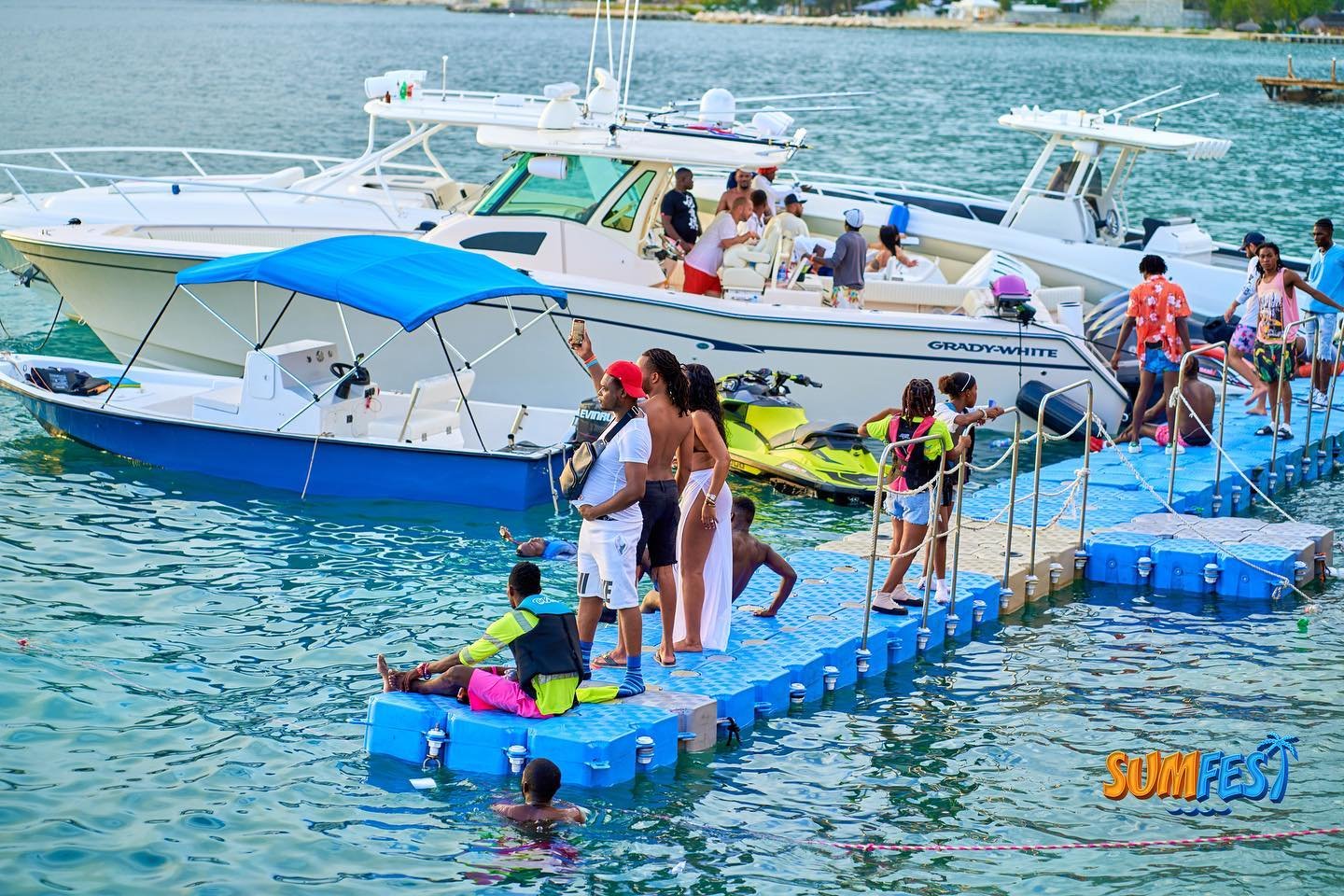
If you’re looking for an unforgettable musical experience this summer, look no further than Sumfest in Haiti. This unmissable festival brings together the biggest names in the Haitian music scene for a crazy weekend, all in an idyllic setting by the sea. This is why Sumfest is the event not to be missed for all music lovers. Haitian music and culture.
Haitian and African cuisine are gastronomic treasures that highlight local ingredients and preparation techniques passed down through generations. Among the most popular dishes of both cuisines, Haitian Tonmtonm and African Foutou (or Fufu) are distinguished by their rich flavors and unique textures. These two dishes, although they share a similar foundation - the use of local products such as cassava or plantain - have interesting differences, especially in their preparation, taste and accompaniment.
Haitian cuisine, with its blend of spices, flavors, and traditions, occupies a unique place in the Caribbean culinary panorama. Rooted in centuries of history and cultural influences, it is distinguished by several elements that make it exceptional. Let’s discover what makes Haitian gastronomy unique.
On the airwaves of Radio Solidarité 107.3 FM in Port-au-Prince, a familiar voice has been accompanying listeners for years: that of Dominique Beldor, a passionate host and programming director. Through his music show, The Dominik Show, broadcast weekdays and now every Saturday, he has forged a unique connection with the Haitian public, combining music, cultural news, and social analysis. Residing in Florida since May 2024, Dominique continues his remote broadcast with the same energy. Broadcast from Tampa, his show maintains its vocation: to bring Haitian culture to life around the world and offer a space for free, engaged, and respectful discussion. Before leaving the country, the host admitted to having received threats for his opinions and on-air analyses, which forced him to seek shelter to avoid reprisals. Today, from the virtual studios in Florida, Dominique Beldor continues to fly the flag for Radio Solidarité, with a voice freer than ever—and still as close to the hearts of Haitians as ever.
Haiti, the pearl of the Antilles, is a country rich in history and culture. Its public holidays are moments of celebration, commemoration and reflection on its glorious past. Each date has a special meaning, plunging Haitians into a festive and memorable atmosphere. b~January 1: National Independence Day and New Year~b January 1st is a doubly special day in Haiti. On the one hand, it is National Independence Day, commemorating the victory of Haitian slaves over French colonial forces in 1804. On the other hand, it is New Year’s Eve, marking the start of a new year full of promises and hopes. b~January 2: Feast of the Forefathers~b January 2 is dedicated to the memory of ancestors. It is an opportunity for Haitians to remember their roots, to celebrate the cultural heritage passed down from generation to generation. b~February: Carnival, Shrove Monday, Fat Tuesday, Ash Wednesday~b The month of February is marked by Carnival, one of the most colorful and dynamic festivities in Haiti. The streets fill with parades, lively music and wild dancing. Mardi Gras is the culmination of Carnival, followed by Ash Wednesday, marking the start of Lent. b~April: Easter, Maundy Thursday, Good Friday~b Easter celebrations in Haïti include the religious traditions of Maundy Thursday and Good Friday. It is a time of prayer and reflection for many Haitians. b~May 1: Agriculture and Labor Day~b May 1 is dedicated to celebrating the work and importance of agriculture in the life of the country. It is an opportunity to recognize the efforts of workers and to highlight the agricultural sector. b~May 18: Flag Festival~b Flag Day celebrates the Haitian flag, a symbol of independence and national pride. Haitians honor their colors and remember the courage of their ancestors in the fight for freedom. b~May 23: National Sovereignty Day~b This day commemorates the recognition of Haitian sovereignty by France in 1805. It is a moment of national pride and reaffirmation of independence. b~May - August: Ascension~b The Ascension is celebrated between May and August, a religious festival marking the ascension of Jesus Christ into heaven. b~June: Fête-Dieu~b Fête-Dieu, also known as the Feast of the Body and Blood of Christ, is an important religious celebration in June. b~August 15: Assumption of Mary~b The Assumption of Mary is a Christian holiday marking the ascension of the Virgin Mary into heaven. It is celebrated with fervor in Haiti. b~September 20: Birth Anniversary of Jean-Jacques Dessalines~b This date commemorates the birth of Jean-Jacques Dessalines, one of the founding fathers of Haïti and a key leader in the struggle for independence. b~October 17: Death of Dessalines~b October 17 is a day of commemoration of the death of Jean-Jacques Dessalines, recalling his impact on Haitian history. b~November 1: All Saints’ Day~b All Saints’ Day is a religious holiday honoring all saints, celebrated with prayers and visits to cemeteries. b~November 2: Day of the Dead~b All Souls’ Day is an opportunity to pay homage to the deceased by decorating graves and participating in religious ceremonies. b~November 18: Commemoration of the Battle of Vertières~b This day honors the decisive Haitian victory at the Battle of Vertières in 1803, marking the end of the French occupation. b~December 5: Discovery Day~b December 5 celebrates the discovery of the island by Christopher Columbus in 1492. b~December 25: Christmas~b Christmas celebrations in Haïti are marked by family reunions, festive meals and religious traditions. Public holidays in Haïti are much more than breaks from everyday life; these are moments that embody the soul and resilience of a people. Each celebration provides an opportunity to come together, remember the past and look to the future with hope and determination.
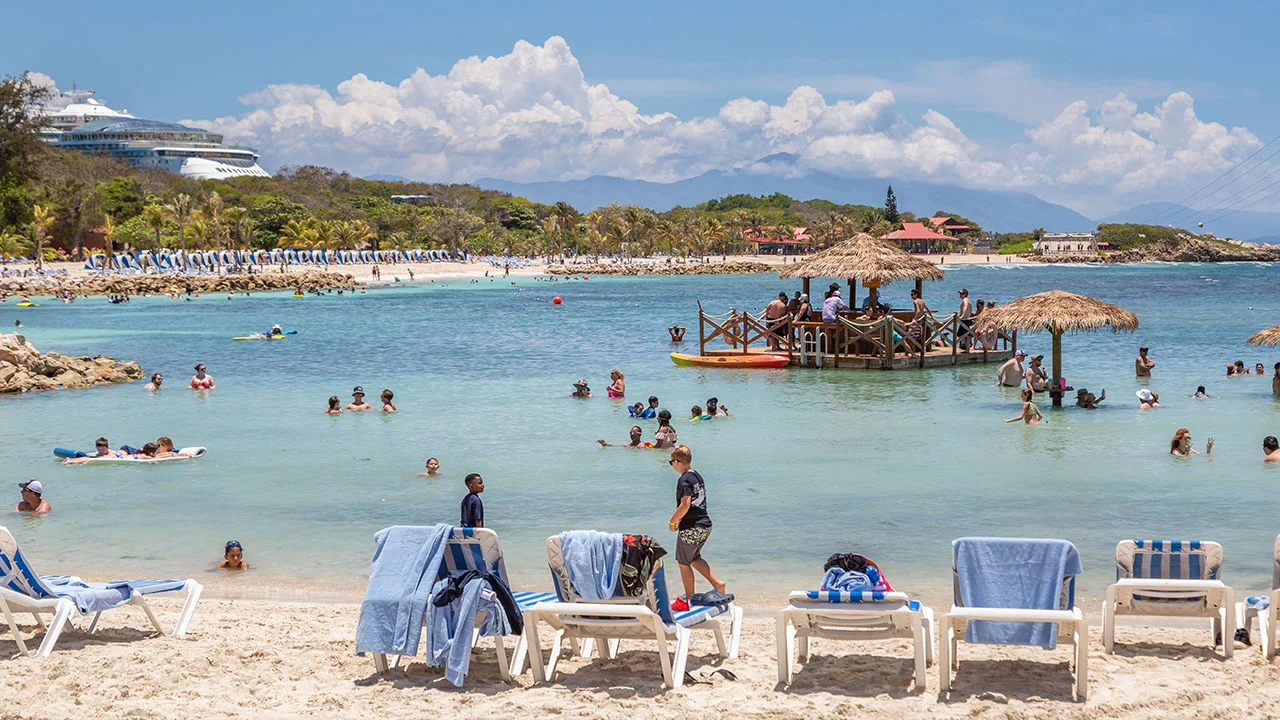
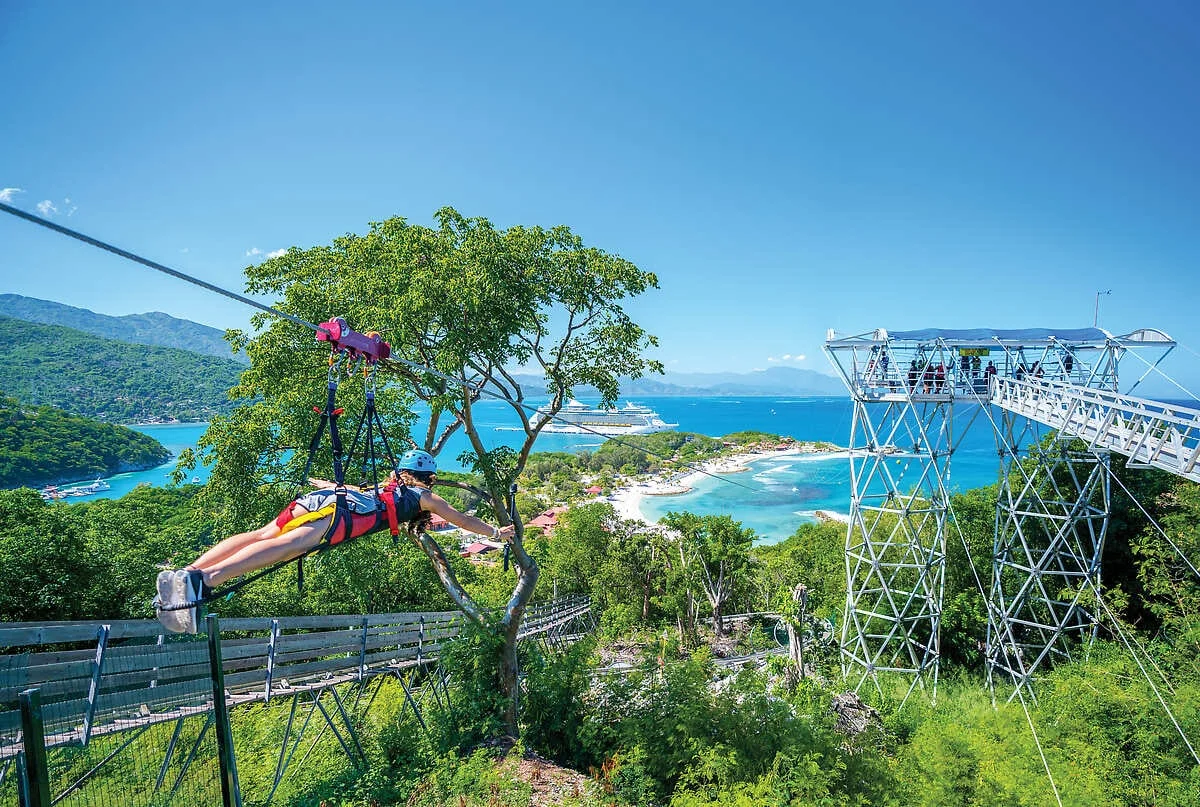
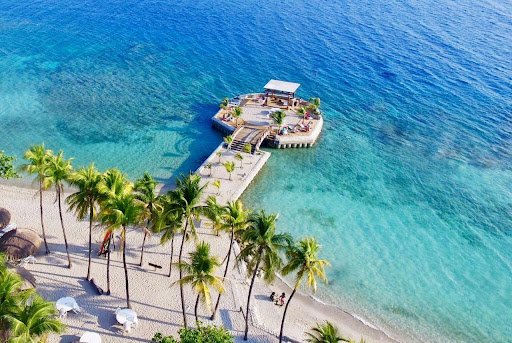
Haiti, often overlooked as a tourist destination, has a unique charm that seduces visitors in search of authenticity, history and breathtaking landscapes. With its heavenly beaches, rich historical heritage and vibrant culture, Haïti offers an unforgettable experience. Let’s dive together into the best that tourism in Haïti has to offer.

First black nation to free itself from slavery and gain independence from France in 1804 and influenced other liberation movements around the world, inspiring struggles for freedom and equality.

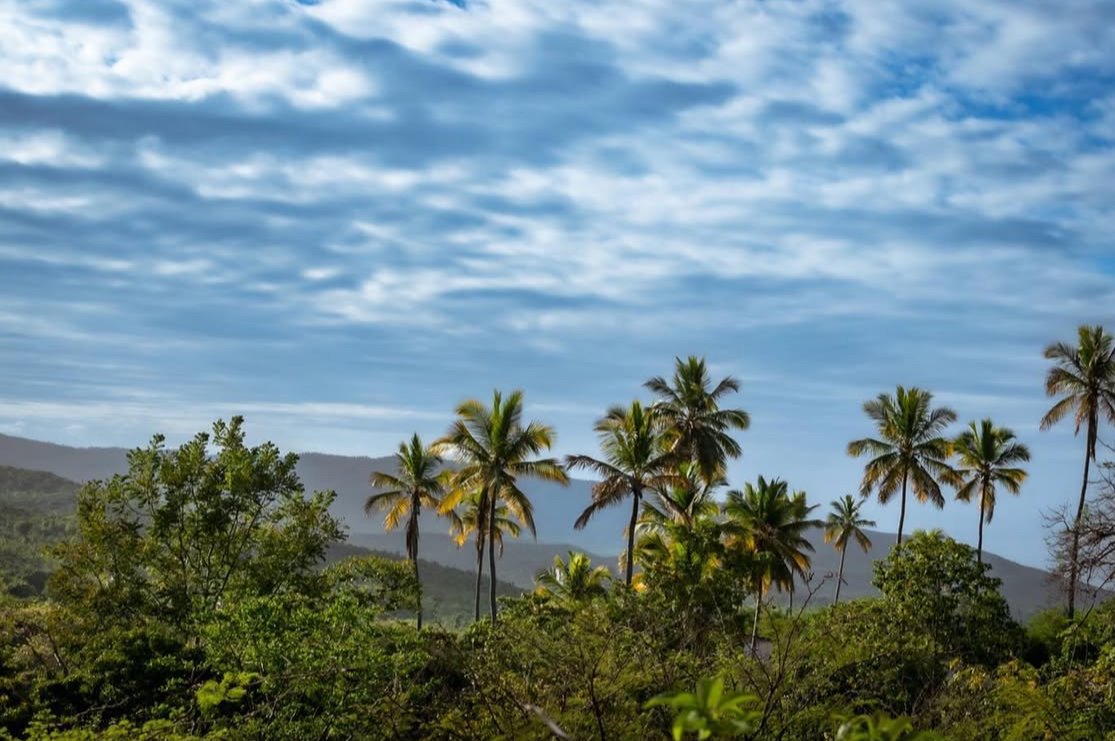
Haïti is blessed with spectacular natural landscapes, including white sand beaches, mountains and rich biodiversity.

Haïti has a rich historical heritage, including sites like the Citadelle Laferrière and the Sans-Souci Palace, listed as UNESCO World Heritage Sites.

Haïti has a rich and diverse culture, influenced by African, European and indigenous elements. Haitian music, dance, art and cuisine are celebrated around the world.











