
NexoCash Haiti: The Virtual Card Revolution for Everyone
In a world where digital transactions are becoming essential, NexoCash Haïti is establishing itself as an essential solution for anyone looking to send or receive money with ease.

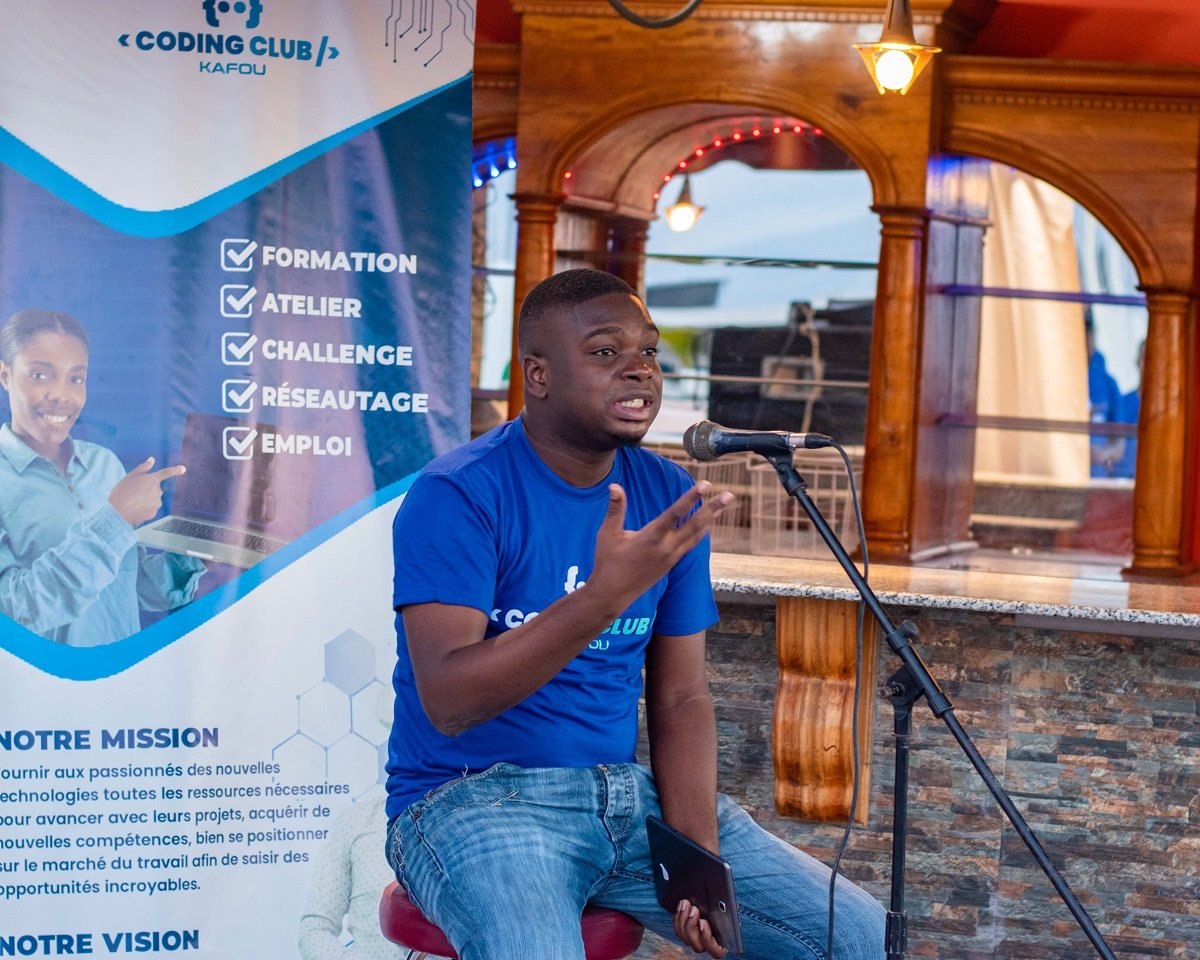
In a world where the digital revolution is in full swing, mastery of technological tools has become crucial. The Coding Club Haïti positions itself as an essential actor in the dissemination of knowledge related to this field to young Haitians. With this in mind, Coding Club Haïti officially launched Coding Club Cap-Haitien on Friday, March 1, 2024, a welcome expansion of the successful initiative at Carrefour. By providing an environment conducive to learning and creativity, the club opens new pathways to a future where innovation is accessible to all. The Henry Christophe Campus of Limonade CHCL was the vibrant scene of this inaugural event, bringing together more than sixty curious minds eager to master the art of computer programming. Under the direction of Appolon Guy Alain, the passionate initiator of Coding Club Haiti, Mauricette John Stevens, coordinator of Coding Club Cap-Haitien, and Philistin Rochernie, membership manager, this new branch of the club is committed to offering its expertise in Capois and Capoises who are passionate about computer programming.
From March 8 to 21, 2025, the Emmanuel Charlemagne Municipal Cultural Center welcomes a vibrant and emotional celebration of femininity with MUSES, a unique exhibition as part of Women’s Fortnight. This event delves into the very essence of Haitian women, representing them in all their complexity, strength, and beauty through the works of four exceptional artists. Let yourself be swept away by this unique artistic experience that invites you to rediscover women in a new light!
Haiti, a Caribbean island country, is much more than just a tourist destination. It embodies a symbol of resistance, freedom and the struggle for emancipation, a historical example for the whole world. In this article, we will explore why Haïti is considered a true symbol of freedom, by highlighting its history, culture and its essential role in the fight against oppression.
Haiti, the world’s first independent black republic, is a universal symbol of freedom and resistance. But who founded Haïti and how was this nation born? This journey through history leads us to explore the role of heroic figures, significant events, and the context that gave birth to this unique nation.
Haïti is making headlines all over the world. And it’s not good news. The exploits of Haitians rarely generate so much interest, but we always tend to point out the excesses, spill ink to stir up thorns in the side, broadcast on loop to relay the chaos that is raging. There is hardly any media to make amends for the resilience of this cornered people. No one to highlight the fierce resistance that serves as fuel for this people hanging in the gorges of death. And what if it was to a certain extent the only way to talk about this country to finally attract attention? It is July 26, 2024. The Olympic Games have just started in France. The 33rd Olympiad of modern times. Without realizing it, according to Forbes Magazine, Haïti ranks among the ten nations with the best costume, proudly pointing to third place. At the same time, miles away from France, on “The Island of Skillfully Orchestrated Chaos,” Haitians do not even realize how much this recognition borders on irony. A paradox whose unpopular evocation is likely to greatly displease. An aerial image shows the city of Paris in all its splendor, illuminated like the gates of paradise, reflecting all the grandeur of France, all the magnificence it has acquired over the centuries, without forgetting the contribution of the blood shed by the horrible machine of colonization. I close my eyes, I go back in time, I see again this boy left to his own devices, lost without even knowing it, doomed to failure without even understanding it. And then there are the others. Boys in the same situation, or worse. Banished from society, they do not know what life has in store for them. They form the elegant class of the marginalized, in their quality of scoundrels, good-for-nothings, and thugs who spoil the splendor of society. This contrast challenges me, and I wonder for a moment if those who live the chaos from the outside grasp the stakes and the reality of the situation. Moreover, it seems to me that even the majority of Haitians living in the territory have no notion of the fundamental and essential aspects of the situation.
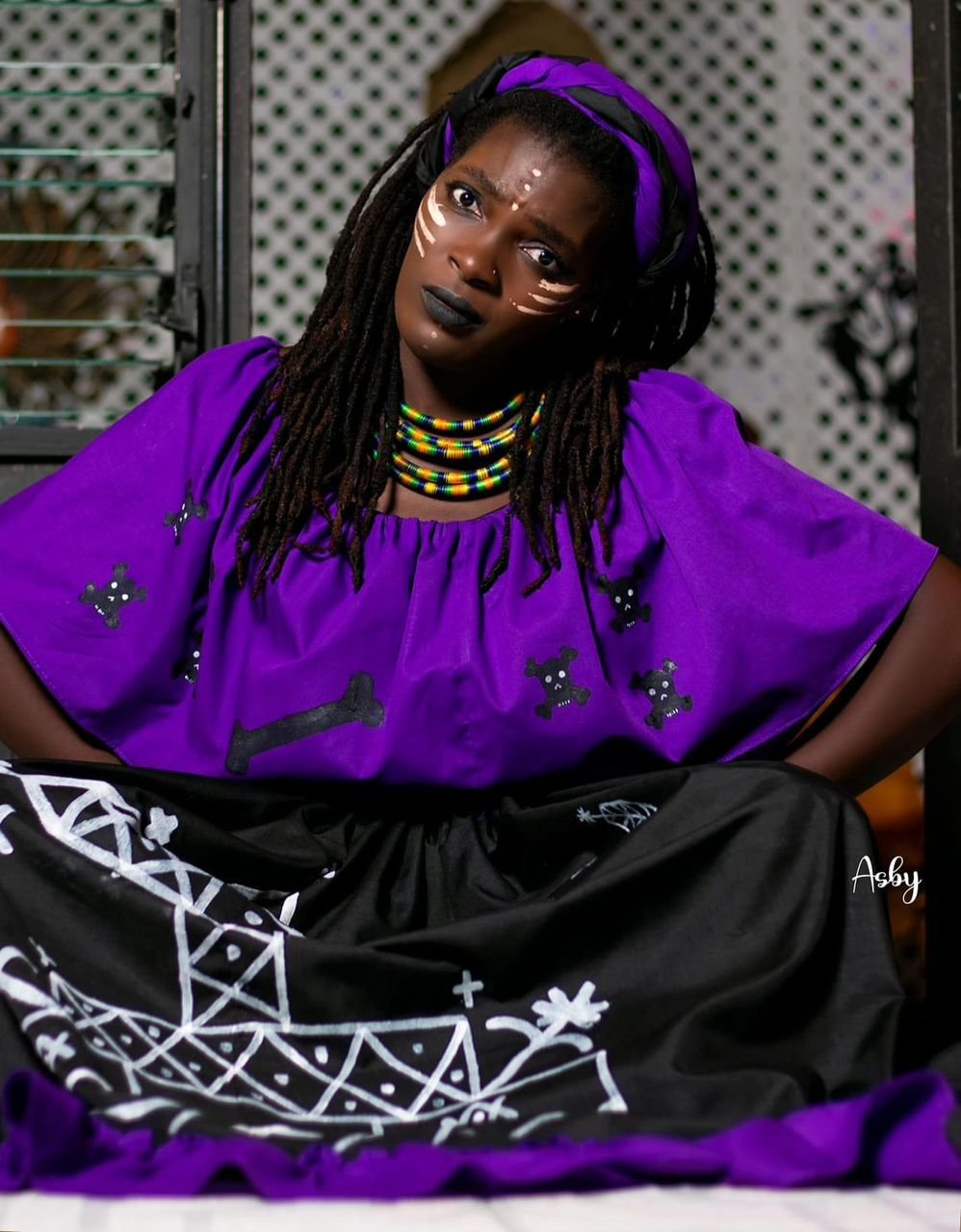
Religious diversity in Haïti is a key aspect of its cultural identity, but Christianity, and more specifically Catholicism, is the most popular religion in the country. With its roots deep in colonial history, Haitian spirituality is also enriched by unique cultural practices, such as Vodou, that coexist with Christian beliefs. In this article, we explore the history, practices, and key figures surrounding religion in Haiti.
The history of Haïti is closely linked to the different names that this land has had over the centuries. These names reflect the eras and influences that have marked the island, from the time of the indigenous peoples to independence. Let’s explore the old names of Haïti and their historical significance.
On February 2, 2025, a new initiative promoting women’s empowerment was launched with the launch of a digital skills training program, led by BIZNISLIFE and UHDES (Haitian Emergency for Economic and Social Development). This ambitious project aims to train and support 50 young women from the Nippes department in the digital world, offering them a gateway to promising professional opportunities.
Rendez-vous Christ (R.V.C) is a network of churches and Christian institutions gathered under the leadership of Reverend Pastor, Dr. Julio Volcy. The network consists of campuses located in Delmas 75, Caseau, Jérémie, and Cap-Haïtien. RVC supports these churches and other Christian charitable institutions to fulfill its mission among the Haitian population. Rendez-vous Christ is preparing to celebrate its 9th anniversary on March 23. On this occasion, the church plans to visit prisoners, sharing the good news of the Gospel, eating with them, and offering other gifts.
Jennifer EUGÈNE was born in Port-au-Prince on May 1st, 1995. She is an author and lawyer by training, and she skillfully combines her two passions: the defense of human rights and writing. From a young age, she found shelter and refuge in words, offering solace against a world that is often too chaotic and difficult. While other young people of her age shared their lives out loud, she immersed herself in her own universe, that of writing. At the age of fourteen, writing became for her more than just a hobby: it became a means of finding inner peace, overcoming struggles, and understanding herself. It was in this context that she found her true vocation.
This style of Gingerbread house made its triumphant entry into the project of a new model of building in the middle of the 20th century in Haïti with the arrival of new Haitian engineers studied in Europe, more precisely in France, who were going to provide Haïti with a new form of construction. At that time, the Haitian landscape was flourishing, the city of Port-Au-Prince is full of trees where the weather is beautiful in the heights of the city of Princes, it was a heavenly place where businessmen, mixed with politicians depending on the time began to live in this green space. Today, the Gingerbread house style, a built heritage in danger.
Haiti, a country rich in history and culture, is divided into several administrative departments that structure its territory and reflect its geographical and cultural diversity. Each department has unique characteristics, contributing to the wealth of the nation. Discover the 10 departments of Haiti, their characteristics, and their role in the life of the country.

First black nation to free itself from slavery and gain independence from France in 1804 and influenced other liberation movements around the world, inspiring struggles for freedom and equality.

Haïti is blessed with spectacular natural landscapes, including white sand beaches, mountains and rich biodiversity.

Haïti has a rich historical heritage, including sites like the Citadelle Laferrière and the Sans-Souci Palace, listed as UNESCO World Heritage Sites.

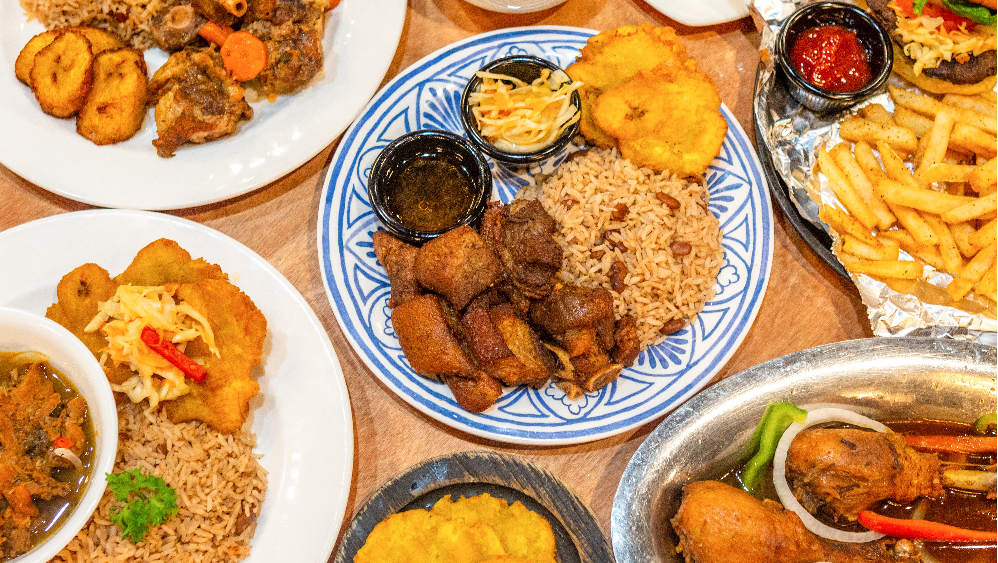
Haïti has a rich and diverse culture, influenced by African, European and indigenous elements. Haitian music, dance, art and cuisine are celebrated around the world.