





Haiti: The Rendez-Vous Christ Church inspires youth at a major conference
Discover how the Rendez-Vous Christ Church inspires Haitian youth at an unforgettable conference. An event not to be missed! #Haiti #Inspiration
Since the beginning of the week, an unfounded rumor has been circulating in the United States, particularly in the state of Ohio, accusing Haitians in the diaspora of killing and consuming pets, as well as ducks in public ponds. These allegations, widely relayed by certain public and political figures, have been formally denied by local authorities and the police in Springfield, the city where these alleged events allegedly took place. Despite these denials, the rumor continues to thrive, fueling stigmatization against Haitian migrants.
Article 1 of the Haitian Constitution of 1987, amended in 2011, establishes the foundations of national identity. In one concise but powerful sentence, it states that Haïti is an indivisible, sovereign, independent, free, democratic and social Republic. These six terms reflect the fundamental values and collective aspirations of the Haitian nation, forged through a rich and tumultuous history. q~ARTICLE 1: Haïti is a Republic, indivisible, sovereign, independent, cooperative, free, democratic and social.~q Let’s discover the meaning and importance of each of these principles in the context of the Republic of Haiti.
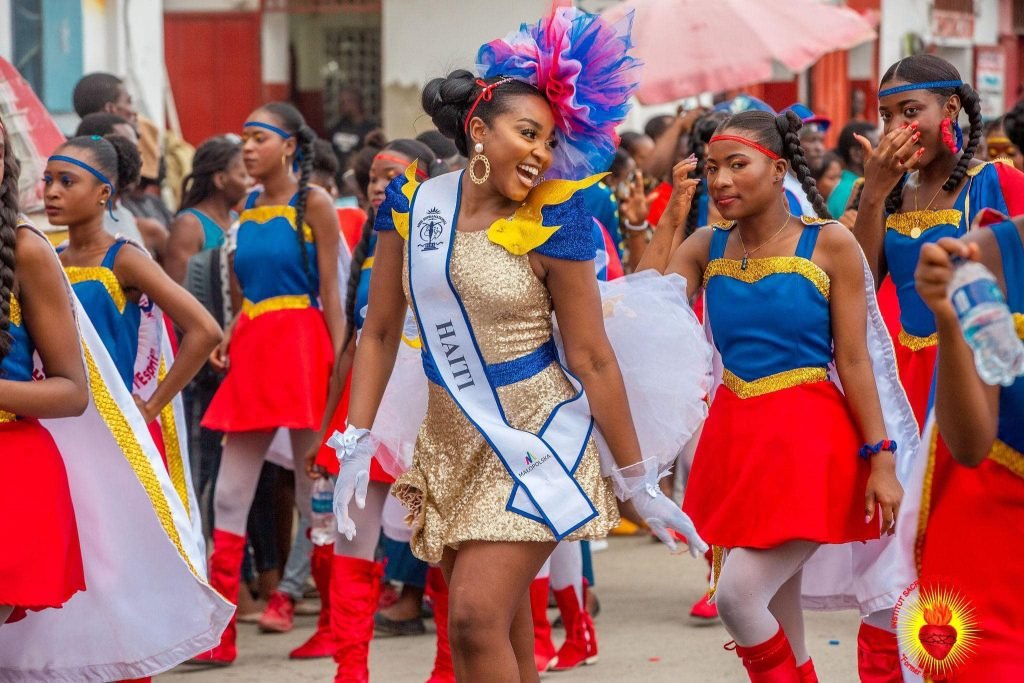
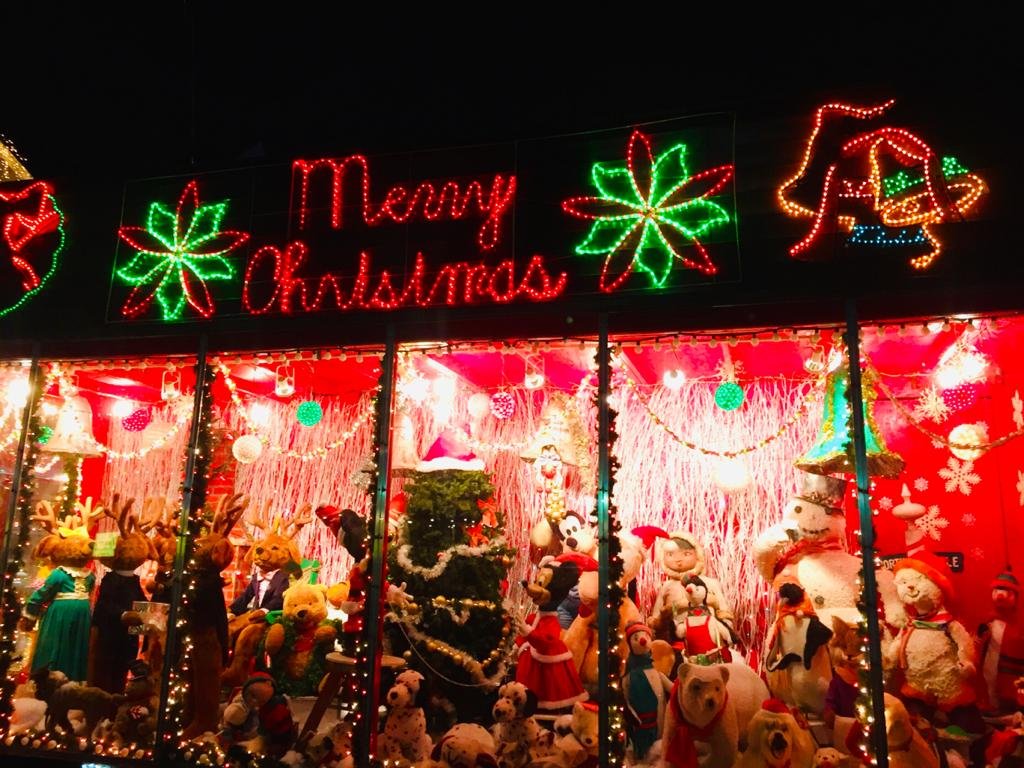
The joyful ringing of bells echoes through the streets of Haïti as the holiday season approaches. Christmas is a magical time when the streets light up, families gather and a warm atmosphere invades the island. Between traditions, cultural discoveries and gourmet feasts, Christmas in Haïti promises a unique experience. b~The Magic of Lights and Decorations~b From the beginning of December, Haïti is adorned with sparkling lights and festive decorations. The markets come alive with shimmering garlands, twinkling stars and ornate fir trees. The streets of Port-au-Prince in Jacmel shine with a special magic, inviting locals and visitors to immerse themselves in the festive spirit. b~Haitian Traditions at Christmas~b Christmas in Haïti is celebrated with a unique combination of religious traditions and local customs. Midnight Mass is a deeply rooted tradition, drawing worshipers to churches to celebrate the birth of Jesus in a vibrant atmosphere of song and prayer. A popular tradition is the "Dawn Mass" which takes place at dawn on December 25. The faithful gather to welcome Christmas Day with special fervor, testifying to the deep spirituality that permeates the festivities. The festivities are not limited to churches. Street parades, folk dances and concerts are commonplace, creating a joyful atmosphere throughout the country. Traditional Haitian music, such as direct compass and voodoo, adds a special dimension to these celebrations. b~Cultural Discoveries: Haitian Crafts~b Christmas is also an ideal opportunity to discover unique Haitian crafts. Christmas markets offer a variety of handicrafts, such as wooden sculptures, vivid paintings, wrought iron items and traditional jewelry. These works of art reflect the artistic talent of the Haitian people and provide unique and meaningful gifts. Local markets, such as the Ferrier market in Cap-Haitien and the Jacmel market, are essential places to discover the authenticity of Haitian crafts. These purchases also help support local artists and the community economy. b~Gourmet Feasts: Christmas Cuisine~b Christmas in Haïti is also a gastronomic celebration. Families gather around festive tables laden with traditional culinary delights. “Joumou soup”, a pumpkin soup, is an essential specialty of the holiday season. Pork, lamb and chicken dishes are also common, accompanied by rice and local vegetables. Traditional desserts, such as “Pen patat” and “Tablèt Pistach,” add a sweet touch to the celebration. Tropical fruits, such as mangoes and bananas, are also often present on Christmas tables, recalling the richness of Haitian biodiversity. Christmas in Haïti is a vibrant celebration that blends the magic of lights, religious traditions, local crafts and delicious cuisine. It is a time when joy and generosity are in the spotlight, and when Haitians open their hearts to share the magic of the season with the world.
On Wednesday, October 24, 2024, in the premises of the Office of Citizen Protection, on the road to Bourdon, the 8th Wednesday outing of the Monferrier Dorval chair took place. As a reminder, the Wednesdays of the chair are one of the initiatives taken within the framework of the Monferrier Dorval chair of constitutional law, established on March 12 by the Council of the State University of Haïti (UEH). The rector, Mr. Fritz Deshommes, is the technical director. Professor Henri Marge Dorléans, former Minister of Justice, is the scientific director, and the dean of the Faculty of Law and Economics, Me Eugène Pierre Louis, holds the position of both technical and scientific vice-president. It should also be noted that the two main objectives of the chair are, on the one hand, to promote the memory of Professor Dorval, then President of the Bar Association, who was cowardly assassinated in front of his house, near that of the presidential couple at the time, on August 20, 2020. On the other hand, it is about promoting the work he had undertaken in the country, as a professor of constitutional law, around the need to make a constitutional change to facilitate effective governance and better institutional management of Haiti.
Bonbon Syrup is a traditional Haitian dessert that’s perfect for any occasion. It’s rich, moist, and full of flavor. Haïti Wonderland offers a simple and easy-to-follow recipe for this delicious dessert.
Each year, May 1 is celebrated around the world as Labor Day, a day dedicated to honoring the contributions of workers and reflecting on work-related issues. In Haiti, this day takes on special significance, where agriculture is emerging as a crucial economic pillar. With its fertile lands and nature conducive to cultivation, Haïti has enormous agricultural potential that could transform its economy and improve the lives of its inhabitants.
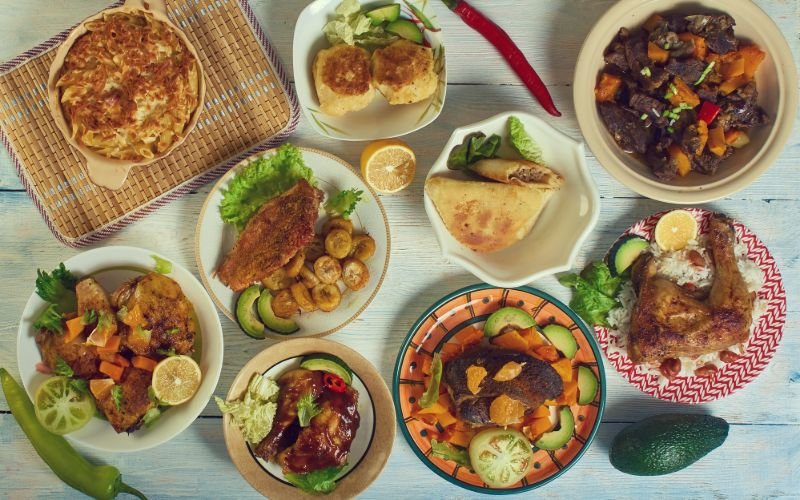
Christmas in Haïti is a holiday rich in flavors, where meals occupy a central place in the celebrations. More than just a moment of culinary sharing, the Christmas feast in Haïti is a true immersion in the culture and traditions of the country. This article explores the must-have dishes and unique flavors that make Christmas a memorable experience for Haitians and their guests.
The publishing house Csimon Publishing, led by Dr. Cherlin Simon, is excited to announce the creation of a subsidiary of Csimon Publishing in Haiti. Indeed, a management team, aimed at strengthening its approach to young Haitian authors, has been set up by the parent company, located in Virginia, United States. The goal of this initiative is to better support its authors, particularly the younger ones, offering them reliable assistance to foster their creativity and help them thrive. The committee is also in place to better coordinate the publishing house’s actions in their favor. This aligns perfectly with Csimon Publishing’s vision to actively contribute to the elevation of Haitian literary culture on a global scale, while highlighting Haitian talents and creating a bridge between Haïti and the rest of the world, which constitutes global culture. It is worth noting that among the more than 150 works already published by Csimon, most are works by Haitian authors living in Haiti.
Haiti, as a Caribbean nation rich in history and culture, has played a crucial role in the promotion and defense of human rights since its independence in 1804. The Universal Declaration of Human Rights (UDHR), adopted by the he United Nations General Assembly in 1948, embodies the fundamental principles of human dignity, equality and freedom for all individuals, regardless of their origin or status.
Haiti, a Caribbean country with a complex history and varied landscapes, is often perceived through clichés that do not reflect the richness and diversity of its culture and people. Too often, we forget to see Haïti in all its grandeur, as a nation with a unique heritage, impressive resilience and untapped potential. In this article, we will break the stereotypes and present you with another side of Haiti, full of beauty, history and hope.
Haiti, pearl of the Caribbean, often overshadowed by stereotypes and negative images. But beyond these clichés lies a nation of stunning natural beauty, rich in natural resources, steeped in vibrant culture and blessed with a fascinating historical heritage. From its idyllic beaches and majestic mountains to its bustling cities and friendly people, Haïti offers a unique and unforgettable experience to those who take the time to discover it.
Port-au-Prince is the vibrant and historic capital of Haiti. Located on the bay of the same name, this city is much more than just an administrative center. It embodies the soul of the country through its history, vibrant culture, and resilience in the face of challenges. Let’s discover why Port-au-Prince is the beating heart of Haiti.

First black nation to free itself from slavery and gain independence from France in 1804 and influenced other liberation movements around the world, inspiring struggles for freedom and equality.

Haïti is blessed with spectacular natural landscapes, including white sand beaches, mountains and rich biodiversity.

Haïti has a rich historical heritage, including sites like the Citadelle Laferrière and the Sans-Souci Palace, listed as UNESCO World Heritage Sites.

Haïti has a rich and diverse culture, influenced by African, European and indigenous elements. Haitian music, dance, art and cuisine are celebrated around the world.