


John Wisky Louirard, the commitment of a generation that still believes in Haiti
Discover the commitment of Haitian youth to a promising future with John Wisky Louirard. A glimmer of hope for Haiti.
Haïti is much more than a Caribbean island. It is a country rich in history, culture, gastronomy, and nature. Behind the challenges it has faced, Haïti shines with its unique heritage and major historical role. Here are seven fascinating facts that show why Haïti is a land of pride.
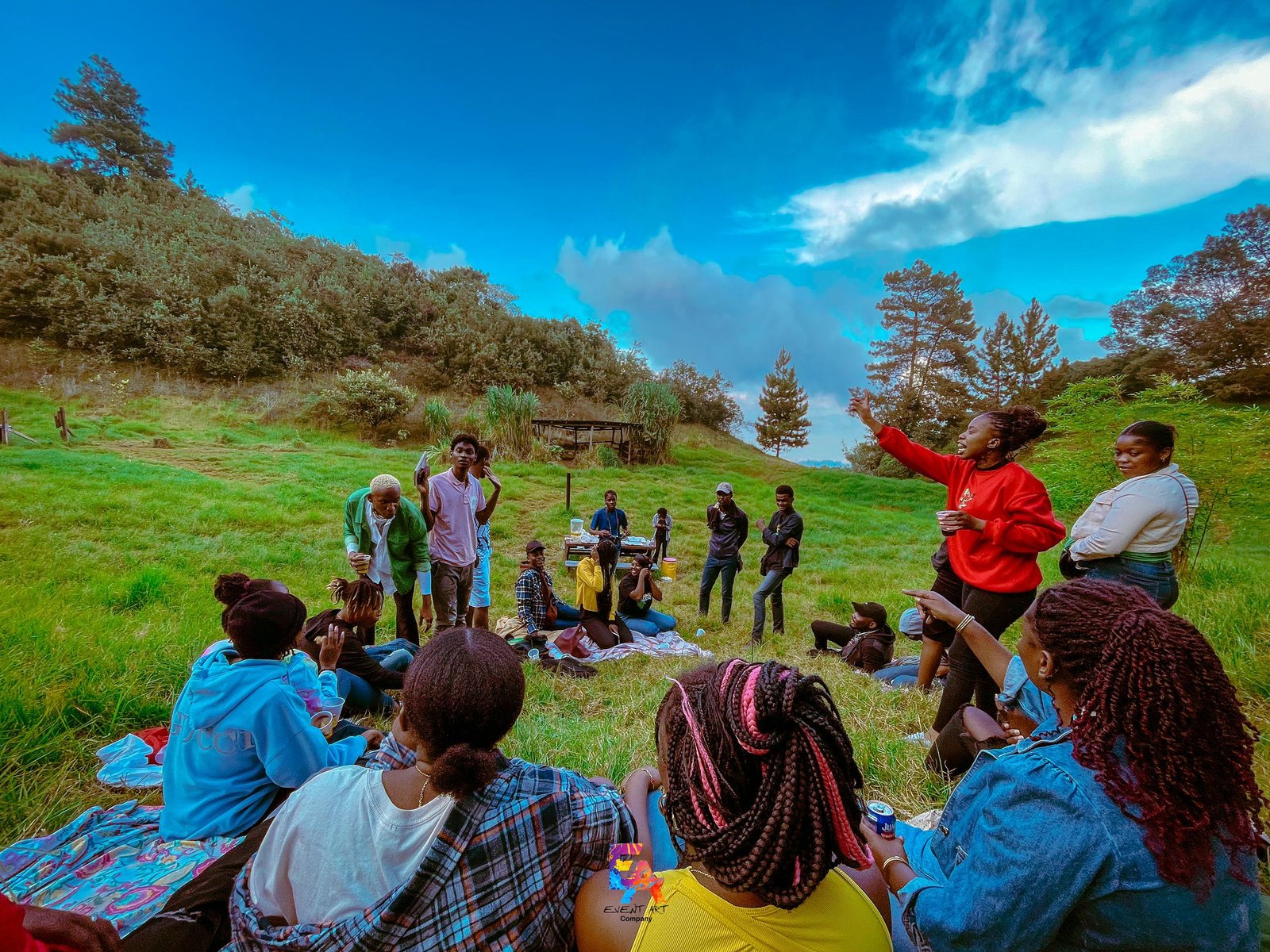
The "Phone-free day" is an initiative taken by a group of young people led by slam poet Jean Wood Jude. The first two editions took place on September 30 and October 29, 2024 in Kenscoff. The next edition is scheduled for November 30, still in the town of Kenscoff, above Pétion-Ville The practice is intended to be innovative, in that it provides an ideal setting for the public (generally young) that facilitates their interconnection, by guaranteeing them a better connection to books, traditional games, and the lush nature of Kenscoff.
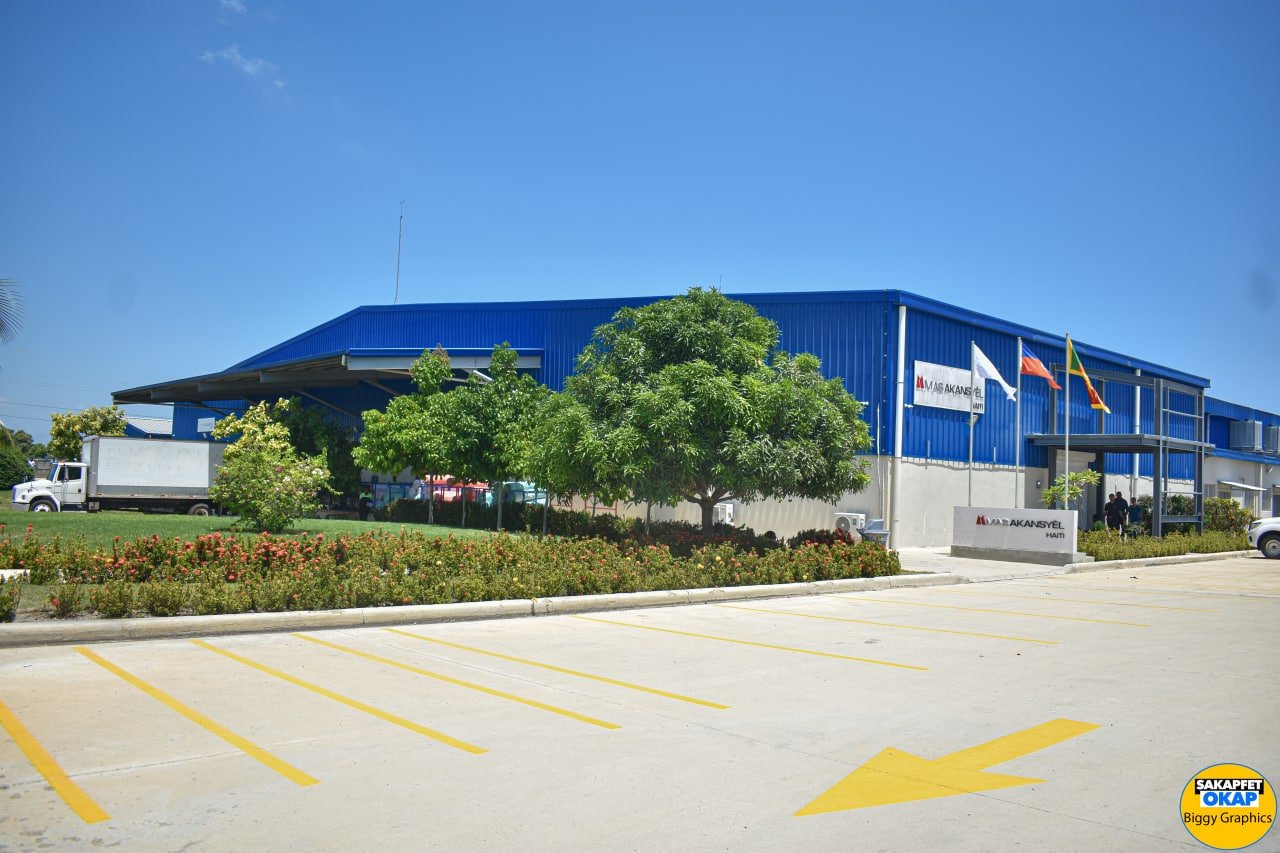
Nestled in the enchanting embrace of Haiti’s North East department lies a true marvel – Caracol. This picturesque area is more than just a destination; it’s a sanctuary where tranquility dances in harmony with the gentle whispers of nature. From the chirping of content birds to the warm smiles of its inhabitants, Caracol is a true wonderland waiting to be explored. One of the most captivating aspects of Caracol is its serene ambiance. Here, peace isn’t just a concept; it’s a way of life. Even the birds seem to sing with an extra ounce of joy, as if they’ve found their own slice of paradise amidst the lush greenery. Stepping into Caracol feels like entering a world where time slows down, allowing you to embrace the simple pleasures of life. But what truly sets Caracol apart is its people – kind-hearted souls who find solace in the simplicity of their daily lives. Engaged in activities like fishing and gardening, they embody a deep connection to the land that sustains them. And amidst it all, the industrious spirit of Caracol shines through, with the industrial parc serving as a beacon of progress and opportunity for the community. Yet, amidst the tranquil rhythm of everyday life, Caracol pulsates with the vibrant energy of Haitian culture. Voodoo, an integral part of local life, weaves its mystical threads into the fabric of daily rituals and traditions. And come July, the entire community comes alive with patronal celebrations that draw Haitian diaspora from every corner of the globe. It’s a time of joyous reunions, where cultural immersion meets spirited competitions, from exhilarating running races to thrilling boat races on the sparkling waters. As the sun sets on another day in Caracol, the excitement doesn’t end – it transforms. Carnival season, known as "mardi gras," casts its spell over the land, igniting the imaginations of children who eagerly don disguises and wield whips to make merry mischief. Laughter fills the air as they chase each other, their gleeful shrieks echoing through the streets, creating memories that will last a lifetime. In Caracol, every moment is a celebration, every day a testament to the resilience and warmth of its people. So, whether you’re seeking a tranquil retreat or a cultural adventure, Caracol invites you to discover its hidden wonders and experience the magic for yourself. After all, in this captivating corner of Haiti, every day is a journey into the heart of paradise.
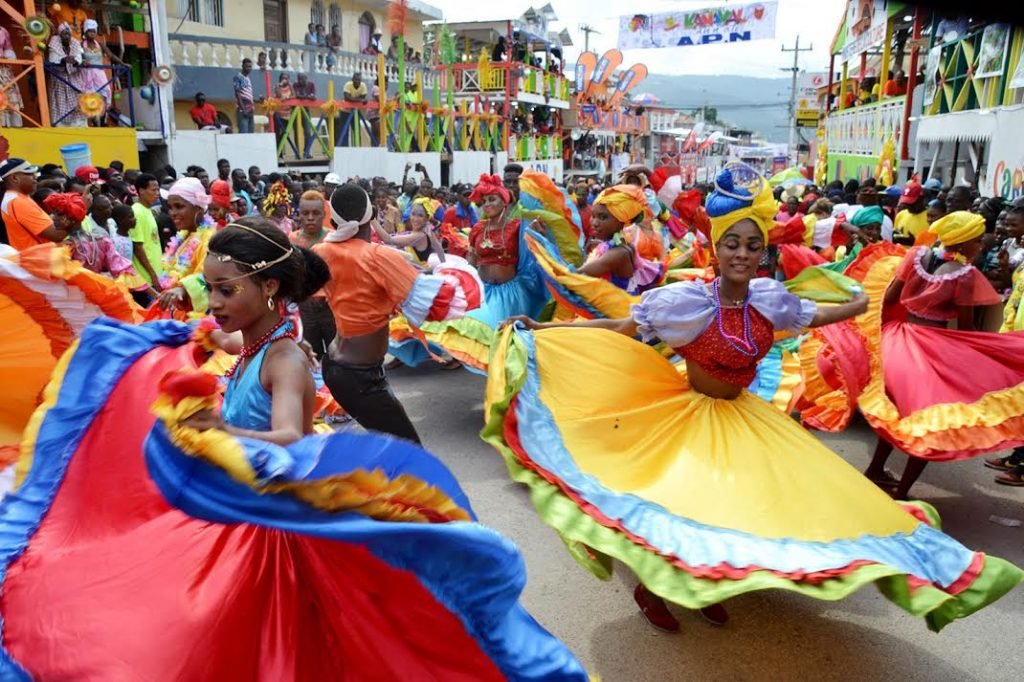
The Haitian carnival, an emblematic and essential celebration of the country’s festive calendar, is much more than a simple party. It embodies the very essence of Haitian culture, joyfully blending ancestral traditions, intoxicating music and a deep sense of community. Each year, this vibrant celebration transforms the streets into a vibrant and colorful spectacle, attracting thousands of participants and spectators eager to take part in this one-of-a-kind celebration. Haitian carnival has deep roots in the country’s history, dating back to colonial times. It has evolved over the centuries, incorporating elements of African, French and Creole culture to create a distinct and captivating celebration. The carnival period in Haïti traditionally begins in January and culminates with extravagant festivities that take place over several days. One of the most striking features of the Haitian carnival is the profusion of colors. Traditional costumes, called "masks", are elaborate and beautifully designed. They feature vivid patterns and vibrant decorations, creating a vivid picture of Haitian cultural identity. Participants, dressed in these elaborate costumes, parade through the streets to the sound of lively music, creating an electric atmosphere. Music is at the heart of the Haitian carnival. The captivating rhythms of compass, rasin, rara and other local musical genres resonate throughout the city, inviting people to dance to the rhythm of the party. Orchestras parade through the streets, accompanying the dancers and creating a unique symbiosis between the music and the graceful movements of the participants. The Haitian carnival parade is not just about the music and costumes; it also celebrates the richness of street arts. Talented artists create giant sculptures, art installations and theatrical performances that tell deep stories of Haitian history and culture. These artistic expressions contribute to the transmission of values and stories that shape the identity of the Haitian people.
Haiti, a nation rich in history and culture, occupies a special position in the Caribbean region. But where exactly is Haïti located in this tropical archipelago? Discover its geographical location and what makes this country stand out among its island neighbors.
Agriculture is at the heart of Haiti’s economy and daily life. Despite challenges related to infrastructure and climate conditions, this sector remains vital for the majority of the population. Let’s discover how Haitian agriculture shapes the country, its economy, and its traditions.
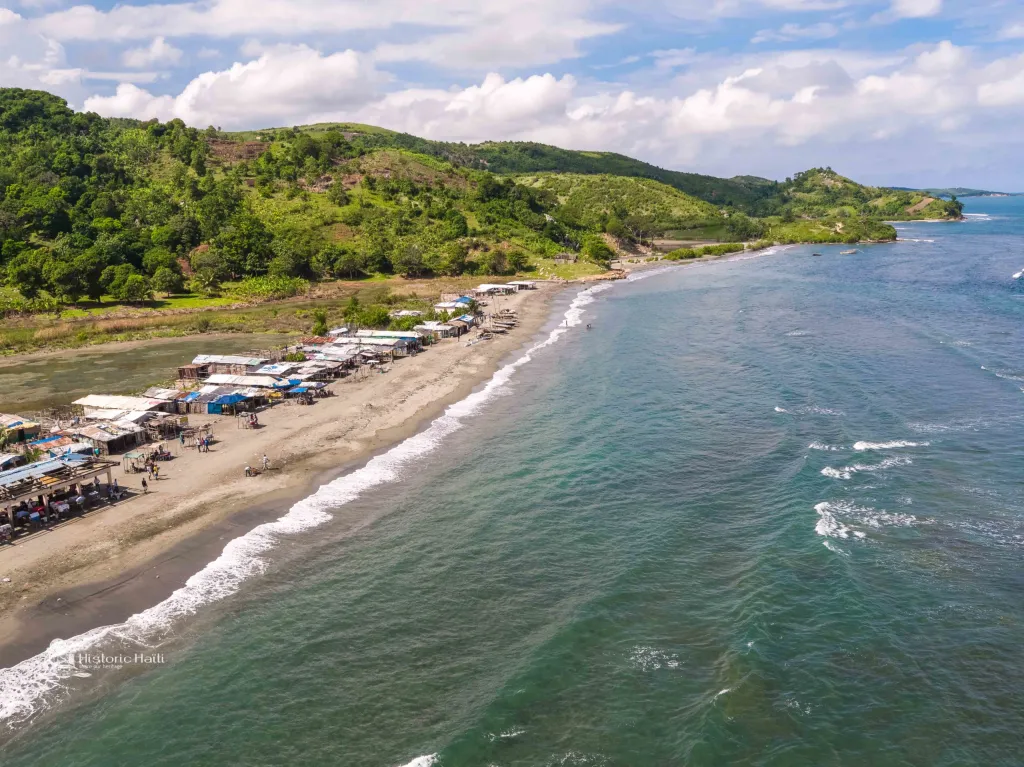
At the entrance to Haiti’s beautiful Baie de l’Acul du Nord lies an oasis of tranquility and natural beauty: Camp Louise, more affectionately known as Saint Michel Beach. With its black sand and rushing swells, this beach offers a spellbinding experience that captures the wild spirit of nature. As soon as you set foot on this enchanting shore, you are enveloped by an atmosphere of mystery and serenity. The "ajoupas" dotted along the beach are home to modest restaurants serving local delicacies, from fresh grilled fish to succulent conch. With every bite, you taste the exquisite fusion of authentic flavors that celebrate Haiti’s culinary richness. On your right, majestically sits the "M&M" restaurant, ready to delight your taste buds with its irresistible specialties, available to serve you at the end of the week, to crown your beach days with an exquisite gastronomic note. Despite its proximity to the bustling town of Cap-Haïtien, located just 26 kilometers away, Camp Louise seems like a world apart. Accessible both by road and by sea, by jet ski from the neighboring beaches of Gaderas and Labadie, this beach offers a welcome escape from the hustle and bustle of everyday life. Whether you are looking for adventure, relaxation or simply connection with nature, Camp Louise will meet all your desires. Its turquoise waters invite you to swim, its sandy beaches invite you to relax, and its warm atmosphere inspires wonder. For travelers seeking authentic experiences and breathtaking scenery, Camp Louise proves to be a hidden treasure worth discovering and celebrating. So, let yourself be carried away by the captivating magic of this rare pearl in the heart of the Bay of Acul du Nord, and let your worries float away with the waves that gently caress its shores.
The Haïti Monde Festival is a major cultural event dedicated to promoting Haitian thought, memory, and creativity in the heart of Paris. Led for several years by Haitian intellectual Chadrac Charles and his team, it aims to be a space for expression, transmission, and reflection. In 2025, this fourth edition is organized around a theme that is more relevant than ever: “Repairing the World,” and will take place from June 25 to July 11 in the French capital. Gaël Octavia, winner of the 2025 Goncourt Prize for the short story, will be the guest of honor. Alongside her, other friends of the Haitian cause and powerful voices from the Haitian literary scene will be gathered. Among them: geographer Jean-Marie Théodat, Louis-Philippe Dalembert, Rocé, Mélissa Laveaux, Marie-Yemta Moussanang, Makenzy Orcel, Françoise Vergès, Lyonel Trouillot, Nicolas Idier, Nathania Périclès, Vladimir Delva, Sandra Dessalines, Claude Saturne, Kébert Bastien, Jude Joseph... and many others. A tribute will also be paid to Frankétienne and Anthony Phelps, two giants of Haitian literature who passed away this year.
Haiti, the world’s first independent black republic, is a universal symbol of freedom and resistance. But who founded Haïti and how was this nation born? This journey through history leads us to explore the role of heroic figures, significant events, and the context that gave birth to this unique nation.
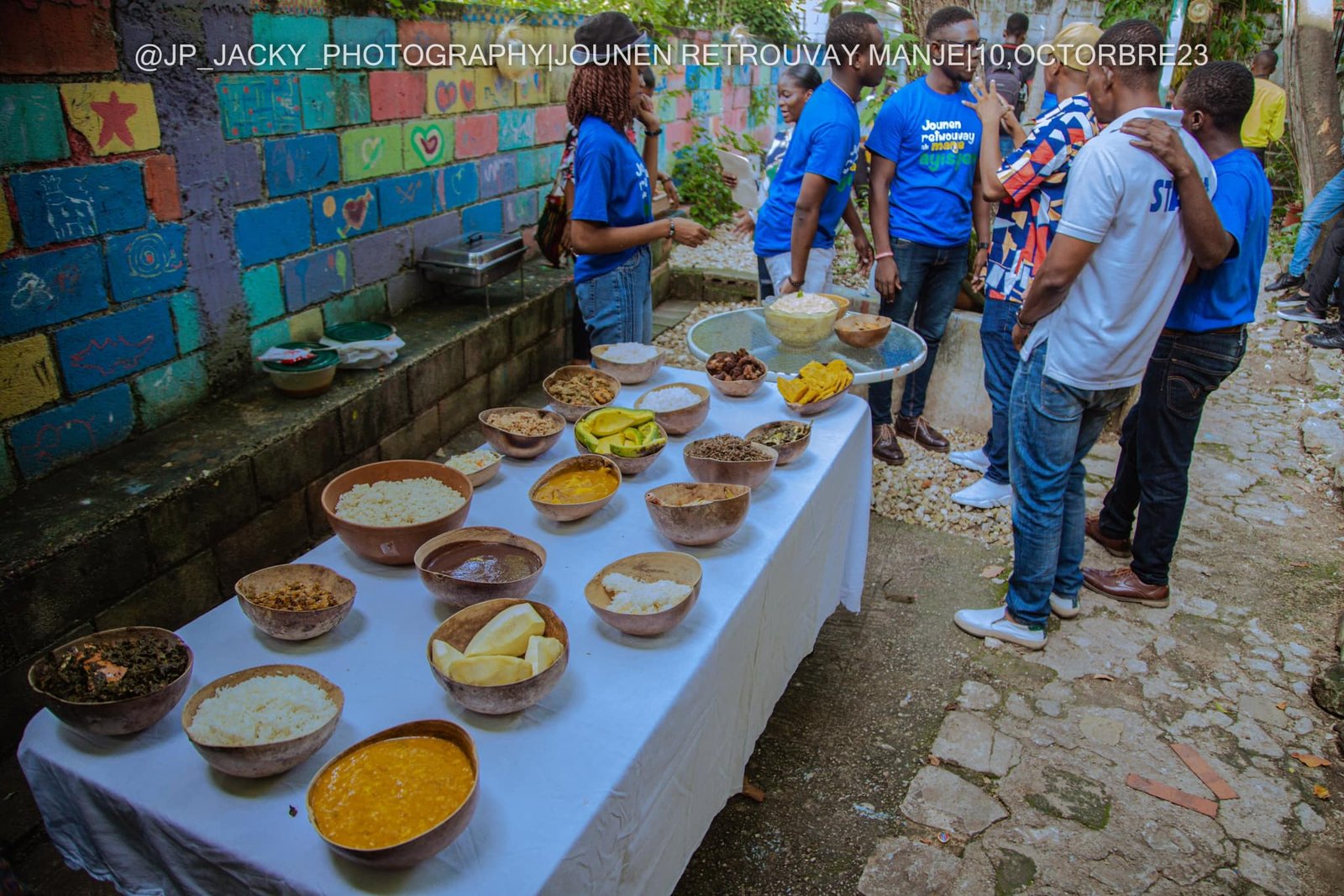
On October 19, 2023, the Haitian community came together to celebrate Andy Vibert’s birthday in an extraordinary way, by organizing a special event titled "JOUNEN RETWOUVAY AK MANJE AYISYEN." This exceptional day was an opportunity to highlight the richness of Haitian cuisine by offering a delicious variety of traditional dishes, such as joumou soup, chiktay, weighed bananas, tonmtonm, tchaka, lalo, white rice, pea and vegetable puree, bòy ak sòs pwa, and of course, the famous griots. Beyond the simple celebration of an anniversary, this evening had a deeper objective, namely to encourage fellow Haitians to favor local consumption. Andy Vibert, by highlighting these traditional dishes, wanted to make guests aware of the importance of supporting national production.
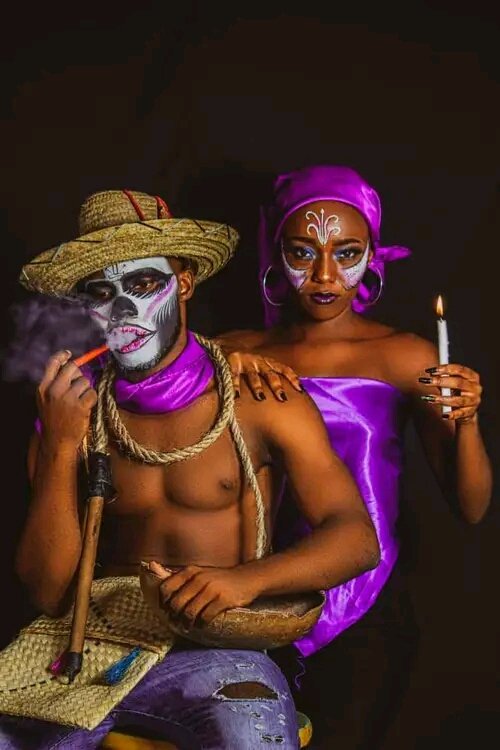
The Guédés Festival is a significant event in the Haitian Vodou religion. It takes place every November 1st and 2nd in Haiti, and it is dedicated to paying homage to the dead. Here are some elements to better understand this celebration: Meaning of Guedes: Guédés are spirits of death in the voodoo pantheon. They symbolize the transition between life and the afterlife. Different names are attributed to these spirits: Papa Guédé, Guédé Nibo, Guédé Masaka, Guédé fouillé, Guédé plumage. In the Voodoo concept, the Guédés maintain a harmonious relationship with the dead. Ritual of the Feast of the Gedes: Vodouists clean the graves and bring flowers to honor the memory of the deceased. They dance and sing to the rhythm of vodou and rara music. Vèvè (sacred symbols) are drawn to invoke the spirits. The color black, symbol of mourning, marks the beginning of life in the voodoo world. Purple mauve evokes transformation, and white symbolizes purity. Relationship with Protestants and Christians: Some Protestants reject the Feast of Geeds and organize days of prayer to chase away “evil spirits”. Christians do not pray for their dead, because their faith teaches them that the deceased are welcomed by the Lord. In short, the Guédés festival is a crucial moment for Vodouists, marking the temporary return of spirits to the world of Vodou. It shows respect for the dead and is an integral part of Haitian culture.

First black nation to free itself from slavery and gain independence from France in 1804 and influenced other liberation movements around the world, inspiring struggles for freedom and equality.

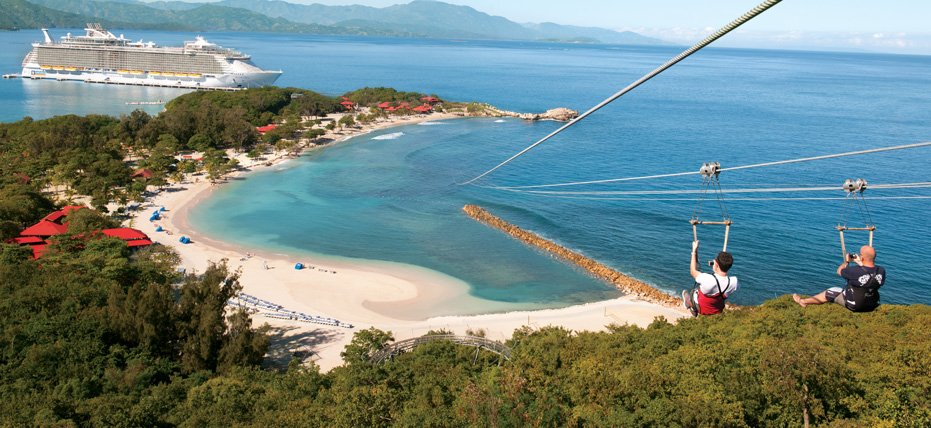
Haïti is blessed with spectacular natural landscapes, including white sand beaches, mountains and rich biodiversity.

Haïti has a rich historical heritage, including sites like the Citadelle Laferrière and the Sans-Souci Palace, listed as UNESCO World Heritage Sites.

Haïti has a rich and diverse culture, influenced by African, European and indigenous elements. Haitian music, dance, art and cuisine are celebrated around the world.