contact@haitiwonderland.com+509 36184317

Discover

Shopping Cart

Haïti : Citadelle la FerrièreHaïti : Citadelle la Ferrière
Heritage March 18, 2024

Haiti: Discovering Lake Péligre

At the heart of the majestic Haitian topography, lies a natural gem of breathtaking beauty: Lake Péligre. Nestled in the mountains of Haiti’s central region, this artificial lake is a wonder for local residents and amazed visitors alike. From its historical creation to its contemporary ecological importance, let’s explore together the riches of Lake Péligre. Origin and History: Lac de Péligre is the result of an ambitious engineering project undertaken in the 1950s. At that time, the Haitian government, in collaboration with international partners, undertook the construction of the Péligre Dam on the Artibonite River. The main goal was to provide large-scale electricity to Haïti while regulating river flooding to protect agricultural land downstream. Ecology and Biodiversity: Beyond its usefulness as a source of hydraulic energy, Lake Péligre is home to rich ecological diversity. The calm waters of the lake provide vital habitat for a variety of native fish species, supporting local fishing communities. In addition, the surrounding forests and hills that border the lake are home to diverse flora and fauna, contributing to the preservation of the regional ecosystem. Tourism and Leisure: For outdoor enthusiasts and nature enthusiasts, Lake Péligre offers a multitude of leisure opportunities. Visitors can enjoy peaceful boat rides on the tranquil waters of the lake, offering panoramic views of the surrounding mountains. Additionally, hiking trails winding through lush forests allow hikers to explore the area’s natural beauty. Lake Péligre represents much more than a simple artificial body of water. It is a living testament to human ingenuity and the natural beauty of Haiti. As an emerging tourism destination, it offers visitors an immersive experience in nature, while highlighting the crucial importance of environmental conservation. By preserving this natural treasure, we also preserve the sustainable future of our planet.


Par Haïti Wonderland |
Learn more
History November 21, 2023

Haiti: The History of the World’s First Free Black Nation

Haiti, the pearl of the Antilles, is a Caribbean island with a rich and complex history. However, its special status as the world’s first free black nation gives it a unique place in the annals of history. This small island was the scene of an extraordinary revolution which resulted in independence, thus marking the beginning of a new era for the black community and the abolition of slavery. Let’s delve into the captivating story of the birth of the first black republic, Haiti. b~The colonial era and slavery~b Haiti’s history dates back to the arrival of Europeans in the 15th century, when Christopher Columbus discovered the island. European settlers, mainly Spanish and French, introduced slavery to exploit the island’s resources, including sugar, coffee and cotton. The indigenous Native American population was decimated, paving the way for the massive importation of African slaves. b~The Haitian Revolution~b On August 14, 1791, Haitian slaves rose up against their oppressors, sparking the Haitian Revolution. Under the leadership of iconic figures such as Toussaint Louverture, Jean-Jacques Dessalines and Henri Christophe, the insurgent slaves inflicted defeats on European armies, demonstrating fierce resistance and a desperate quest for freedom. b~The Declaration of Independence and the creation of the Republic of Haiti~b On January 1, 1804, Haïti proclaimed its independence, becoming the world’s first free black nation. This historic declaration symbolized the end of slavery and the triumph of the will of a people determined to live free. The Republic of Haïti was born in struggle and blood, asserting its autonomy in the face of the colonial powers. b~Post-independence challenges~b However, independence did not mean the end of challenges for Haiti. The country had to face external pressure, reparations imposed by France in exchange for recognition of its independence, as well as internal unrest. Despite these obstacles, Haïti strove to build a free and sovereign nation. The story of Haïti is that of a nation that overcame countless challenges to emerge as a pioneer of freedom for the black population. The Haitian Revolution remains a unique example of resistance, courage and determination, and Haïti continues to carry the torch of independence in the contemporary world. The legacy of this small Caribbean island still resonates today, reminding the world that freedom is a universal right that can be won even in the most difficult circumstances.

Par Appolon Guy Alain |
Learn more

Recently Posted

Discover the Hidden Gem of Caracol: A Peaceful Haven in Haiti

Nestled in the enchanting embrace of Haiti’s North East department lies a true marvel – Caracol. This picturesque area is more than just a destination; it’s a sanctuary where tranquility dances in harmony with the gentle whispers of nature. From the chirping of content birds to the warm smiles of its inhabitants, Caracol is a true wonderland waiting to be explored. One of the most captivating aspects of Caracol is its serene ambiance. Here, peace isn’t just a concept; it’s a way of life. Even the birds seem to sing with an extra ounce of joy, as if they’ve found their own slice of paradise amidst the lush greenery. Stepping into Caracol feels like entering a world where time slows down, allowing you to embrace the simple pleasures of life. But what truly sets Caracol apart is its people – kind-hearted souls who find solace in the simplicity of their daily lives. Engaged in activities like fishing and gardening, they embody a deep connection to the land that sustains them. And amidst it all, the industrious spirit of Caracol shines through, with the industrial parc serving as a beacon of progress and opportunity for the community. Yet, amidst the tranquil rhythm of everyday life, Caracol pulsates with the vibrant energy of Haitian culture. Voodoo, an integral part of local life, weaves its mystical threads into the fabric of daily rituals and traditions. And come July, the entire community comes alive with patronal celebrations that draw Haitian diaspora from every corner of the globe. It’s a time of joyous reunions, where cultural immersion meets spirited competitions, from exhilarating running races to thrilling boat races on the sparkling waters. As the sun sets on another day in Caracol, the excitement doesn’t end – it transforms. Carnival season, known as "mardi gras," casts its spell over the land, igniting the imaginations of children who eagerly don disguises and wield whips to make merry mischief. Laughter fills the air as they chase each other, their gleeful shrieks echoing through the streets, creating memories that will last a lifetime. In Caracol, every moment is a celebration, every day a testament to the resilience and warmth of its people. So, whether you’re seeking a tranquil retreat or a cultural adventure, Caracol invites you to discover its hidden wonders and experience the magic for yourself. After all, in this captivating corner of Haiti, every day is a journey into the heart of paradise.

Jean-Jacques Dessalines, leader of the Haitian Revolution

In the annals of the history of Haiti, an island located in the Caribbean at the entrance to the Gulf of Mexico and shared with the Dominican Republic, Jean-Jacques Dessalines emerges like a phoenix from the ashes of oppression. Born a slave on September 20, 1758 in the home of Henri Duclos, in Cormier (Grande-Rivière-du-Nord), in the French colony of Saint-Domingue, Dessalines was a Creole of African (Afro-Caribbean) origin. Freed during the 1794 abolition achieved through slave revolts, actually served as an officer in the French army during the French Revolution. At that time, the ideas of freedom and equality were at the heart of the concerns of the inhabitants of the colonies. Dessalines actively participated in the fighting against the Spanish and British forces, alongside the French, in Santo Domingo. Having risen to the rank of Lieutenant General, Jean-Jacques Dessalines turned against the French during the Leclerc expedition, sent to Saint-Domingue by Bonaparte to reestablish colonial authority and slavery during the Haitian Revolution. After the capture and deportation of Toussaint Louverture to France on June 7, 1802, Dessalines assumed a leading role in continuing the struggle for independence. He led numerous battles, including the battle of Crête-à-Pierrot in March 1802, where he galvanized his soldiers with his famous declaration: “Let those who want to remain slaves of the French leave the fort, let those, on the contrary, who want to die as free men, line up around me.” On January 1, 1804, Jean-Jacques Dessalines achieved the long-awaited goal of independence by proclaiming Haïti as a sovereign nation, becoming the second country in the Americas to gain independence from a colonial power. He became the first leader of the newly formed nation and was named Emperor under the name James I. However, his imperial reign was marked by authoritarian and brutal policies, including the massacre of many white settlers and the redistribution of land to peasants that was in the hands of the generals of the independence army. In addition, he organized the hunt for delinquents in the city while implementing rigorous agrarian policies, considering that they represented a threat to the stability of the nation, these controversial actions caused divisions within Haitian society. Dessalines was assassinated on October 17, 1806 following a plot organized by some of his generals in the Haitian army. His death marked the end of his brief but influential period in power. Despite the controversies surrounding his methods, he is recognized as the main architect of Haiti’s independence and his name was honored in 1903 by being attributed to the Haitian national anthem, La Dessalinienne, composed by Justin Lhérisson.Finally, the great visionary man Jean Jacques Dessalines remains an emblematic figure in the history of Haiti, recognized for his role in the fight for independence and the end of slavery in the region.

Haiti: The Center department, one of the departments most resistant to natural earthquakes

The Center department, commonly called Plateau Central, is one of the ten (10) departments of Haïti most robust in the face of certain natural phenomena. Before becoming one of the ten (10) departments of Haiti, the Center department was part of the Great North. It is renowned for its natural landscapes, its biosphere climate and its resistance to certain natural phenomena. In addition to its natural productions such as corn, millet and livestock, the Center department is also known for its high mountains which constitute a robust defense against certain natural phenomena such as earthquakes and floods. Composed mainly of high mountains, the department of Charlemagne Peralte and Benoît Batravil is the only one of the ten (10) not to have an outlet to the sea. However, its inhabitants take advantage of the vast rivers, rivers and lakes which cross it . With an area of ​​3,487 km², the population of the Center department is estimated at 678,626 according to a study carried out in 2009. On this same area, the department is divided into four (4) districts and twelve (12) communes. Bordered to the east by the Dominican Republic, the Center department connects other departments of the country such as Nord and Artibonite, and connects the two countries of the island through border areas like Balladère, Hinche and Cerca Carvajal. In the Center department, there are sites that could attract tourists for their natural beauty. In Saut d’Eau, there is the Saut d’Eau waterfall, in Hinche we find the Zim basin, the Péligre lake, the Péligre hydroelectric dam, the Artibonite river, and the Deux river (2 ) Rooms in Thomonde, more precisely in "El Manni", not far from the communal section of Caille-Epin. Thanks to its strong mountains and its natural climate, the Center department remains one of the most resistant departments in the event of an earthquake in Haiti.

Haiti: Is buying votes to be elected a form of corruption or political strategy?

The democratic political system requires the active participation of citizens in the management of the city. Everyone freely expresses their opinion for harmonious management of society. Generally the choices are made from the organization of free and honest elections. However, sometimes candidates use diverted means to achieve their ends. Can we consider this act as a form of corruption or a political strategy? In a democratic society, the organization of elections at regular intervals is an imperative. Managers are generally elected by the majority of voters, which ensures them a certain legitimacy within the framework of government management. Today, more and more, around the world, the elections are controlled by economic power. This sector gives a lot of silver to candidates who often buy the media services in order to have certain visibility through mass communication means (radio, VAT, Internet, etc.) and do without constraints Many very expensive trips, which require enormous capital. By the way, the possibility that a candidate with low financial means of being elected is increasingly reduced in Western societies. Despite everything, it is illegal to buy the votes of the voters. It is an act of corruption that should lead to criminal sanctions. No society can tolerate this practice which could hamper the degeneration of the democratic system and, consequently, of the electorate system. Civil society and human rights organizations must be vigilant in order to avoid these harmful drifts in the democratic system. In fact, the temptation to bribe the voters in order to access elective positions must be denounced as an act of corruption. In doing so, will lead to political dissenting between duty, and law, because citizens are called upon to freely choose the leaders of the city. Ultimately, the organization of the elections must be the fruit of consensus between the various groups of the social system. Managers must be chosen according to their ability to provide adequate answers to the problems of the company. They can still benefit from powerful financial means from other partners. But, giving voters directly money is a condemnable detective act which reduces the autonomy of action and thinking of voters. In this sense, the latter’s vote must reflect the desire to choose or build a fair, fair and favorable company.

Recently Posted

History

History

First black nation to free itself from slavery and gain independence from France in 1804 and influenced other liberation movements around the world, inspiring struggles for freedom and equality.

Natural beauty

Natural beauty

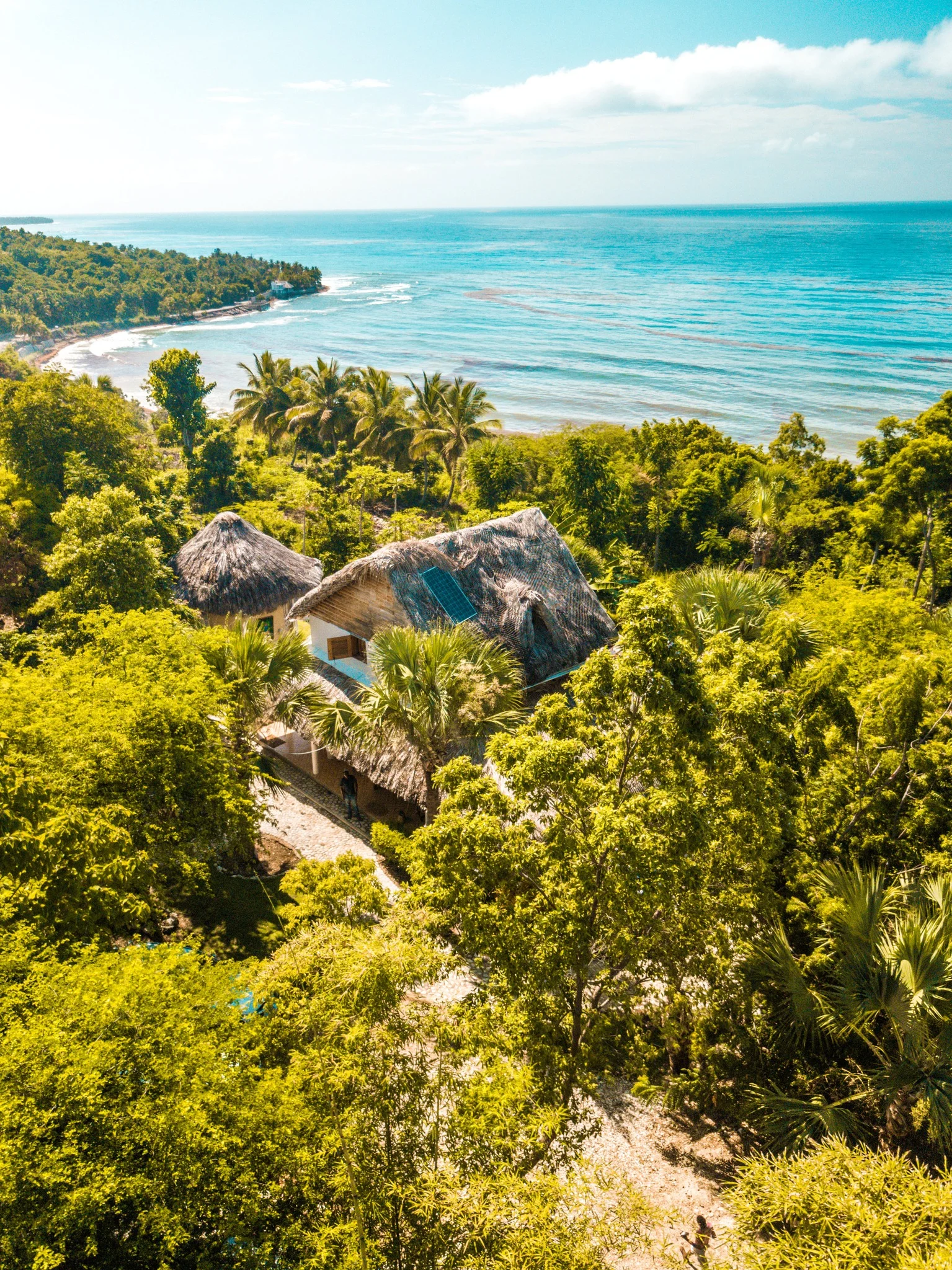
Haïti is blessed with spectacular natural landscapes, including white sand beaches, mountains and rich biodiversity.

Heritage

Heritage

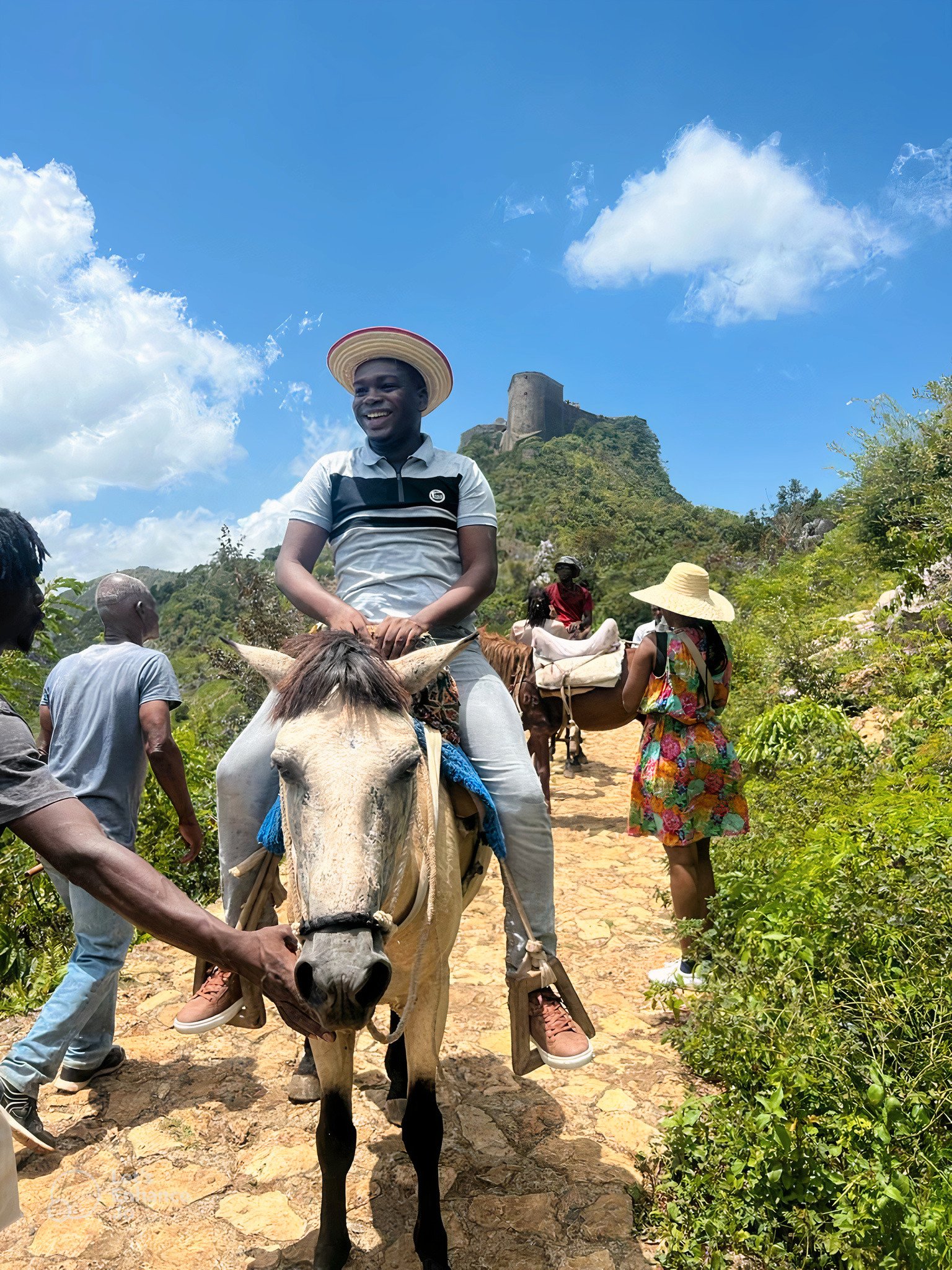
Haïti has a rich historical heritage, including sites like the Citadelle Laferrière and the Sans-Souci Palace, listed as UNESCO World Heritage Sites.

Culture

Culture

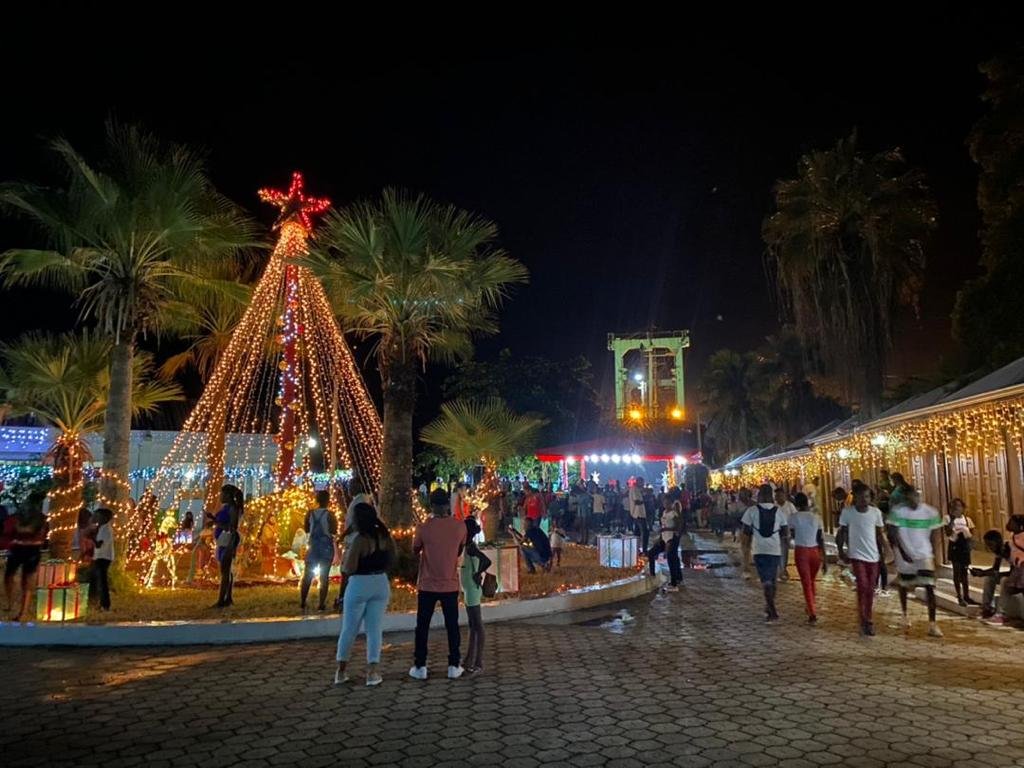
Haïti has a rich and diverse culture, influenced by African, European and indigenous elements. Haitian music, dance, art and cuisine are celebrated around the world.

  • +
    • Post