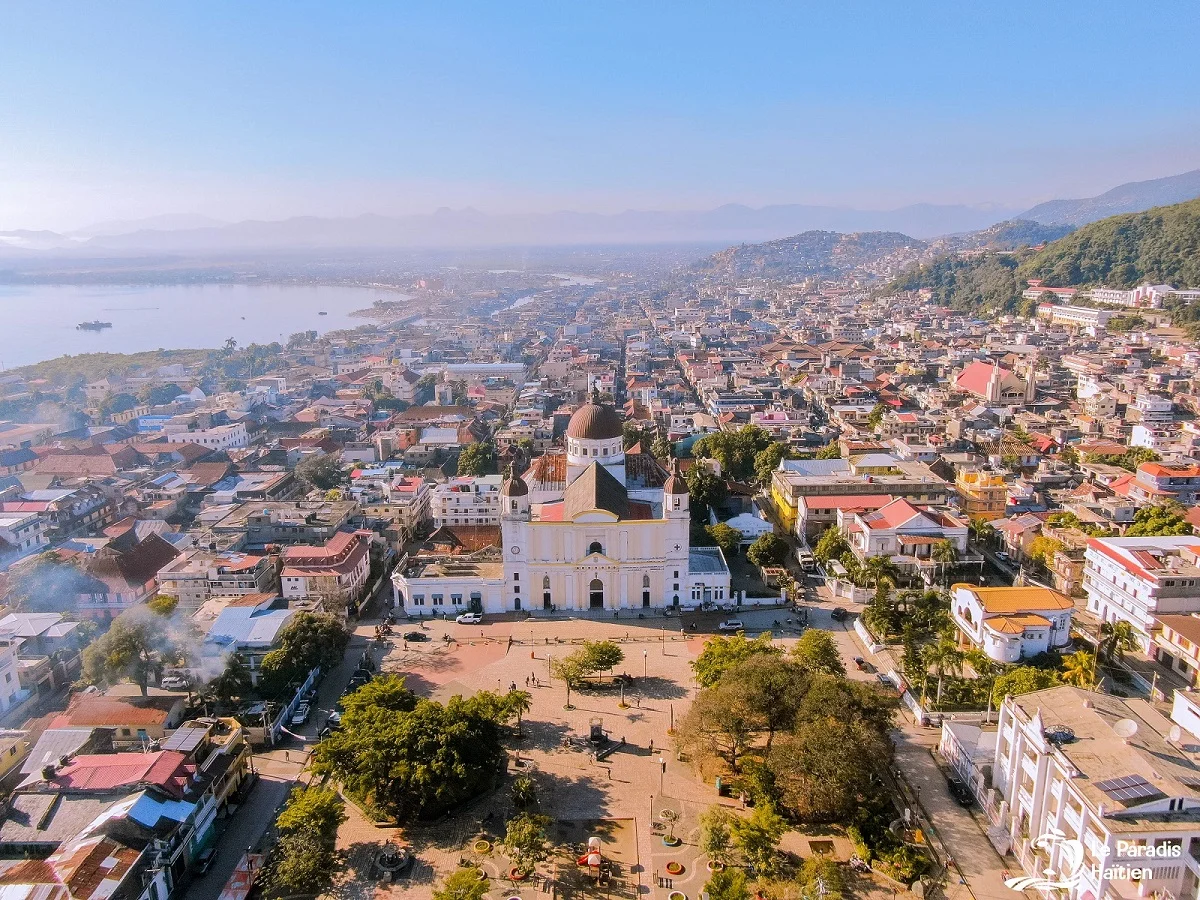
Cap-Haïtien, is a coastal city in the northern department of Haiti, formerly known under the names of Cap-Français or Cap-Henri. Dominated by the Morne Jean mountain, this destination offers an immersion in the French colonial past and the Haitian revolution. Nestled by picturesque bays and bordered by the Haut-du-Cap river, Cap-Haitien appeals to travelers looking for authenticity and seaside adventure. The city, rich in history and culture, has seen the birth of renowned artists like Philomé Obin and hosts a vibrant music scene with the groups Septentrional and Tropicana from Haiti. Its hidden treasures, including the Citadelle La Ferrière and the historic site of Vertières, as well as its magnificent natural landscapes, make Cap-Haitien an unmissable destination in the Caribbean. Paradise beaches in Labadie and cobbled streets evoking a rich past invite visitors to fully immerse themselves in Haitian history and culture.
Cap-Haïtien, formerly Cap-Français or Cap-Henri, is the second city of Haiti, capital of the Nord department and the district of Cap-Haïtien. Located on the northern coast of the Republic of Haïti , was considered in the 19th century as the safest port. Dominated by the Morne Jean mountain, culminating at 718 meters above sea level, the town is located at the mouth of the Haut-du-Cap river, on the west coast. of the bay of Cap-Haïtien. To the west of the town lies the Acul Bay.
To the east of Cap-Haïtien, formerly named Guarico by the Amerindians, Christopher Columbus had a fort named La Navidad built in 1492 from the debris of the Santa María which had been shipwrecked. He left 39 men there who were all killed by the natives before his return, tired of the abuses committed by the settlers.
In 1695, the city was attacked and pillaged by the English in retaliation for an expedition to Jamaica led by Jean-Baptiste du Casse. Thus, during the French colonial period, Cap-Français became the capital of Saint-Domingue, the richest French colonies, until the Haitian Revolution. During the period of the Haitian Revolution from 1791 to 1804, Cap-Haïtien was the scene of violent clashes. In 1793, the city was burned during a conflict between revolutionaries and counter-revolutionaries. Later, in 1802, during the Saint-Domingue expedition, General Henri Christophe, faced with French military superiority, started a fire which ravaged the city entirely. After the Battle of Sibert where the country was divided into two states , it was the capital of the State of Hayti led by King Henri 1st. In the decades later this city was designated, by President Louis Pierrot, capital of the country on November 1, 1845, losing its place a few years later in profit from Port-au-Prince.
Cap-Haïtien is a culturally renowned city, having seen the birth of illustrious writers and painters such as Philomé Obin, one of the most important artists in the history of Haiti. It has a musical scene which is animated by the rivalry between two Jazz groups namely from Septentrional and Tropicana from Haiti, each with tens of thousands of fans nicknamed Djokannèl. Although cinema is not predominant in Cap-Haitien, the city has produced high-quality and remarkable works such as "Le Cap à la Une", "Journée de couleur" and "10 reasons to cheat on your husband". Despite economic challenges, the local arts scene is vibrant, with contemporary works and traditional music festivals often held during country festivals. For decades, young members of different cultural associations have emerged with enthusiasm to promote culture, education and theater, thus contributing to the cultural and artistic excitement that defines Cap-Haitien. These associations support through the Capoise community, proud of its heritage and actively engaged in preserving their tradition and craftsmanship.
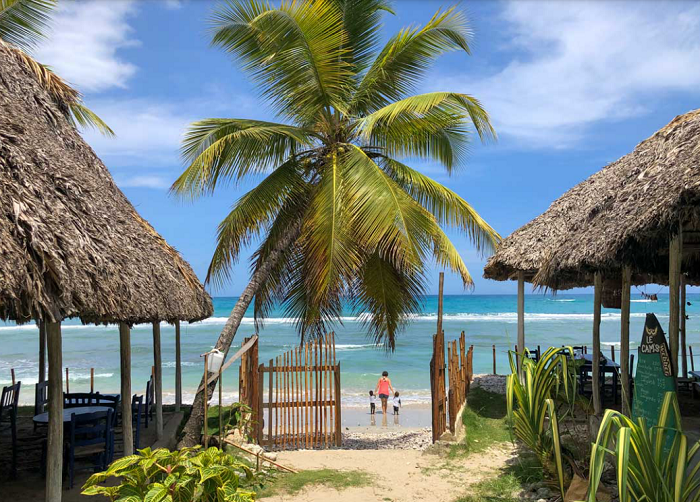
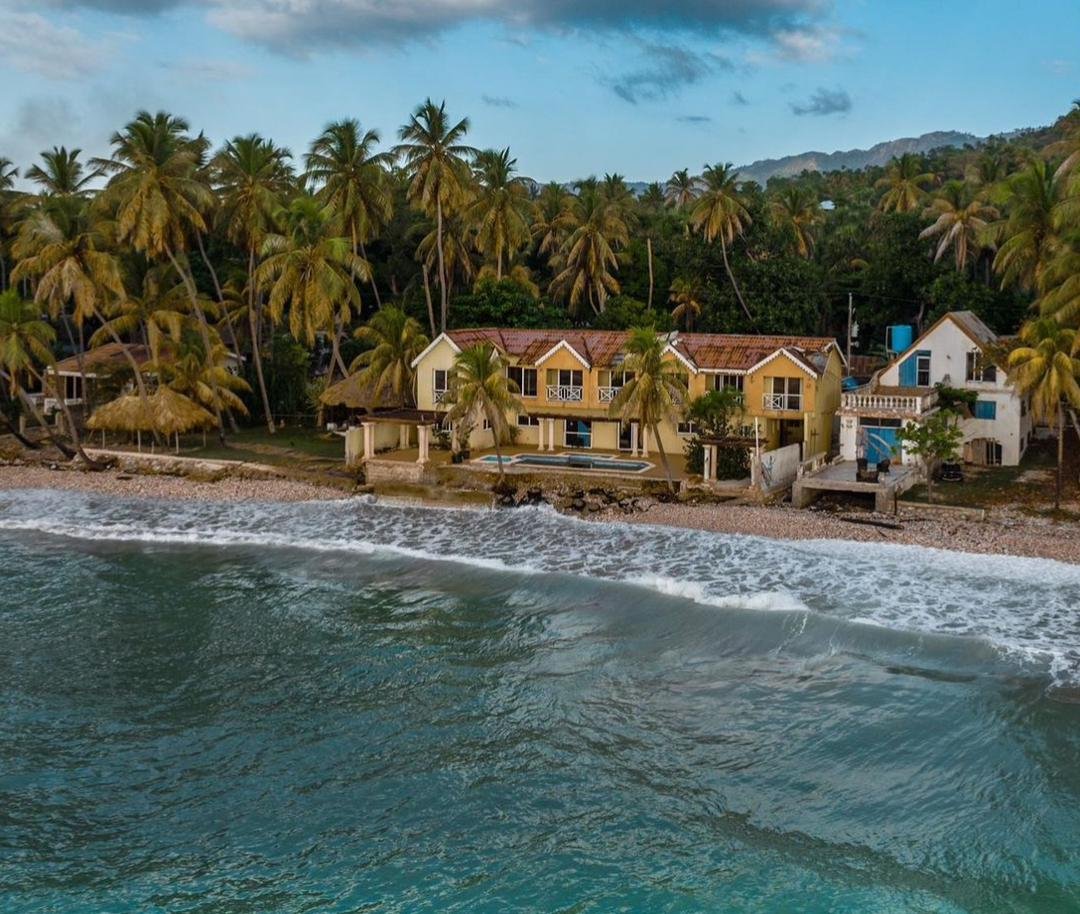
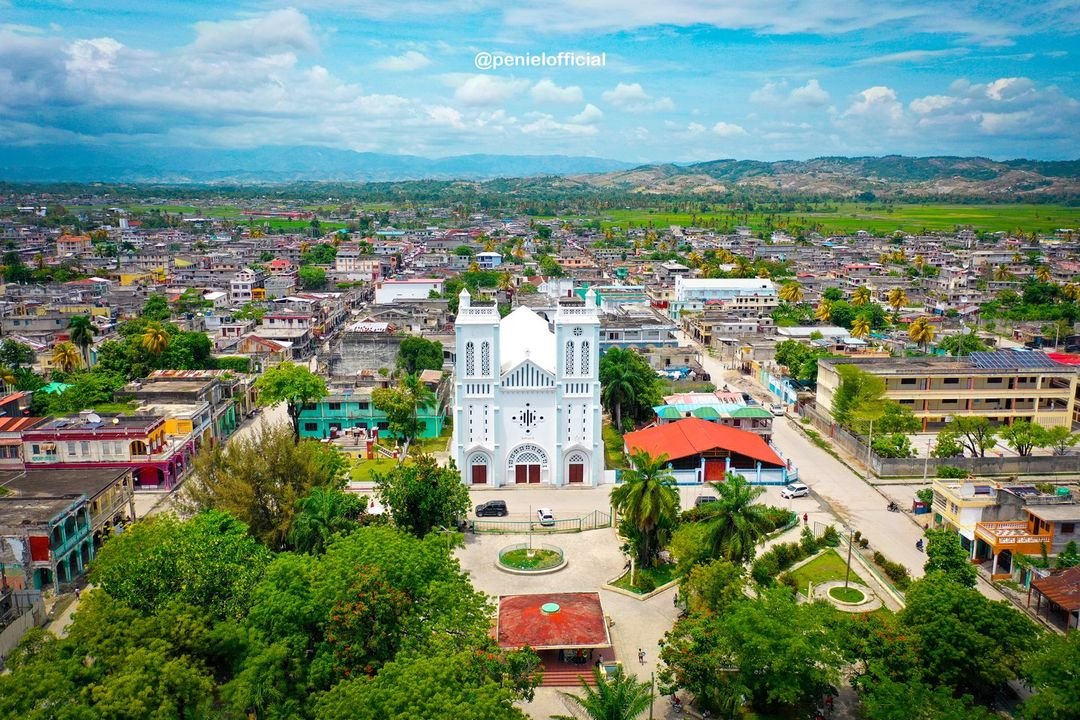
The natural landscapes of Cap-Haitien, with their picturesque bays and pristine beaches, make it a major tourist destination, attracting both affluent Haitian vacationers and international visitors seeking authenticity and seaside adventure. Additionally, the city’s relative political stability makes it an attractive refuge for those fleeing the unrest in the south of the island. At the heart of this city is an impressive testimony to the French colonial era with its well-preserved architecture. The cobbled streets and buildings with colorful facades evoke a rich and complex past, offering visitors a total immersion in Haiti’s history.
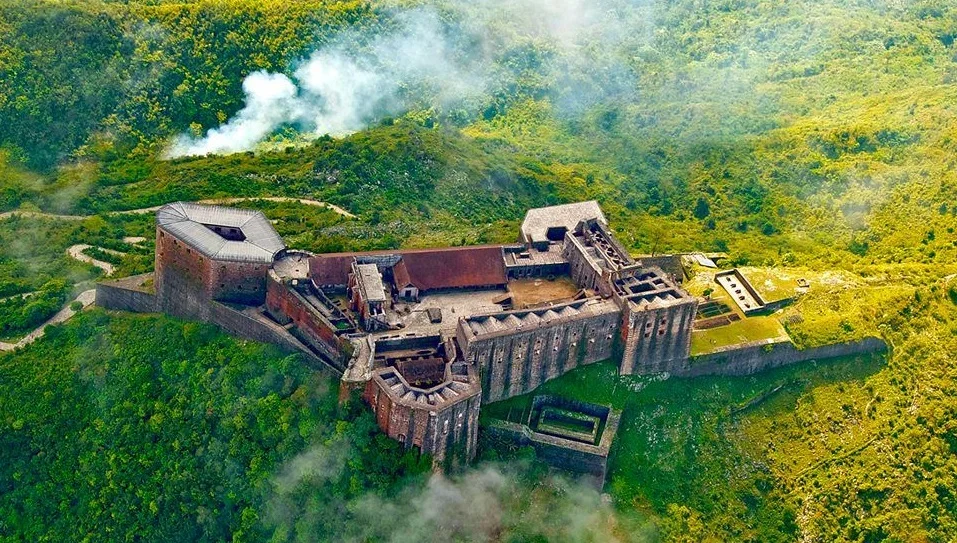
A few kilometers from the city is Labadie, a seaside resort where visitors can relax on heavenly beaches and discover the local craft market. Not far from there, the Palais Sans Soucis, Ramiers and the Citadelle La Ferrière, listed as a UNESCO world heritage site since 1982. The historic site of Vertières, near Cap-Haïtien, recalls the courage and determination of the Haitian people during the decisive battle that led to the country’s independence in 1803. With its unique blend of natural beauty, remarkable architecture and fascinating history, Cap-Haïtien continues to amaze and captivate world travelers entire, offering an incomparable cultural and tourist experience.
I love Cap lived there for years and would return in a minute if there were stability and
less dangerous for foreigners.
September 11, 2024 - 01:27:39 PM
Brunel Clerveaux
With all these nice things being said about Cap-Haitien, one would imagine to see a completely different spectacle when you visit this historical city. However, I was in Cap-Haitien recently what I saw is beyond my imagination in the negative way. One wonders if there are any authorities in charge in that city. How come they don't see what I saw? How come they don't do anything about it? How come the population accept to live in those conditions? These were the questions that came to my mind. All you see everywhere sooner you leave the airport are piles of trashes everywhere, traffic congestions beyond imagination, dust filling the air everywhere, holes in all the streets, stagnant waters in most of the streets just to name a few. Cap-Haitien is a complete disaster. I suggest this city should be closed for a few days for cleanup. I truly believe Haitians can do better than that.
First black nation to free itself from slavery and gain independence from France in 1804 and influenced other liberation movements around the world, inspiring struggles for freedom and equality.
Natural beauty
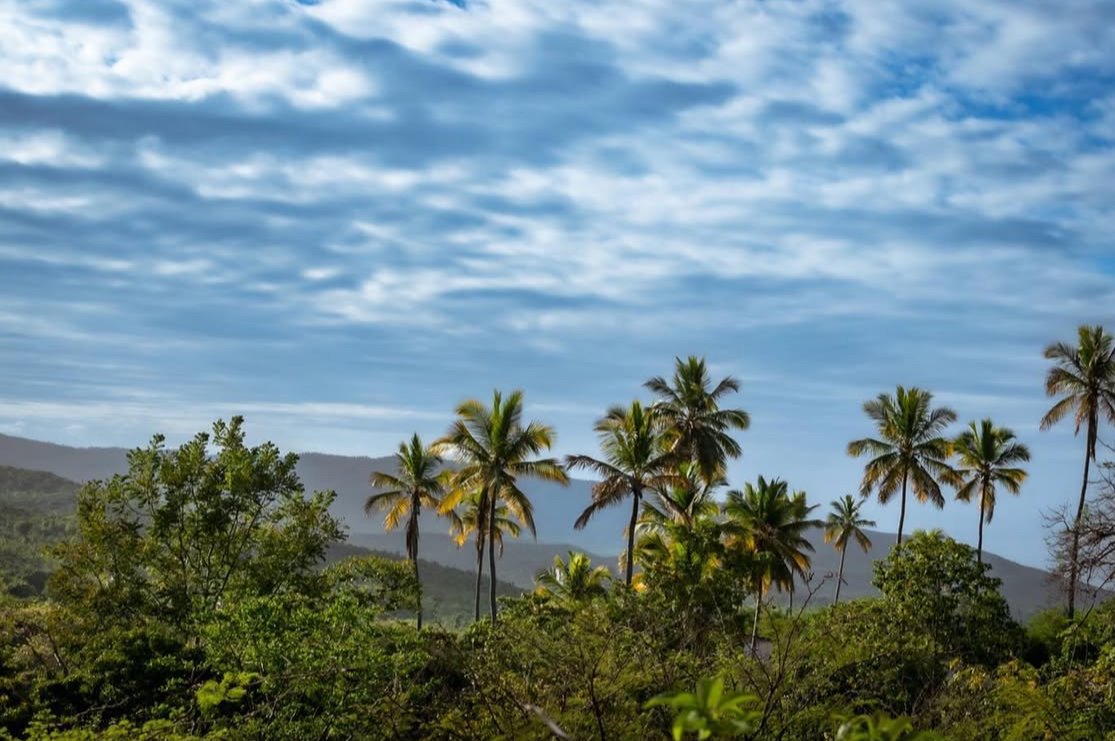
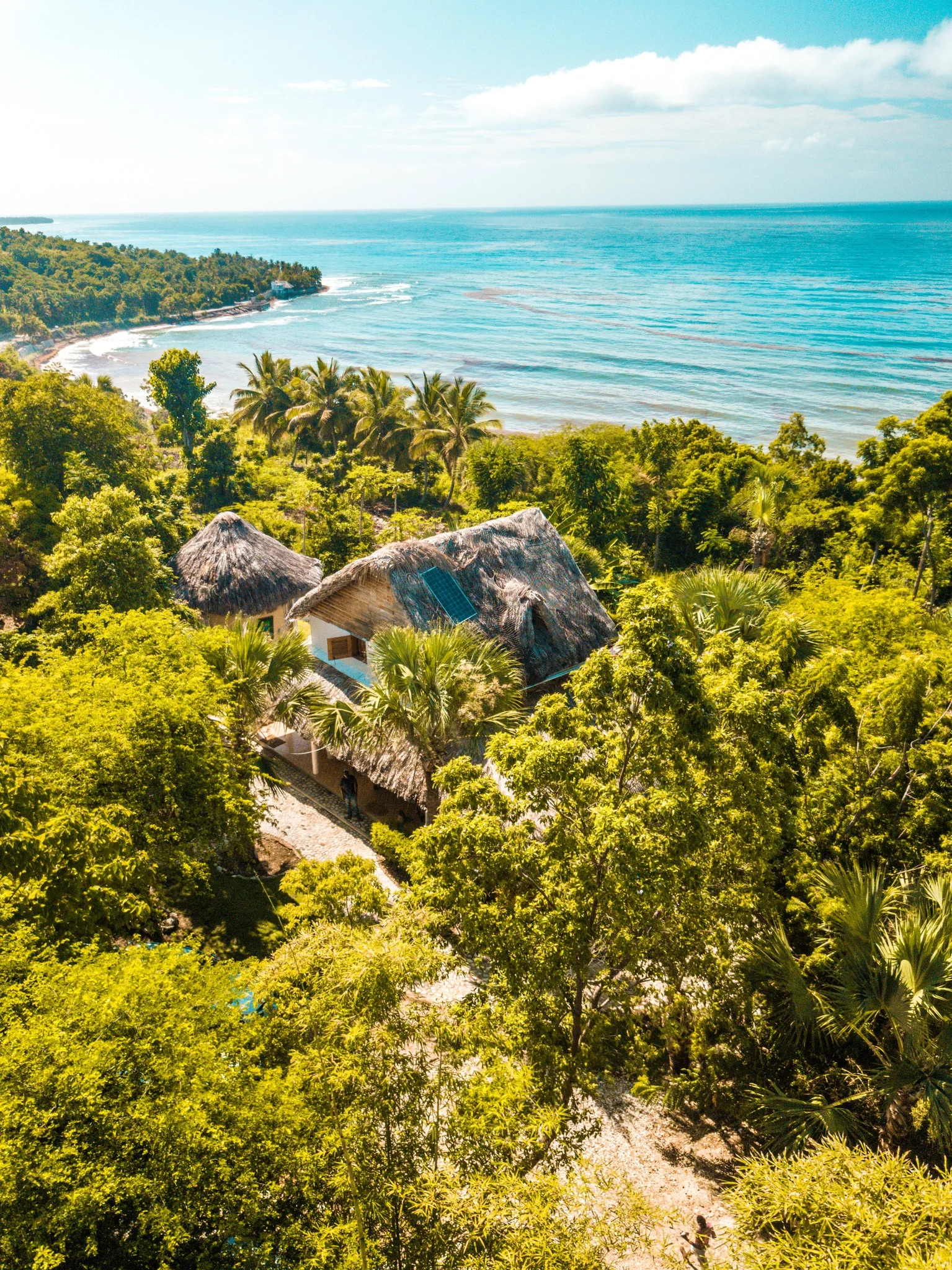
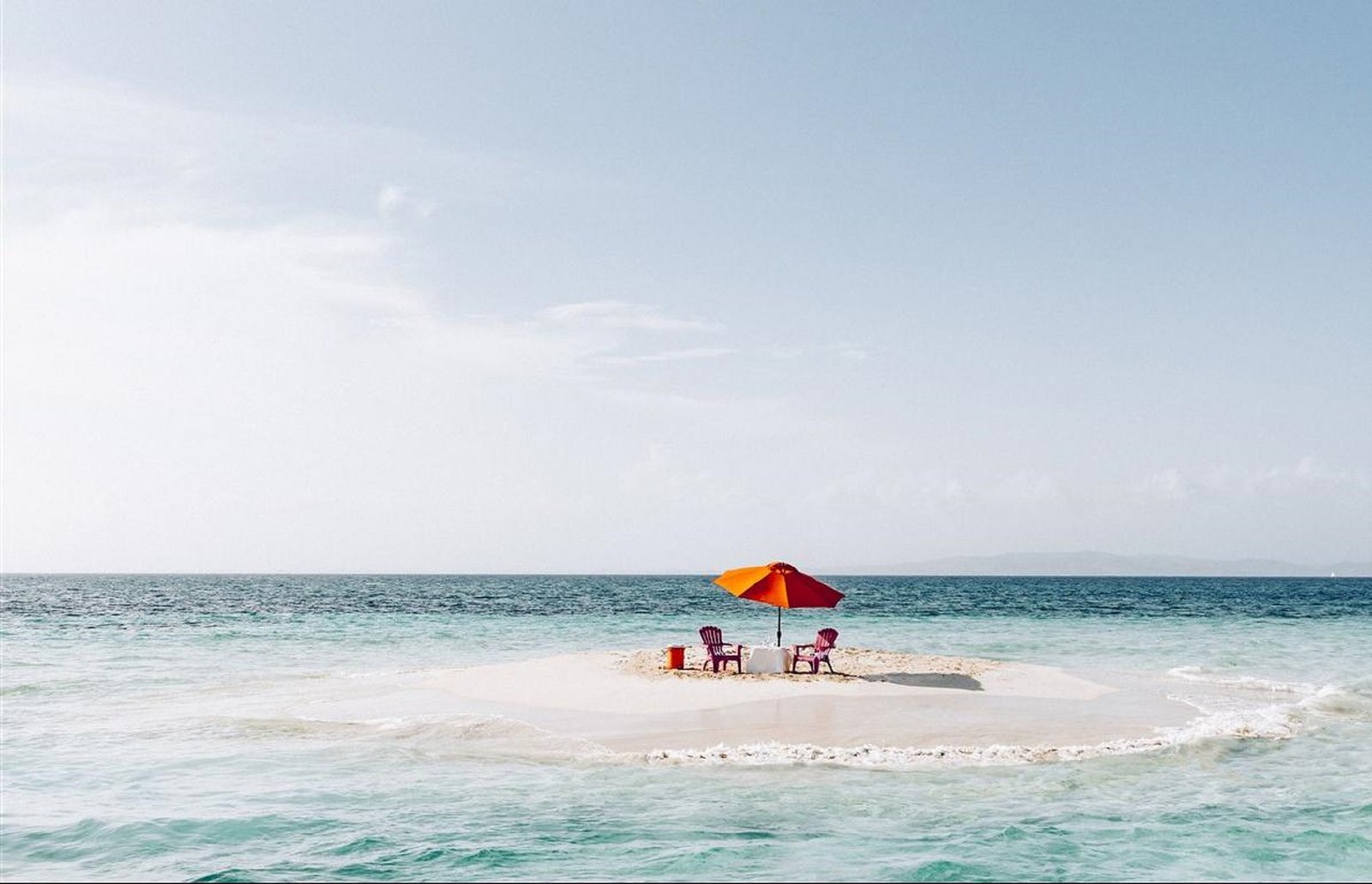
Haïti is blessed with spectacular natural landscapes, including white sand beaches, mountains and rich biodiversity.
Heritage
Haïti has a rich historical heritage, including sites like the Citadelle Laferrière and the Sans-Souci Palace, listed as UNESCO World Heritage Sites.
Culture
Haïti has a rich and diverse culture, influenced by African, European and indigenous elements. Haitian music, dance, art and cuisine are celebrated around the world.






























I love Cap lived there for years and would return in a minute if there were stability and
September 11, 2024 - 01:27:39 PMless dangerous for foreigners.
With all these nice things being said about Cap-Haitien, one would imagine to see a completely different spectacle when you visit this historical city. However, I was in Cap-Haitien recently what I saw is beyond my imagination in the negative way. One wonders if there are any authorities in charge in that city. How come they don't see what I saw? How come they don't do anything about it? How come the population accept to live in those conditions? These were the questions that came to my mind. All you see everywhere sooner you leave the airport are piles of trashes everywhere, traffic congestions beyond imagination, dust filling the air everywhere, holes in all the streets, stagnant waters in most of the streets just to name a few. Cap-Haitien is a complete disaster. I suggest this city should be closed for a few days for cleanup. I truly believe Haitians can do better than that.
September 18, 2024 - 07:19:21 PM