contact@haitiwonderland.com+509 36184317

Discover

Shopping Cart

Haïti and its Climate

Haïti and its Climate

Situated like an emerald in the heart of the Caribbean Sea, Haïti stands out as a true jewel where the pleasant tropical climate reigns supreme. This enchanting island, renowned for its idyllic beaches, lush green mountains and rich culture, is also blessed with year-round mild temperatures that make it a dream destination.

Read the article in :

French : Haïti et son Climat

Spanish : Haití y su clima

Creole : Ayiti ak klima li

Reference page : Haïti and its Climate

Other version : Haïti et son Climat

Haïti
Haïti
Haïti

Mild Weather All Year Round

Under the gentle rays of the tropics, Haïti enjoys generous sunshine and mild weather almost every day. Average temperatures oscillate pleasantly between 25°C and 30°C on the coasts, with a welcome slight coolness at altitude in the mountain ranges. A treat for lovers of beautiful sunny days!

Haïti
Haïti
Haïti

Two Well-Defined Seasons

The Haitian climate is divided between two main, clearly defined seasons. From November to April, the dry season which brings its share of heat tempered by the beneficial marine trade winds. Then from May to October, the rainy season known as "wintering" sees regular showers interspersed with beautiful sunny periods.

Haïti
Haïti
Haïti

A Dream Decor for Beach Lovers

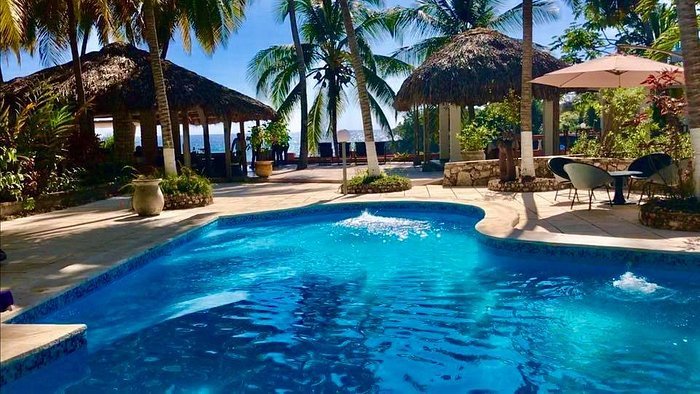
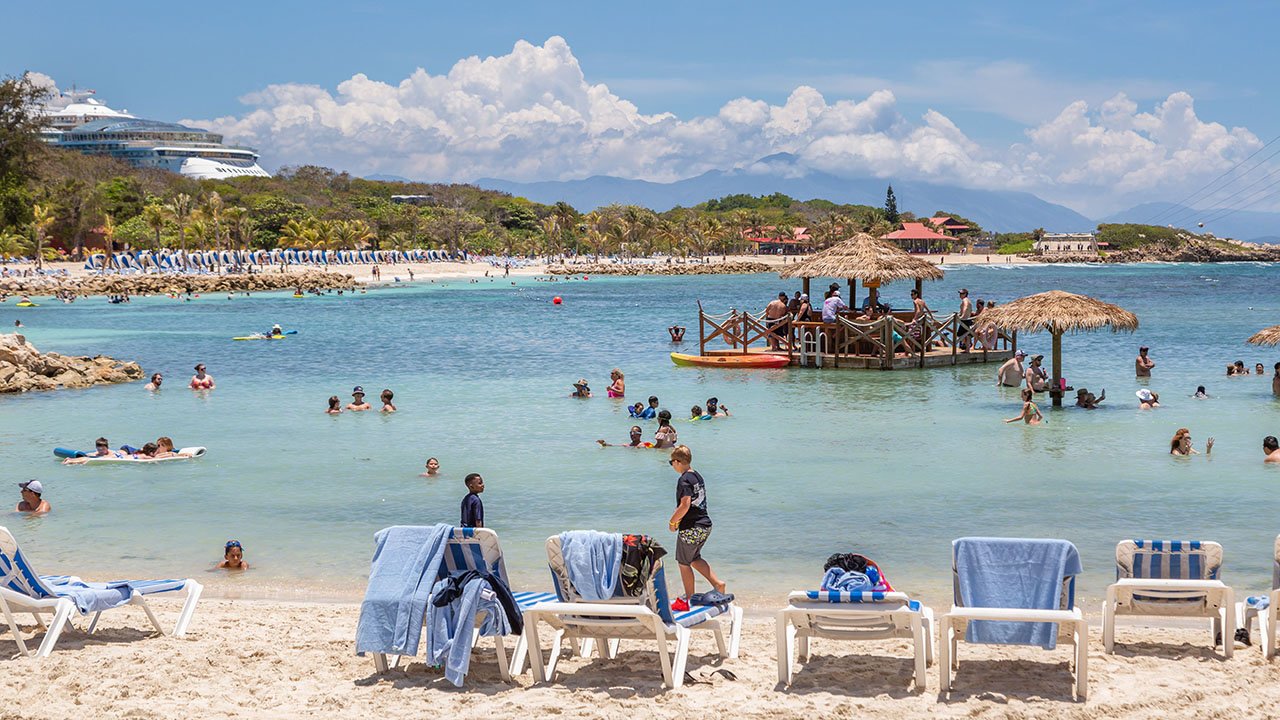
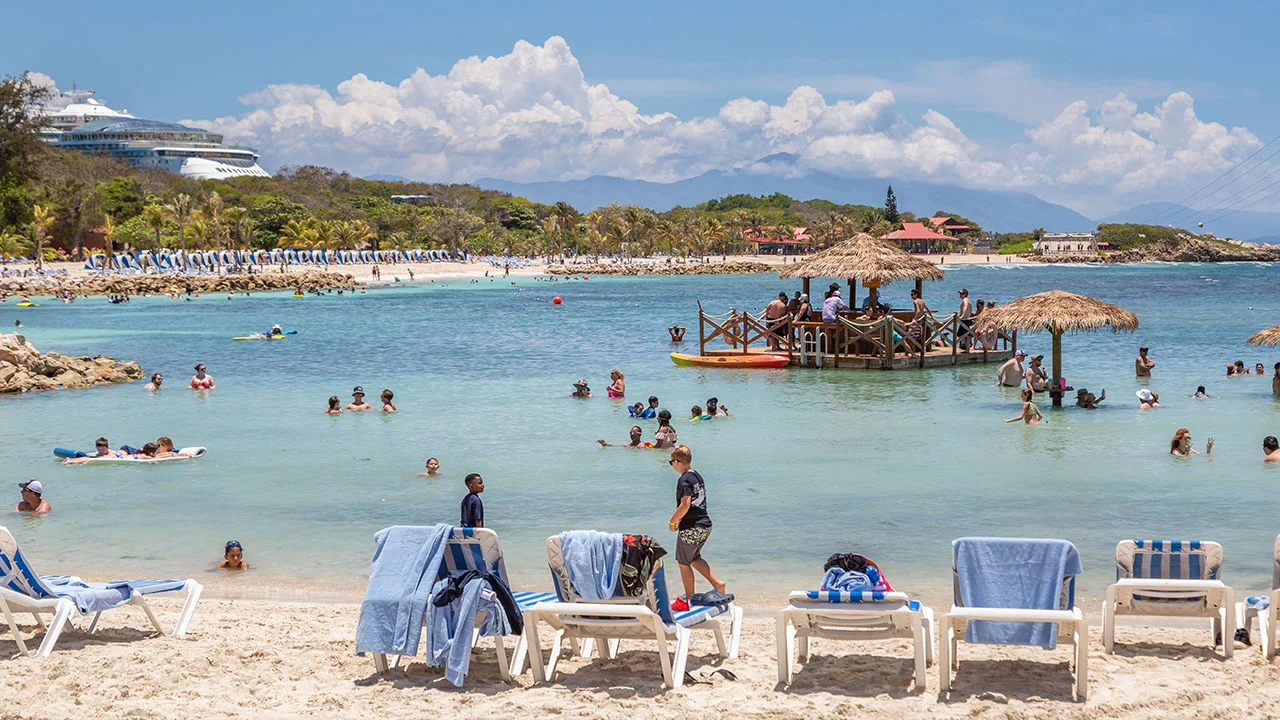
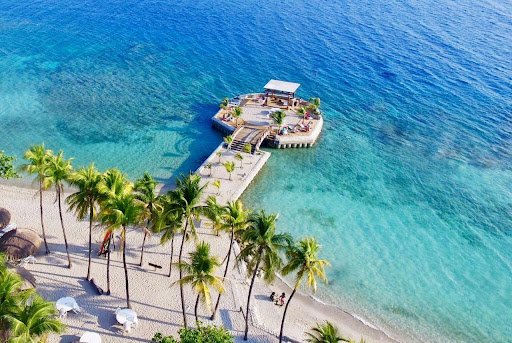
Whatever the season, this pleasant tropical weather allows you to fully enjoy the infinite natural beauties of the island. The pristine white sand beaches stretch as far as the eye can see, with their breathtaking clear turquoise waters. A truly idyllic postcard setting for indulging in seaside joys such as swimming, relaxing and water sports.

Haïti
Haïti
Haïti

Breathtaking Green Nature

Inland, an exuberant green nature reveals its charms, with lush valleys crossed by refreshing rivers, majestic waterfalls falling from forested mountains, and incredible biodiversity that will take your breath away. Something to amaze hiking and adventure enthusiasts.

It doesn’t matter whether you are looking for the pleasures of dream beaches, the exploration of preserved nature or immersion in the rich local culture, the pleasant tropical climate of Haïti offers a parenthesis of absolute sweetness and change of scenery . A true oasis of tranquility and warmth, like the legendary warm welcome of the Haitian population.

Share
About the Author
Haïti Wonderland
Haïti Wonderland
Leave a comment

Recently Posted

Newsletter

Subscribe to our newsletter to stay informed of all our activities and news on Haiti.

Guédés: When Haïti celebrates its ancestors with color and fervor

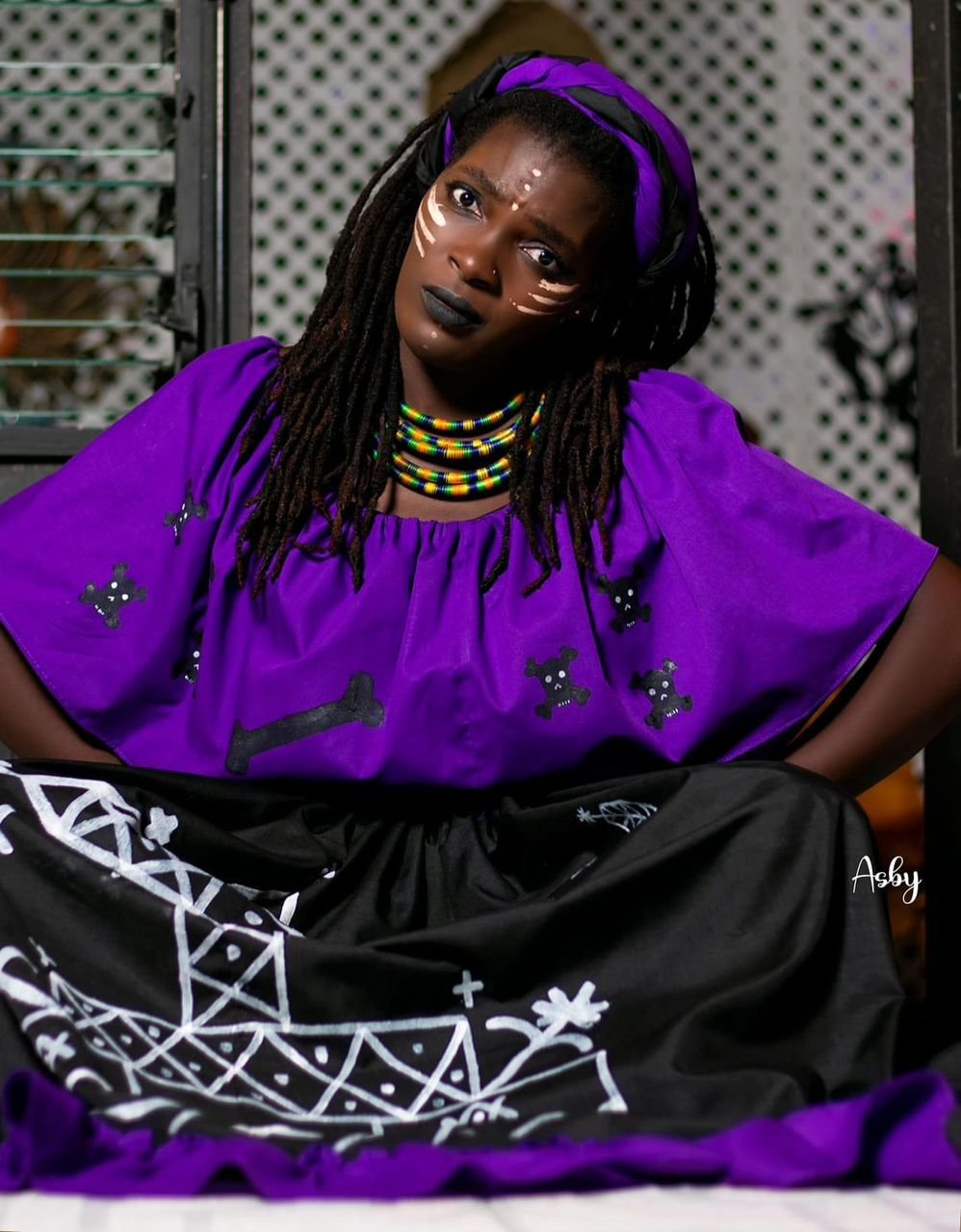
Every November 1st and 2nd, Haïti comes alive with the colors black and purple to celebrate the Guédés, spirits venerated in the voodoo religion, symbols of a powerful bond between the living and the dead. Fascinating, indomitable and provocative, the Guédés form a true family in the pantheon of Haitian voodoo, where they are respected for their role as spiritual guides of the deceased to the afterlife. Led by iconic figures such as the legendary Baron Samedi and his companion Grann Brigitte, the Guédés embody the paradoxes of life and death. Each Baron has a unique personality: Baron Cimetière, Baron Kriminel, and Baron La Croix are the guardians of the souls that wander on the borders of the world of the dead. Together, they form a powerful and somewhat frightening presence, but one that is deeply rooted in Haitian culture. The Guédés are not like other voodoo spirits; they demonstrate their fearlessness in a spectacular way. Accustomed to death, they are fearless and are provocative: they eat glass, raw peppers, and coat their sensitive parts with rum and pepper. These gestures mark their indifference to danger and remind us that they have already known earthly life. They are thus psychopomps – these beings who lead the souls of the dead – and act as bridges between the world of the living and that of the dead. Some Guédés, like Guédé Nibo, wear black, purple, and white clothing, each with unique characteristics. They are many and varied: Guédé Fouillé, Guédé Loraj, Papa Guédé, and many others. These are the spirits who, each year, remind Haitians of the importance of remembering and honoring the deceased. The cult of the Guédés is not only religious; it is also cultural and historical. According to tradition, their spiritual territory, or “Fètomè” – nicknamed the “Country without Hats” – is a place where the souls of ancestors reside. According to stories, the origins of this cult go back to the Abomey plateau, the ancient capital of the kingdom of Dahomey, in Africa, where death and life coexist in a form of symbiosis. This celebration in Haïti even finds echoes in ancient history. The Romans also honored their dead with the “Fête des Lémuria”, which took place in February, to ward off spirits and restore peace between the world of the living and that of the deceased. For Haitians, honoring the Guédés is about accepting death as a part of life and celebrating the invisible bonds that unite us with those who have left us. It is also a way of resisting, because life, despite its challenges, must be celebrated in all its complexity and depth.

Living in Prose and Poetry: an unmissable summer event in Port-au-Prince.

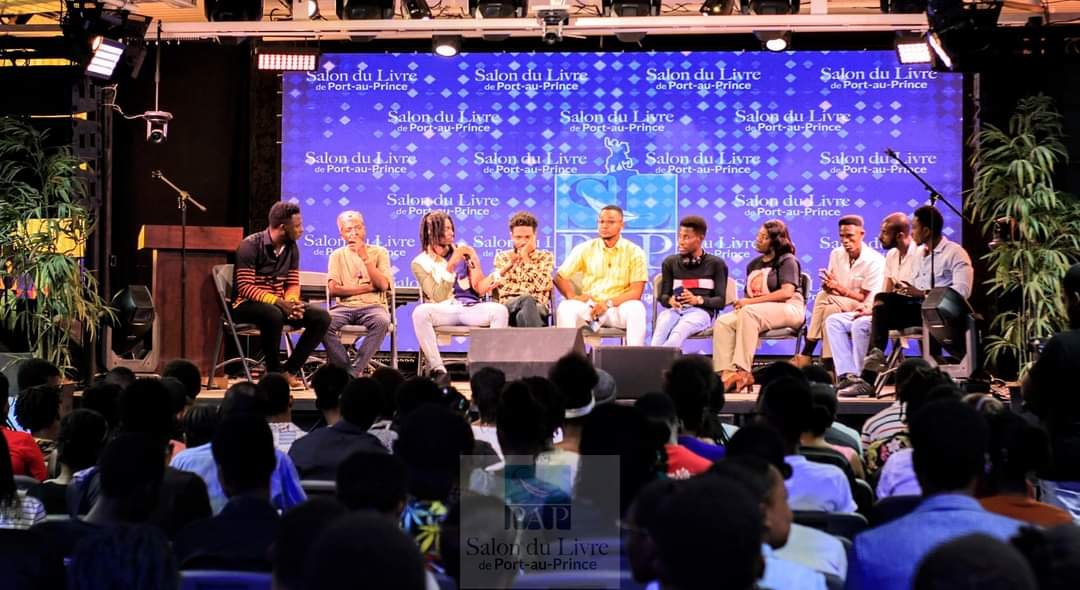
Living in Prose and Poetry is an artistic and cultural event organized by the cultural organization Salon de Livre de Port-au-Prince (OCSLPAP) with the aim of bringing together young artists from the Haitian capital to exhibit them to a large audience . This edition will take place on Saturday July 27, 2024, at the pyépoudré cultural center, located at number 332 on the Route de Bourne. This year the organizers announce their mission is to bring together talents from various categories of arts, always with the aim of helping them to become familiar with each other, and to help create a solid link between them and the Haitian public. . The categories targeted by the organizers for this second edition are young poets, slammers, comedians, rappers, dancers, singers, painters, and writers who have already published at least one work. Living in prose and poetry will also be an opportunity to encourage Haitian youth to think. The first part of the event will be devoted to a discussion around a text by the famous Haitian writer Louis Philippe Dalembert, entitled The Other Face of the Sea. It is a novel which carefully addresses the subject of immigration and detachment that goes with it in the immigrant’s skin. It is a book that speaks openly to the reality of the Haitian people today. It has already been announced that this first part will be moderated by the journalist and literary critic Carl Pierrecq who works for the short story writer, and moderation will be provided by Pierre Marie, a young sociology student at the Faculty of Human Sciences (FASCH). After a largely successful first edition which took place in May 2023 in the premises of the municipal library of Delmas, the organizers of living in prose and poetry say they are determined and have made the promise for this year to deliver to the public port-au -princien, a cultural event of exceptional scale for the second outing. Once again, this will be the perfect opportunity to celebrate the great richness of Haitian culture through the organs of our young talents. Given the difficult context, manifested by the almost daily situation of insecurity which has prevailed for some time, in a good part of Port-au-Prince, the announcement of this event comes as a fresh breath of oxygen, scattered throughout the within the lungs of the city. It is yet another opportunity to remind through this artistic festivity that even in times of deep unrest, art will remain an indispensable light, because even in times of crisis, the latter and the artist (its channel of diffusion) will become refuges, sources of comfort and appeasement for all human souls.

Recently Posted

History

History

First black nation to free itself from slavery and gain independence from France in 1804 and influenced other liberation movements around the world, inspiring struggles for freedom and equality.

Natural beauty

Natural beauty

Haïti is blessed with spectacular natural landscapes, including white sand beaches, mountains and rich biodiversity.

Heritage

Heritage

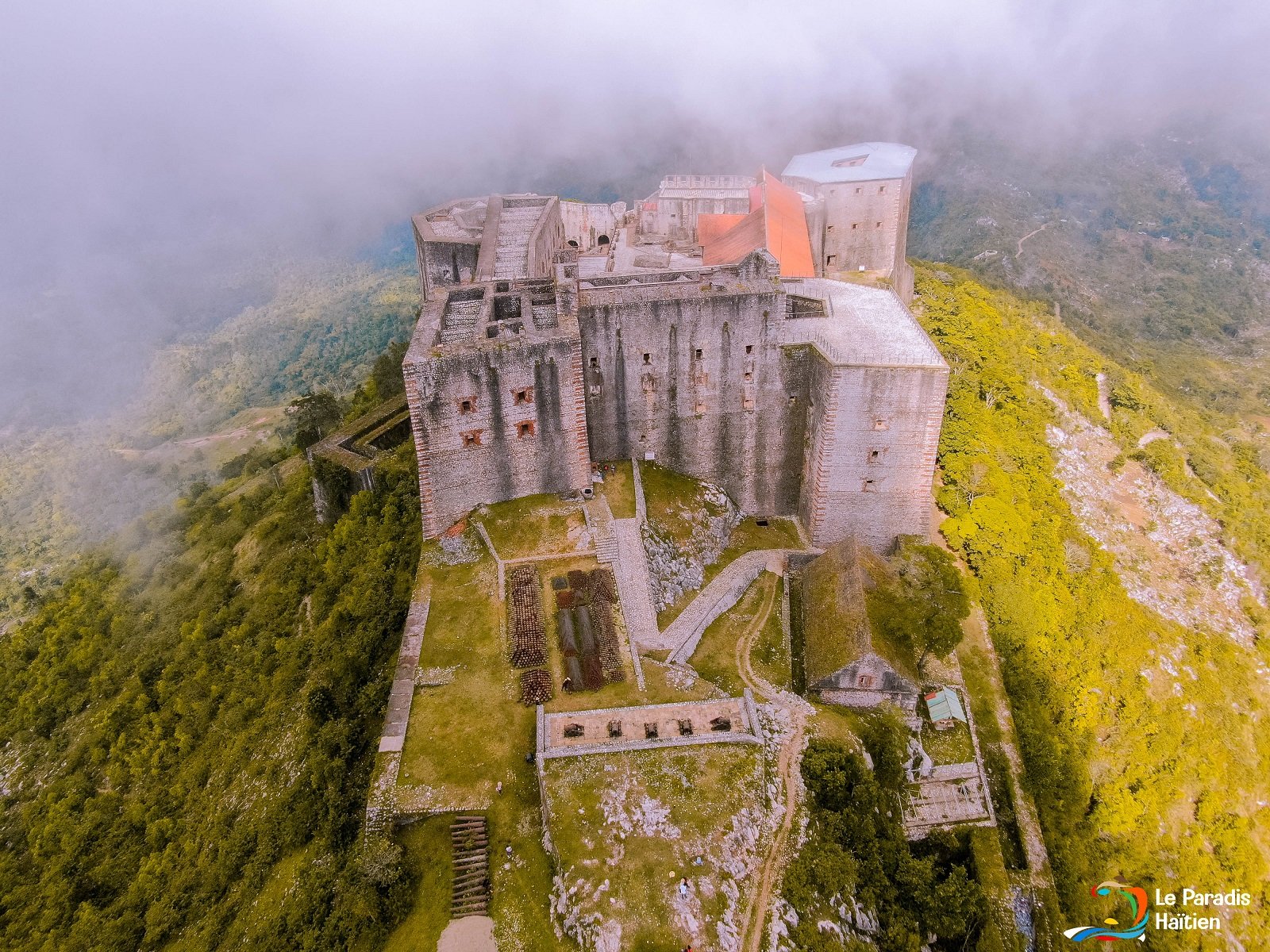
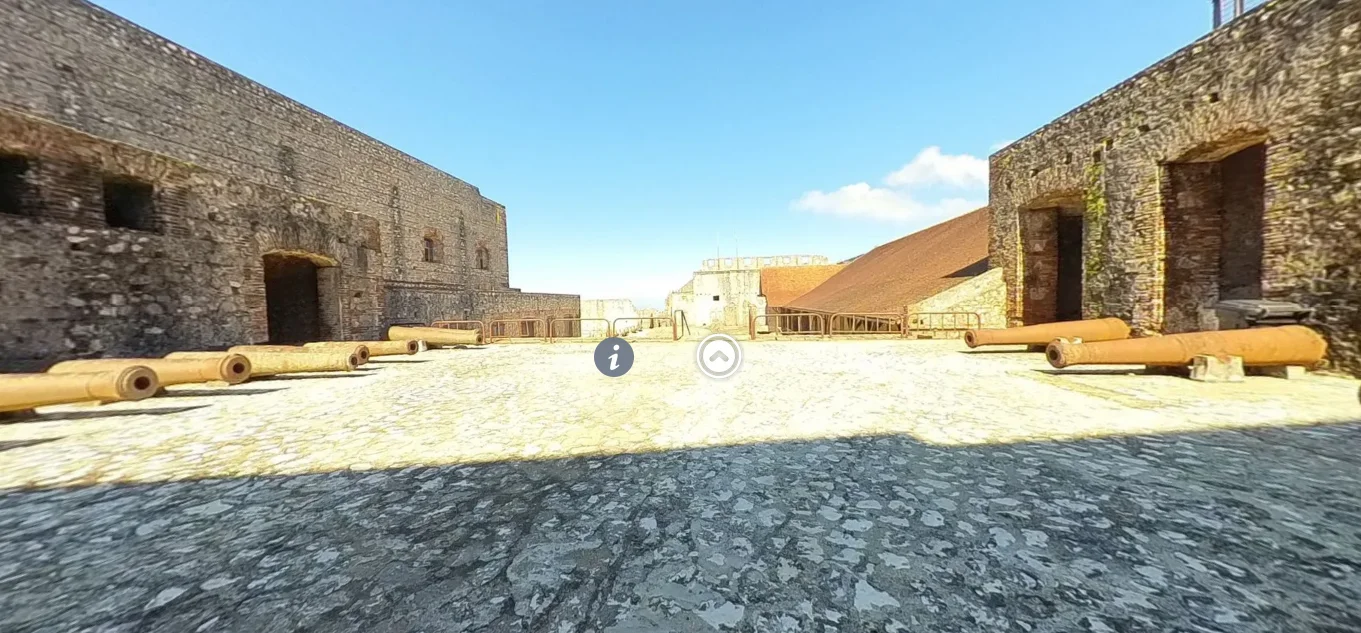
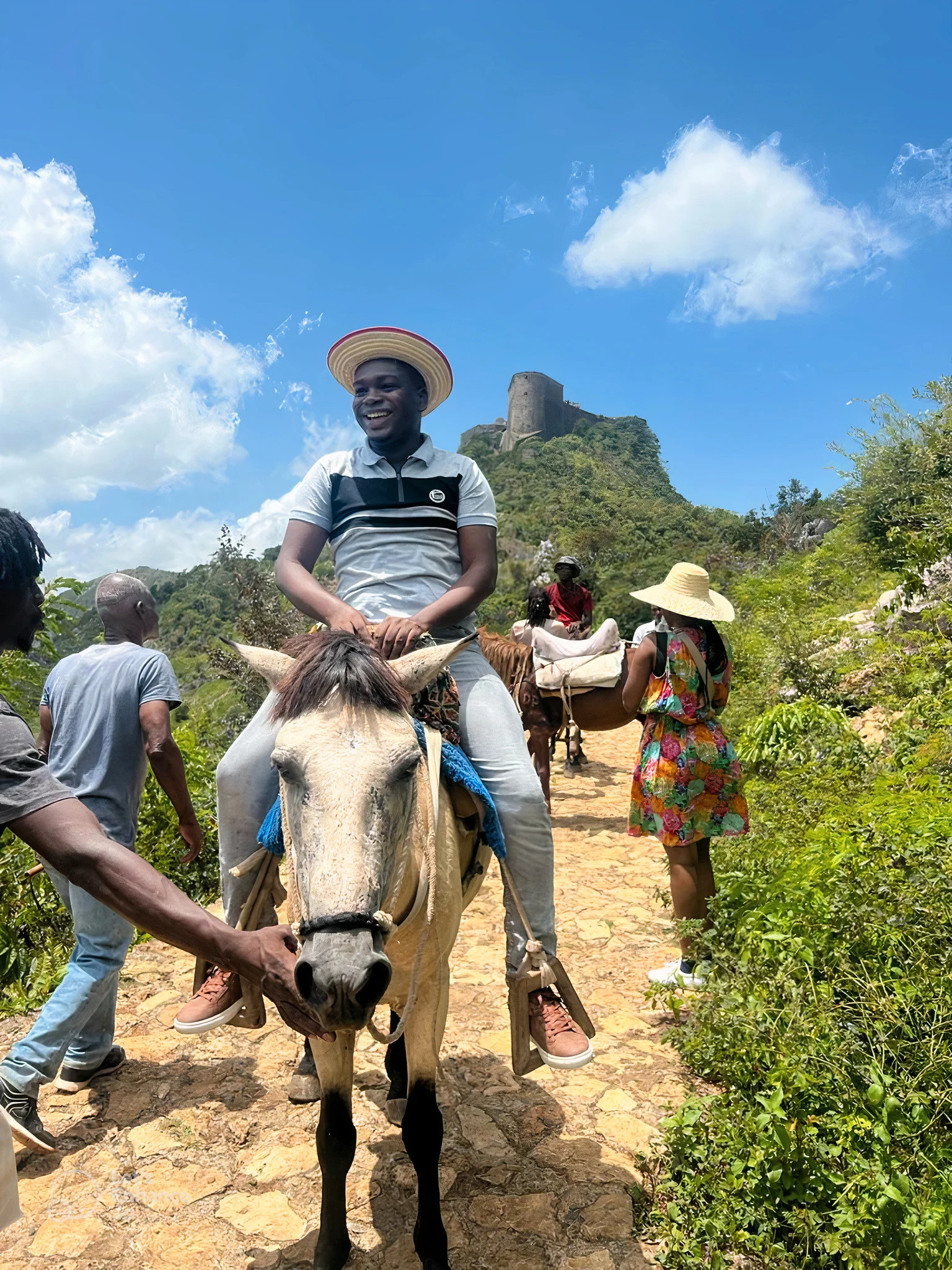
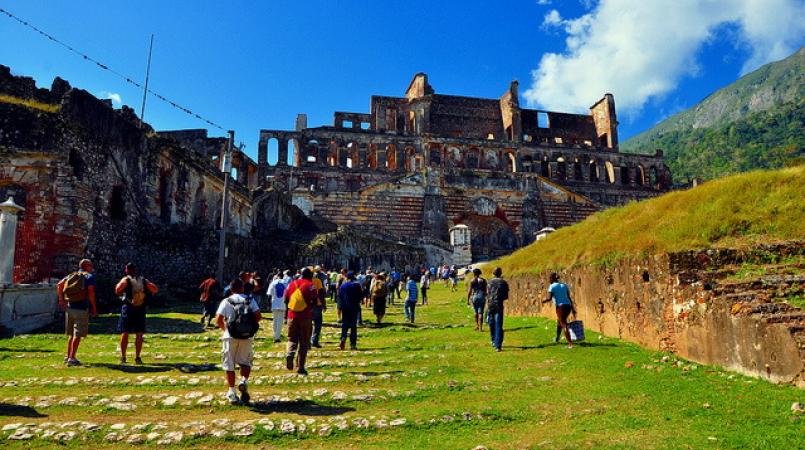
Haïti has a rich historical heritage, including sites like the Citadelle Laferrière and the Sans-Souci Palace, listed as UNESCO World Heritage Sites.

Culture

Culture

Haïti has a rich and diverse culture, influenced by African, European and indigenous elements. Haitian music, dance, art and cuisine are celebrated around the world.

  • +
    • Post