Camp-Perrin: One of the Most Beautiful Cities in the Caribbean
Camp-Perrin, nestled in the South department of Haiti, is one of the most picturesque cities in the Caribbean region. Located just 23 kilometers east of Les Cayes, the country’s third-largest city, Camp-Perrin is a true haven of peace. Its pleasant climate, lush vegetation, and serene atmosphere make it an ideal place for those seeking natural beauty and tranquility. While Port-au-Prince, the capital of Haiti, is often marked by tension and social difficulties, Camp-Perrin stands out for its calm and joyful ambiance, offering a different perspective on life in Haiti.
Geographical Location and Proximity to Les Cayes
Camp-Perrin is located in the southwest region of the country, about 30 kilometers from Les Cayes, a dynamic urban center that plays a crucial role in trade and economic activities in the southern part of Haiti. Although Les Cayes is the third-largest city in Haiti, Camp-Perrin, as a small rural town, contrasts sharply with the hustle and bustle of the big city. Access to Camp-Perrin is easy via National Road #6, which connects Les Cayes to Jérémie, passing through this small town, a journey of less than an hour by car.
Read the article in :
Summary
This proximity to Les Cayes allows Camp-Perrin to benefit from certain advantages, such as access to health and education infrastructure, while being far enough to preserve a peaceful and laid-back environment. The residents of Camp-Perrin thus enjoy the proximity of Les Cayes for their commercial needs while living in a more natural and soothing setting. A Mild Climate Thanks to its Wooded Landscape The wooded landscape, mainly composed of pines, fruit trees, and lilacs, gives the city a unique beauty. The surrounding hills and mountains are covered with lush vegetation, and the local rivers, such as the "Grande Anse" River, add a touch of serenity to this natural setting. This makes it not only a pleasant place to live but also a perfect spot for nature lovers and visitors seeking relaxation and hiking. Additionally, there is the Mathurine Falls, one of the most beautiful waterfalls in the Caribbean. A City that Lives in Joy Local traditions, dances, folk music, and village festivals are at the heart of social life in Camp-Perrin. One of the most notable events is the town’s patronal feast, the Feast of Sainte Anne, a time of great conviviality and gathering for the entire community. These events are an opportunity for residents to celebrate their culture and history while sharing good times together. A Promising Future for Camp-Perrin
See as well




A Mild Climate Thanks to its Wooded Landscape
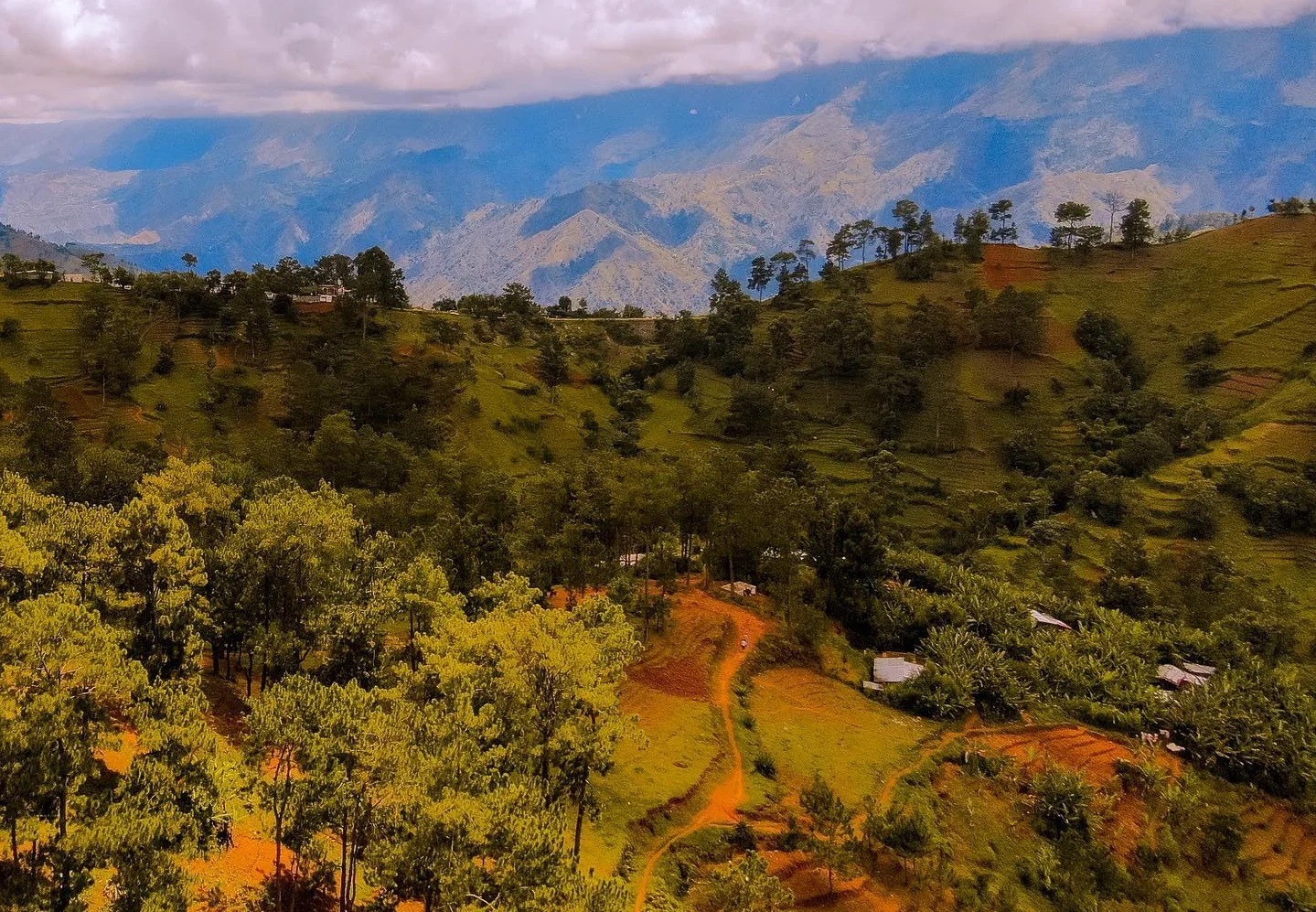
What makes Camp-Perrin so special is its climate. Due to its geographical location near the mountains in the southern region of Haiti, it enjoys a mild and temperate climate throughout the year. The cool breeze descending from the mountains, combined with the abundant vegetation surrounding the city, creates a pleasant and refreshing atmosphere. The temperatures in Camp-Perrin are generally cooler than in larger coastal cities like Les Cayes or Port-au-Prince, making it an ideal destination for those wishing to escape the stifling heat of the lower regions of the country.
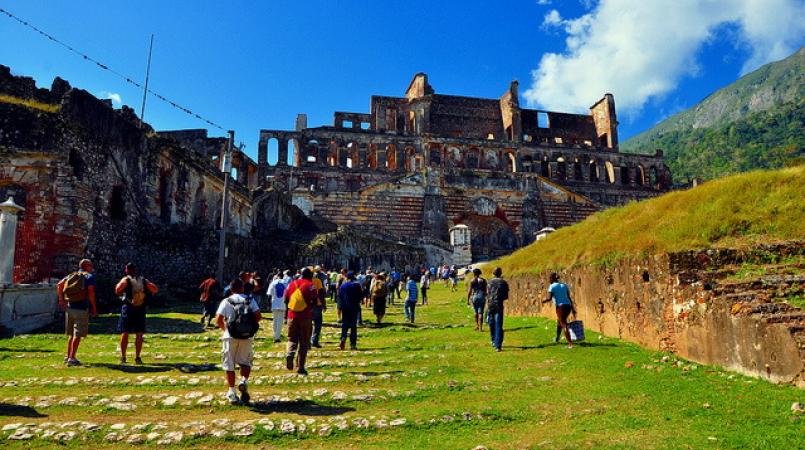
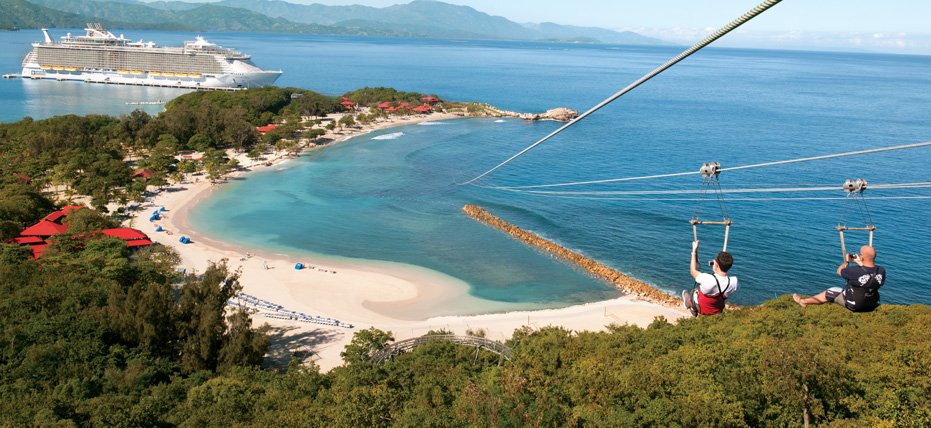
The wooded landscape, mainly composed of pines, fruit trees, and lilacs, gives the city a unique beauty. The surrounding hills and mountains are covered with lush vegetation, and the local rivers, such as the "Grande Anse" River, add a touch of serenity to this natural setting. This makes it not only a pleasant place to live but also a perfect spot for nature lovers and visitors seeking relaxation and hiking. Additionally, there is the Mathurine Falls, one of the most beautiful waterfalls in the Caribbean.


A City that Lives in Joy
Despite the many challenges faced by Haiti, especially in Port-au-Prince, where the situation is often untenable due to political and social issues, Camp-Perrin remains an example of resilience and joy. The residents of this small town are known for their warm hospitality and community spirit. The joy of life is palpable in every corner of the city, whether at the local market, during cultural festivities, or simply strolling through the picturesque streets.
Local traditions, dances, folk music, and village festivals are at the heart of social life in Camp-Perrin. One of the most notable events is the town’s patronal feast, the Feast of Sainte Anne, a time of great conviviality and gathering for the entire community. These events are an opportunity for residents to celebrate their culture and history while sharing good times together.

A Promising Future for Camp-Perrin
Although Camp-Perrin is still far from being a major economic center in Haiti, its geographical location and its natural and historical resources offer promising tourism development potential. With its pleasant climate, beautiful landscapes, and rich cultural heritage, the town could attract more visitors, both domestic and international, in the years to come. Moreover, the commitment of the Haitian diaspora from Camp-Perrin, who are building beautiful homes that further enhance the city’s face, alongside the involvement of key figures in the country who enjoy returning to live there, such as the famous journalist and media personality Valery Numa, who has established his business offering multiple services such as catering, hospitality, and a restaurant called Le Recul Group, adds to the city’s prospects. These investments, alongside some consistent engagement from Haitian authorities, could make this small town a real hub for tourism in Haiti, or even throughout the Caribbean region. In doing so, it would preserve the environment of this paradisiacal area and improve basic infrastructure, transforming Camp-Perrin into a model of sustainable development.
In conclusion, Camp-Perrin, with its mild climate, wooded landscapes, and joyful ambiance, stands out as one of the most beautiful cities in the Caribbean. In a country often marked by social and political tensions, this small rural town offers a breath of fresh air and a sense of hope for those seeking a peaceful and harmonious environment to escape the challenges of this world.