contact@haitiwonderland.com+509 36184317

Discover

Shopping Cart

Haiti’s Citadelle Laferrière: Eighth Wonder of the World?

Haiti’s Citadelle Laferrière: Eighth Wonder of the World?

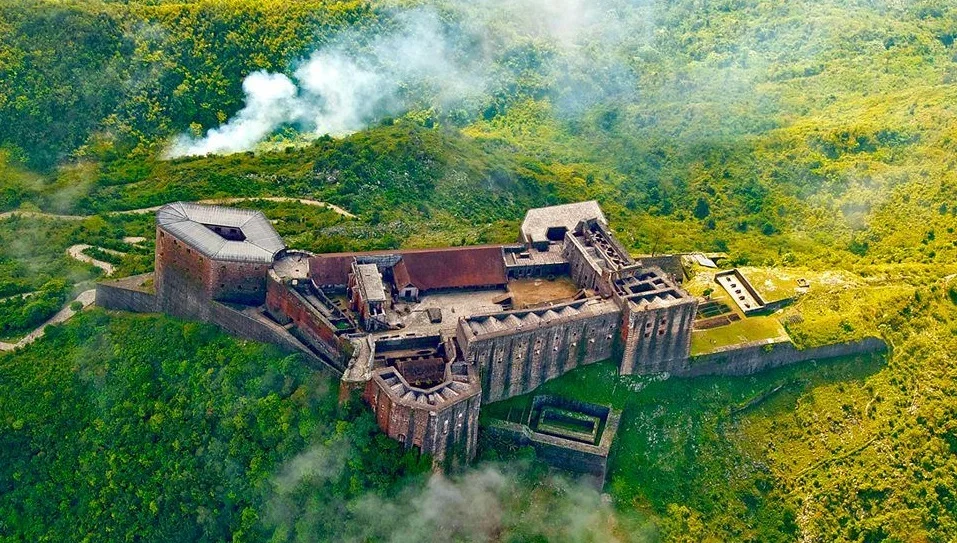
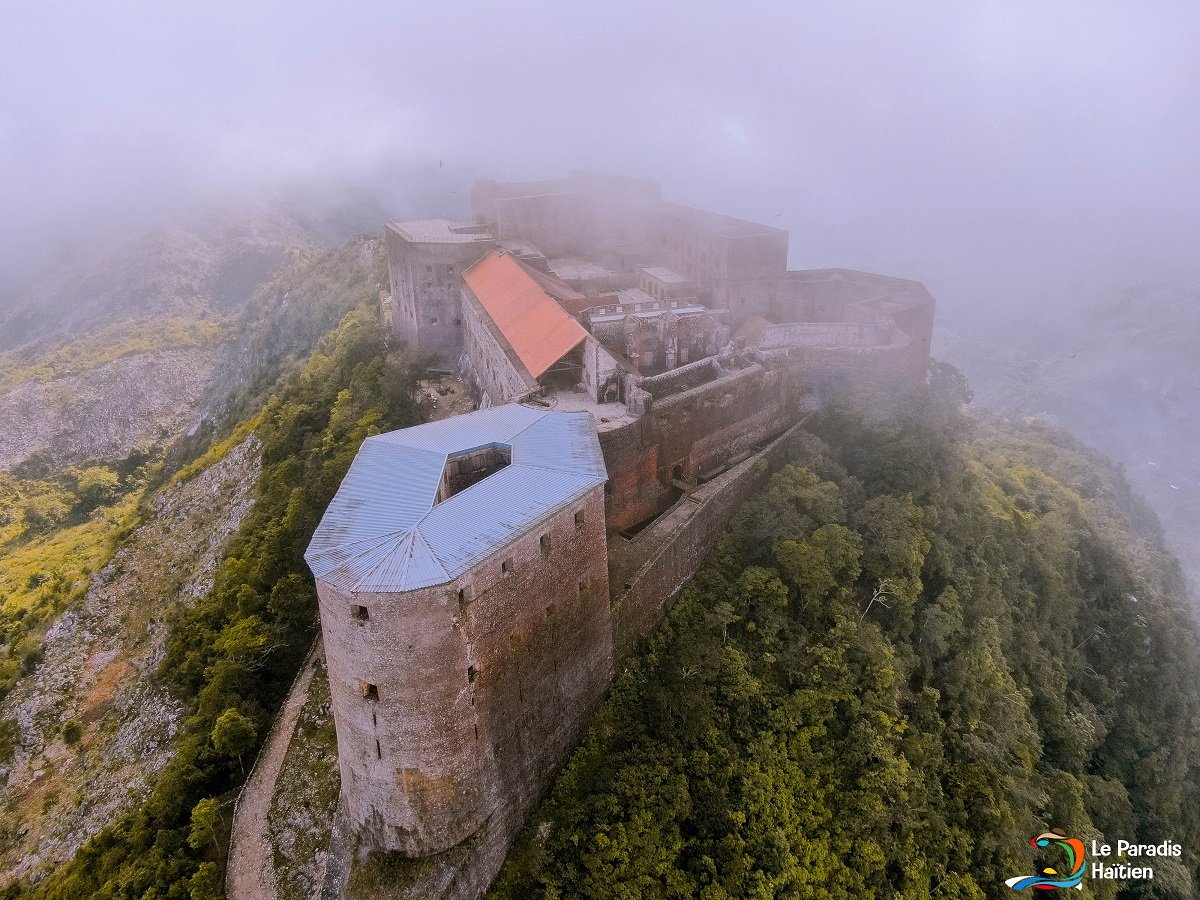
Among the world’s architectural and historical treasures, the Citadelle Laferrière, perched high in the north of Haiti, occupies a unique place. Dubbed by some the “Eighth Wonder of the World,” this colossal fortress is much more than a feat of engineering: it is a powerful symbol of freedom, resilience, and national pride. Discover why this impressive site continues to captivate visitors from around the world and deserves this honorary distinction.

Haïti
Haïti
Haïti

A Monument Born of the Struggle for Freedom

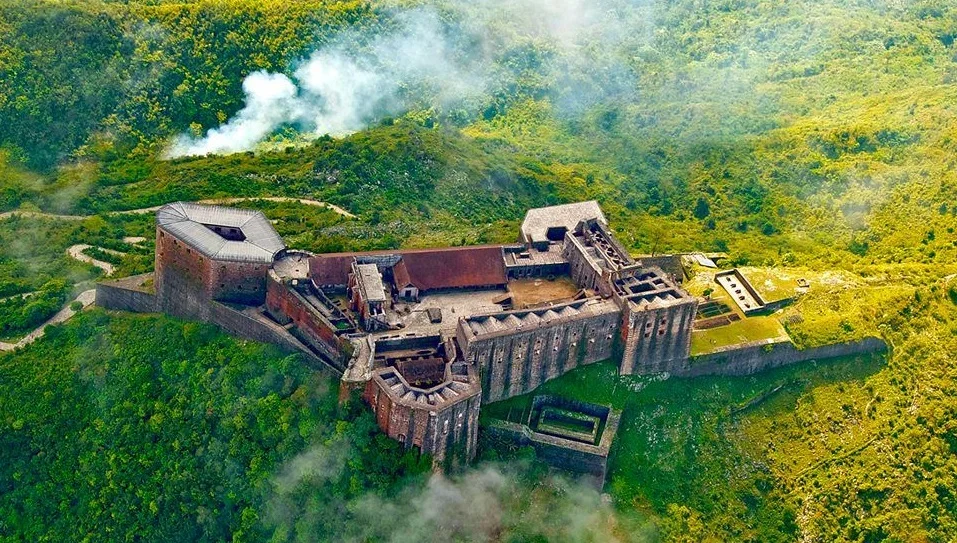
After Haïti gained independence in 1804, acquired through fierce struggles against the French colonial army, King Henri Christophe ordered the construction of the Citadelle Laferrière to protect the young nation from possible attempts at reconquest. Built between 1805 and 1820, this imposing fortress dominates the surrounding plains at an altitude of nearly 900 meters, offering a strategic view of the entire north of Haïti and, on a clear day, all the way to the Cuban coast.

With massive walls sometimes reaching 40 meters high, the Citadel was designed to withstand the most violent bombardments. Its capacity to accommodate up to 5,000 soldiers, combined with its reserves of food, water and ammunition, made it an impregnable refuge.

Haïti
Haïti
Haïti

Impressive dimensions

Ranked among the largest fortresses in the world, the Citadelle Laferrière covers an area of ​​10,000 square meters. Here are some key figures that illustrate its scale:
- 365 cannons of various sizes, from different Napoleonic battles, are stored there. - Tons of cannonballs, perfectly stacked, bear witness to the meticulous preparation for defense.
- More than 20,000 workers participated in its construction, using local materials transported by man and mule.

Its robust and imposing design makes it a masterpiece of military architecture.

Haïti
Haïti
Haïti

A UNESCO World Heritage Site

In 1982, the Citadelle Laferrière was inscribed on the UNESCO World Heritage List in recognition of its historical and cultural importance. It is part of the National Historical Park, alongside the Sans Souci Palace and other remains from the era of Henri Christophe.

This classification highlights not only its role as a symbol of freedom for Haiti, but also its impact on universal history as a testimony to the first free black nation in the world.

Haïti
Haïti
Haïti

Why the "Eighth Wonder of the World"?

The nickname "Eighth Wonder of the World" given to the Citadelle Laferrière is not official, but it reflects the admiration it inspires in those who visit it. This title evokes:
- Its architectural ingenuity: Few fortresses in the world combine such size, strategic design and resistance to the natural elements.
- Its historical role: It embodies the spirit of struggle and independence of a people who defied the colonial powers of the time.
- Its majestic beauty: Nestled atop a mountain, the Citadel offers a spectacular panoramic view of the surrounding valleys and the Atlantic Ocean.

Haïti
Haïti
Haïti

A world-renowned tourist attraction

Every year, thousands of local and international tourists visit the Citadelle Laferrière. It is often the highlight of their trip to Haiti.

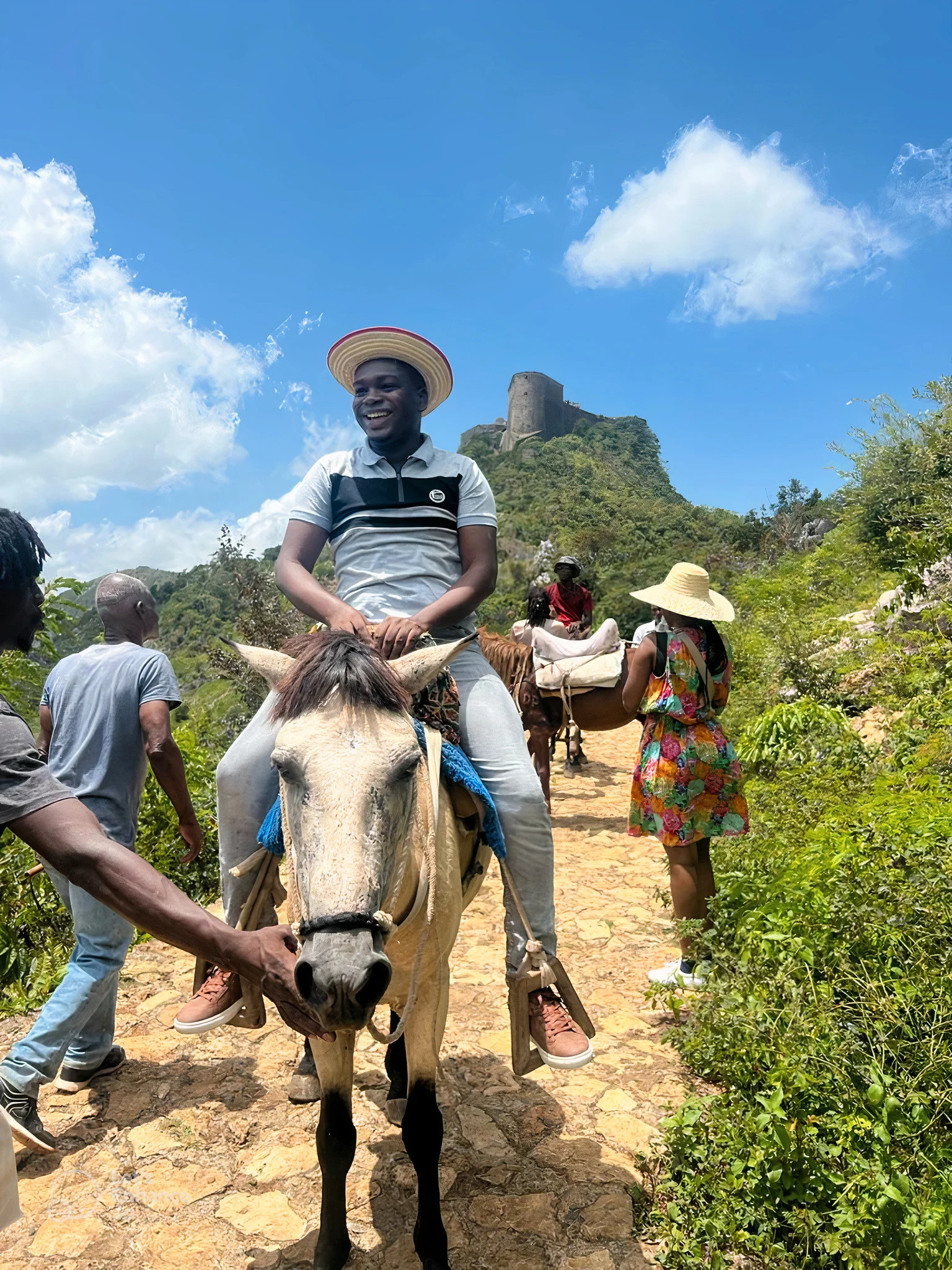
Access to the Citadel is by hiking or horseback riding, adding an adventurous dimension to the experience. Once at the top, visitors are rewarded with a breathtaking spectacle and a deep insight into Haiti’s heroic history.

Some key facts about the Citadel

- Strategic position: It overlooks the northern plains, offering a clear view of possible enemy approaches.
- Symbolic construction: The fortress was built to represent freedom, even though it has never been attacked.
- An intact masterpiece: After more than two centuries, it remains in excellent condition and continues to fascinate with its solidity.

A symbol of resilience for future generations

The Citadelle Laferrière is not only a historical monument, but also a source of inspiration for Haitians and the world. It is a reminder of the price of freedom and the importance of preserving one’s heritage.

If you haven’t had the opportunity to visit the Citadel yet, it deserves to be at the top of your list of destinations. Come discover this wonder, share your experience and, why not, contribute to making Haïti shine on the world stage.

And you, what do you think of this "Eighth Wonder of the World"? Do you have any anecdotes or memories to share? Do so in the comments!

Share
About the Author
Appolon Guy Alain
Appolon Guy Alain
Appolon Guy Alain

Full Stack Developer, Créatif, expérimenté, passionné des nouvelles technologies et de l’art.

See other articles from Appolon Guy Alain
KEMIH SANROAH

Je suis en Afrique de l'ouest dans la republique soeur de Haití et je veux connaitre plus sur la 8eme merveille svp
Merci

August 04, 2025 - 01:33:02 PM
Leave a comment

Recently Posted

Carrefour: Kay Jèn Yo s’ouvre aux enfants

Dans le cadre du programme de promotion des droits et de l’épanouissement de l’enfant "Timoun se moun" piloté par l’organisation Action Communautaire de Transformation et d’Intégration Formelle (ACTIF), Kay Jèn Yo organise, du 18 au 24 août 2025 (9h am - 1h pm), "Espas Lajwa", un camp d’été qui cible trente (30) enfants de 7 à 15 ans. Une grande panoplie d’activités éducatives, créatives et ludiques sont programmées pour le plus grand bien des enfants. Ils auront droit à des ateliers de : peinture, crochet, macramé, langue des signes, théãtre, lecture, échec, etc. Dans un contexte aussi traumatogène où la violence est monnaie courante, de telles initiaves sont d’une importance capitale. " Les enfants ne sont pas imperméables au stress et autres pathologies que peut provoquer la situation morbide qui sévit dans le pays actuellement", souligne Blondy Wolf Leblanc (Gabynho) DG a.i de ACTIF. "Espace Lajwa se veut donc, un refuge, un lieu où les enfants peuvent s’exprimer en toute sécurité, un espace sécurisant où ils peuvent exprimer leurs émotions à travers plusieurs médiums", précise-t-il. Plus loin, l’animateur socioculturel encourage d’autres structures à travers le pays à prendre des initiatives de ce genre au bénéfice de la santé mentale des enfants. Espas Lajwa est quasiment gratuit. Un frais de participation de 150 gourdes est requis pour la semaine. Quid Kay Jèn Yo Issu du projet "Pran Swen Tèt ou", Kay Jèn Yo est un projet de l’organisation ACTIF supporté par La Perfection École de Haute Couture visant à combattre la violence par l’engagement communautaire à travers des programmes de formation professionnelle et artistique. Situé au numéro 18, imp. Thoby, rue Desdunes, Mahotière 79, Kay Jèn Yo est ouvert du lundi au dimanche (9h am - 6h pm). Sebastien Jean Michel

Newsletter

Subscribe to our newsletter to stay informed of all our activities and news on Haiti.

Petit-Goave, Haiti: Decryption of the 3rd rara weekend!

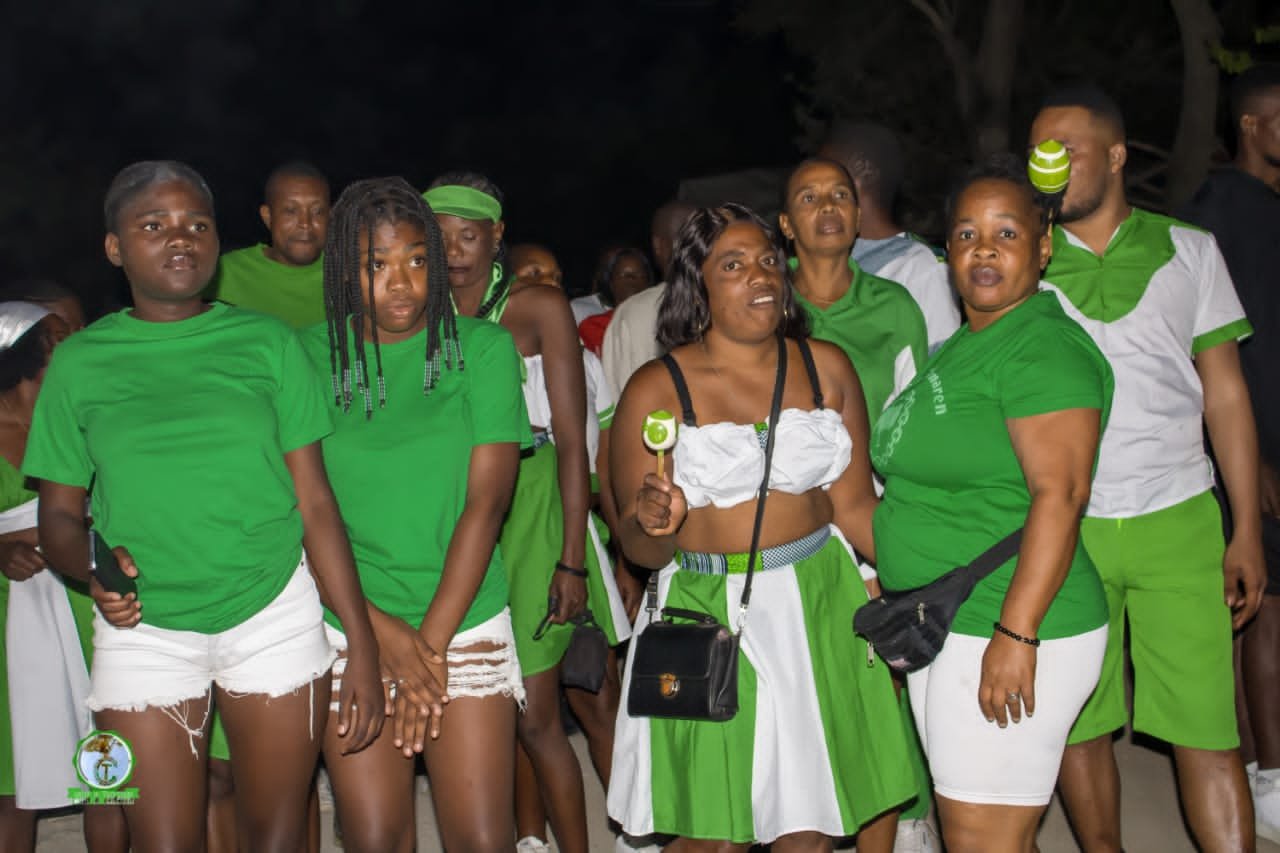
It is more and more obvious that in Petit-Goave the media space is absorbed by the rivalry between Ratyèfè, triple champions and lambi gran lambi dlo, a former champion. The past weekend was once again irrefutable proof of the media tension over these two rival bands. With a carnival-like appearance, the fan club of the first dressed in a white shirt, short orange-yellow skirt, purple tie, black boot; the other dressed in a traditional hat, yellow jersey, red pants, red or yellow tennis shoes. This marriage of colors with the taste of carnival is the expression of cultural diversity as La Fontaine said in his book tales and short stories "diversity is my motto." This formula can adapt well to the rara. If it is true in Léogane this marriage of color has existed for ages. It is no less true that this was the case in Petit-Goave because we had to wait for the strong return of Ratyèfè in 2018 to see the rara fan clubs dress differently each new weekend. Last Saturday more than one expected a new face to face between Lambi gran dlo and Ratyèfè because the latter weighed anchor in the direction of the 2nd plain and the latter, in the direction of the city center. Less than in any other circumstance, this duel at the top was obvious. If for some comments it was a favorable opportunity for Lambi to take his revenge on his rival compared to the previous weekend because he had done the profile although he had the advantage because he was two against one. (Lambi,chenn tamarin vs Ratyèfè). This enormous advantage did not work in their favor because the hours that had passed worked against them, as proof they had gone to sleep while ratyèfè remained to play for at least 30 more rounds. Surprisingly but not surprisingly during the meeting long awaited by less than one, at the Acul not far from the Saint Jean-Baptiste church, lambi had decided not to play anymore. However, according to the customs and costumes of the rara when there are two bands, the one who stops playing first, shows weakness and surrender. Consequently, the other who is opposite out of decency and good morals has no other choice to do the same. It follows that for the umpteenth time the great power formation (lambi grand dlo) was unable to take revenge on its rival. For many cultural journalists who were present to witness this event did not have their tongue in their pocket to give their impression of Ratyèfè’s monster performance. This is the case for Brignol, a cultural commentary which wondered if Ratyèfè had the devil in his body so that the most incredulous were in their feeling of joy. On Sunday evening this monster of animation once again made its mark in the art of its know-how. This is what explains the almost unanimity among the cultural journalists of Petit-Goâve in granting first place to this band for its performance and its musical discipline. So, for this weekend according to the circle of cultural journalists of Petit-Goave and with the approval of many other cultural comments. We have the following classification: 1st Ratyèfè 2nd Grap Kenèp 3rd Orgueil de la jeunesse

Cultural exploration: Discovering the Haitian soul

Cultural exploration offers a fascinating window into the richness and diversity of world heritage. Among destinations that captivate with their history, art and unique identity, Haïti stands out as a cultural gem worth discovering. b~Historical heritage:~b The history of Haïti is marked by the resilience of the Haitian people in the face of slavery, colonization and political challenges. It is the first independent state in Latin America and the only one founded by a successful slave revolt. Haiti’s historical heritage is reflected in its art, music, dance and beliefs. b~Art and Crafts:~b Haitian artistic expression is vibrant and powerful. Naive painting, famous for its bright colors and narrative themes, has its roots in Vodou traditions and local folklore. Haitian artists have gained international fame by capturing the mystical spirit and daily life of the country. b~Music, rhythm of the Haitian soul:~b Music is the pulsating soul of Haiti. From direct compass to voodoo to jazz to rasin, each musical genre has a deeply rooted history in Haitian culture. The iconic band, Boukman Eksperyans, fuses traditional rhythms with modern influences, creating a unique sonic experience that transcends boundaries. b~Dance and movements:~b Dance in Haïti is a celebration of life and spirituality. Voodoo dances, such as Yanvalou and Banda, embody sacred rituals while preserving African heritage. The graceful movements and colorful costumes tell stories from Haitian history, creating a deep connection between past and present. b~Spirituality and Voodoo:~b Vodou, often misunderstood, is an essential component of Haitian culture. It is a syncretic religion that combines African, Native American and Catholic elements. Vodou ceremonies, with their intoxicating dances and mystical rituals, are powerful expressions of Haitian spirituality and are rooted in the quest for connection with ancestors and deities. Exploring the Haitian soul means delving into a world where history, art, music and spirituality intertwine to form a unique cultural web. Haiti, with its diversity and resilience, offers an experience rich in emotions and discoveries. Whether through the bustling streets of Port-au-Prince, the vibrant art galleries or the captivating rhythms, every corner of this Caribbean country reveals a captivating facet of its deep and living soul.

Haiti: A look back at the First Rara Weekend in Petit-Goave

Haitian culture is a true treasure, woven from the creativity of its artists, its rich heritage and the diversity of its cultural expressions. Among these cultural gems, the rara stands as a true national emblem, uniting Haitians through its captivating rhythms and centuries-old traditions. During the first Rara weekend, this very essence of Haitian culture shone brightly, revealing palpable social cohesion. Despite the absence of law enforcement, tranquility reigned in Petit-Goâve, testifying to the ability of citizens to come together in peace and conviviality. However, media attention was mainly focused on the first plain, leaving a certain imbalance in the coverage of the festivities. Ratyèfè, three-time reigning champion, once again captivated minds with his talent and artistic mastery, offering an unparalleled spectacle. But his rival, Lambi gran dlo, was not to be outdone, displaying a determination to compete for first place. The event was also marked by unfortunate incidents, reminding us that despite the beauty of tradition, tensions can arise. Clashes between fans of different groups tarnished the festive atmosphere, highlighting the need for careful management of celebrations to avoid such excesses. At the heart of this musical competition, where each group aspires to recognition and victory, a complex picture of rivalries and alliances emerges. Chenn tamarin, although appearing asleep in the first moments, shows signs of waking up, ready to shake up the established order. On Sunday evening, Lambi gran dlo honored the memory of one of its loyal supporters, while Grap Kenèp was the scene of violence between fans, recalling the fragility of social cohesion when passion runs wild. In this whirlwind of emotion and competition, it is crucial to keep in mind that it is the journalist who must look to the events, and not the other way around. This is how we draw up the first ranking for this first weekend: 1. Ratyèfè 2. Lambi grand dlo 3. Chenn tamarind Beyond the results, it is the preservation of unity and mutual respect that must remain at the heart of these celebrations, making the rara not only a musical festival, but above all a symbol of the wealth and resilience of the people Haitian.

Recently Posted

History

History

First black nation to free itself from slavery and gain independence from France in 1804 and influenced other liberation movements around the world, inspiring struggles for freedom and equality.

Natural beauty

Natural beauty

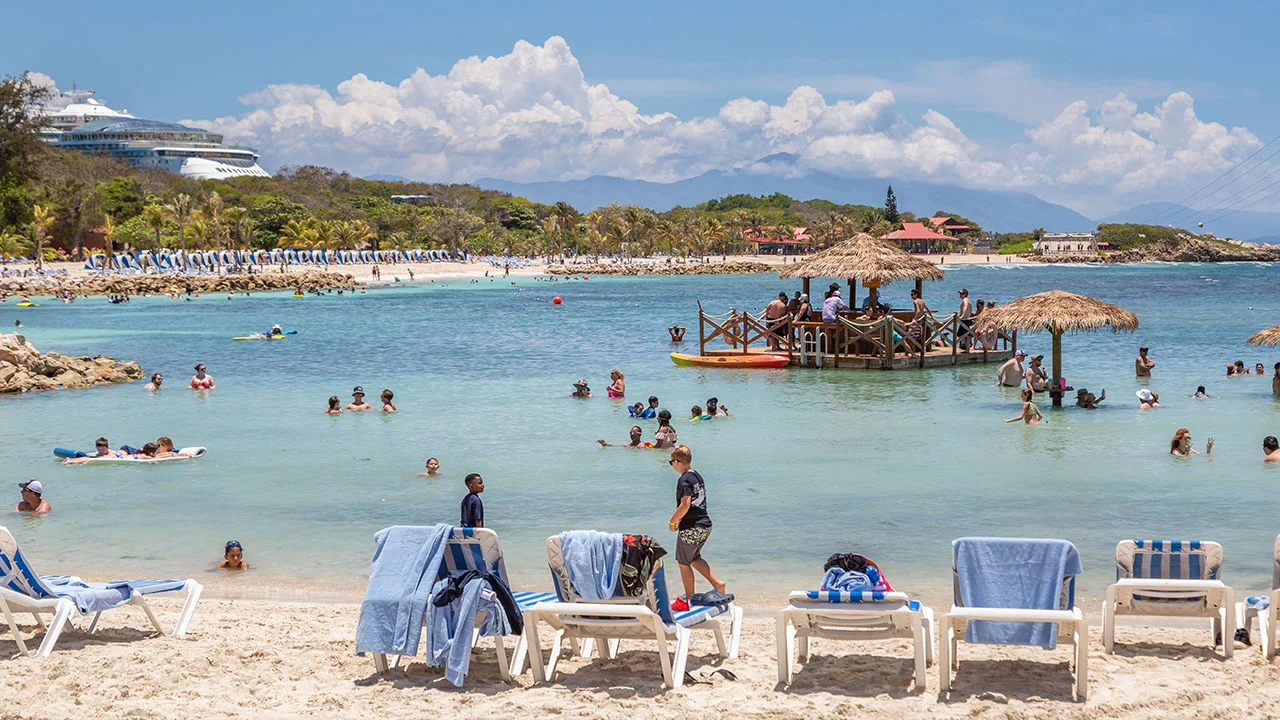
Haïti is blessed with spectacular natural landscapes, including white sand beaches, mountains and rich biodiversity.

Heritage

Heritage

Haïti has a rich historical heritage, including sites like the Citadelle Laferrière and the Sans-Souci Palace, listed as UNESCO World Heritage Sites.

Culture

Culture

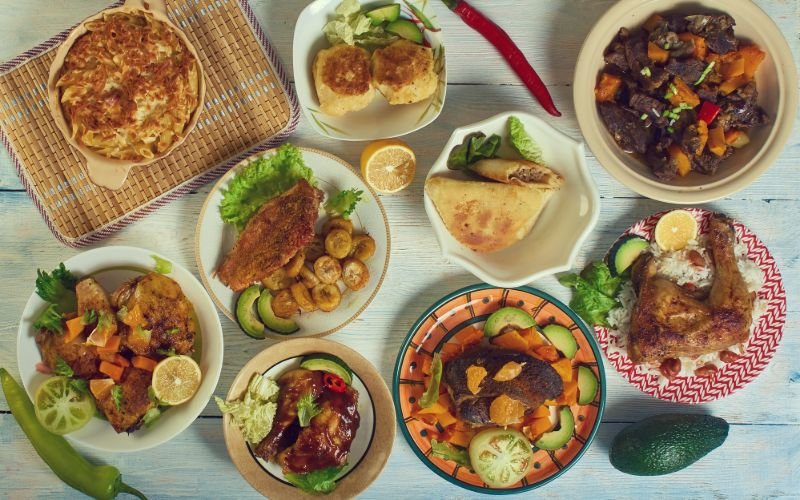
Haïti has a rich and diverse culture, influenced by African, European and indigenous elements. Haitian music, dance, art and cuisine are celebrated around the world.

  • +
    • Post