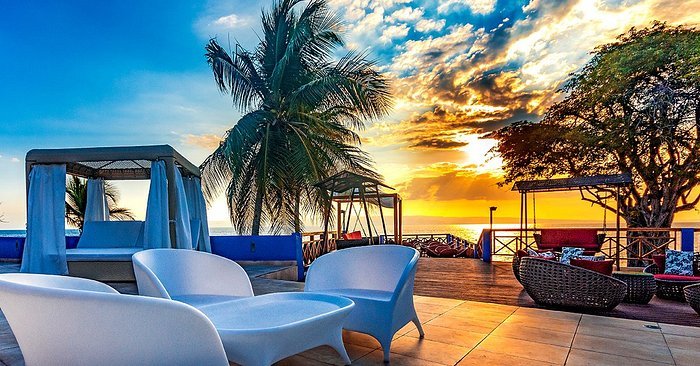


Haiti, a Natural Paradise
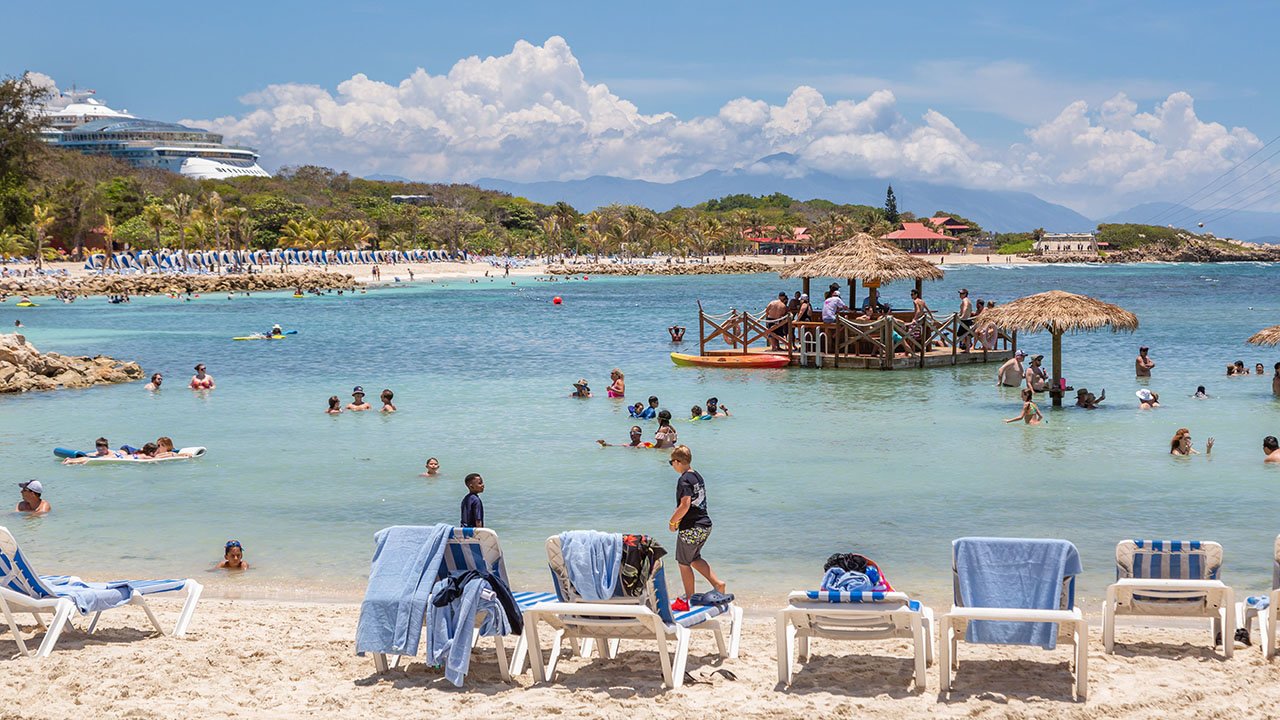
From heavenly beaches to majestic mountains, Haïti is full of natural treasures that enchant visitors in search of tranquility and authenticity. Among the must-sees, we find:
Haiti, a captivating Caribbean island, is a tropical paradise often overlooked by travelers. Between white sand beaches, mountainous landscapes, vibrant culture and fascinating history, this island gem offers a unique and unforgettable experience. If you are looking for an authentic destination, off the beaten track, Haïti is the perfect place for an adventure rich in discoveries. Here is why Haïti deserves its place among the most beautiful places to explore.
Read the article in :
From heavenly beaches to majestic mountains, Haïti is full of natural treasures that enchant visitors in search of tranquility and authenticity. Among the must-sees, we find:

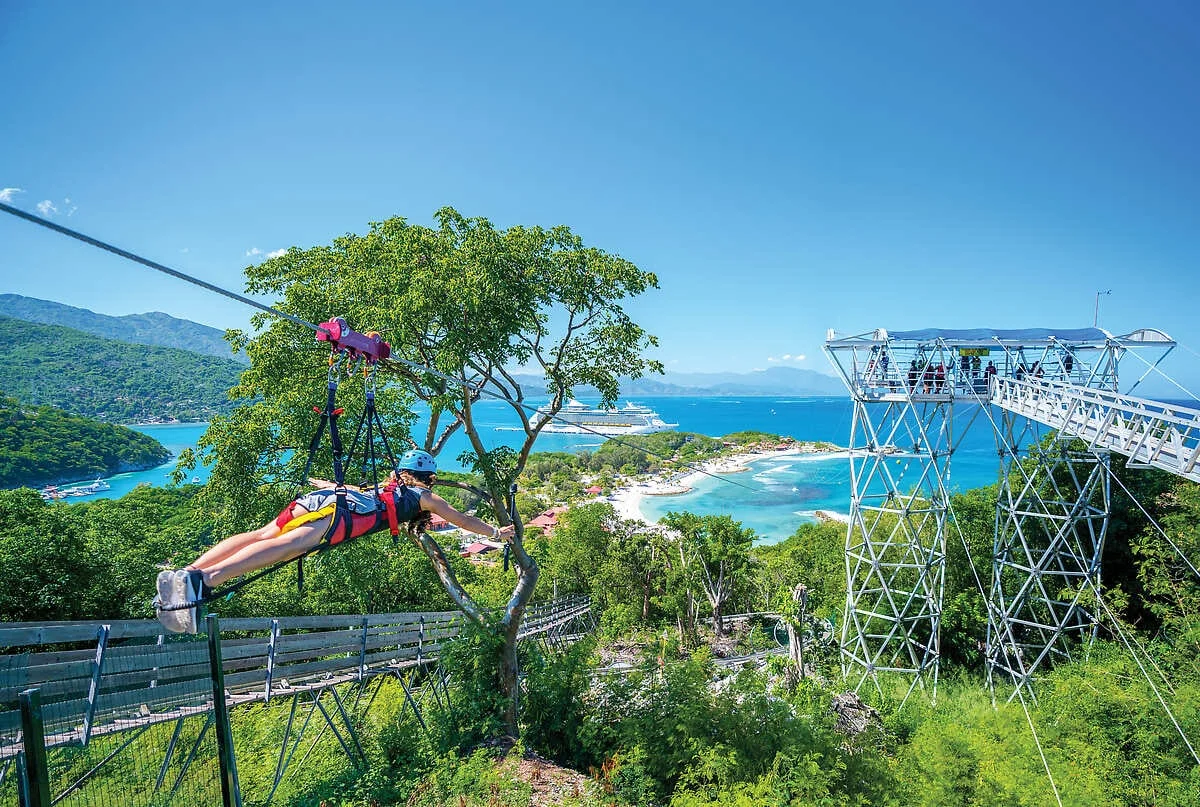
The crystal clear waters of Labadee and the beaches of Jacmel offer dream landscapes, perfect for relaxation and water sports.

This sacred waterfall, nestled in the heart of a lush forest, is a popular place for pilgrims and nature lovers. Visitors discover a mystical atmosphere that connects nature to spirituality.

Ideal for hiking enthusiasts, the Kenscoff Mountains, near Port-au-Prince, offer breathtaking panoramas, with unique flora and fauna that provide an insight into Haitian biodiversity.

Haïti is the first independent black country in the world, with an exceptional historical heritage:

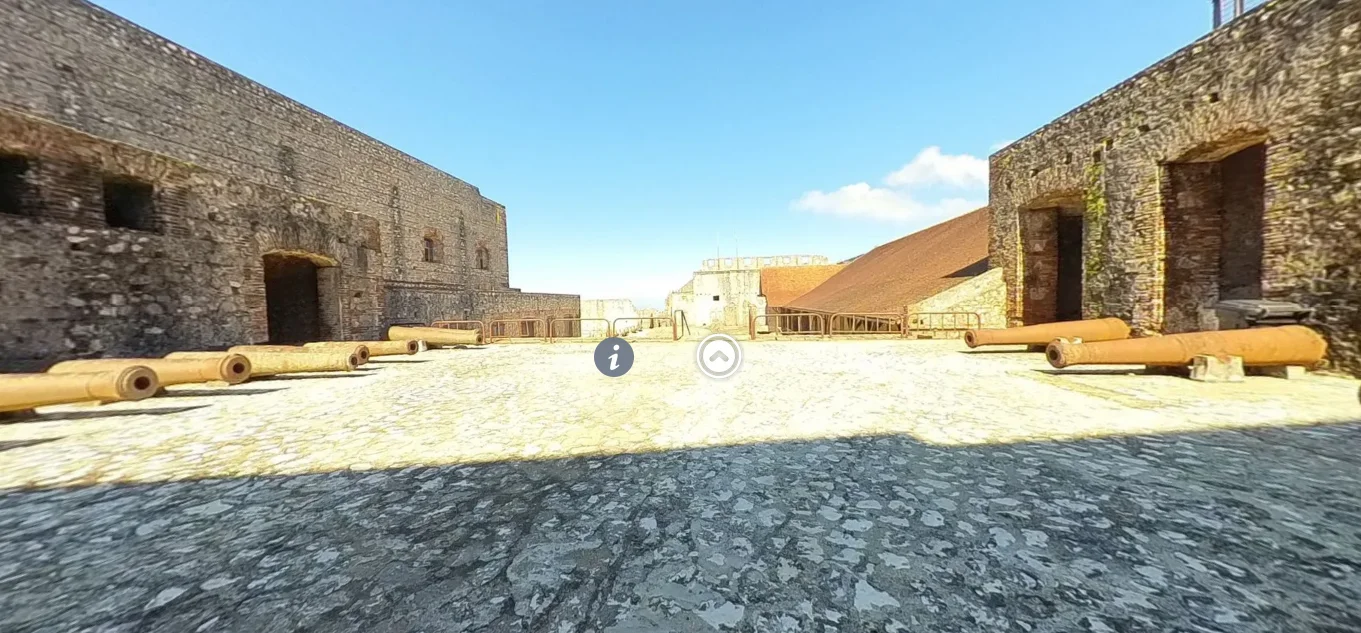
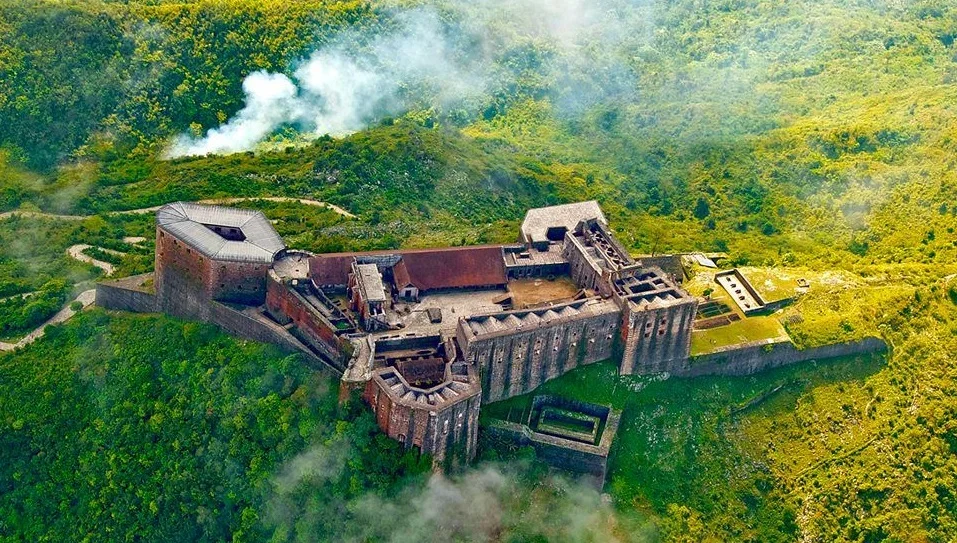
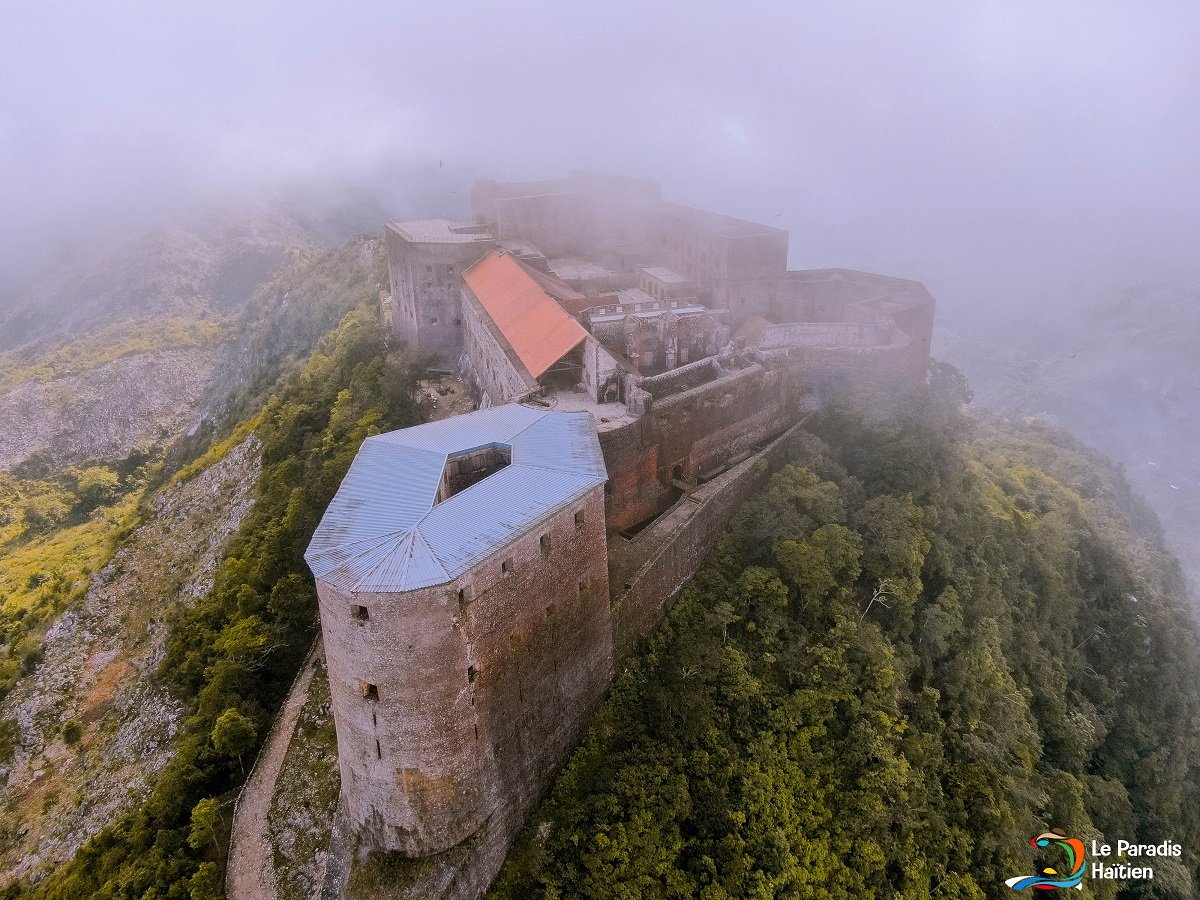
Listed as a UNESCO World Heritage Site, this iconic fortress is a symbol of freedom and resistance. Perched atop the Bonnet-à-l’Evêque mountain, it offers a breathtaking view of northern Haiti.

Located in Milot, this royal palace is often compared to the Palace of Versailles for its grandeur and architecture.

Haitian culture is a fascinating blend of African, European and indigenous traditions. It is expressed through music, dance, religion and art.

This festive event, with its colorful costumes and lively rhythms, attracts visitors from all over the world. Jacmel, a city renowned for its artistic heritage, becomes a place of celebration and celebration of Haitian culture.

Haïti is a country of talented artists, particularly in naïve painting, famous for its bright colors and scenes of daily life.

Haitian cuisine is a true culinary journey that combines African, French and Caribbean influences.

Soup Joumou is an iconic dish in Haitian culture, often served to celebrate Haitian independence on January 1st. This dish symbolizes freedom and resilience. During the colonial era, Haitian slaves were not allowed to consume this soup, considered a delicacy reserved for French colonists. After independence in 1804, Haitians appropriated this soup as a symbol of national pride and freedom.

This marinated and fried pork dish is often accompanied by bananas pesées and pikliz (a spicy cabbage salad). It is emblematic of Haitian cuisine.

Freshly caught shrimp, fish and lobster are often prepared with local spices, offering an explosion of flavors.
To learn more about Haitian cuisine, check out this article: https://haitiwonderland.com/haiti/cuisine/les-delices-de-la-cuisine-haitienne--20-plats-incontournables/24


Facebook : https://www.facebook.com/haitiwonderland
Youtube : https://www.youtube.com/@haitiwonderland
Instagram : https://www.instagram.com/haitiwonderland/
Twitter : https://twitter.com/haitiwonderland
Linkedin : https://www.linkedin.com/in/haitiwonderland/
Music has always been an essential part of Haïtian culture, and among the many genres that have emerged from this Caribbean island, Compas holds a special place. It is a musical style that carries with it the history, cultural diversity and vibrant energy of Haïti. b~Origins and Evolution~b The Compas Haïtien, also known as Kompa, has deep roots in Haïtian and African musical traditions. Its development was influenced by genres such as Dominican merengue, Cuban salsa, jazz and even rock. This fusion of styles has resulted in a distinctive sound that embodies the cultural richness and diversity of Haïti. The Haïtian Compass has evolved over the decades, moving from a more traditional style to more modern and sophisticated forms. Iconic artists such as Nemours Jean-Baptiste and Tabou Combo helped shape the genre and propel it onto the international music scene. b~The Characteristics of the Compass~b Le Compas Haïtien is characterized by its intoxicating rhythm and complex arrangements. Traditional instruments such as guitar, saxophone, drums, and of course, bass, play a crucial role in creating this catchy music. The lyrics, often sung in Haïtian Creole, address varied themes, from love and joy to social and political issues. Dance is an inseparable component of the Haïtian Compass. The irresistible rhythms encourage the dancers to sway to the music. Traditional dance moves, such as "Kompa Direk" and "Kompa Love," reflect the joyful expression and sensuality that characterize this musical genre. b~Global Influence~b Over the years, the Haïtian Compas has transcended the borders of Haïti to conquer the international stages. Haïtian artists helped popularize the genre around the world, bringing with them the warmth and vitality of Haïtian culture. Music festivals dedicated to Compas attract fans from around the world, providing an immersive experience of this catchy music. The Haïtian Compass is much more than a musical genre; it is a standard bearer of Haïtian culture, a mirror reflecting the history, diversity and resilience of the Haïtian people. Discovering the Haïtian Compas means diving into a world of captivating rhythms, passionate dances and captivating stories, while celebrating Haïti’s unique musical heritage. Whether you are a world music lover or simply curious about new experiences, the Compas Haïtien is an invitation to an unforgettable sound journey.
Stéphanie Sophie Louis is the name of this young Haitian woman who is fully committed to the fight for the development of her country. A political scientist, activist, entrepreneur, and speaker, she was born on September 18, 2001, at the University Hospital of Haiti’s State University in the capital of Haiti. She is one of three daughters of her parents. Stéphanie grew up in central Haiti, specifically in the commune of Lascahobas. The key word in this young woman’s life is "commitment"; indeed, from her adolescence, she joined the scouts movement. This experience would serve as a springboard for her to be useful to her community. In 2017, she was even named Scout of the Year for the Central Department. Thanks to her involvement with the scouts, she had the chance to travel across the country early on, organizing summer camps for a children’s association, in various locations across the national territory: from Gonaïves to Les Cayes, passing through Marchand Dessalines, Arcahaie, and Saint-Marc. The young girl she was at that time, with her parents’ permission, was able to cross the entire land of her birthplace, which naturally led to a genuine love for her country, a way of confirming the idea that those who see this country up close always end up falling in love with it.
Subscribe to our newsletter to stay informed of all our activities and news on Haiti.
Haiti, this vibrant and characterful country, is located in a fascinating region of the world. Although many know it as an island state in the Caribbean, one question often comes up: in which continent is Haïti located? This article provides you with the answer while exploring the unique geographical and cultural identity of this jewel of the Antilles.
Nestled in the picturesque coastal town of Jacmel, in southeastern Haiti, Bassin Bleu is a true haven of tranquility in the heart of nature. Its crystal-clear blue waters and imposing rock formations make it a breathtakingly beautiful site, attracting travelers from around the world in search of escape and discovery. The sparkling turquoise waters of Bassin Bleu offer a feast for the eyes, inviting visitors to relax and rejuvenate in this idyllic setting. Whether swimming in its refreshing waters or lounging on its lush green banks, this natural oasis provides a welcome escape from the hustle and bustle of daily life. Surrounded by lush tropical vegetation, Bassin Bleu is home to exceptional biodiversity, with a multitude of unique plants and animals to discover. Hiking enthusiasts can venture along winding trails that meander through the surrounding forest, offering spectacular views of this pristine landscape. As a tourist destination, Bassin Bleu also offers economic development opportunities for local communities. By promoting sustainable tourism, it contributes to job creation, infrastructure development, and the promotion of local culture. Moreover, by raising awareness among visitors about the importance of preserving this fragile natural environment, tourism plays an essential role in its long-term conservation. Bassin Bleu in Jacmel is much more than just a tourist attraction: it is a true natural treasure to be preserved and appreciated. With its stunning natural beauty, remarkable biodiversity, and sustainable development opportunities, this magical place offers an authentic experience for travelers seeking moments of tranquility in the heart of nature.
Haiti, the pearl of the Antilles, is a country rich in history, culture and varied landscapes. In addition to its many attractions, it is interesting to dwell on a fundamental geographical aspect: its area. This article explores in detail the size of the Haitian territory, its geographical importance and its impact on the daily lives of Haitians.

First black nation to free itself from slavery and gain independence from France in 1804 and influenced other liberation movements around the world, inspiring struggles for freedom and equality.

Haïti is blessed with spectacular natural landscapes, including white sand beaches, mountains and rich biodiversity.

Haïti has a rich historical heritage, including sites like the Citadelle Laferrière and the Sans-Souci Palace, listed as UNESCO World Heritage Sites.

Haïti has a rich and diverse culture, influenced by African, European and indigenous elements. Haitian music, dance, art and cuisine are celebrated around the world.