Haiti: Beyond the Clichés, Discover a Country Full of Wealth and Resilience
Haiti, a Caribbean country with a complex history and varied landscapes, is often perceived through clichés that do not reflect the richness and diversity of its culture and people. Too often, we forget to see Haïti in all its grandeur, as a nation with a unique heritage, impressive resilience and untapped potential. In this article, we will break the stereotypes and present you with another side of Haiti, full of beauty, history and hope.
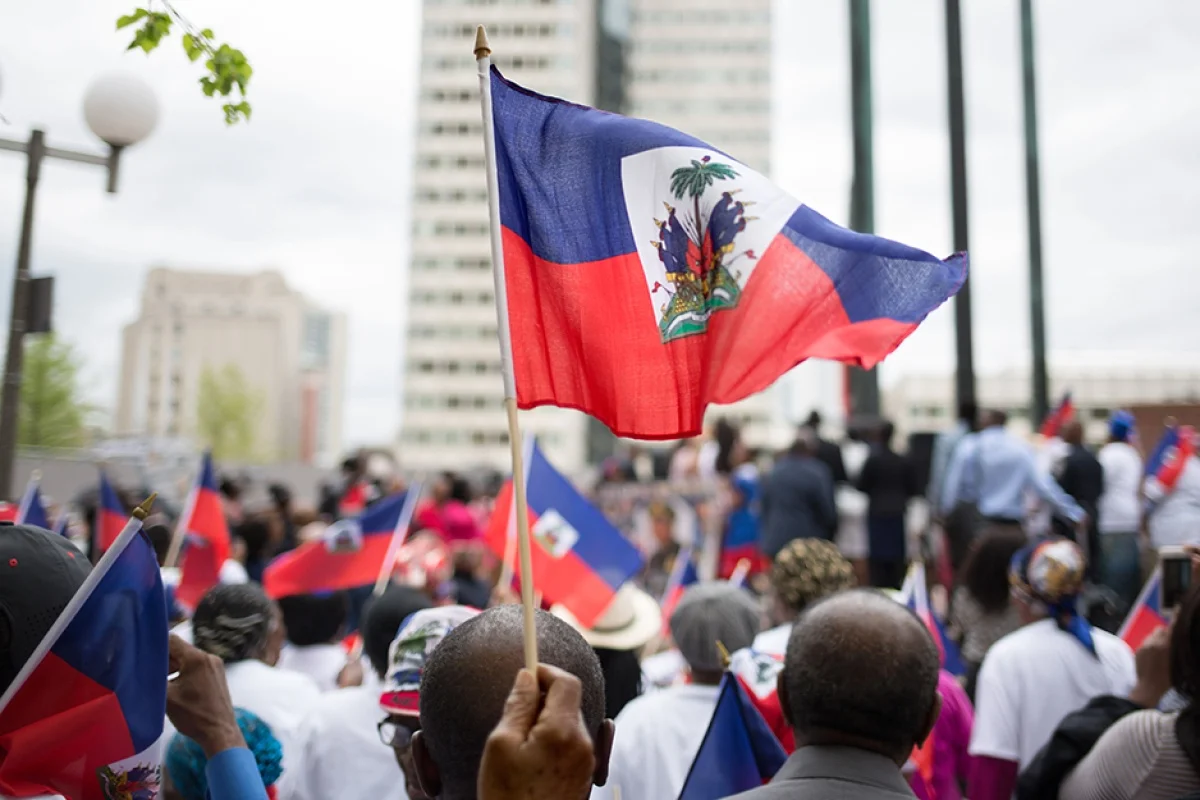
Haïti is a country that carries an exceptional historical heritage. In 1804, Haïti became the first independent black republic in the world and the first country to abolish slavery. This resounding victory marked a turning point in the history of humanity, and Haïti is today a symbol of struggle and freedom.
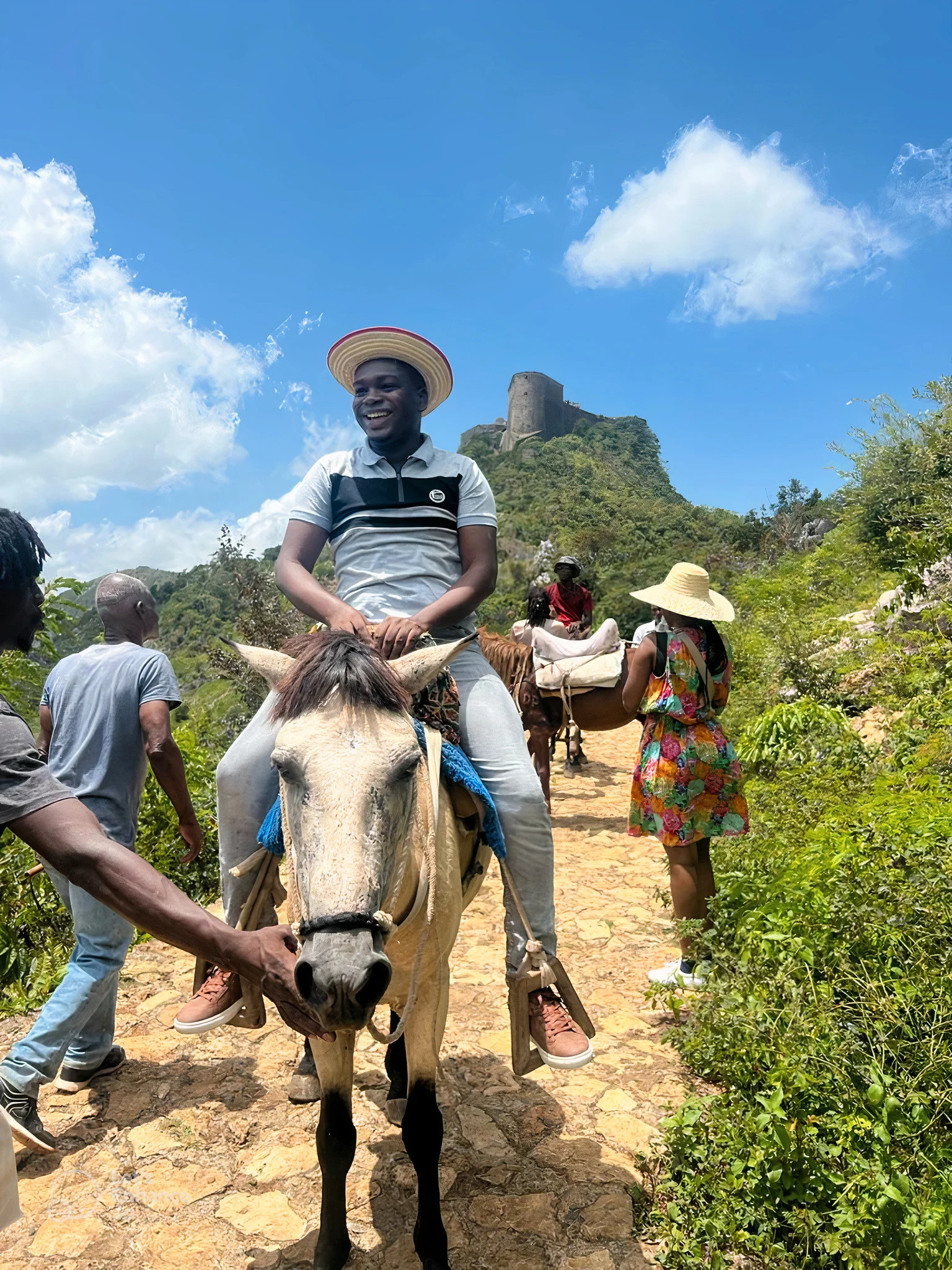
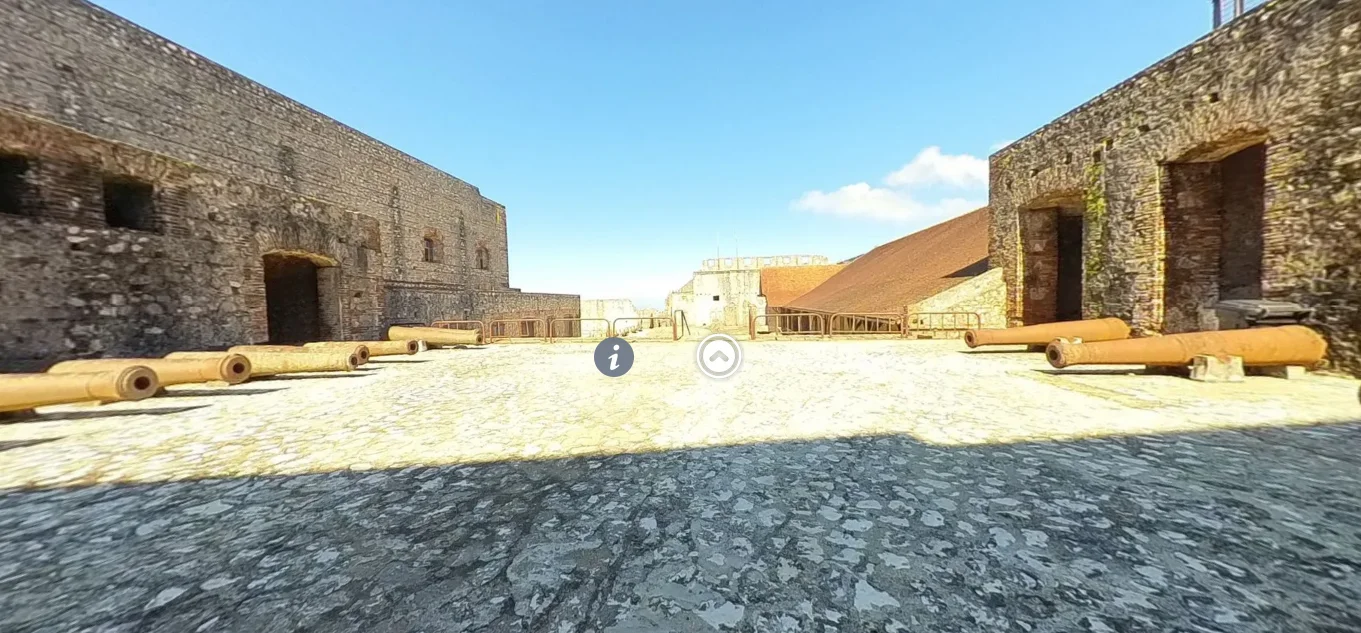
Haiti’s historical heritage can be found in iconic places like the Citadelle Laferrière, one of the country’s most impressive monuments, a UNESCO World Heritage Site, or the Sans Souci Palace, the former residence of the kings of the northern kingdom of Haiti. This revolutionary past remains a central element of the national identity and is celebrated each year on January 1st, during the Independence festivities.
Haitian culture is a true blend of African, European and indigenous traditions, manifested through music, dance, cuisine, and much more. Haitian music, with genres like compas, rap Kreyol and rara, is the soul of the country, accompanying every moment of daily life. Music festivals, such as the Jacmel Carnival, attract thousands of visitors each year.
Haitian cuisine, on the other hand, is a tasty blend of indigenous, African and European influences. Iconic dishes such as griot, chicken with nuts, or djon djon rice offer you a unique taste experience. Traditional drinks, such as cremas or akasan, are also staples of the local culture.
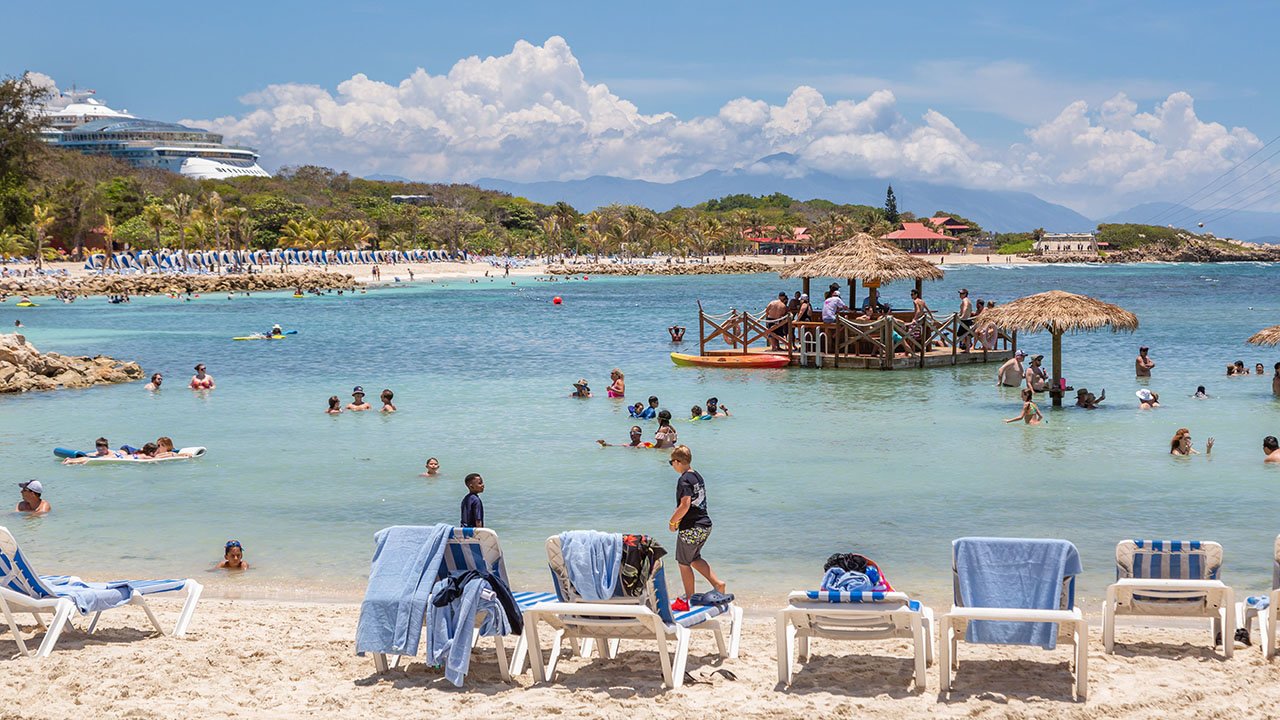
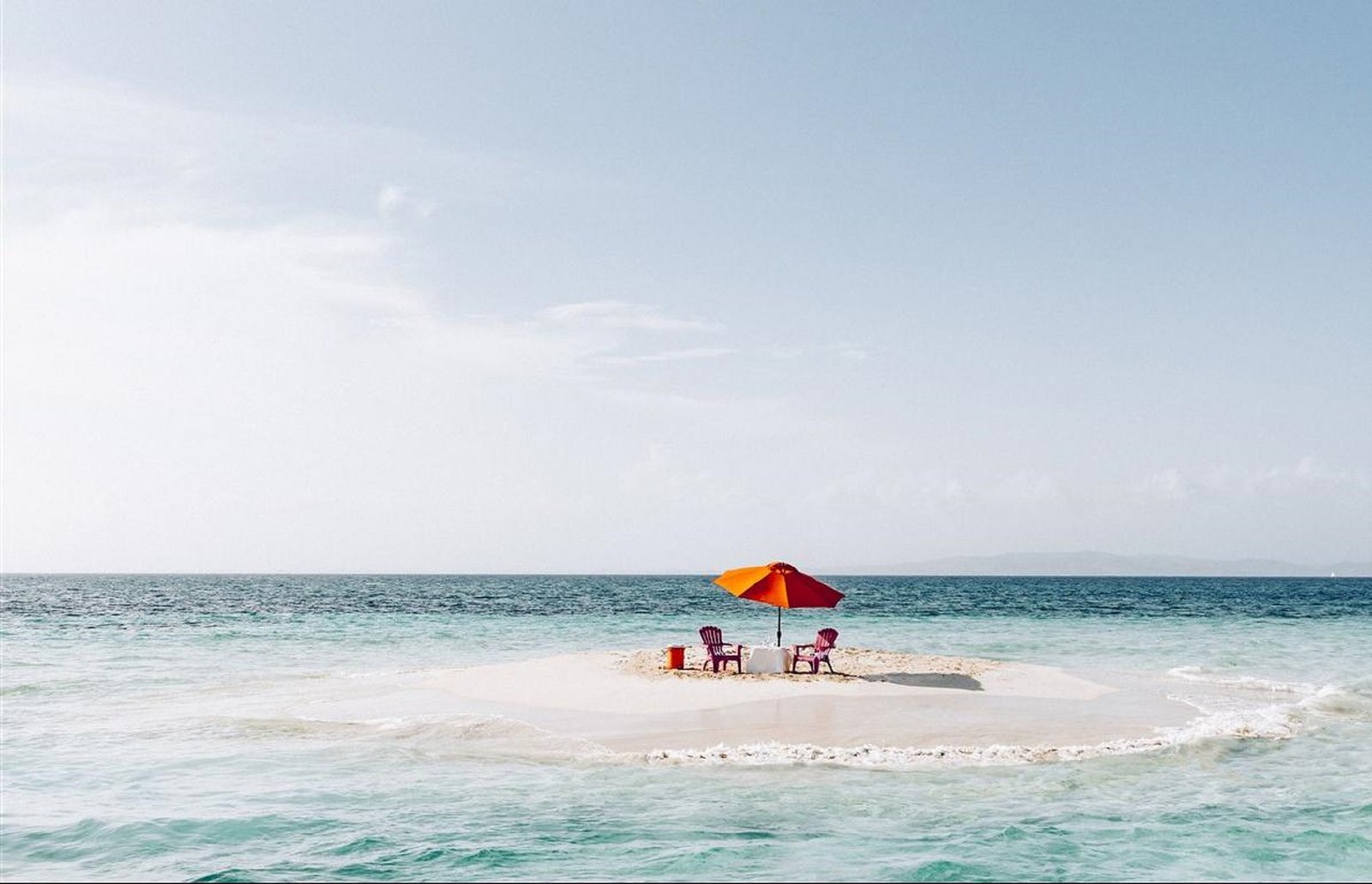
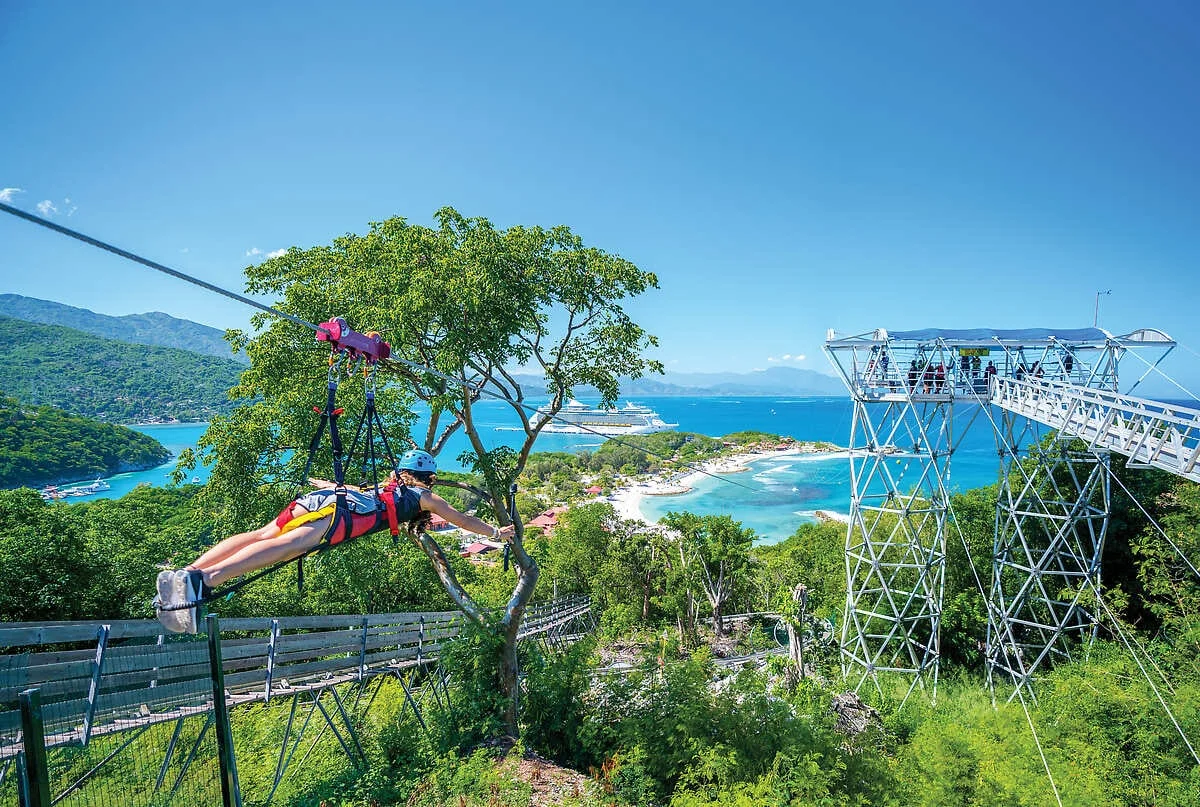
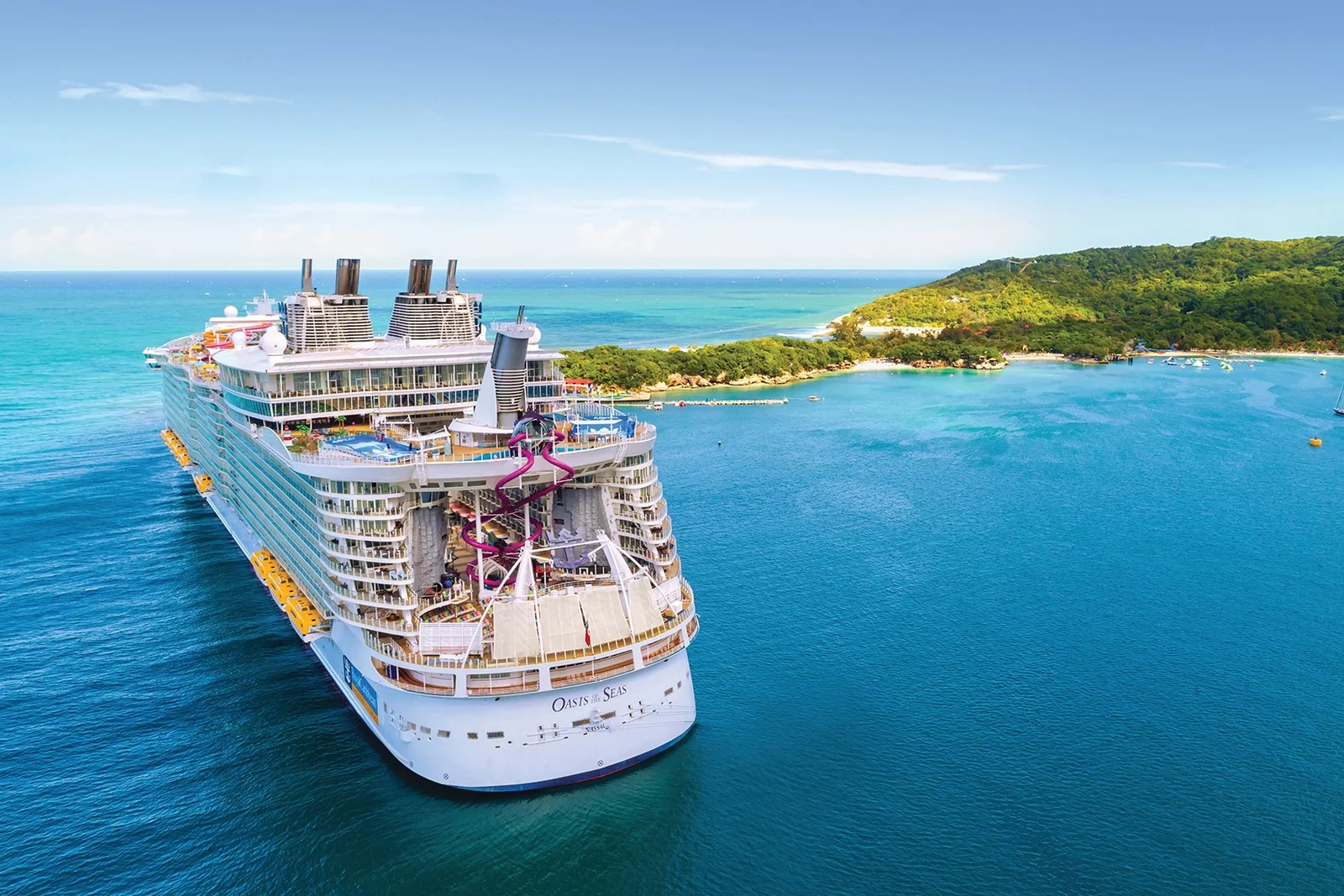
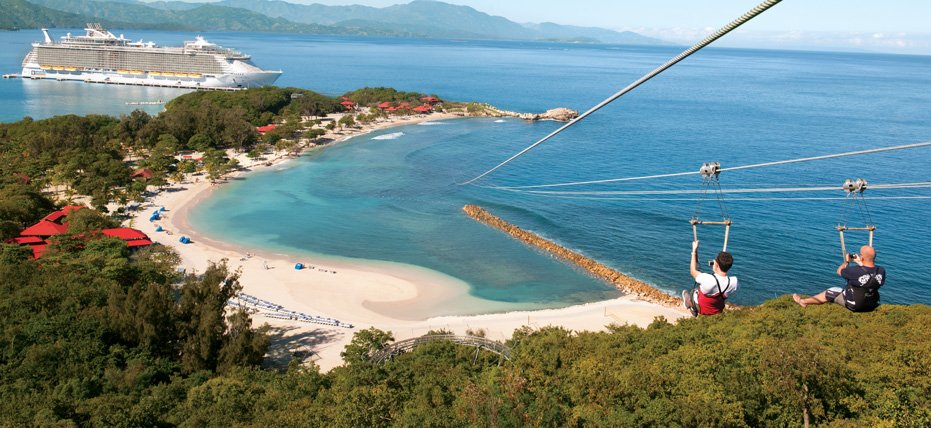
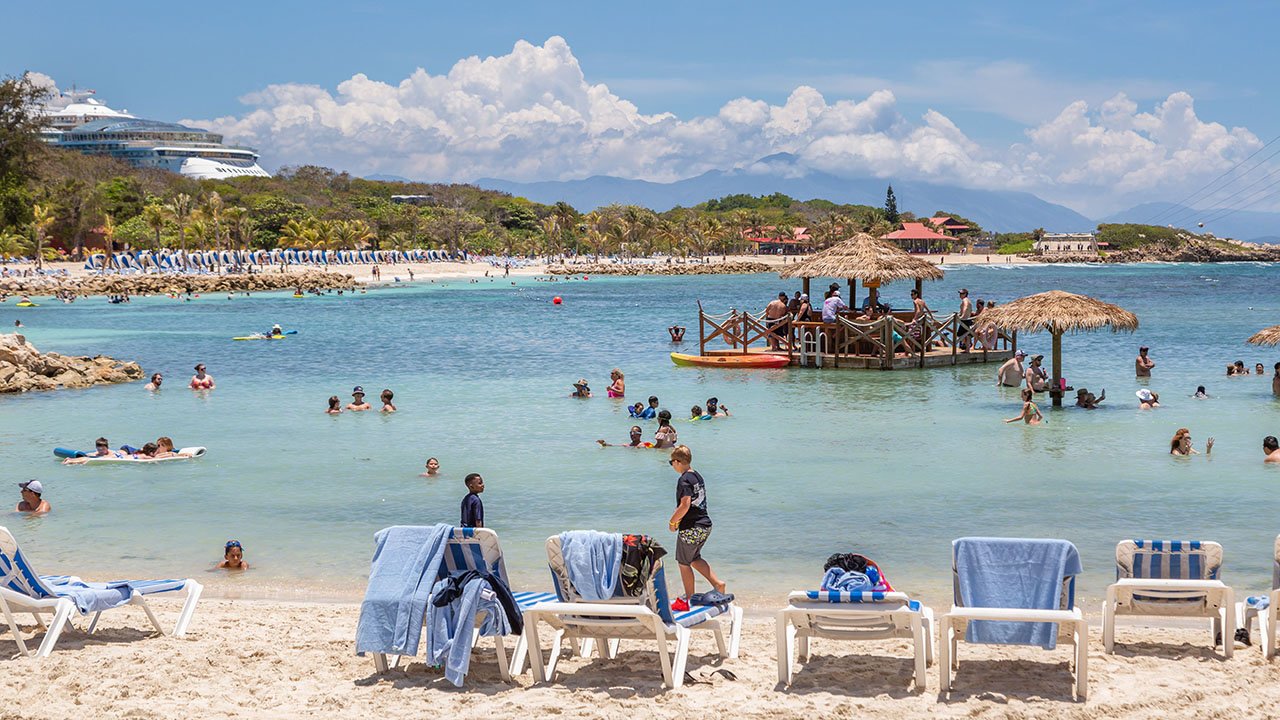
Haïti is not only a land of history and culture, it is also a true natural treasure. The country is full of heavenly beaches, such as those of Labadie and Île à Rat, ideal for moments of relaxation. Bassin Bleu, a magnificent waterfall surrounded by lush vegetation, is a must-see place for nature lovers.
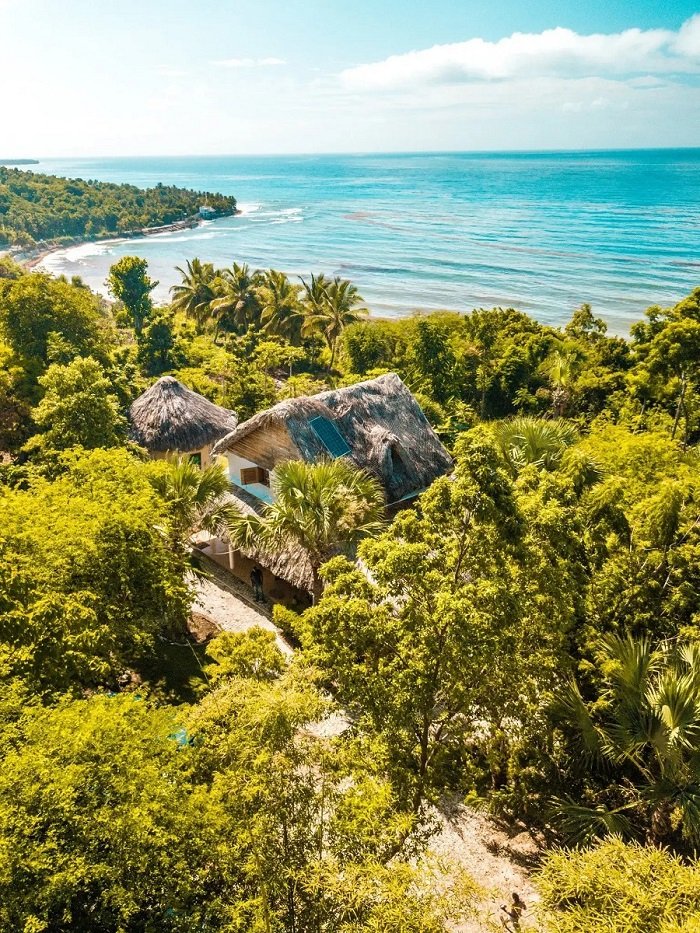
Haitian landscapes vary between majestic mountains, fine sandy beaches and tropical forests. The Montagne Noire, the Massif de la Selle and the Southern Peninsula offer spectacular panoramas that make Haïti a fascinating place to explore. In addition, Haïti is home to an impressive biodiversity, with unique animal and plant species.
Despite the many challenges the country has faced, including natural disasters, economic crises and political instabilities, the Haitian people have shown extraordinary resilience. Indeed, after each crisis, Haïti gets back up and continues to move forward with hope.
The 2010 earthquake, which devastated a large part of the country, is an example of this. Despite the massive destruction, Haïti has shown the world the strength of its solidarity and community spirit. The population has been able to rebuild, rethink its infrastructure and continue to move forward.
Beyond the challenges, Haïti has enormous economic potential. The country has abundant natural resources, such as minerals, fertile agricultural land, and beautiful beaches that can become growth engines for tourism. The agricultural sector, although still underdeveloped, has enormous potential to feed the population and export internationally.
In addition, Haïti is increasingly attracting investors in sectors such as renewable energy, sustainable tourism, and the agri-food industry. If political and economic conditions improve, Haïti could become a regional leader in innovation and sustainable development.
Haïti is much more than a country with images often distorted by the media. It is a vibrant place of culture, a land of struggles for freedom and equality, and a country with immense potential to be realized. Beyond the clichés of poverty and disaster, Haïti must be seen for what it is: a strong, resilient, and hopeful nation.
Whether you are passionate about history, culture, nature or the spirit of solidarity, Haïti has something to offer every visitor. Let’s leave the stereotypes behind and discover together this incredible island, which never ceases to surprise and inspire those who visit it.
And you, what little-known aspects of Haïti would you like to share? Feel free to leave your comments and enrich the discussion!
Share
About the Author
Appolon Guy Alain
Appolon Guy Alain
Full Stack Developer, Créatif, expérimenté, passionné des nouvelles technologies et de l’art.
First black nation to free itself from slavery and gain independence from France in 1804 and influenced other liberation movements around the world, inspiring struggles for freedom and equality.
Natural beauty
Haïti is blessed with spectacular natural landscapes, including white sand beaches, mountains and rich biodiversity.
Heritage
Haïti has a rich historical heritage, including sites like the Citadelle Laferrière and the Sans-Souci Palace, listed as UNESCO World Heritage Sites.
Culture
Haïti has a rich and diverse culture, influenced by African, European and indigenous elements. Haitian music, dance, art and cuisine are celebrated around the world.