contact@haitiwonderland.com+509 36184317

Discover

Shopping Cart

What is Summer Like in Haiti? A Hot and Lively Season to Discover

What is Summer Like in Haiti? A Hot and Lively Season to Discover

Summer in Haiti, which generally runs from June to September, is a time marked by sunny days, high temperatures, and a lively atmosphere. If you’re wondering what this season is like in one of the jewels of the Caribbean, here’s what you need to know about summer in Haiti.

Haïti
Haïti
Haïti

A Tropical and Warm Climate

Haïti enjoys a tropical climate, which means temperatures remain quite high throughout the year. In summer, temperatures can reach 32°C to 35°C during the day, with nights that remain warm, often around 25°C. Here’s what to expect during the summer season:

- Average temperature: Summer in Haïti is synonymous with intense heat, especially in coastal areas. On average, temperatures range between 30°C and 35°C. In mountainous regions, temperatures can be slightly cooler, but they are still pleasant compared to the extreme temperatures of other parts of the world.
- Humidity: Humidity can be high in summer, especially in areas near the sea. However, this heat is often mitigated by sea breezes, especially on beaches.
- Rainfall and Thunderstorms: Although summer is the rainy season in Haiti, showers are generally short and intense, often occurring late in the day or in the evening. Thunderstorms are common, but they provide temporary relief from the heat.

Haïti
Haïti
Haïti

The Benefits of Summer in Haiti

Although summer in Haïti can be very hot, it is also a season that offers many benefits for both visitors and locals. Here are a few reasons why summer is a great time to explore Haiti:

Haïti
Haïti
Haïti

1. Beautiful Beaches and Water Activities

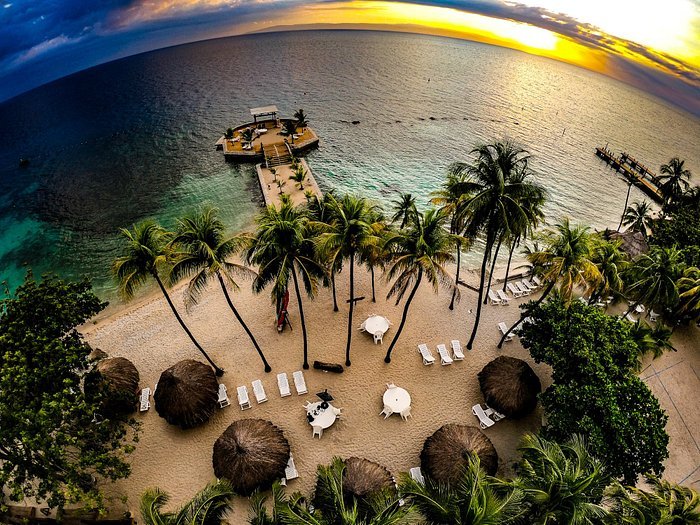
Summer is the perfect time to enjoy Haiti’s beaches. The high temperatures and warm water make this time of year perfect for relaxing on the sand, swimming in the turquoise waters, or practicing water sports. Some of the must-see beaches to visit in summer include:

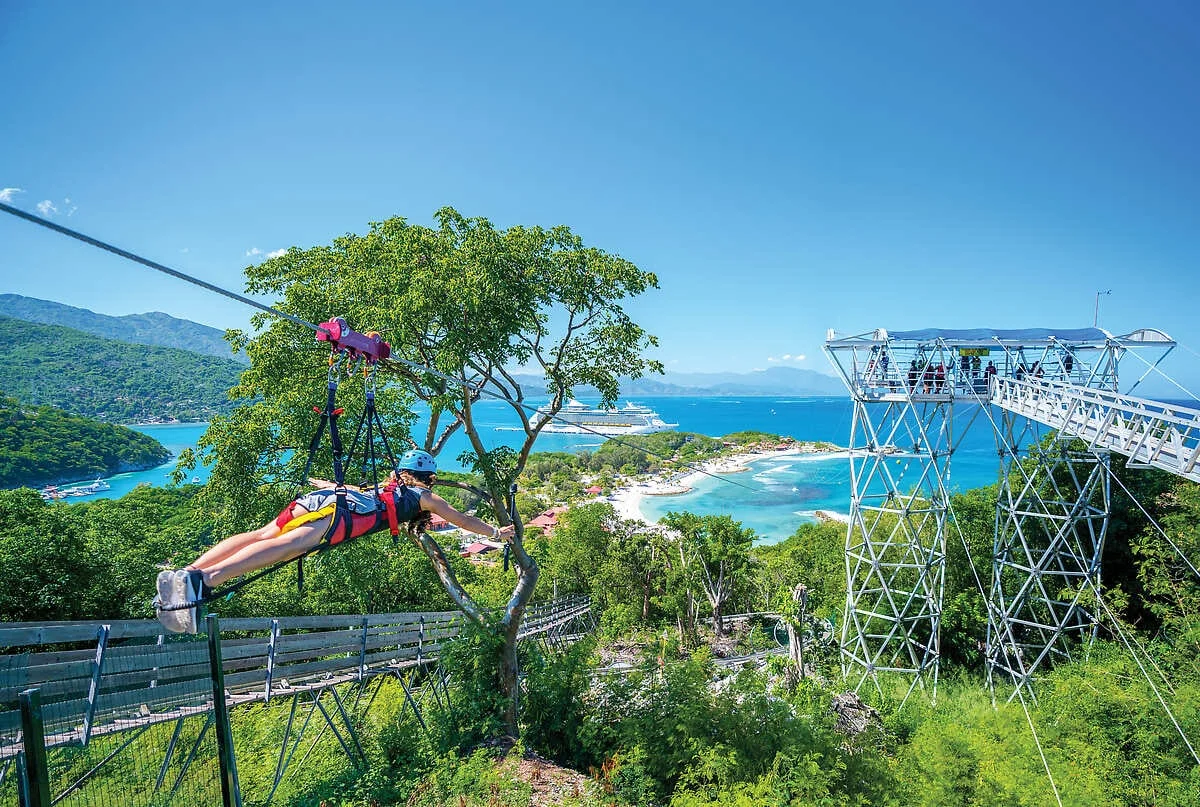
- Labadee: A seaside resort renowned for its heavenly beaches and crystal-clear waters.
- Jacmel: A perfect destination for those looking for less crowded and quieter beaches.
- Côte des Arcadins: Ideal for swimming, water sports, and relaxing with the family.

Summer is also perfect for activities like kitesurfing, scuba diving, kayaking, and other water sports.

Haïti
Haïti
Haïti

2. An Exceptional Summer Carnival

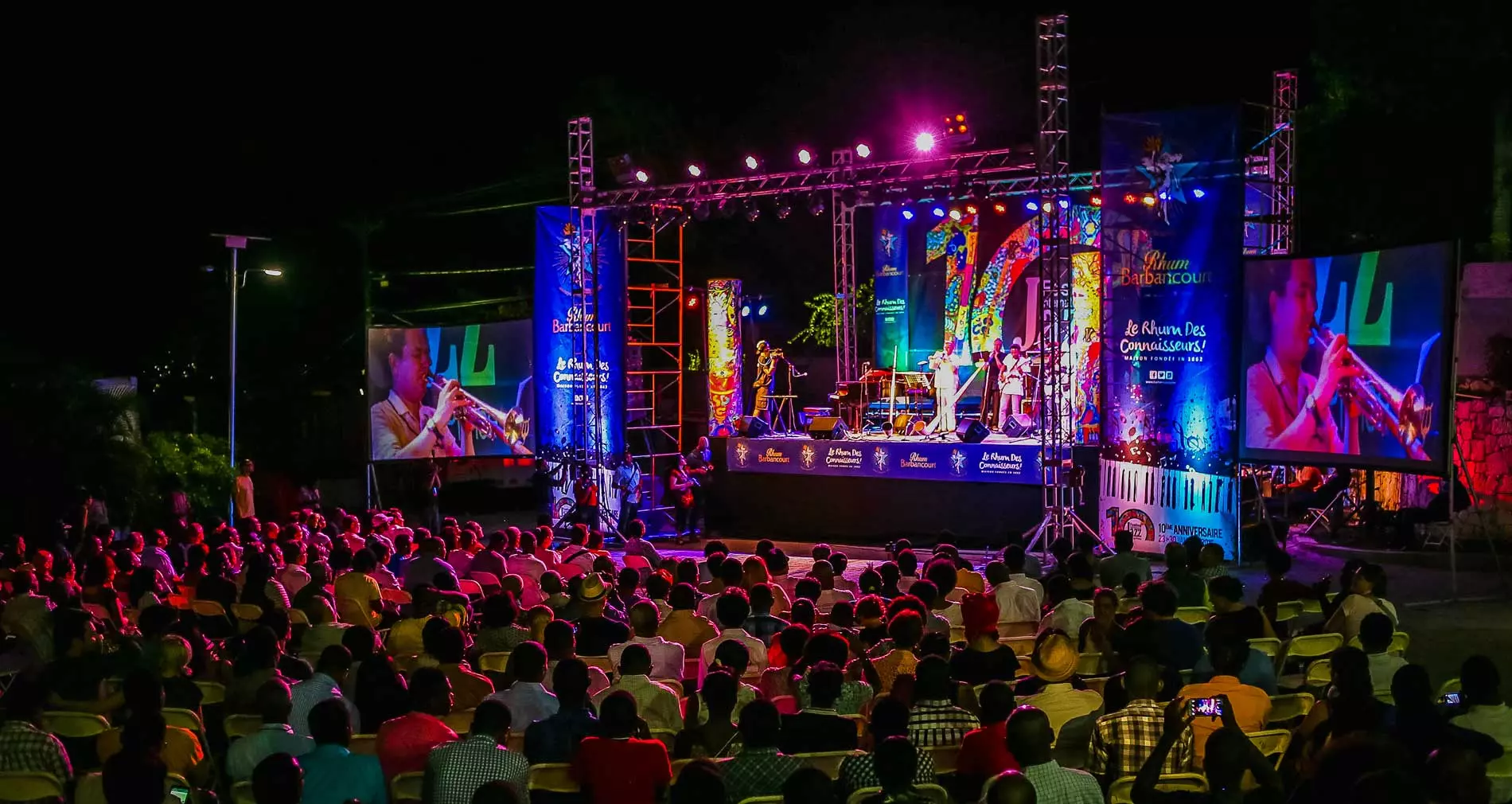
In Haiti, although the main Carnival takes place in February, there are festivities throughout the year, particularly during the summer in some regions. Local festivals, compas concerts, traditional dances, and community celebrations enliven the atmosphere, offering visitors an immersion in the country’s vibrant and festive culture.

Haïti
Haïti
Haïti

3. Explore Nature and the Mountains

Summer is also ideal for adventures in Haiti’s mountains. Areas like Massif de la Selle and Pic la Selle offer breathtaking views, and the summer heat is often offset by cooler temperatures at higher altitudes. Here, you can hike, explore waterfalls like Saut d’Eau, and enjoy the rich local flora and fauna.

Haïti
Haïti
Haïti

Summer Precautions

Despite the undeniable attractions of summer in Haiti, it is important to take certain precautions to fully enjoy this season:

- Protect yourself from the sun: With the heat and intense UV rays, it is essential to wear light but covering clothing, use high-SPF sunscreen, and wear a hat to protect yourself from sunburn.
- Hydrate yourself: Summer in Haïti can be quite hot, so it is crucial to drink plenty of water to avoid dehydration.
- Prepare for showers: Although summer showers are generally short, it is recommended to always have an umbrella or raincoat handy, especially if you plan to do outdoor activities later in the day.

Haïti
Haïti
Haïti

What to Do in Haïti in Summer?

Here are some activities not to be missed if you visit Haïti in the summer:

- Relax on the beaches: Enjoy the warm waters of the Caribbean Sea for swimming, diving, or water sports.
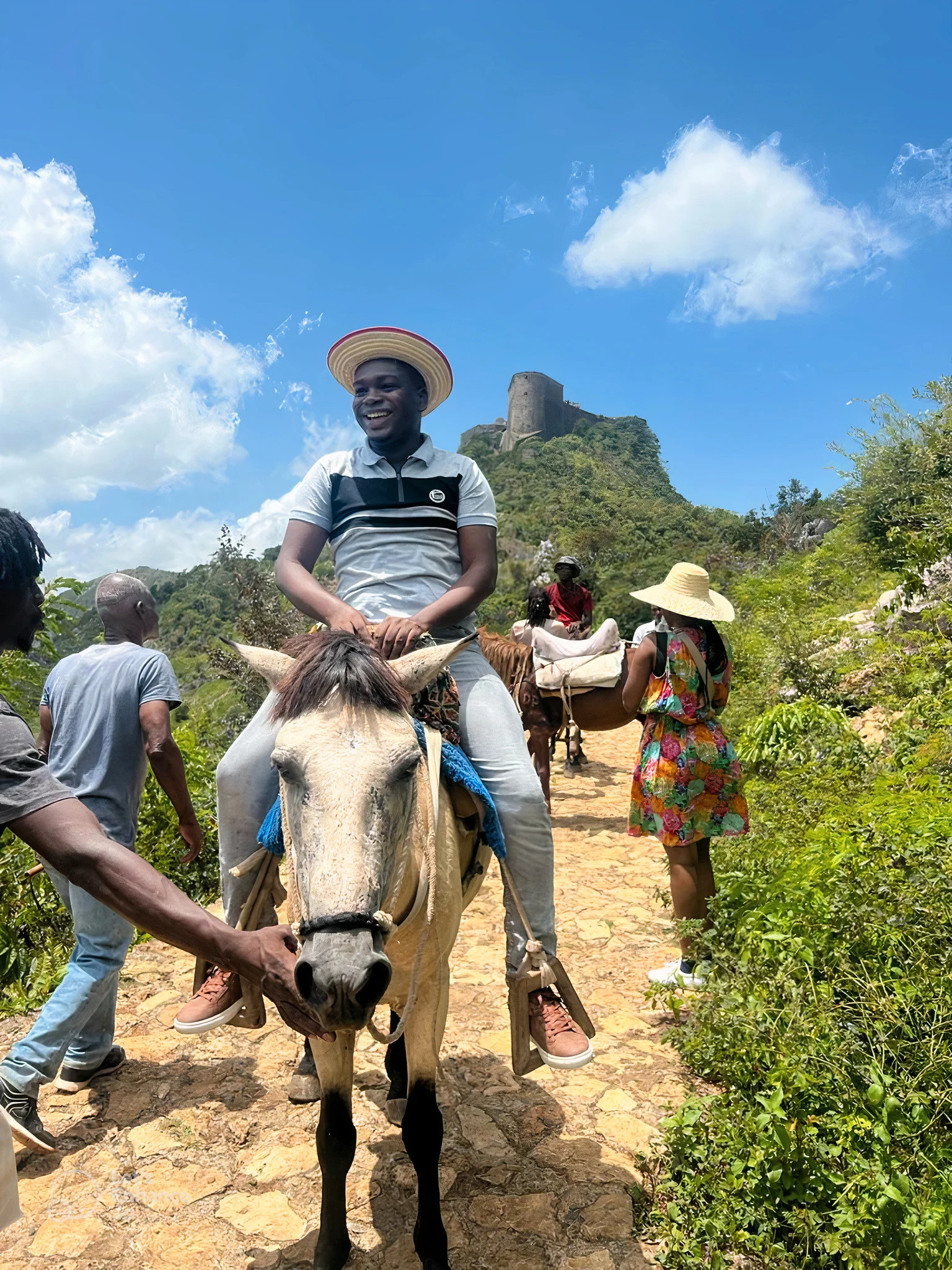
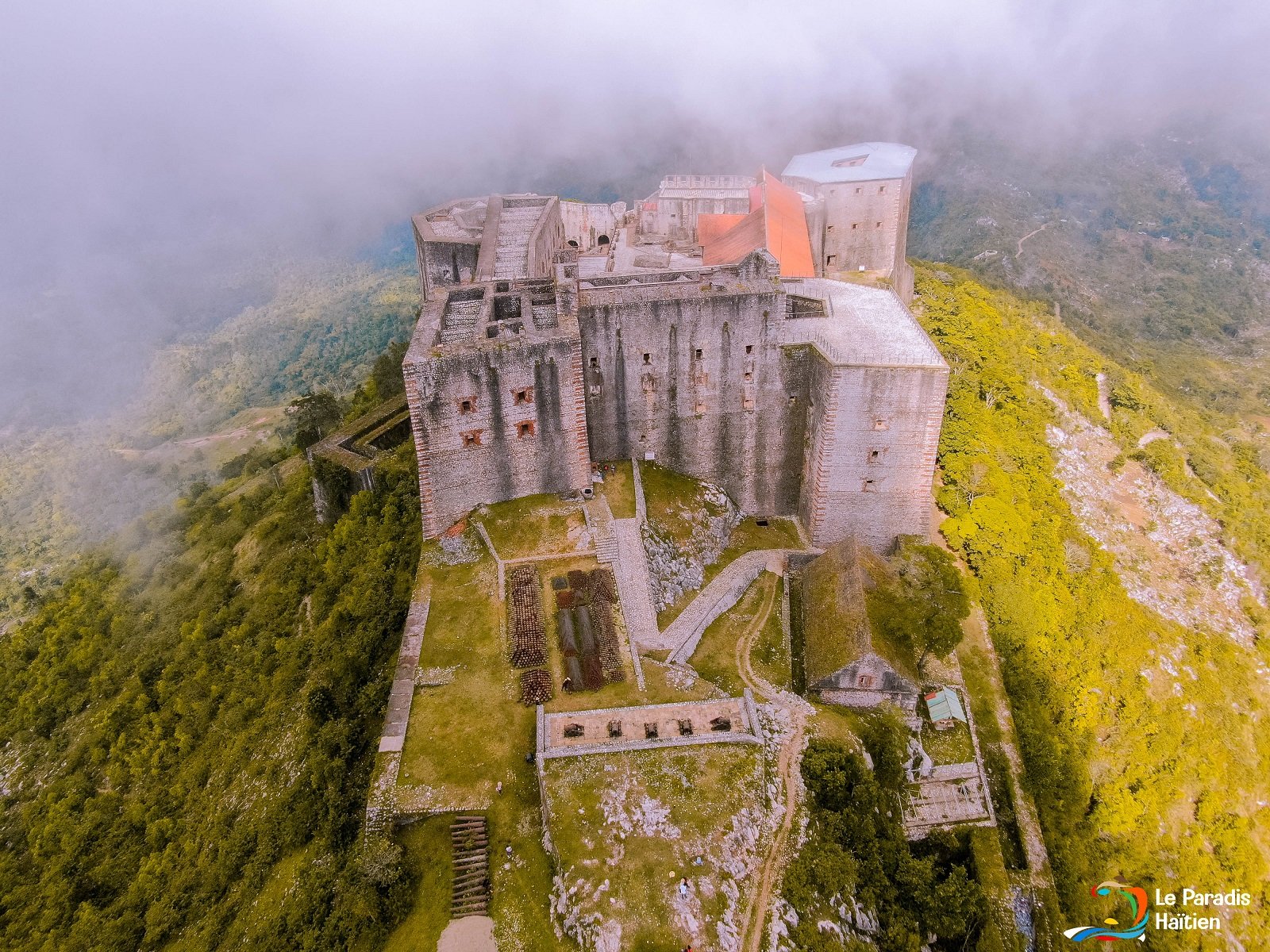
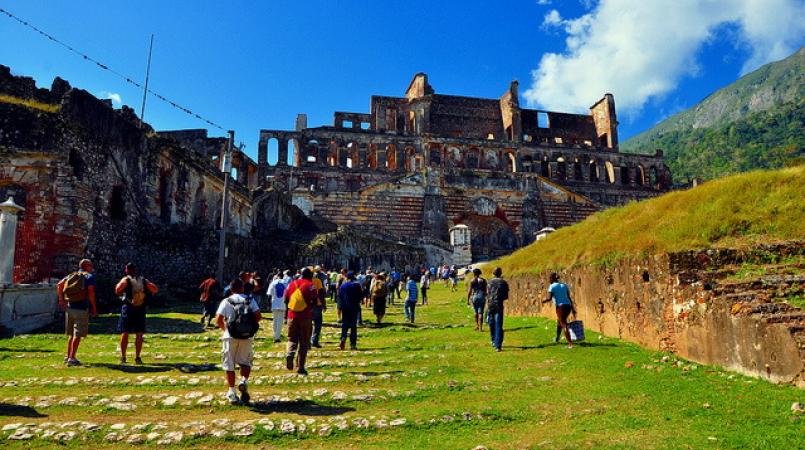
- Cultural tourism: Explore historical sites such as the Citadelle Laferrière, a UNESCO World Heritage Site, or the Independence Memorial in Cap-Haïtien.
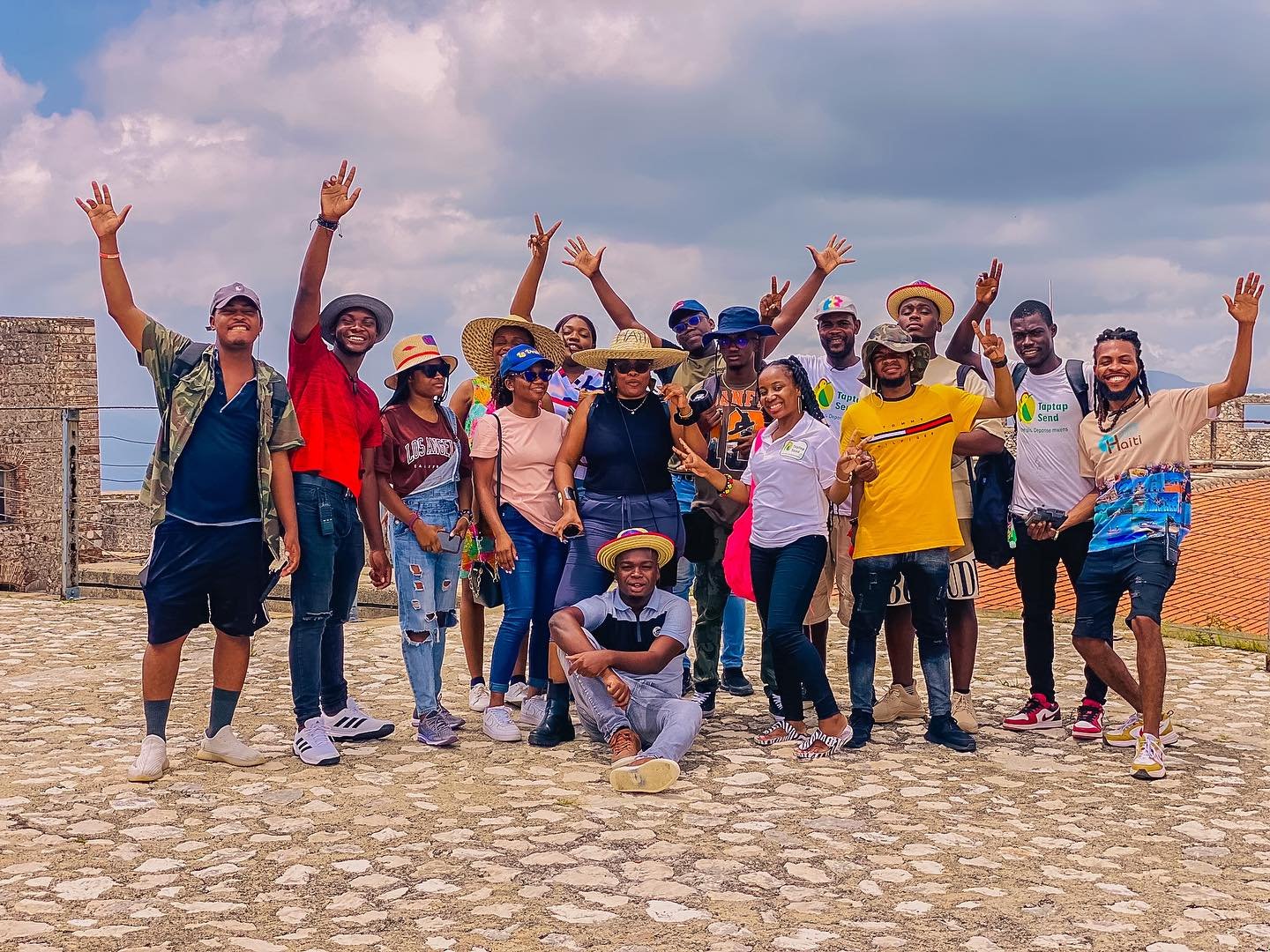
- Participate in local festivals: In the summer, there are often regional festivals, traditional music concerts, and cultural celebrations that allow you to experience Haitian culture in all its forms.
- Hiking and nature exploration: Take advantage of the summer to discover the island’s magnificent natural landscapes, including hiking in the mountains or visiting the botanical gardens.

Haïti
Haïti
Haïti

Summer in Haiti, A Blend of Heat and Culture

Summer in Haïti is a season where heat, sea, and culture collide. With warm temperatures, beautiful beaches, outdoor activities, and vibrant festivities, it’s an ideal time to explore this country rich in history and natural beauty. If you’re ready to brave a warm climate and live unforgettable experiences, summer in Haïti will offer you memorable moments and a warm welcome.

Share
About the Author
Appolon Guy Alain
Appolon Guy Alain
Appolon Guy Alain

Full Stack Developer, Créatif, expérimenté, passionné des nouvelles technologies et de l’art.

See other articles from Appolon Guy Alain
Leave a comment

Recently Posted

Newsletter

Subscribe to our newsletter to stay informed of all our activities and news on Haiti.

Vertières, Fort Mazi: Beyond historical truth;

If you look up the word vertière in a French dictionary, you will not find it for fear that the world does not know this place represents the Achilles heels of the most powerful European army. What’s more, this one had just successfully won the eastern campaign. French historians of the time erased this geographical location from the radar of history because they did not want to tell the story as it is in the sense of explaining the first great humiliation of the expeditionary army French by bands of slaves who were totally ignorant in the art of waging war, much less in the handling of weapons. However, these illiterate wars routed the Napoleonic army, the most powerful at that time, using the means at hand. This expeditionary army, after having brought Europe to its knees, would experience its first rout by slaves in this geographical location, located in the Northern department of Haiti. Funny story, this city is not on the list of French words even though given its historical importance, it should be at the heart of universal history, far from putting an end to the invincibility of the undefeated army army. So as not to offend the white masters, no political leader has ever asked why vertière does not appear in any French dictionary? However, they celebrate this battle with great fanfare every November 18. What historic hypocrisy among our leaders! After Vertière many other historical places are strangled by historians in order to hide the extremes of atrocities of the French colonists on the slaves. It is in this context of historical strangulation that “Fort Mazi” is not mentioned in school history textbooks. This is located in Petit-Goave, 2nd municipal section, Arnoux locality. We came across this mega fort, during a mobile clinic entirely financed by the Ernest Junior foundation, a charitable foundation which works in the social sector, particularly in the field of art and music. According to residents , the oldest in this locality, this fort was built on at least 20 squares of earth by the settlers. It was a huge military complex divided into compartments, outposts, turtle rooms, rooms for treating colonists, a large Catholic church, and a cemetery. However, we never talk about this fort so much so that it is ignored by history teachers in the town of Petit-Goave. Certainly, the desired disappearance of this fort under the radar of history buries the atrocities, the barbarities, the most inhumane punishments of the colonists on the slaves. Looking closely at reality, everything seems true that it is the largest fort ever built during the period of colonization. Moreover, it probably seems the most fortified in relation to its importance. Remember that Vertière only exists in Haitian school history textbooks while Fort Mazi does not appear, much less in French dictionaries or history books. This explains why this fort was a secret place in which the settlers practiced crimes and atrocities that went beyond human understanding. Is it not a clear desire of historians to hide what this immense fort built on at least 20 tiles of earth really was? Discover the history of Haiti: A fascinating story to explore! : https://haitiwonderland.com/haiti/histoire/decouvrez-l-histoire-d-haiti--un-recit-fascinant-a-explorer/81

Here are five compelling reasons why you should definitely visit Haiti’s beaches

1- Abaka Bay (Île-à-Vache): Start your Haitian adventure with the magnificent Abaka Bay, recently named one of the most beautiful beaches in the world by CNN. Located on the enchanting island of Île à Vache, this bay offers a pristine white sand beach and calm Caribbean waters, framed by lush green hills. Abaka Bay Resort offers a truly exclusive and secluded experience, with bungalows located directly on the beach, offering panoramic views and direct access to the fine sand and crystal clear sea. The dining options are equally impressive, with one restaurant offering breathtaking ocean views and epic sunsets. To get to Île à Vache, simply take a 15-20 minute boat ride from Les Cayes, located off the southern coast of Haiti. 2- Île à Rat (Amiga Island): As soon as you set foot on Île à Rat (also known as Amiga Island), this little slice of paradise will steal your heart. Its smooth white sand beach immediately catches the eye, while gentle waves create a dreamy oasis against the pearly shore. Located in the turquoise waters off the coast of Plaine du Nord in northern Haiti, Île à Rat is a 1.8 hectare piece of white coral covered in a small wild forest. The island is a peaceful retreat, especially for couples looking for a serene getaway. To get to Île à Rat, you can take one of the many water taxis waiting in Labadee, a 30-minute drive from Cap-Haïtien. Keep in mind that the island is uninhabited, so it is important to bring everything you need for a comfortable stay, including drinking water. 3- Côtes des Arcadins: Nestled north of the bay of Port-au-Prince, Côtes des Arcadins stretches over 19 kilometers of white sand beaches lined with palm trees, making it one of the most popular seaside destinations from Haiti. The combination of the deep blue sea, mountains, mangrove forests and the coral reef formed by the Arcadins islets creates a breathtaking spectacle. It is also a great place for divers. To get there, follow the road north of the bay of Port-au-Prince. You will be amazed by the natural beauty of this region. 4- Plage de Gelée: This beach is one of the most popular thanks to its crystal clear waters and soft sand, all with a pastoral landscape in the background. If you are looking for a place to relax and soak up the sun, Gelée Beach is a great choice. 5- Jacmel Beach: Although swimming is not recommended here, Jacmel Beach is famous for its picturesque charm and artistic atmosphere. It is located in the historic town of Jacmel, known for its lively carnival and colorful houses. Explore the beach, admire the architecture and soak up Haitian culture. Don’t forget your swimsuit and sunscreen, and enjoy these hidden treasures of Haiti! 🏖️☀️

Recently Posted

History

History

First black nation to free itself from slavery and gain independence from France in 1804 and influenced other liberation movements around the world, inspiring struggles for freedom and equality.

Natural beauty

Natural beauty

Haïti is blessed with spectacular natural landscapes, including white sand beaches, mountains and rich biodiversity.

Heritage

Heritage

Haïti has a rich historical heritage, including sites like the Citadelle Laferrière and the Sans-Souci Palace, listed as UNESCO World Heritage Sites.

Culture

Culture

Haïti has a rich and diverse culture, influenced by African, European and indigenous elements. Haitian music, dance, art and cuisine are celebrated around the world.

  • +
    • Post