Geography of Haiti: Landforms, climate and natural regions.
Haiti, an independent republic since 1804, is a country located in the Caribbean, precisely in the Gulf of Mexico. Occupying the eastern part of an island that it shares with the Dominican Republic, it extends over an area of 27,750 square kilometers. Famous for its tropical climate and tourist attractions such as Labadie, Cocoyer Beach, the Citadel and the Sans Souci Palace, the country attracts visitors from all over the world. Its diverse landscape includes impressive mountainous terrain as well as coastal plains which play an important role in its economy. Among its natural attractions are the majestic Massif de la Selle and inland fishing areas such as Lake Azuei. Despite its natural wealth, Haïti faces major economic challenges, including deforestation and land degradation, which hamper its sustainable development.
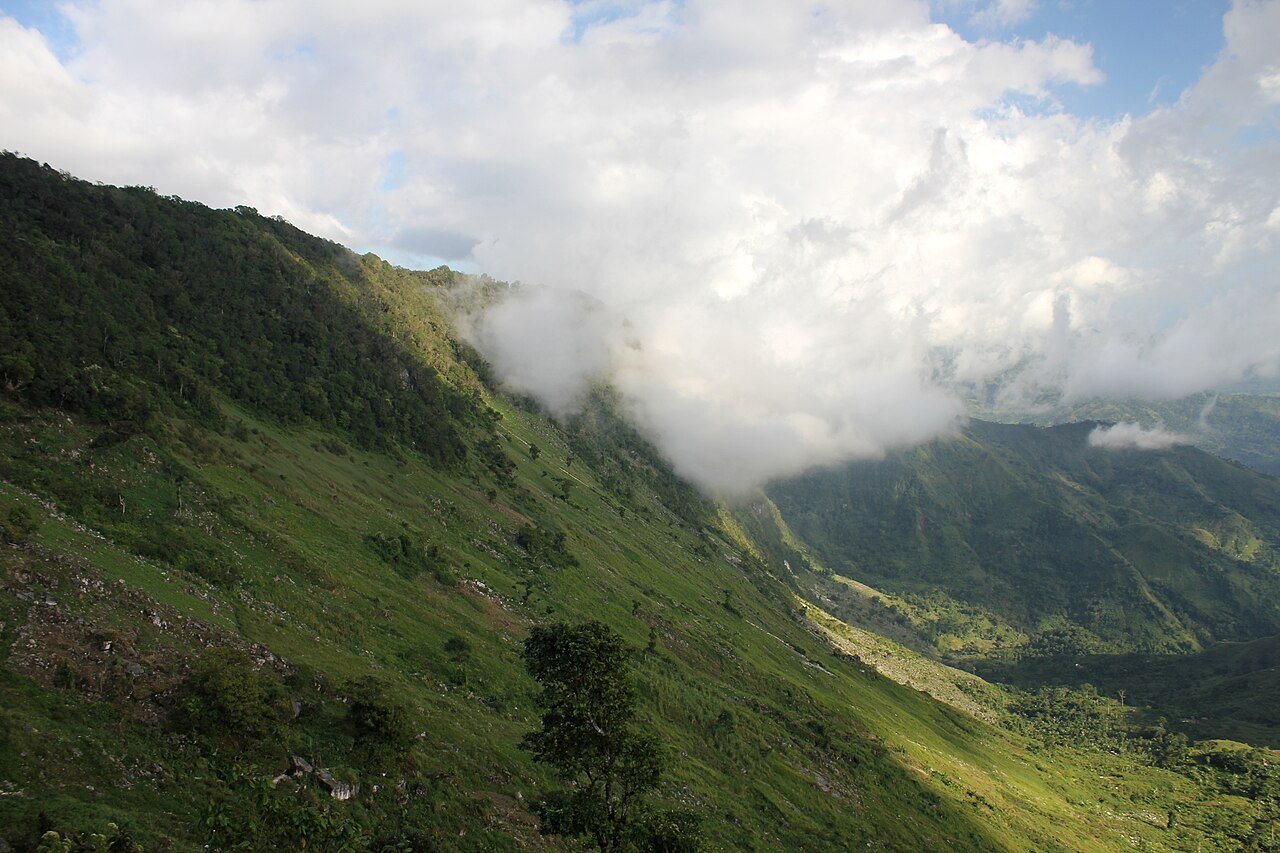
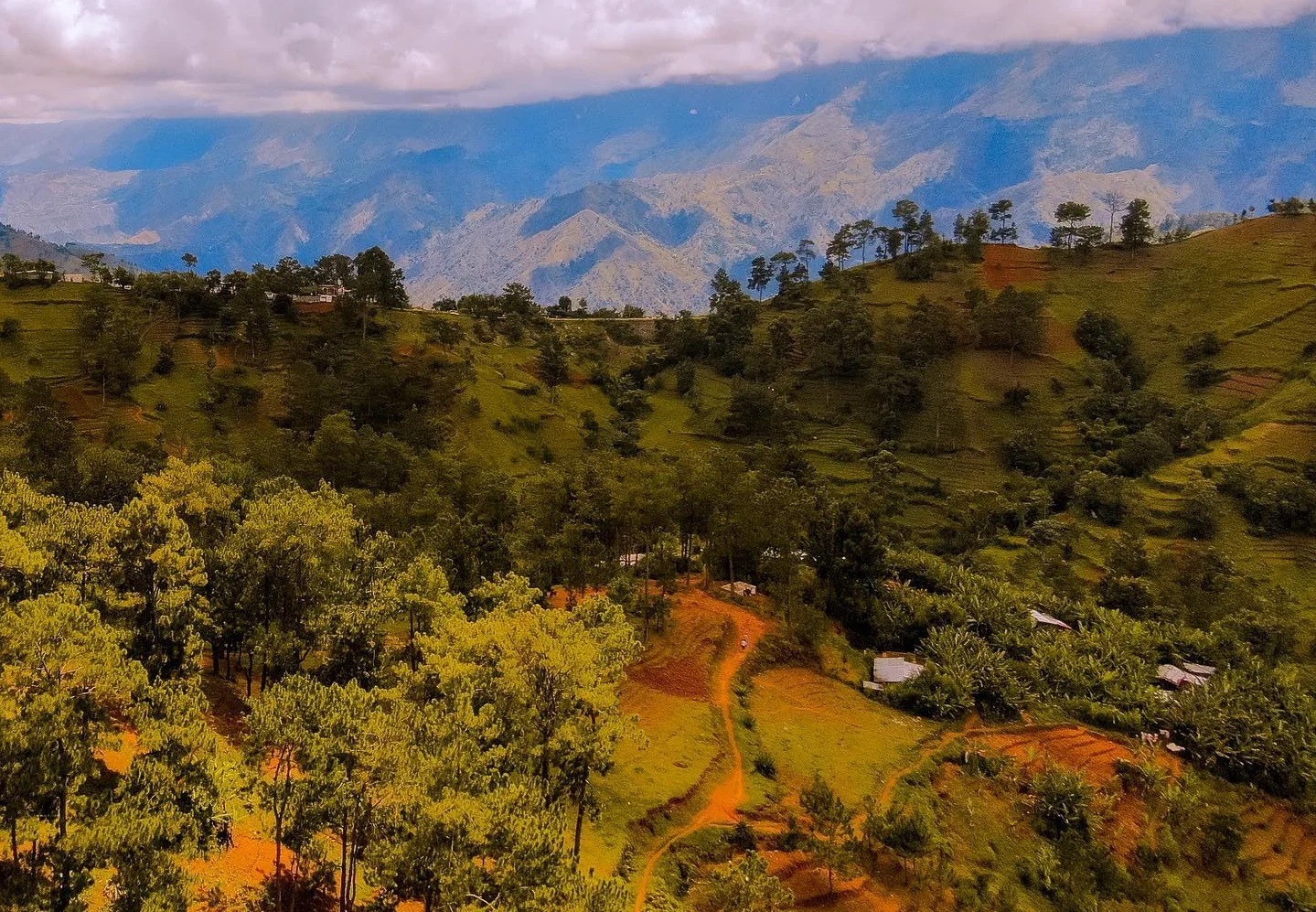
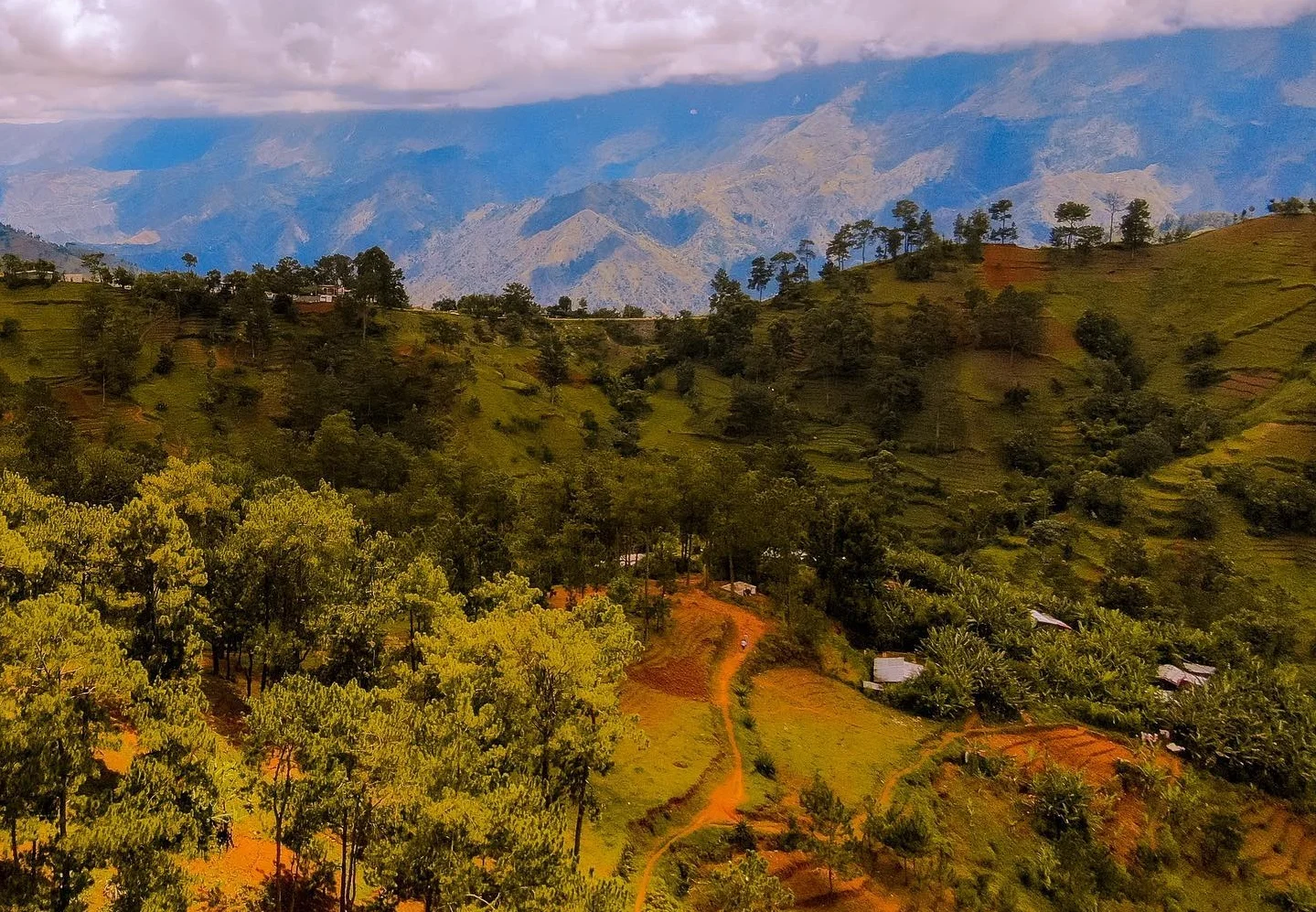
Haiti, formerly called Quisqueya or Bohio by its first inhabitants, means "mountainous land". This name perfectly reflects the rugged relief of the country, more complex than that of the Dominican Republic. Its shape, evoking two arms directed towards the west, is divided into two distinct peninsulas: the short North-West peninsula, with a broad base, and the long and narrow southern peninsula. It is dominated by mountain ranges, massifs and real cordilleras, separated by plains or synclinal valleys. Among these ranges, the southern ranges, located in the Southern Peninsula, include the Hotte massif to the west and the Selle massif to the east. These mountains, the highest in the country, peak at 2,680 m at La Selle peak and 2,405 m at Macaya peak, in the heart of the La Hotte massif. The central and northern ranges, for their part, are separated from the southern ranges by the Cul-de-Sac plain, a low-lying tectonic depression, approximately 50 m above sea level.
From south to north, we find the Matheux chain and the Trou d’Eau mountains, which form a single geological entity with arbitrary borders. Further north, the Northwest Mountains and the Newfoundland Massif form the backbone of the Northwest Peninsula, taking the shape of a convex arc toward the north. Coastal plains, such as the Jean Rabel Valley to the north and the Plaine de l’Arbre to the south, separate these mountains from the sea. At the western end of this massif is the Bombardopolis Plateau, a formation of reef limestones quaternaries emerging at around 600 m altitude. The North-West mountains reach a maximum altitude of 1,006 m at Piton Sondé. To the east, the Northern massif is bordered by the Northern plain, an extension of the Cibao valley in the Dominican Republic, separated from the sea by a coastal range, the Cape Mornes.
The plains of Haiti, mostly located by the sea and home to numerous beaches, occupy an important place in the country’s landscape and economy. To the north, these plains include the Plaine du Nord, the Trois-Rivières valley, the Plaine des Moustiques, the Plaine de l’Arbre, the Plaine des Gonaïves, the Plaine de l’Artibonite, the Plateau Central and the Plaine de l’Arbre. ’Arcahaie. The Cul-de-Sac plain separates the North and South mountains, where the Léogâne plain, the Baconnois plain, the Grand’Anse valley, the Cayes plain, the Fonds-des-Plateau are located. Negroes and the Jacmel valley. The main rivers which irrigate its regions and support agriculture and economic activities are the Grise River, the Blanche River, the three rivers and the Artibonite River.
The Republic of Haiti, entirely located in the tropical zone, presents a characteristic climate moderated by two elements: its coasts and its marked relief. These factors contribute to climatic variations depending on geographic location. Moving away from the coasts and rising into the mountain ranges that border them, climatic conditions naturally soften, thus offering a diversity of microclimates across the country.
Throughout the year, the sea temperature in Haïti remains consistently warm, varying slightly with the seasons. On the north coast, this temperature oscillates between 26°C from February to April and 29°C from July to October, while in Port-au-Prince, it is slightly higher. This thermal stability constitutes a central element of the Haitian climate, influencing the economic and social activities of the country, in particular seaside tourism and fishing.
In terms of tourism, the ideal time to visit the capital and south-central Haïti is from December to March, when climatic conditions are more favorable. On the north coast, where rains are abundant until December, it is recommended to plan your visit between January and March to avoid excessive rainfall. Despite a climate conducive to beach activities during the winter, Haiti, facing socio-economic challenges and limited infrastructure, still cannot offer an optimal tourist experience.
The hurricane season, which runs from June to November, is a delicate period in Haiti, as throughout the Caribbean region. Although they do not necessarily directly affect every region, they remain a potential danger and can cause considerable damage. The months with the highest risk are generally August to October. Despite the presence of natural hazards, tourism remains an important component of the Haitian economy, and visitors are encouraged to plan their trips based on weather forecasts and advice from local authorities.
Haiti’s natural resources, essential to all productive activity, include a diversity of elements that support the economy and society. We find solar radiation, air, water in all its forms, soils and plant and animal biomass, as well as mineral and organic substances contained in the subsoil. They constitute the natural capital of the country, already discovered, not economically evaluated and exploitable under current technical and economic conditions. Primary productive activities such as agriculture, livestock, fishing and mining under harsh conditions derive their raw material and energy directly from these natural resources.
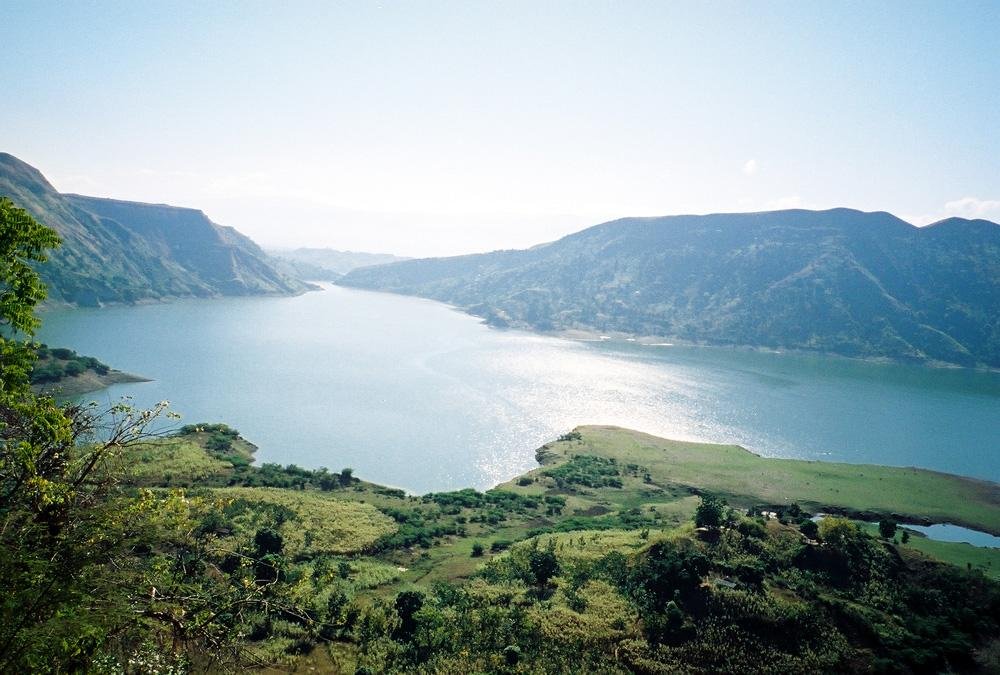
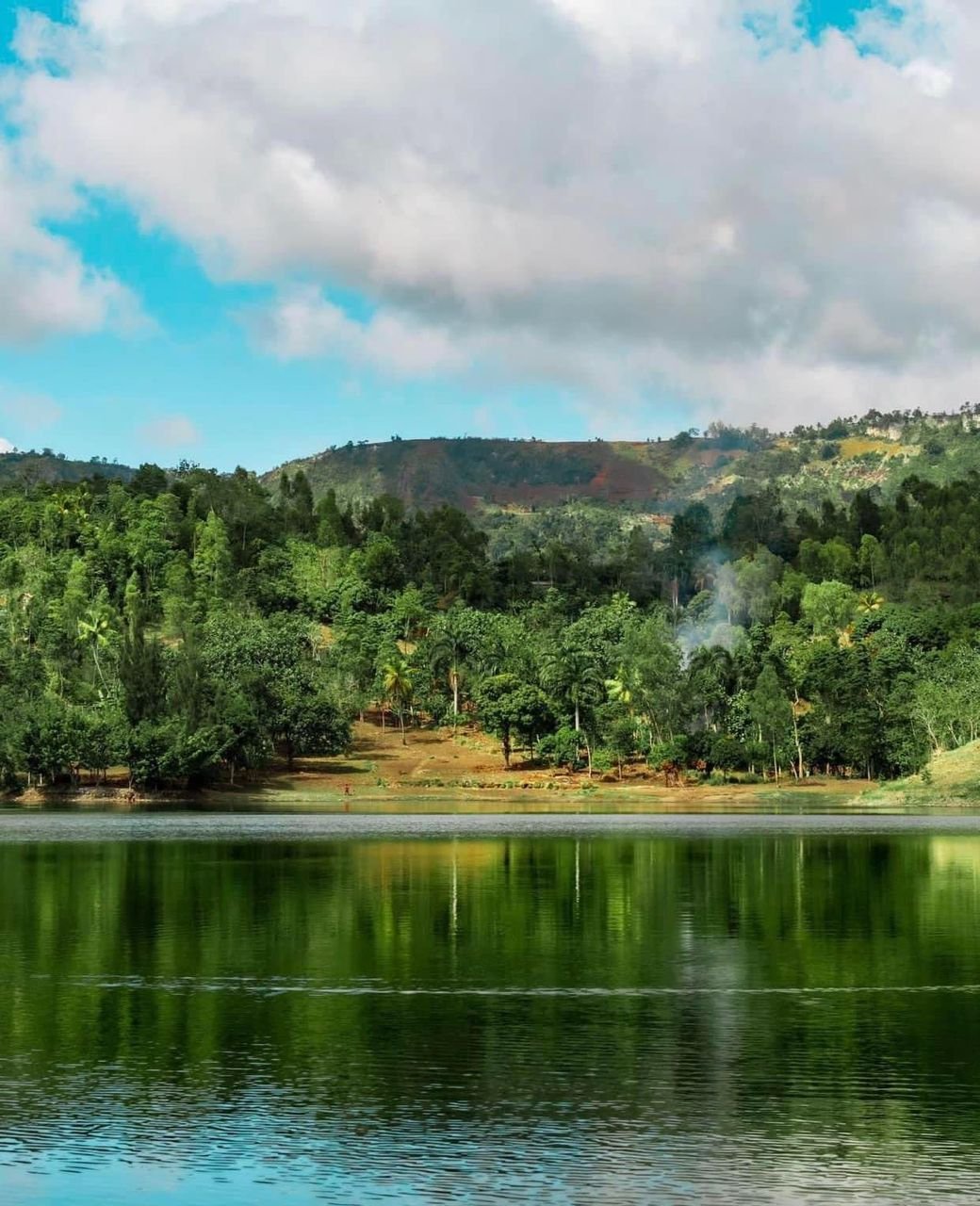
Among the important natural resources in Haiti, we can mention the Forêt des Pins, located on the eastern part of the Massif de la Selle, as well as part of Morne des Commissaires halfway between the West and South departments. East, which testify to the natural wealth of the island. The inland waters, including Lake Azuei, the artificial lake Péligre and the Miragoâne ponds, are important areas for freshwater fish fishing on the island. Furthermore, studies have revealed the presence of various mineral deposits, including gold, silver, copper, bauxite, calcium carbonate and lignite, highlighting the diversity and importance of these resources. Livestock farming, practiced in the traditional way by small peasant farms, contributes significantly to the country’s meat production. In agriculture, the main crops include corn, millet, beans, rice and mangoes. Haitian agriculture, virtually free of harmful chemicals, favors natural methods, thus favoring organic farming. In addition, Haïti also cultivates a variety of lesser-known exotic fruits, such as caimite, soursop, guava, quenèpe and sapodilla, with a particular passion for mangoes, of which there are around a hundred varieties. However, despite the potential wealth of its natural resources, Haïti faces economic challenges that limit its optimal exploitation. Livestock breeding, agriculture and fishing, vital activities for many communities, often see their potential hampered by factors such as deforestation, land degradation and lack of infrastructure.
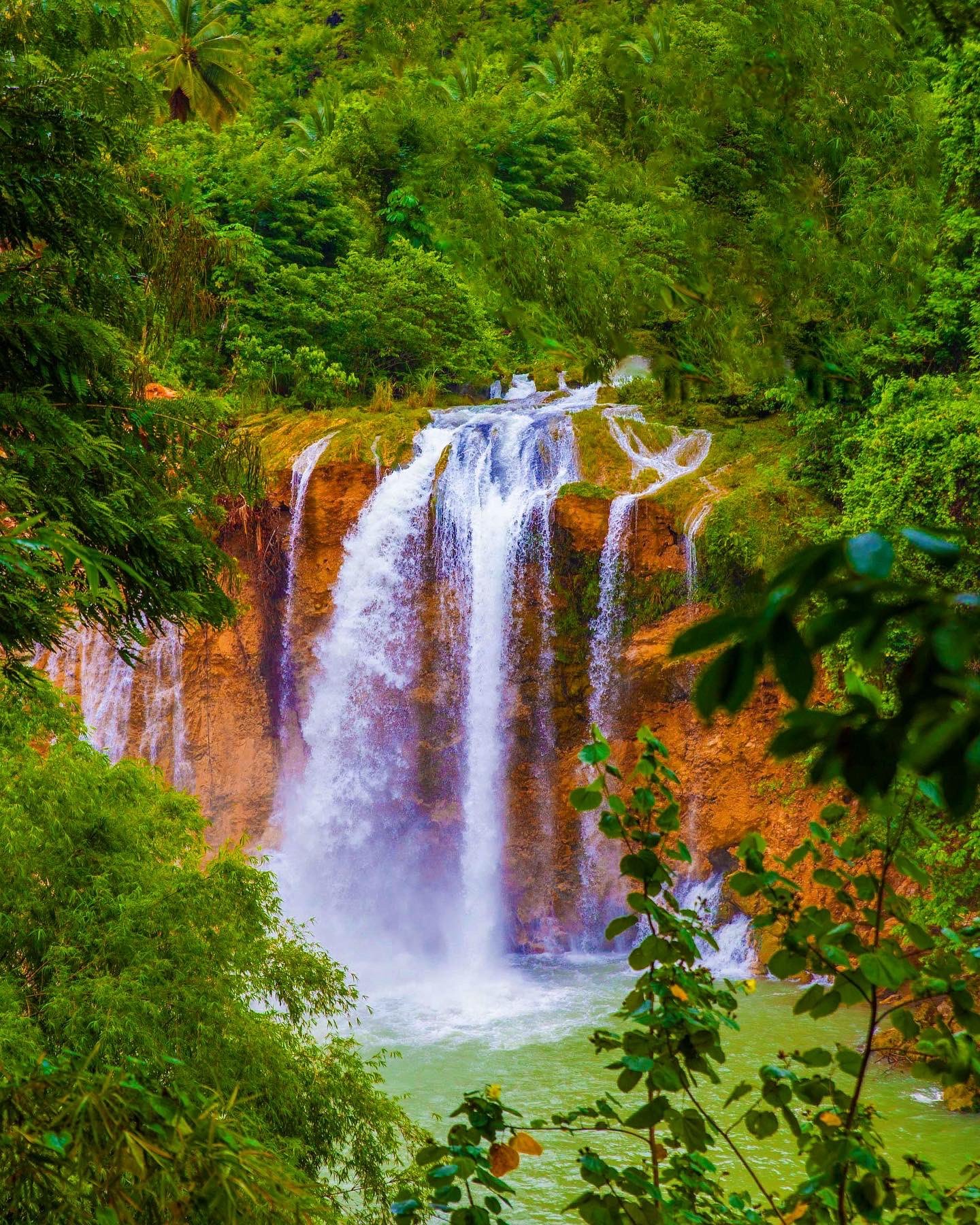
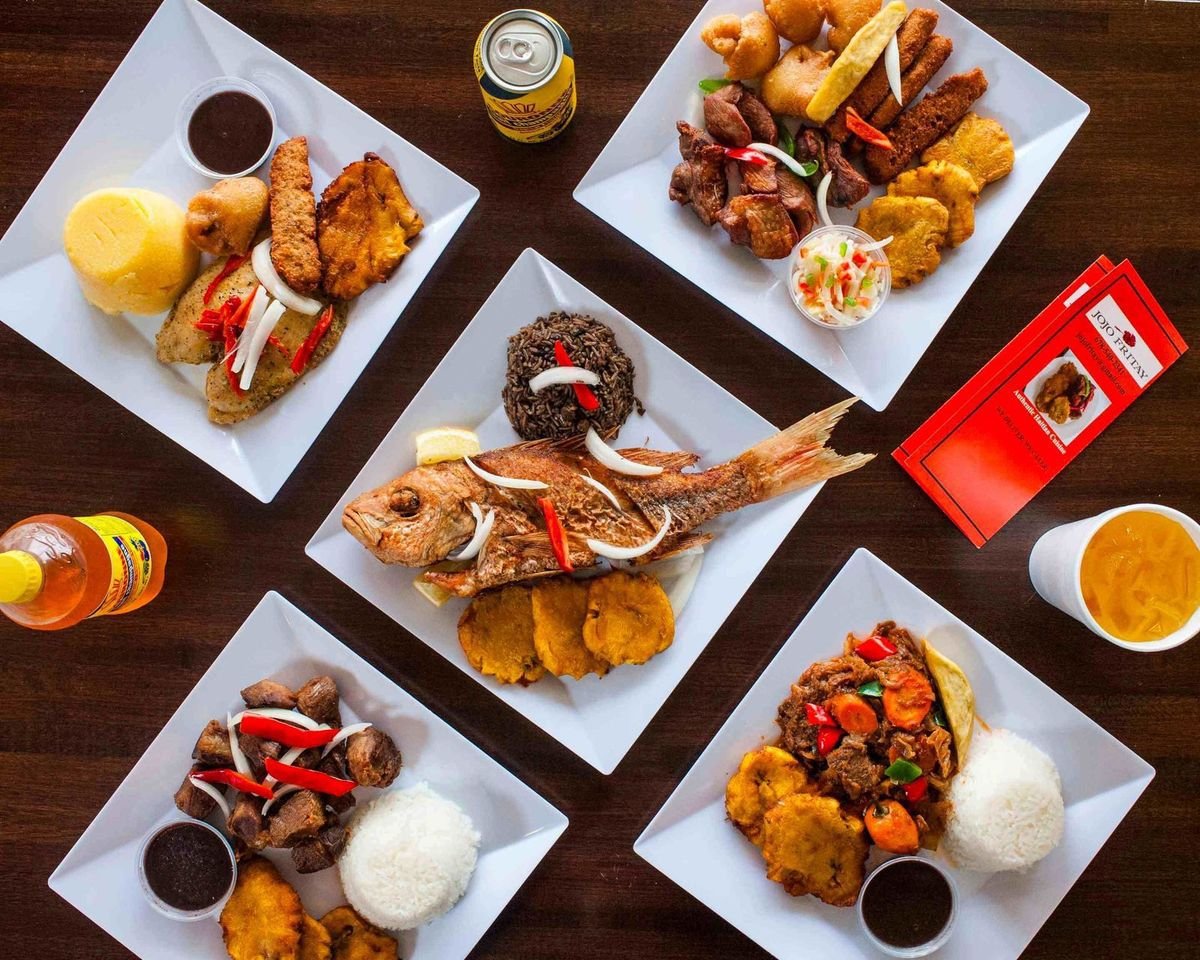
Despite the challenges currently facing the country, there remains a treasure to be discovered, passing through the folds of its mountains and along its beaches bathed by turquoise waters, it deploys a range of captivating natural and cultural riches that invite travelers from whole world to discover its unique beauty. From the hidden treasures of the Pine Forest to the haunting rhythms of voodoo, flavorful cuisine and colorful traditions, every corner of the country offers an immersive experience that promises to amaze and captivate
First black nation to free itself from slavery and gain independence from France in 1804 and influenced other liberation movements around the world, inspiring struggles for freedom and equality.
Natural beauty
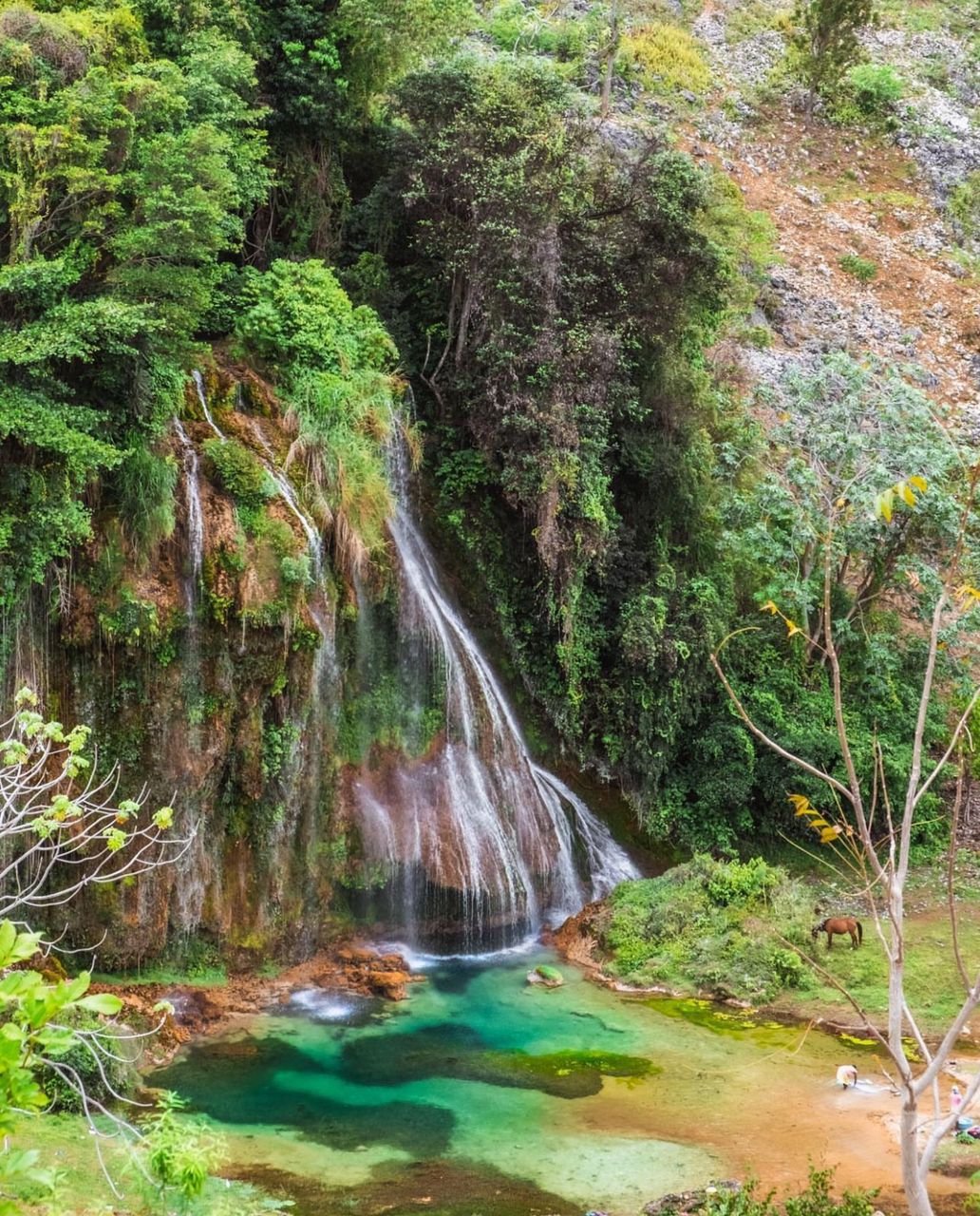
Haïti is blessed with spectacular natural landscapes, including white sand beaches, mountains and rich biodiversity.
Heritage
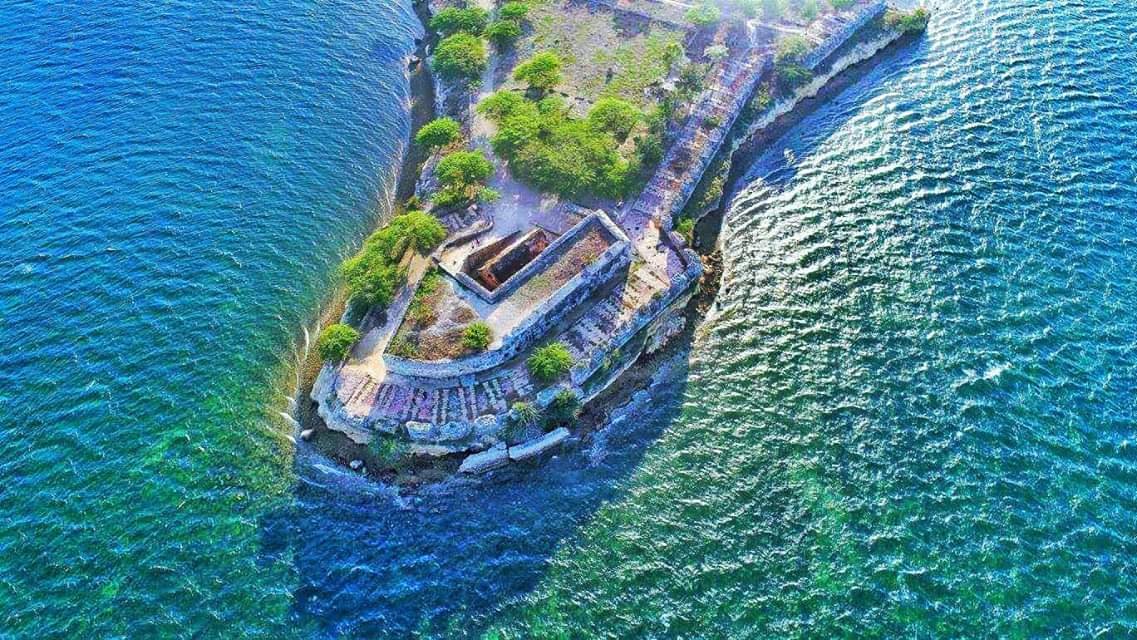
Haïti has a rich historical heritage, including sites like the Citadelle Laferrière and the Sans-Souci Palace, listed as UNESCO World Heritage Sites.
Culture
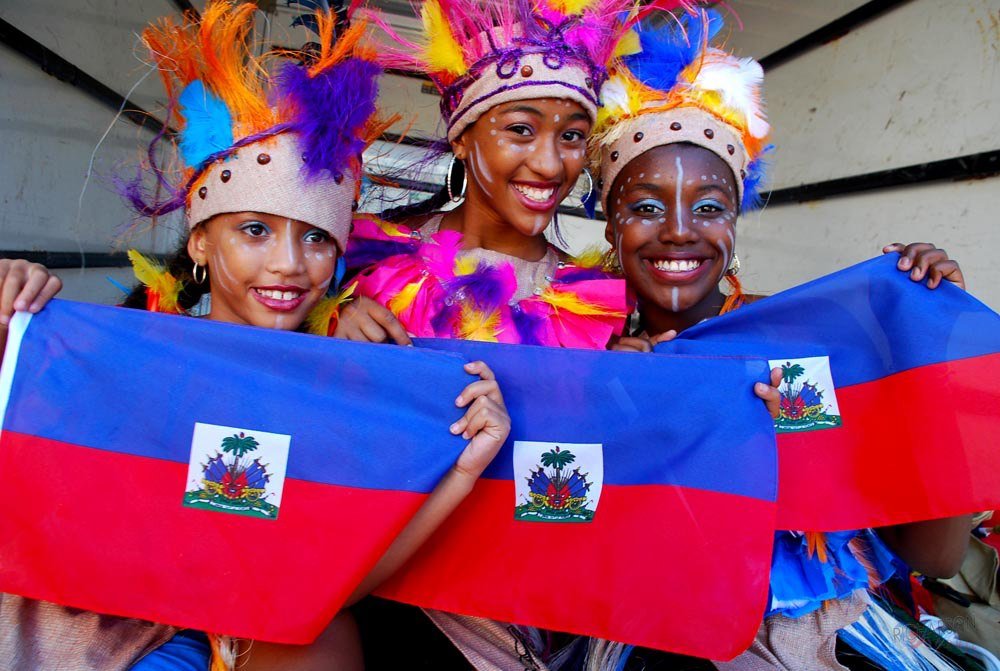
Haïti has a rich and diverse culture, influenced by African, European and indigenous elements. Haitian music, dance, art and cuisine are celebrated around the world.