contact@haitiwonderland.com+509 36184317

Discover

Shopping Cart

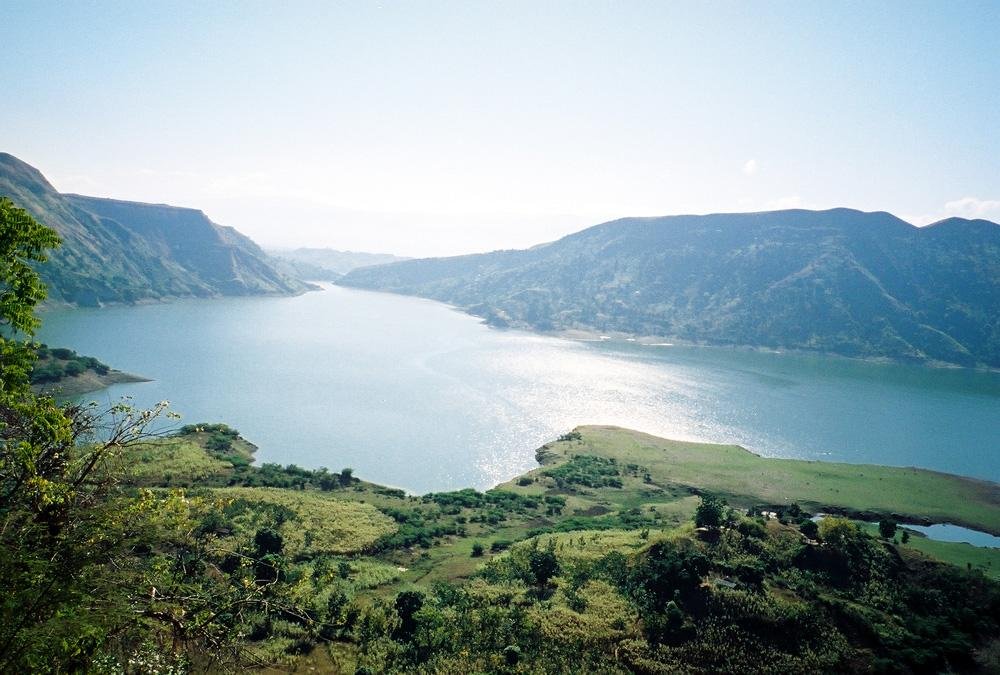
Oyster Lagoon in Belle-Anse, an ecotourism emerald to explore

Oyster Lagoon in Belle-Anse, an ecotourism emerald to explore

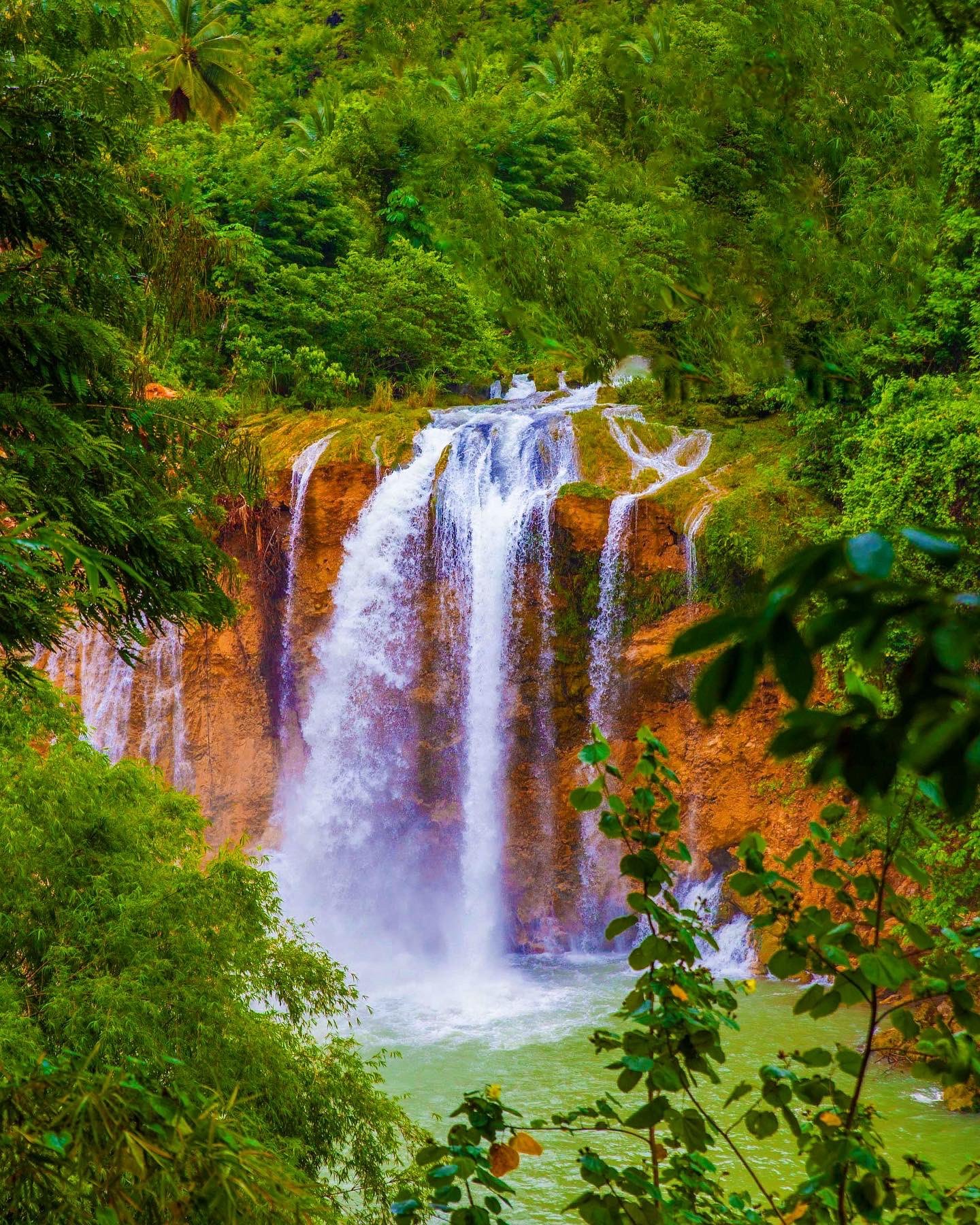
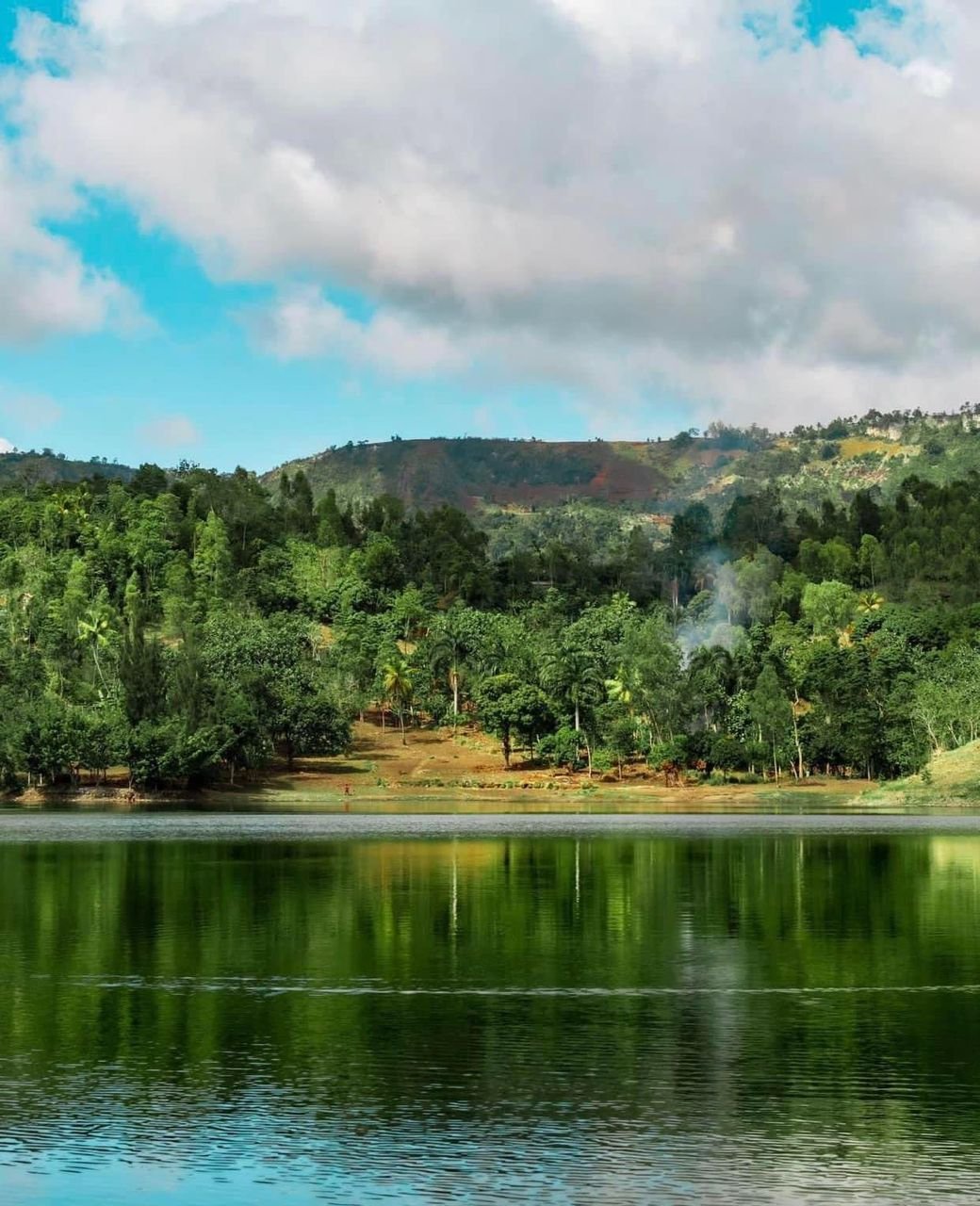
The Lagon des Huîtres National Park, one of the jewels of Haitian biodiversity, is a true natural sanctuary. This park is home to twenty-one lagoons forming an ecosystem of inestimable richness. The Pichon waterfall, with its twelve majestic waterfalls, embodies the wild beauty and natural power of the site.

The park’s vegetation is dominated by Bayahondes (Prosopis juliflora), creating a dry forest that serves as a refuge for diverse wildlife. Among the most notable residents are the graceful Greater Flamingo (Phoenicopterus roseus) and the Ricord Iguana (Cyclura ricordi), a species endemic to the island of Hispaniola. The red, gray and white mangroves of the Lagon des Huîtres site play an essential role in providing protected habitats for a multitude of species.

The Wealth of Wildlife

The Oyster Lagoon National Park is a haven for nearly 40 animal and plant species listed on the red list of the International Union for Conservation of Nature (IUCN). Among these valuable species, we find the Ricord Lizard (Cyclura ricordi), the Pink Flamingo, the Common Pigeon (Patagioenas inornata), the Sandpiper (Calidris pusilla), the Hispaniola Crow (Corvus leucognaphalus) and the White Guaiac (Guaiacum sanctum ). These species are witnesses to the diversity and ecological vitality of this park.
See as well

The Magnificent Mangroves and the Salt Mine

The mangroves of the Lagon des Huîtres National Park are essential for the ecological balance of the region. They protect coasts from erosion, purify water and provide vital habitat for a variety of wildlife. Exploring these dense forests allows you to observe a multitude of species in a serene and preserved environment.

The salt mine is another treasure of the park. The salt crystals shine in the sun, creating an almost dreamlike landscape. Salt harvesting, a local tradition, attracts many curious visitors and contributes significantly to the region’s economy.

The Splendors of the Sea and Beaches

The coastline of the Lagon des Huîtres National Park, located in Belle-Anse in the southeast of Haiti, is a paradise for sea lovers. The fine sandy beaches and crystal clear waters invite relaxation and relaxation. adventure. The beach is also known for its oyster beds, offering a unique dining experience to visitors. Oysters, renowned for their delicate flavor, can be enjoyed freshly harvested, adding a gastronomic dimension to the natural beauty of the site.

Water activities such as fishing, kayaking and diving allow you to discover the underwater wonders of this exceptional site.

Bassin Bleu in Jacmel: The Ultimate Natural Retreat in Southeast Haiti

Bassin Bleu in Jacmel: The Ultimate Natural Retreat in Southeast Haiti

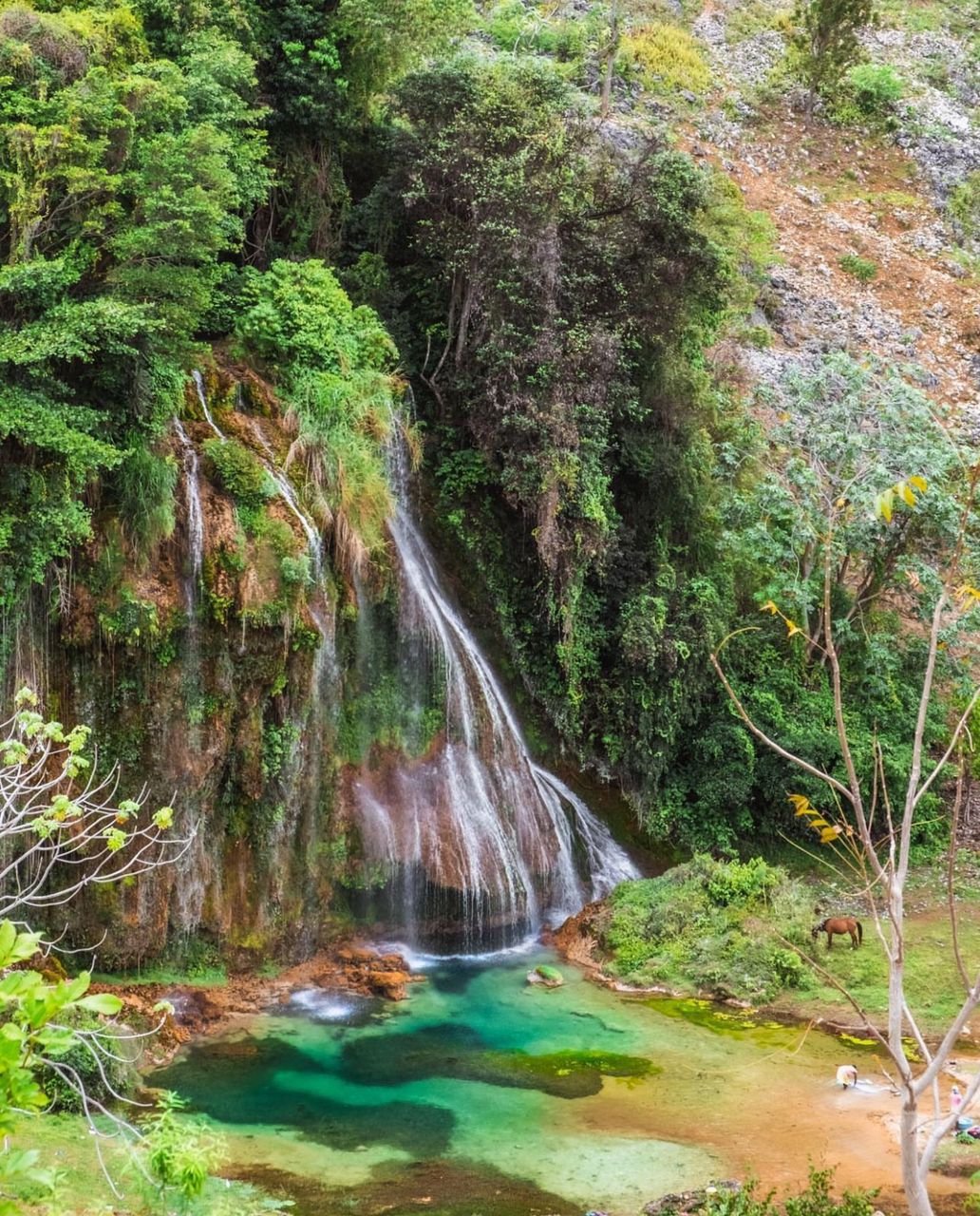
Nestled in the picturesque coastal town of Jacmel, in southeastern Haiti, Bassin Bleu is a true haven of tranquility in the heart of nature. Its crystal-clear blue waters and imposing rock formations make it a breathtakingly beautiful site, attracting travelers from around the world in search of escape and discovery. The sparkling turquoise waters of Bassin Bleu offer a feast for the eyes, inviting visitors to relax and rejuvenate in this idyllic setting. Whether swimming in its refreshing waters or lounging on its lush green banks, this natural oasis provides a welcome escape from the hustle and bustle of daily life. Surrounded by lush tropical vegetation, Bassin Bleu is home to exceptional biodiversity, with a multitude of unique plants and animals to discover. Hiking enthusiasts can venture along winding trails that meander through the surrounding forest, offering spectacular views of this pristine landscape. As a tourist destination, Bassin Bleu also offers economic development opportunities for local communities. By promoting sustainable tourism, it contributes to job creation, infrastructure development, and the promotion of local culture. Moreover, by raising awareness among visitors about the importance of preserving this fragile natural environment, tourism plays an essential role in its long-term conservation. Bassin Bleu in Jacmel is much more than just a tourist attraction: it is a true natural treasure to be preserved and appreciated. With its stunning natural beauty, remarkable biodiversity, and sustainable development opportunities, this magical place offers an authentic experience for travelers seeking moments of tranquility in the heart of nature.

A Leading Ecotourism Destination

The Lagon des Huîtres National Park has remarkable ecotourism potential. The spectacular parade of pink flamingos, the mangrove forests, the Pichon waterfalls and the coastline offer breathtaking panoramas. The park is also the scene of numerous socio-cultural activities such as the Pichon agro-artisanal fair, crazy fishing and recreational days. These events attract visitors and generate economic opportunities for the local community.

The Oyster Lagoon National Park is an emerald of biodiversity and natural splendor. Between its lush mangroves, sparkling salt mine and idyllic beaches, it offers an unforgettable experience for visitors. As an ecotourism destination, it deserves to be discovered, admired and preserved for future generations. This park is an invitation to discovery and contemplation of nature in all its majesty.

Share
About the Author
Faïly Anderson Trazil

    Medical student, software developer, UX/UI designer, and web writer.
    Driven by a deep passion for writing and digital innovation.

    Email: failyandersontrazil@gmail.com

    See other articles from Faïly Anderson Trazil
    cesaire gerald

    chapeau pour ce travail combien important. mwen sonej Ozanana kay Fifi hmmmm enfin haiti

    December 20, 2024 - 08:16:04 PM
    Leave a comment

    Recently Posted

    Haïti / Fort Saint-Joseph: Historical Vestige of the Resistance

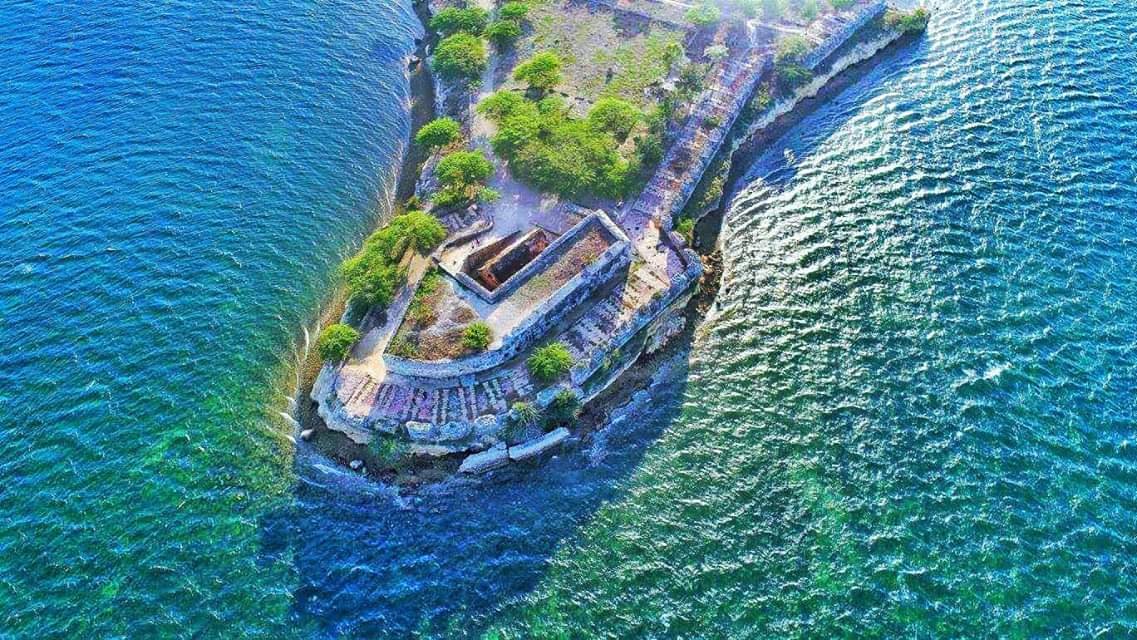
    Located in the Bay of Cap-Haitien, Fort Saint-Joseph stands like a silent guardian of Haiti’s tumultuous history. Built in two stages, in 1748 and 1774, this defensive work was once a crucial element of the city’s protection system against French colonial assaults. Alongside other forts such as Picolet and Magny, its mission was to control maritime passages and defend Haitian sovereignty. However, its history is not limited to its defensive function. In 1802, then under the control of General Henry Christophe, the fort became the scene of a heroic act of resistance. Faced with the French expeditionary army, Christophe ordered the destruction of the powder magazine and the entrance gate to the fort, thus rendering it temporarily unusable. This courageous gesture, although tactical, left indelible scars on the very structure of the fort, testifying to the fierce clashes between French colonial forces and Haitian resistance fighters. These historic marks, still visible today, offer a window into the country’s tumultuous past. They allow visitors and historians to interpret the fierce struggles that forged Haitian identity. Fort Saint-Joseph, as a witness to the resistance and the struggle for freedom, embodies the indomitable spirit of the Haitian people. Recognizing its historical significance, the Haitian government officially classified Fort Saint-Joseph as national heritage in 1995. This recognition paved the way for restoration efforts aimed at preserving this precious vestige of Haitian military heritage. Thanks to collaboration between the public sector and local private funding, the fort has recently been restored and enhanced. Thus, Fort Saint-Joseph remains much more than a simple stone structure. It is a living symbol of the resilience and determination of the Haitian people, reminding all visitors that Haiti’s history is deeply rooted in the struggle for freedom and human dignity. To virtually discover this jewel of Haitian history, you can visit the following link: https://haitiwonderland.com/haiti-virtual-reality-ht/monuments-histoire/haiti--fort-saint-joseph--visite- virtual/11

    Newsletter

    Subscribe to our newsletter to stay informed of all our activities and news on Haiti.

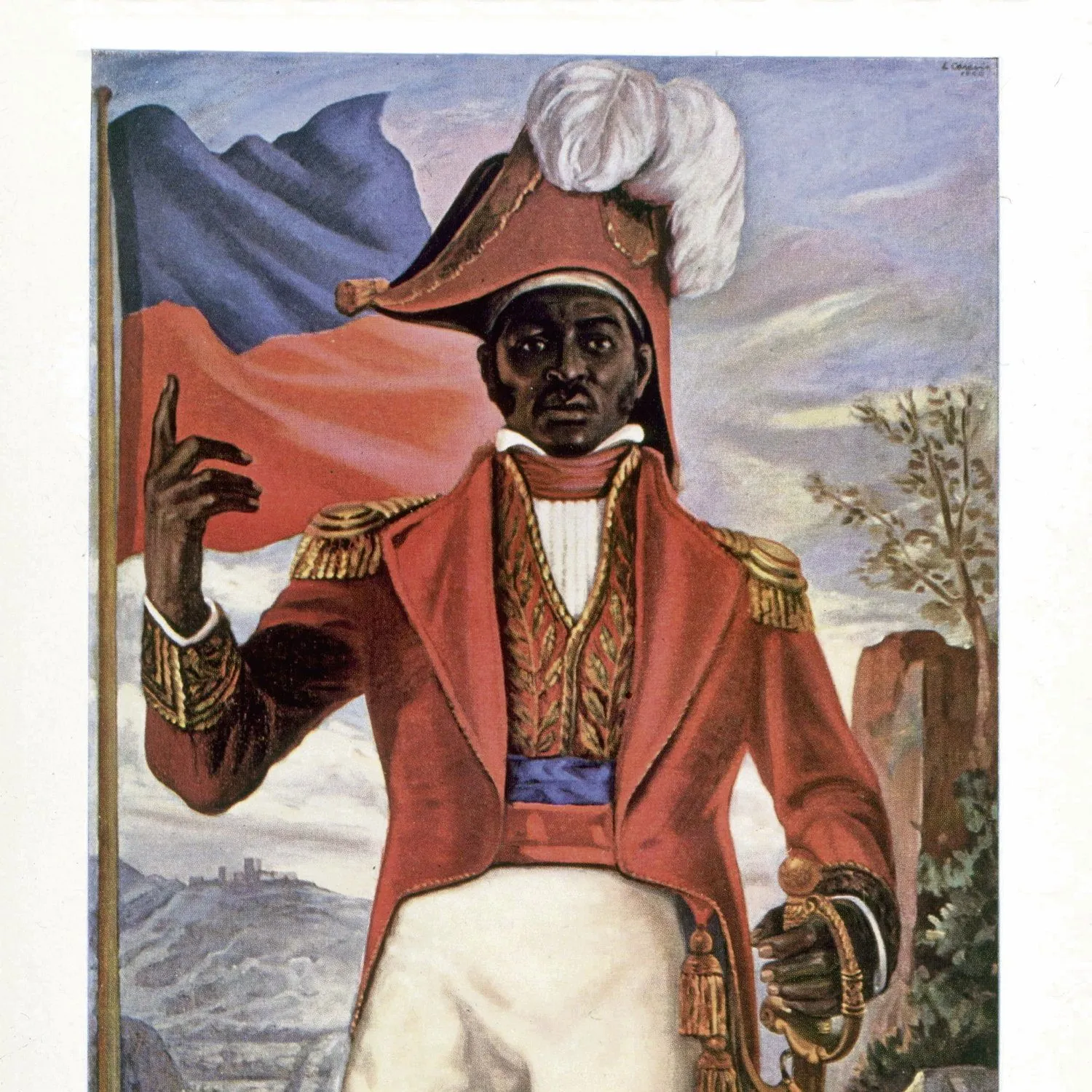
    Jean-Jacques Dessalines, leader of the Haitian Revolution

    In the annals of the history of Haiti, an island located in the Caribbean at the entrance to the Gulf of Mexico and shared with the Dominican Republic, Jean-Jacques Dessalines emerges like a phoenix from the ashes of oppression. Born a slave on September 20, 1758 in the home of Henri Duclos, in Cormier (Grande-Rivière-du-Nord), in the French colony of Saint-Domingue, Dessalines was a Creole of African (Afro-Caribbean) origin. Freed during the 1794 abolition achieved through slave revolts, actually served as an officer in the French army during the French Revolution. At that time, the ideas of freedom and equality were at the heart of the concerns of the inhabitants of the colonies. Dessalines actively participated in the fighting against the Spanish and British forces, alongside the French, in Santo Domingo. Having risen to the rank of Lieutenant General, Jean-Jacques Dessalines turned against the French during the Leclerc expedition, sent to Saint-Domingue by Bonaparte to reestablish colonial authority and slavery during the Haitian Revolution. After the capture and deportation of Toussaint Louverture to France on June 7, 1802, Dessalines assumed a leading role in continuing the struggle for independence. He led numerous battles, including the battle of Crête-à-Pierrot in March 1802, where he galvanized his soldiers with his famous declaration: “Let those who want to remain slaves of the French leave the fort, let those, on the contrary, who want to die as free men, line up around me.” On January 1, 1804, Jean-Jacques Dessalines achieved the long-awaited goal of independence by proclaiming Haïti as a sovereign nation, becoming the second country in the Americas to gain independence from a colonial power. He became the first leader of the newly formed nation and was named Emperor under the name James I. However, his imperial reign was marked by authoritarian and brutal policies, including the massacre of many white settlers and the redistribution of land to peasants that was in the hands of the generals of the independence army. In addition, he organized the hunt for delinquents in the city while implementing rigorous agrarian policies, considering that they represented a threat to the stability of the nation, these controversial actions caused divisions within Haitian society. Dessalines was assassinated on October 17, 1806 following a plot organized by some of his generals in the Haitian army. His death marked the end of his brief but influential period in power. Despite the controversies surrounding his methods, he is recognized as the main architect of Haiti’s independence and his name was honored in 1903 by being attributed to the Haitian national anthem, La Dessalinienne, composed by Justin Lhérisson.Finally, the great visionary man Jean Jacques Dessalines remains an emblematic figure in the history of Haiti, recognized for his role in the fight for independence and the end of slavery in the region.

    Recently Posted

    History

    History

    First black nation to free itself from slavery and gain independence from France in 1804 and influenced other liberation movements around the world, inspiring struggles for freedom and equality.

    Natural beauty

    Natural beauty

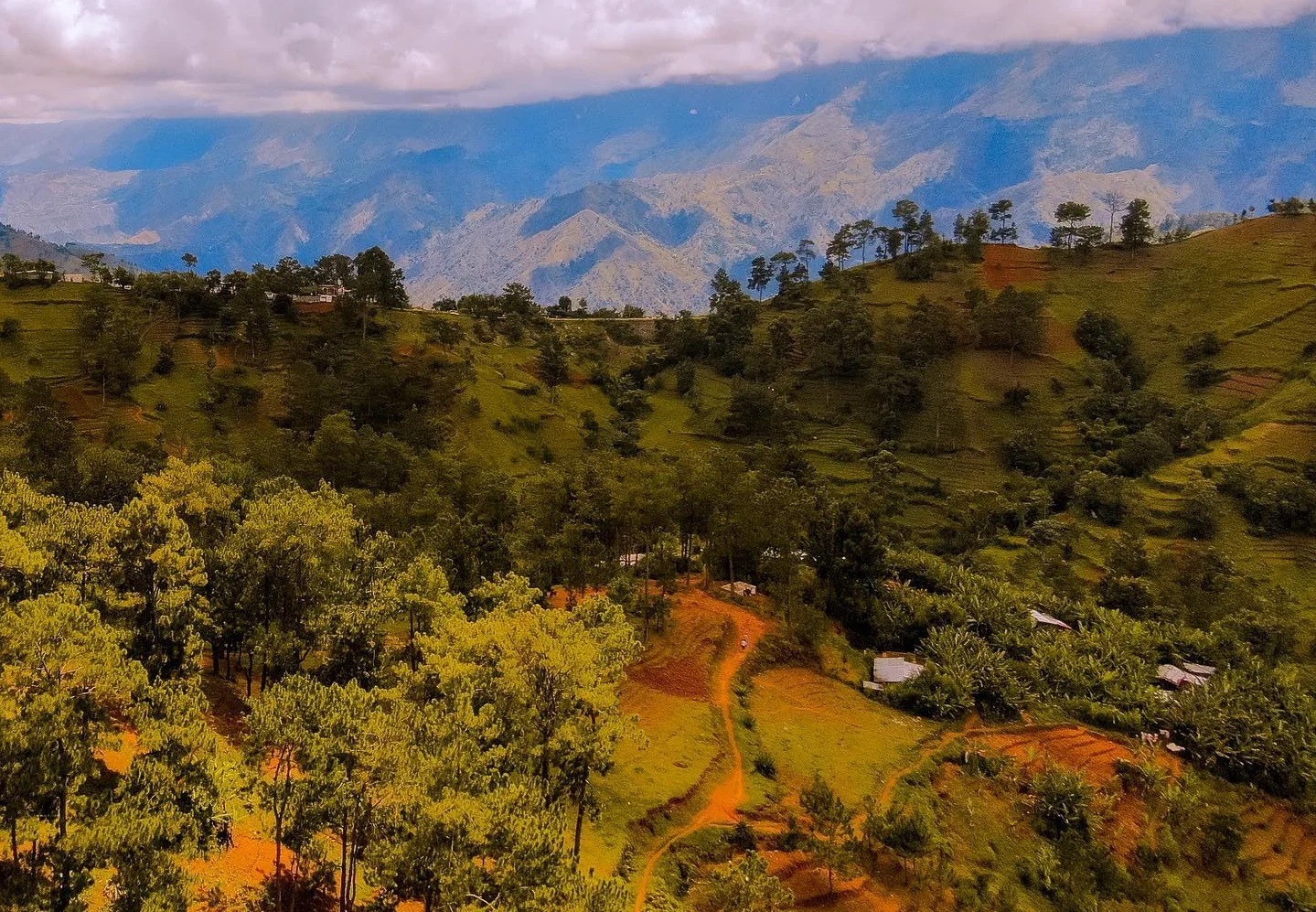
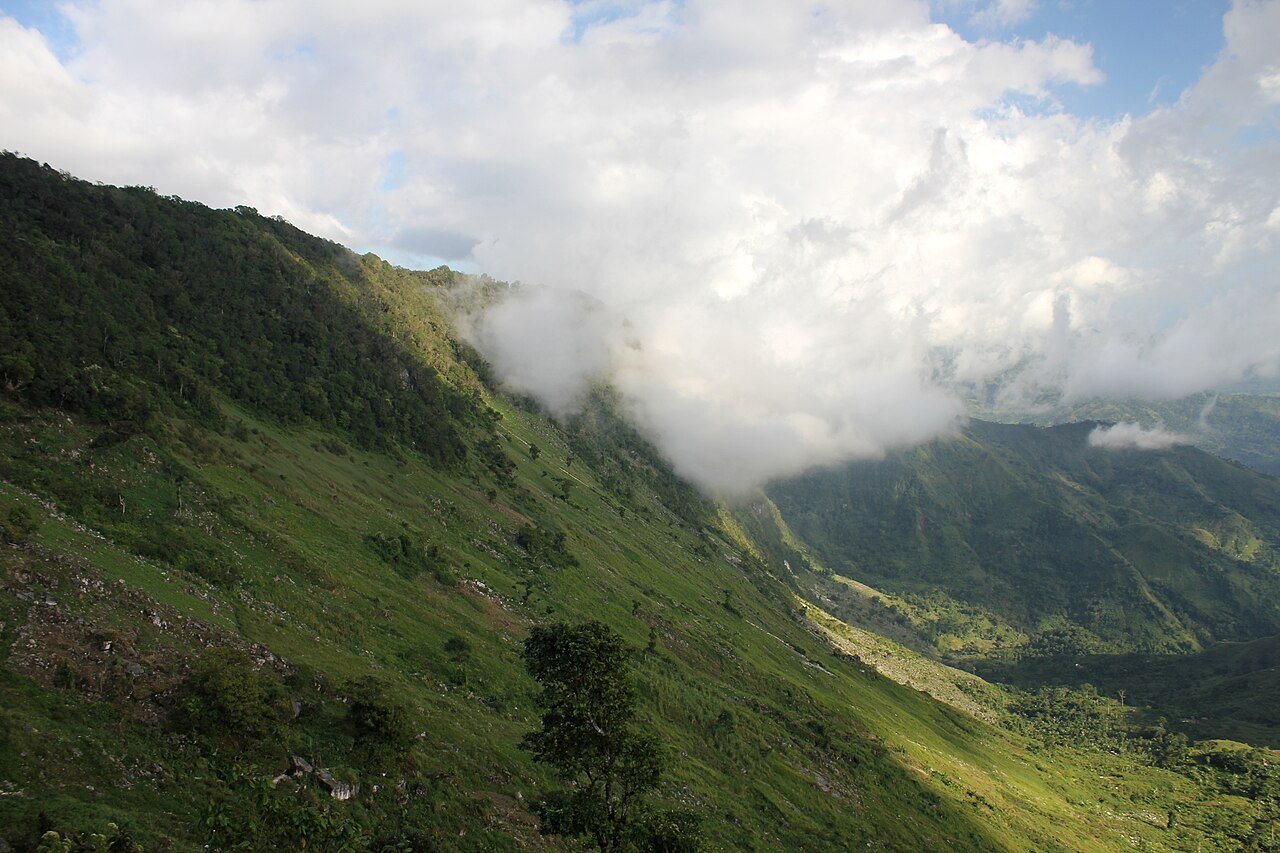
    Haïti is blessed with spectacular natural landscapes, including white sand beaches, mountains and rich biodiversity.

    Heritage

    Heritage

    Haïti has a rich historical heritage, including sites like the Citadelle Laferrière and the Sans-Souci Palace, listed as UNESCO World Heritage Sites.

    Culture

    Culture

    Haïti has a rich and diverse culture, influenced by African, European and indigenous elements. Haitian music, dance, art and cuisine are celebrated around the world.

    • +
      • Post