contact@haitiwonderland.com+509 36184317

Discover

Shopping Cart

Christmas Meals in Haiti: A Time of Sharing and Conviviality

Christmas Meals in Haiti: A Time of Sharing and Conviviality

In Haiti, Christmas meals occupy an essential place in the end-of-year celebrations. They are not only an opportunity to enjoy delicious dishes, but also to bring families and friends together around a table, in a warm and festive atmosphere. This article explores the culinary traditions, the importance of sharing and the spirit of conviviality that make Christmas meals in Haïti a memorable event.

Haïti
Haïti
Haïti

A Culinary Tradition Rich in Flavors

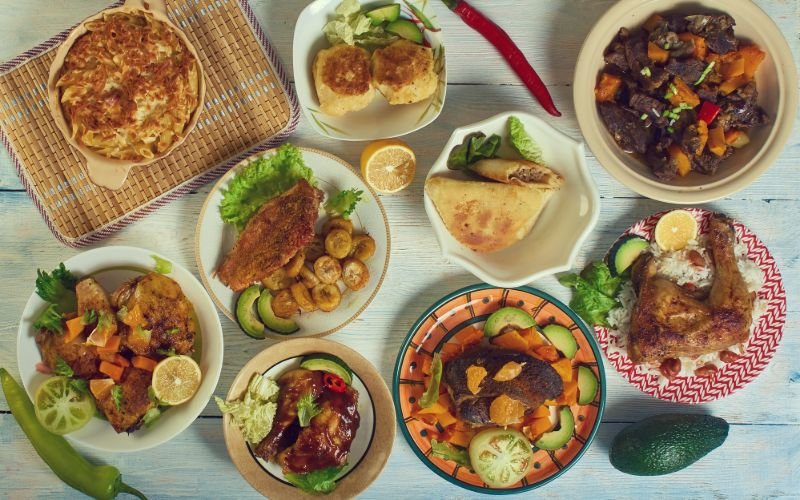
Christmas meals in Haïti are known for their diversity and authentic flavors, which reflect the cultural influences of the country. These meals generally consist of an array of carefully prepared dishes, blending fresh ingredients and local spices to create a unique culinary experience.

Iconic holiday dishes include:
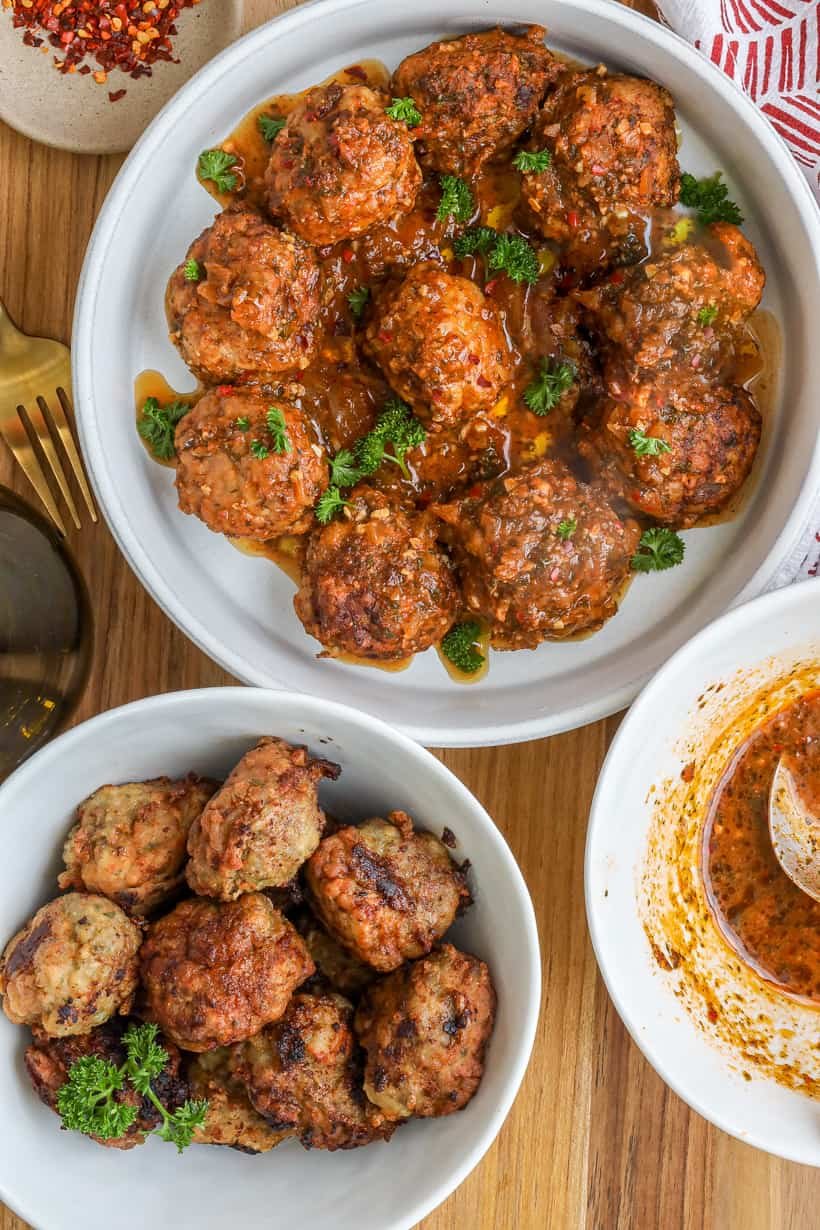
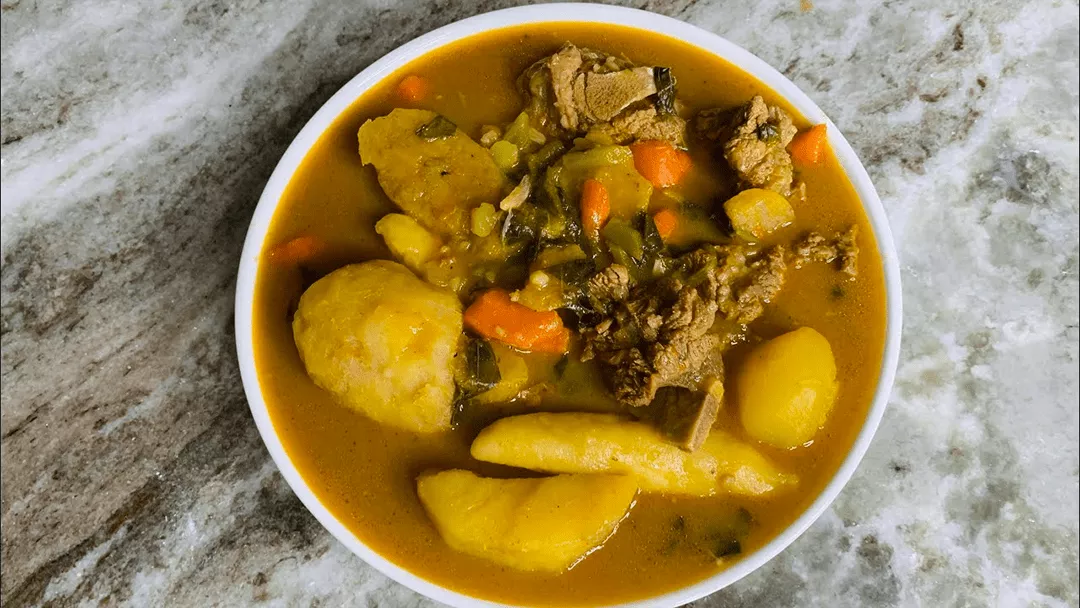
- Christmas ham: often marinated in a sweet and sour sauce, it is roasted to perfection and is one of the centerpieces of the meal.
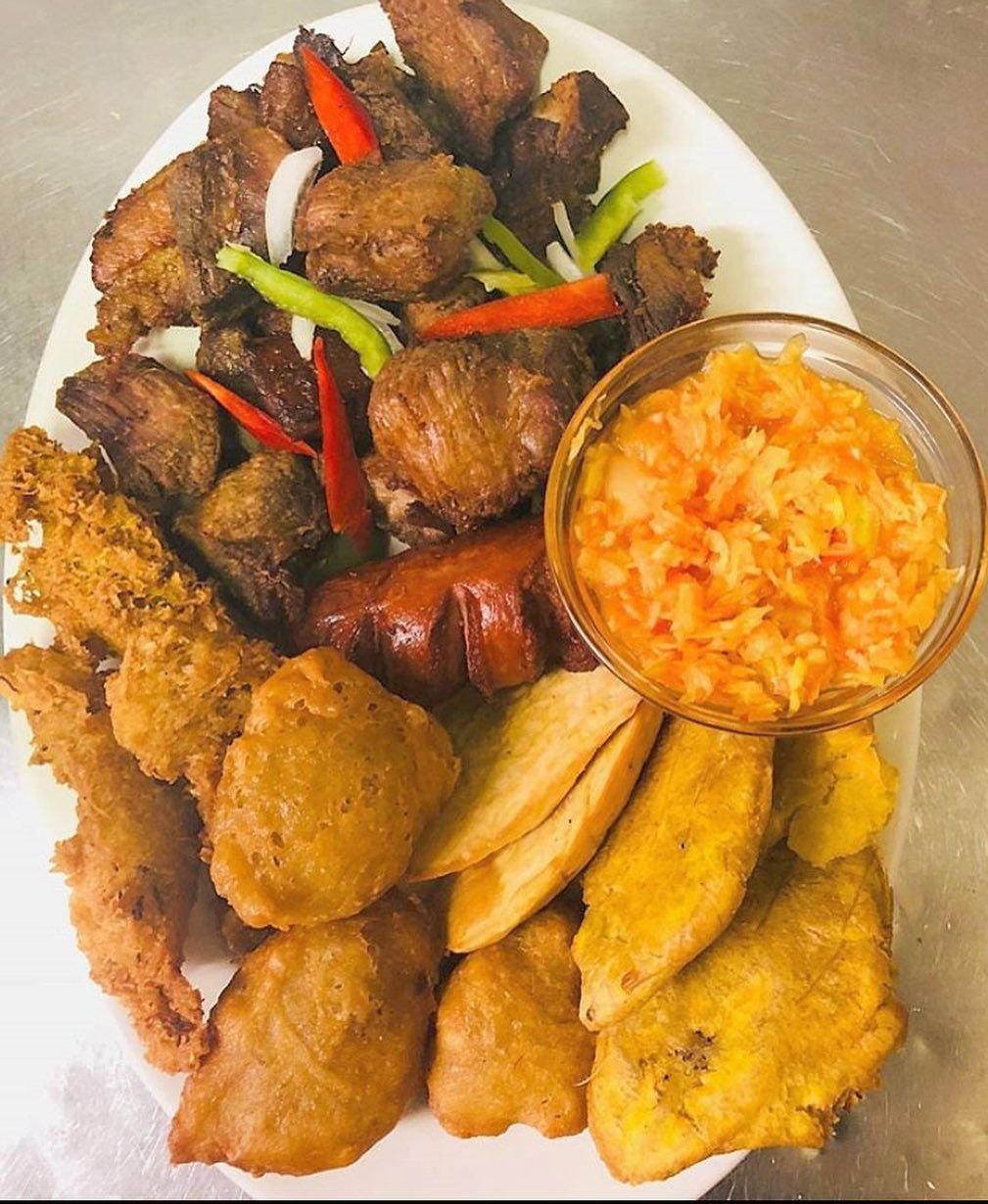
- Griot et bananes pesées: marinated and fried pork pieces, accompanied by fried plantains, which add a savory and crunchy touch.
- Diri djon djon: rice prepared with local black mushrooms, particularly appreciated for its refined taste and delicious texture.
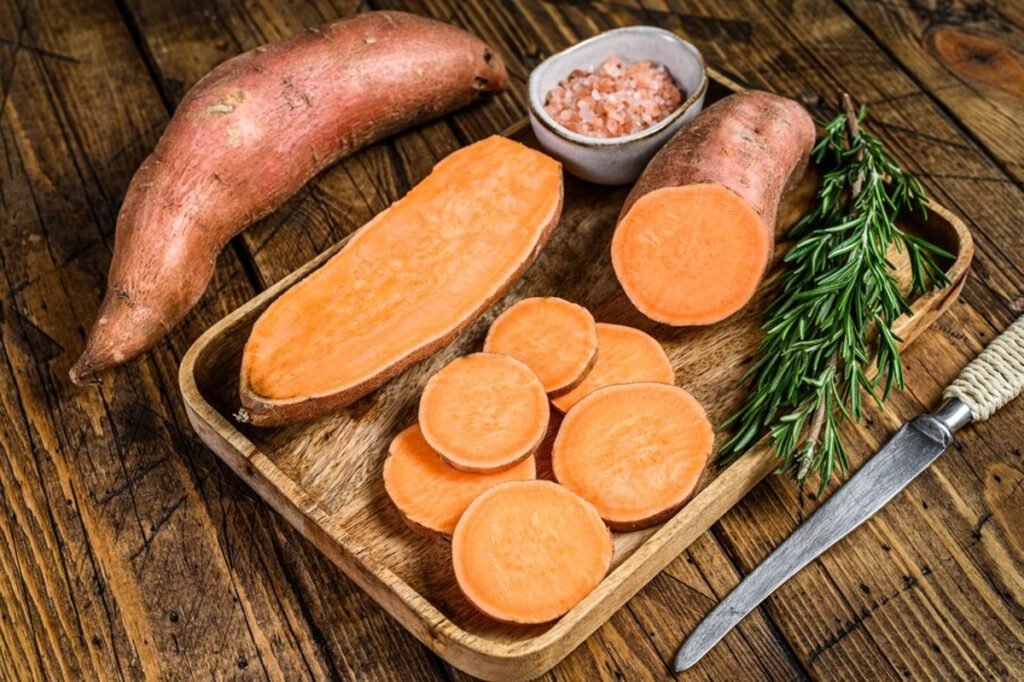
- Traditional desserts: such as pain patate (sweet potato cake) and blanc manger (coconut milk flan), which end the meal on a sweet note.

These dishes, cooked with love, demonstrate the attention that Haitians pay to their culinary heritage, especially at this time of year.

Haïti
Haïti
Haïti

A Moment of Sharing and Generosity

In Haiti, Christmas meals are much more than a simple feast: they symbolize sharing and solidarity. Even in modest homes, it is customary to prepare a special meal to mark this period. Families strive to share their dishes with their neighbors, friends and sometimes even strangers.

In some communities, collective meals are organized to allow everyone, including those in difficulty, to celebrate Christmas in joy. These moments of sharing strengthen social ties and recall the importance of generosity and mutual aid in Haitian culture.

Haïti
Haïti
Haïti

An Unforgettable Family Reunion

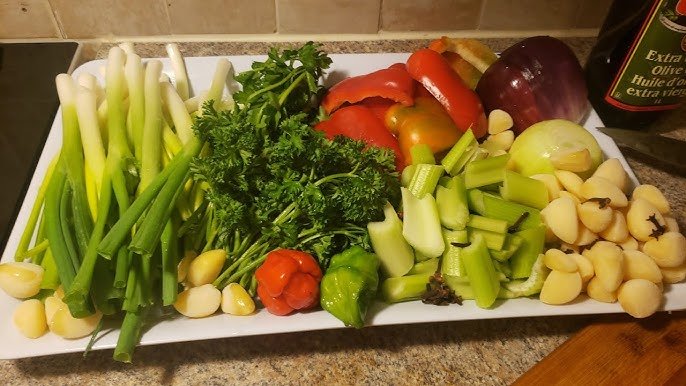
Christmas meals in Haïti are also an opportunity to bring together families, often scattered throughout the year. Loved ones gather around a large table to share stories, laughter and memories. Preparing meals becomes a moment of complicity between family members, where everyone contributes in their own way, whether by peeling vegetables, seasoning meat or setting the table.

These moments of conviviality are what make Christmas meals so special: they help strengthen family ties and pass on traditions to younger generations.

Haïti
Haïti
Haïti

Drinks That Accompany the Feasts

Drinks play a key role in Haitian Christmas meals, adding a festive touch to the whole. Among the must-haves are:
- Kremas: a sweet and creamy drink, prepared with condensed milk, rum, nutmeg and vanilla. Very popular, it is often prepared at home and shared with guests.
- Natural juices: such as soursop, tamarind or grenadine juice, which bring a refreshing and exotic touch. - Wine and rum: used to toast or accompany certain dishes.

These drinks reinforce the festive spirit while reflecting local tastes and traditions.

Haïti
Haïti
Haïti

Diaspora Meals: A Cultural Pride

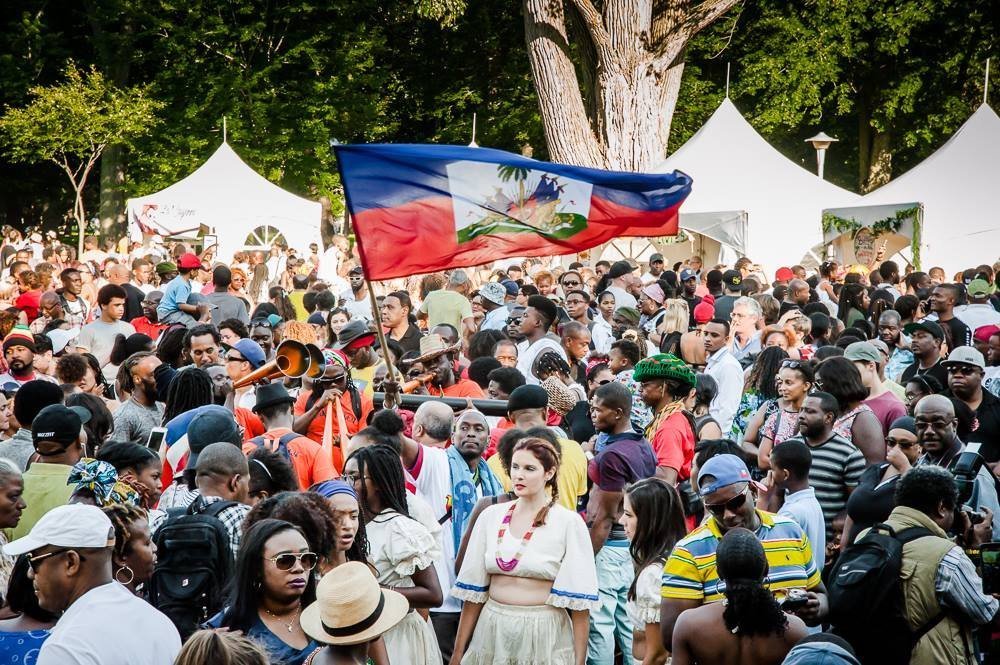
Haitians living abroad continue to perpetuate these culinary traditions by adapting their recipes to the ingredients available in their host countries. Whether in the United States, Canada, France or elsewhere, Haitian communities celebrate Christmas by recreating these feasts, often shared with friends from other cultures.

These meals maintain a strong connection with Haitian culture and pass it on to future generations, while introducing its unique flavors to the rest of the world.

Haïti
Haïti
Haïti

A Celebration of the Spirit of Christmas

Christmas meals in Haïti perfectly embody the spirit of this holiday: sharing, conviviality and generosity. They are an opportunity to gather around a table, celebrate family ties and remember the fundamental values ​​of Haitian culture.

Whether in a home in Haïti or across the diaspora, these feasts remain a special moment where local flavors mingle with the love and joy of Christmas.

Share
About the Author
Appolon Guy Alain
Appolon Guy Alain
Appolon Guy Alain

Full Stack Developer, Créatif, expérimenté, passionné des nouvelles technologies et de l’art.

See other articles from Appolon Guy Alain
Leave a comment

Recently Posted

Caractéristique d’un lapin

Les lapins sont des mammifères appartenant à la famille des Leporidae. Voici quelques-unes de leurs caractéristiques principales : 1. **Physique** : Les lapins ont un corps couvert de fourrure douce, des oreilles longues et droites, de grands yeux sur les côtés de leur tête, et une queue courte et duveteuse. Ils possèdent de puissantes pattes arrière adaptées au saut. 2. **Taille et poids** : La taille et le poids peuvent varier considérablement selon la race, allant d’environ 500 grammes pour les plus petits à plus de 5 kilogrammes pour les plus grands. 3. **Comportement** : Les lapins sont connus pour être sociaux et peuvent vivre en groupes dans la nature. Ils communiquent entre eux par différents moyens, y compris par des sons et des mouvements corporels. Les lapins creusent des terriers pour y vivre et se protéger des prédateurs. 4. **Alimentation** : Ils sont herbivores, se nourrissant principalement de foin, d’herbes, de feuilles, de fleurs, et de certains légumes. Leur système digestif est adapté pour traiter une grande quantité de fibres. 5. **Reproduction** : Les lapins sont réputés pour leur capacité à se reproduire rapidement, avec des gestations courtes d’environ 28 à 31 jours. Une portée peut compter de un à douze lapereaux, selon la race. 6. **Sens** : Ils ont une excellente vision périphérique pour détecter les mouvements tout autour d’eux, mais ont une zone aveugle juste devant leur nez. Leur ouïe est également très développée, leur permettant de capter des sons à de grandes distances. 7. **Espérance de vie** : En captivité, les lapins peuvent vivre de 7 à 10 ans, selon la race et les soins prodigués, tandis que dans la nature, leur espérance de vie est généralement plus courte en raison des prédateurs et des maladies. Ces animaux nécessitent des soins appropriés, notamment un régime alimentaire équilibré, de l’exercice, et une attention particulière à leur bien-être émotionnel et physique pour vivre une vie saine et heureuse en captivité.

Newsletter

Subscribe to our newsletter to stay informed of all our activities and news on Haiti.

Timoun se Moun: A poetry competition to promote children’s rights in Haiti

A wounded country. Bent under the weight of a multidimensional crisis. Widespread violence. Hope slammed shut. A sacrificed generation. Children are increasingly threatened. They are increasingly confronted with all forms of vulnerability that hinder their overall development. ACTIF is launching the second edition of the "Timoun se Moun" poetry competition. A citizen initiative in which the organization uses writing as a springboard to build what life deprives Haitian children of. Pain can be turned into gold. For ACTIF (Community Action for Transformation and Formal Integration), poetry is a philosopher’s stone. Not only for this organization, but also for all those who believe that writing can help rekindle the stars. Faced with this urgent need for action, this is "an initiative to raise awareness, denounce, and affirm loud and clear that every child matters, every child deserves protection, hope, and a future," reads the competition’s descriptive document. So what do you intend to do with your human light? Through this competition, participants have the opportunity to engage in an act of resistance, like a cry of conscience to raise the voice of broken childhoods. Open from May 18 to June 18, "Timoun se Moun" is open to all Haitians living in the country and aged 18 and over. Texts must be submitted in Creole. Behind this initiative, ACTIF intends, on the one hand, to affirm our cultural and linguistic identity, and on the other, to enrich our Creole literature, promote it, and encourage creativity in our vernacular. The text must not exceed 500 words. The format chosen is PDF, Times New Roman font, size 12, and 1.5 line spacing. This competition aims to offer a touch of affection to these children who are the first victims of the country’s descent into hell. To evaluate the literary quality and essence of the submitted texts, a jury is composed of Ruthza Paul, Douglas Zamor, and Darly Renois. The former is a physician and winner of the first edition of this competition. The other two work in the fields of sociology, psychology, and literature. In addition to the "Jury Prize: 15,000 HTG + books + certificate" and "Audience Prize: 5,000 HTG + certificate + books" prizes, the best texts will be included in an anthology to be published by Éditions Répérages. It should be noted that there will be one winner for each prize. This initiative reflects ACTIF’s commitment to honoring authors who embrace the cause of underprivileged children while enriching Haiti’s literary heritage. This competition extends a helping hand to all those who believe that through poetry, one can transform one’s life into a masterpiece. At the same time, it offers the opportunity to contribute to ACTIF’s child protection program. Each participant may submit a single text. It must be sent by email to the following address: actifkonkoupwezi@gmail.com. The partial results will be published on June 30, 2025, and the final results on July 18, 2025. For more information, visit ACTIF at the following address: 18 Rue Desdunes, Imp. Thoby, Mahotière 79, Carrefour, Haiti, or contact the organization at the following number: (+509) 38 44 57 57. More than just a contest, ACTIF invites you to say No. No to forgetting. No to passivity. No to violence against children and the violation of their rights.

Recently Posted

History

History

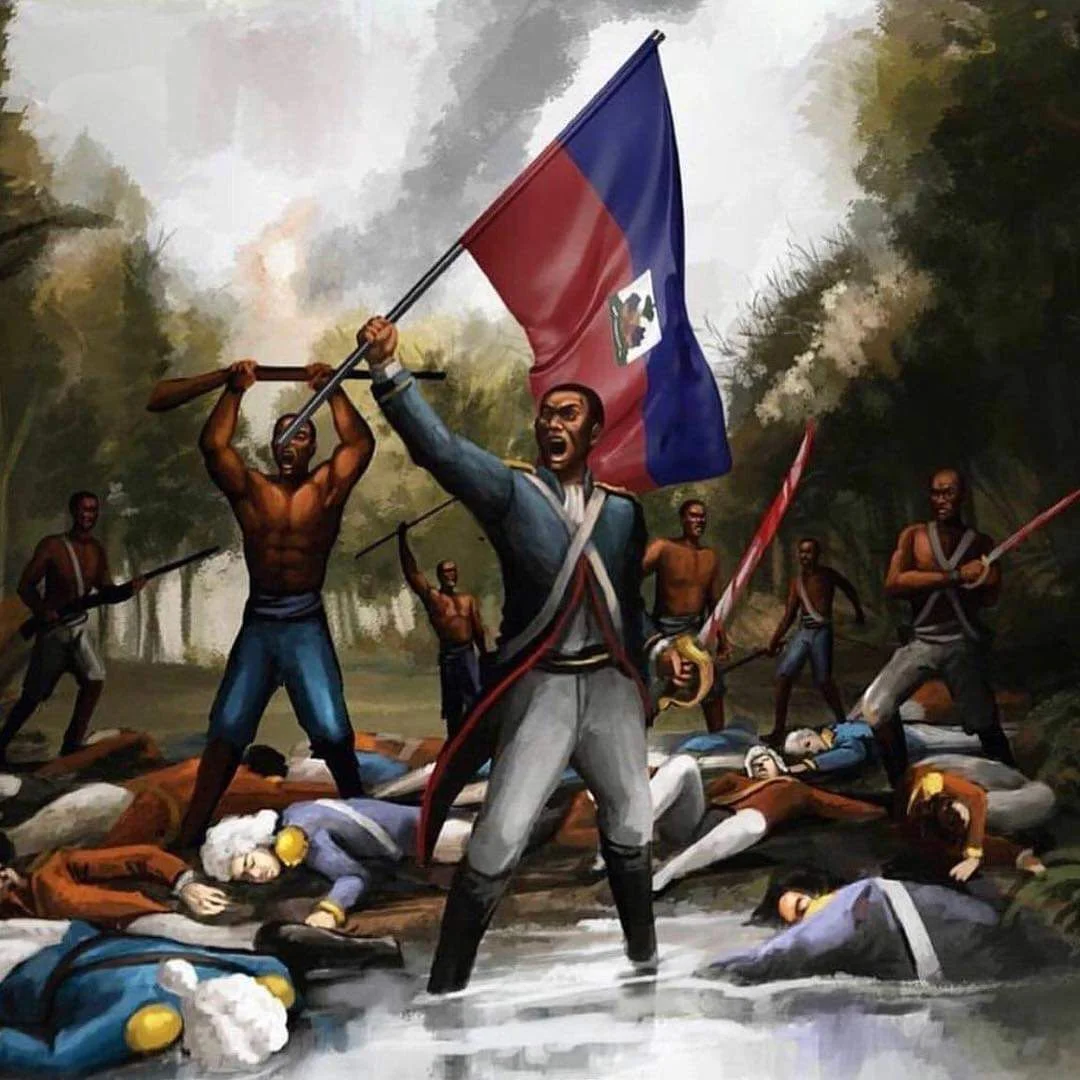
First black nation to free itself from slavery and gain independence from France in 1804 and influenced other liberation movements around the world, inspiring struggles for freedom and equality.

Natural beauty

Natural beauty

Haïti is blessed with spectacular natural landscapes, including white sand beaches, mountains and rich biodiversity.

Heritage

Heritage

Haïti has a rich historical heritage, including sites like the Citadelle Laferrière and the Sans-Souci Palace, listed as UNESCO World Heritage Sites.

Culture

Culture

Haïti has a rich and diverse culture, influenced by African, European and indigenous elements. Haitian music, dance, art and cuisine are celebrated around the world.

  • +
    • Post