contact@haitiwonderland.com+509 36184317

Discover

Shopping Cart

Celebrating Christmas in Haiti: How Haitian Culture Makes the Holidays Shine

Celebrating Christmas in Haiti: How Haitian Culture Makes the Holidays Shine

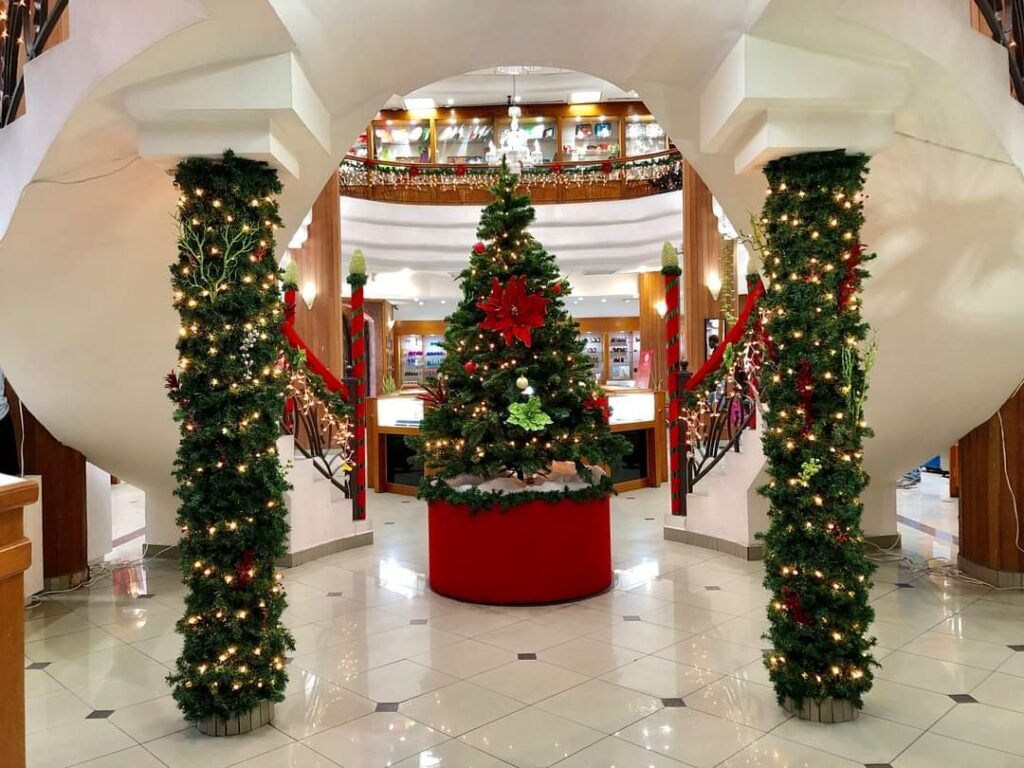
Christmas in Haïti is a time when culture, spirituality, and conviviality come together to create a unique and warm atmosphere. This holiday, deeply rooted in the country’s traditions, is an opportunity to bring families together, share delicious meals, and celebrate together in a spirit of solidarity. This article explores how Christmas is celebrated in Haiti, highlighting the local traditions, feasting, and community spirit that make this time of year an unforgettable experience.

Haïti
Haïti
Haïti

Religious Celebrations: A Time for Spiritual Gathering

In Haiti, Christmas is first and foremost a religious celebration. Haitians flock to Midnight Mass, a central event on Christmas Eve. This mass is an opportunity to gather as a family and community to celebrate the birth of Jesus Christ. The church becomes a place of prayer, carols and Christmas hymns, creating a spiritual atmosphere filled with devotion and joy.

After mass, celebrations continue at home, where families gather for a festive meal. It is a time of sharing, exchanges and strengthening family and community ties. Christmas in Haïti is also a time to remember the importance of unity and brotherhood, values ​​dear to Haitian culture.

See as well

Haïti
Haïti
Haïti

Christmas Feasts: Traditional Dishes and Local Flavors

Haitian cuisine takes center stage during the Christmas holidays. Meals often consist of typical dishes, carefully prepared for the occasion. Among the most popular dishes is griot, a marinated and fried pork, accompanied by diri ak pwa (rice and beans), local vegetables and fried plantains. These tasty and nourishing dishes are shared with loved ones and create a warm atmosphere.

Another popular dish during the holidays is ham soup, a traditional dish that symbolizes Haitian generosity and hospitality. This rich dish, often prepared with boiled ham, fresh vegetables and local spices, is enjoyed on Christmas Eve and is one of the must-have delicacies of this period.

Desserts also occupy a special place in Christmas meals. Candied fruits, pain patate (a sweet potato cake) and homemade chocolate candies are typical sweets found on tables during this festive period.

Cultural Traditions: Music, Dance and Sharing

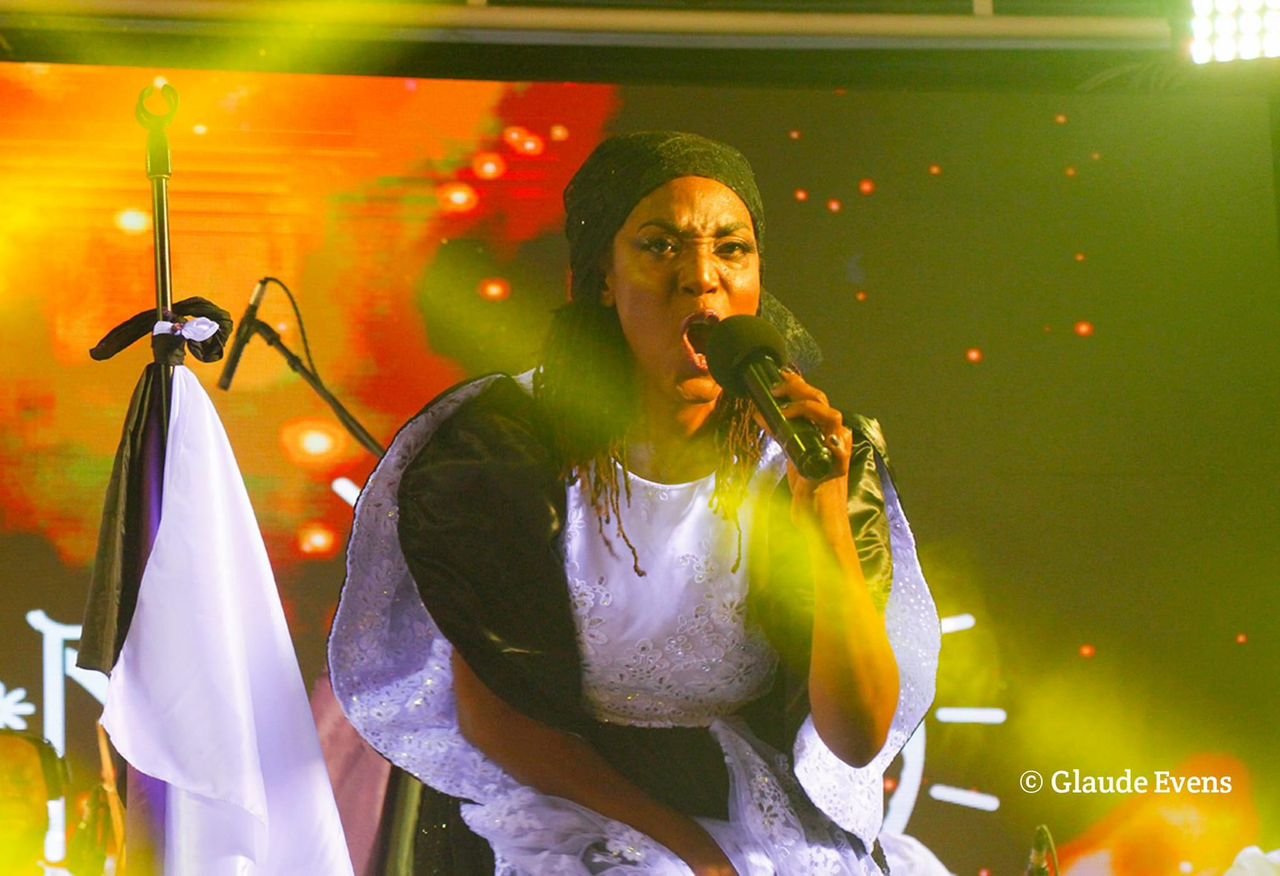
Christmas in Haïti is not only a religious or culinary celebration, it is also a time of great conviviality. Haitians love to get together with family and friends to sing, dance and share moments of happiness. Music is essential to the celebration: traditional Christmas carols performed by local bands are often heard, as well as Haitian folk music that punctuates the evenings.

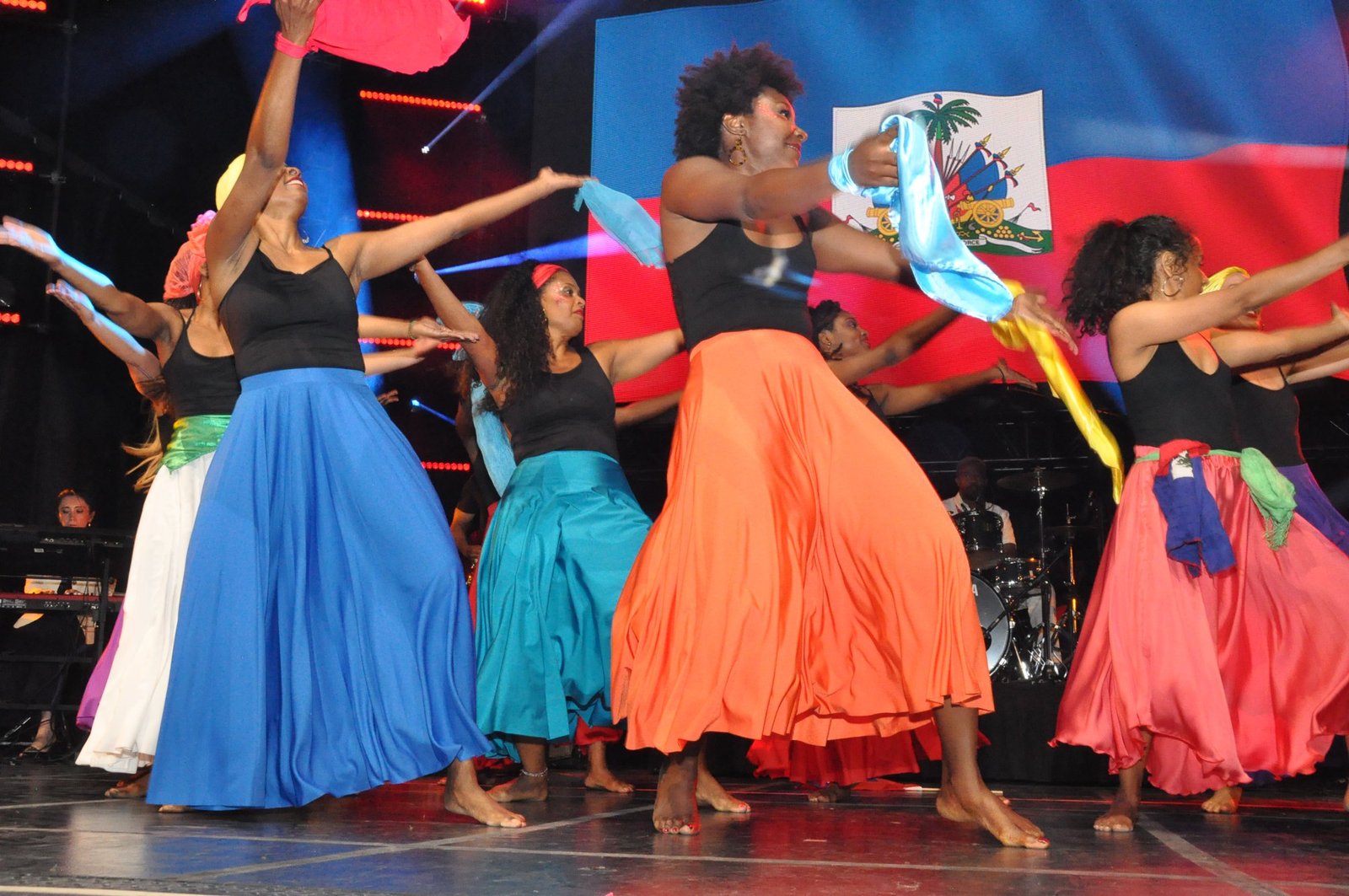
Dancing is an integral part of the festivities. After dinner, family members gather for dancing, where Haitian rhythms such as kompa and zouk set the tone. These dances and music create a lively and joyful atmosphere, where everyone gets carried away by the collective energy.

Bonfires are also an important tradition during the holidays. They symbolize the light brought by the birth of Christ and are often lit in courtyards or community spaces to bring people together. These fires create a friendly atmosphere where people share, sing and dance together.

Haïti
Haïti
Haïti

The Spirit of Solidarity: Christmas, A Time of Sharing and Generosity

Christmas in Haïti is also a time when the spirit of solidarity and sharing is at its height. Beyond family festivities, many charitable actions are organized during this period. Families and communities share their meals with the most deprived, offering hot meals and gifts to poor children.

Churches and charities play an important role in this dynamic of solidarity. Events are organized so that everyone can participate in the collective effort, whether it is giving a meal, raising funds or providing clothing to those in need. This social dimension of Christmas strengthens community ties and reminds us of the importance of generosity and mutual support.

Haitian Christmas in the Diaspora: A Tradition That Brings People Together Across Borders

Christmas is also widely celebrated in the Haitian diaspora around the world. Whether in Miami, New York, or Montreal, Haitians living abroad carry on Christmas traditions with the same fervor as they do in their home countries. These communities organize parties, religious services, and community meals to mark this time of year.

The Haitian diaspora uses Christmas as a way to maintain ties to their culture, introducing younger generations to the customs and traditional foods of their home countries. Christmas meals are often shared with friends from other backgrounds, thus introducing Haitian culture to a wider audience and strengthening intercultural ties.

Le Makaya, histoire et pratiques vaudouesques en haïti

Le Makaya, histoire et pratiques vaudouesques en haïti

Le Makaya est bien plus qu’une simple fête ; il est un pilier spirituel du vaudou haïtien, une tradition vivante qui lie les croyances ancestrales aux rituels de purification, de guérison et de renouveau. Célébré principalement à la fin du mois de décembre, le Makaya tire ses racines de l’Afrique, en particulier des civilisations bantoues, et se déroule dans un contexte profondément spirituel où les liens avec les ancêtres et les forces naturelles sont essentiels. Le terme "Makaya", qui signifie "feuilles" en Kikongo, est intrinsèquement lié à la nature et aux plantes, éléments essentiels du vaudou. Ce lien direct avec la nature fait du Makaya un moment de purification, où les croyants se connectent à la terre et aux esprits par l’intermédiaire des végétaux. La tradition du Makaya vient des peuples Bantous, principalement du Congo, et de leurs pratiques spirituelles qui ont été transposées, adaptées et enrichies par la diaspora haïtienne pendant la période de l’esclavage. La période du Makaya commence le 21 décembre, lors du solstice d’hiver, une date symbolique marquant la victoire de la lumière sur les ténèbres, le commencement du renouveau solaire. Dans le vaudou, cette époque est perçue comme un moment d’introspection où la nuit la plus longue de l’année se transforme lentement en jour, apportant avec elle des forces purificatrices et régénératrices.

Haïti
Haïti
Haïti

Christmas in Haiti, A Moment of Joy, Brotherhood, and Tradition

Christmas in Haïti is a vibrant holiday, where religious traditions, family celebrations, delicious cuisine, and a spirit of solidarity blend together. It is a time when unity, generosity and the joy of living are fully expressed through rituals and festivities. From midnight mass to shared meals, to music and wild dancing, Christmas in Haïti is a true immersion in Haitian culture and values. Whether at home or abroad, Christmas remains a special time to honor traditions and celebrate national unity.

Share
About the Author
Appolon Guy Alain
Appolon Guy Alain
Appolon Guy Alain

Full Stack Developer, Créatif, expérimenté, passionné des nouvelles technologies et de l’art.

See other articles from Appolon Guy Alain
Leave a comment

Recently Posted

Newsletter

Subscribe to our newsletter to stay informed of all our activities and news on Haiti.

Guédés: When Haïti celebrates its ancestors with color and fervor

Every November 1st and 2nd, Haïti comes alive with the colors black and purple to celebrate the Guédés, spirits venerated in the voodoo religion, symbols of a powerful bond between the living and the dead. Fascinating, indomitable and provocative, the Guédés form a true family in the pantheon of Haitian voodoo, where they are respected for their role as spiritual guides of the deceased to the afterlife. Led by iconic figures such as the legendary Baron Samedi and his companion Grann Brigitte, the Guédés embody the paradoxes of life and death. Each Baron has a unique personality: Baron Cimetière, Baron Kriminel, and Baron La Croix are the guardians of the souls that wander on the borders of the world of the dead. Together, they form a powerful and somewhat frightening presence, but one that is deeply rooted in Haitian culture. The Guédés are not like other voodoo spirits; they demonstrate their fearlessness in a spectacular way. Accustomed to death, they are fearless and are provocative: they eat glass, raw peppers, and coat their sensitive parts with rum and pepper. These gestures mark their indifference to danger and remind us that they have already known earthly life. They are thus psychopomps – these beings who lead the souls of the dead – and act as bridges between the world of the living and that of the dead. Some Guédés, like Guédé Nibo, wear black, purple, and white clothing, each with unique characteristics. They are many and varied: Guédé Fouillé, Guédé Loraj, Papa Guédé, and many others. These are the spirits who, each year, remind Haitians of the importance of remembering and honoring the deceased. The cult of the Guédés is not only religious; it is also cultural and historical. According to tradition, their spiritual territory, or “Fètomè” – nicknamed the “Country without Hats” – is a place where the souls of ancestors reside. According to stories, the origins of this cult go back to the Abomey plateau, the ancient capital of the kingdom of Dahomey, in Africa, where death and life coexist in a form of symbiosis. This celebration in Haïti even finds echoes in ancient history. The Romans also honored their dead with the “Fête des Lémuria”, which took place in February, to ward off spirits and restore peace between the world of the living and that of the deceased. For Haitians, honoring the Guédés is about accepting death as a part of life and celebrating the invisible bonds that unite us with those who have left us. It is also a way of resisting, because life, despite its challenges, must be celebrated in all its complexity and depth.

Haiti: Is buying votes to be elected a form of corruption or political strategy?

The democratic political system requires the active participation of citizens in the management of the city. Everyone freely expresses their opinion for harmonious management of society. Generally the choices are made from the organization of free and honest elections. However, sometimes candidates use diverted means to achieve their ends. Can we consider this act as a form of corruption or a political strategy? In a democratic society, the organization of elections at regular intervals is an imperative. Managers are generally elected by the majority of voters, which ensures them a certain legitimacy within the framework of government management. Today, more and more, around the world, the elections are controlled by economic power. This sector gives a lot of silver to candidates who often buy the media services in order to have certain visibility through mass communication means (radio, VAT, Internet, etc.) and do without constraints Many very expensive trips, which require enormous capital. By the way, the possibility that a candidate with low financial means of being elected is increasingly reduced in Western societies. Despite everything, it is illegal to buy the votes of the voters. It is an act of corruption that should lead to criminal sanctions. No society can tolerate this practice which could hamper the degeneration of the democratic system and, consequently, of the electorate system. Civil society and human rights organizations must be vigilant in order to avoid these harmful drifts in the democratic system. In fact, the temptation to bribe the voters in order to access elective positions must be denounced as an act of corruption. In doing so, will lead to political dissenting between duty, and law, because citizens are called upon to freely choose the leaders of the city. Ultimately, the organization of the elections must be the fruit of consensus between the various groups of the social system. Managers must be chosen according to their ability to provide adequate answers to the problems of the company. They can still benefit from powerful financial means from other partners. But, giving voters directly money is a condemnable detective act which reduces the autonomy of action and thinking of voters. In this sense, the latter’s vote must reflect the desire to choose or build a fair, fair and favorable company.
Recently Posted

History

History

First black nation to free itself from slavery and gain independence from France in 1804 and influenced other liberation movements around the world, inspiring struggles for freedom and equality.

Natural beauty

Natural beauty

Haïti is blessed with spectacular natural landscapes, including white sand beaches, mountains and rich biodiversity.

Heritage

Heritage

Haïti has a rich historical heritage, including sites like the Citadelle Laferrière and the Sans-Souci Palace, listed as UNESCO World Heritage Sites.

Culture

Culture

Haïti has a rich and diverse culture, influenced by African, European and indigenous elements. Haitian music, dance, art and cuisine are celebrated around the world.

  • +
    • Post