contact@haitiwonderland.com+509 36184317

Discover

Shopping Cart

How is Carnival Celebrated in Haiti? An Explosion of Colors and Culture

How is Carnival Celebrated in Haiti? An Explosion of Colors and Culture

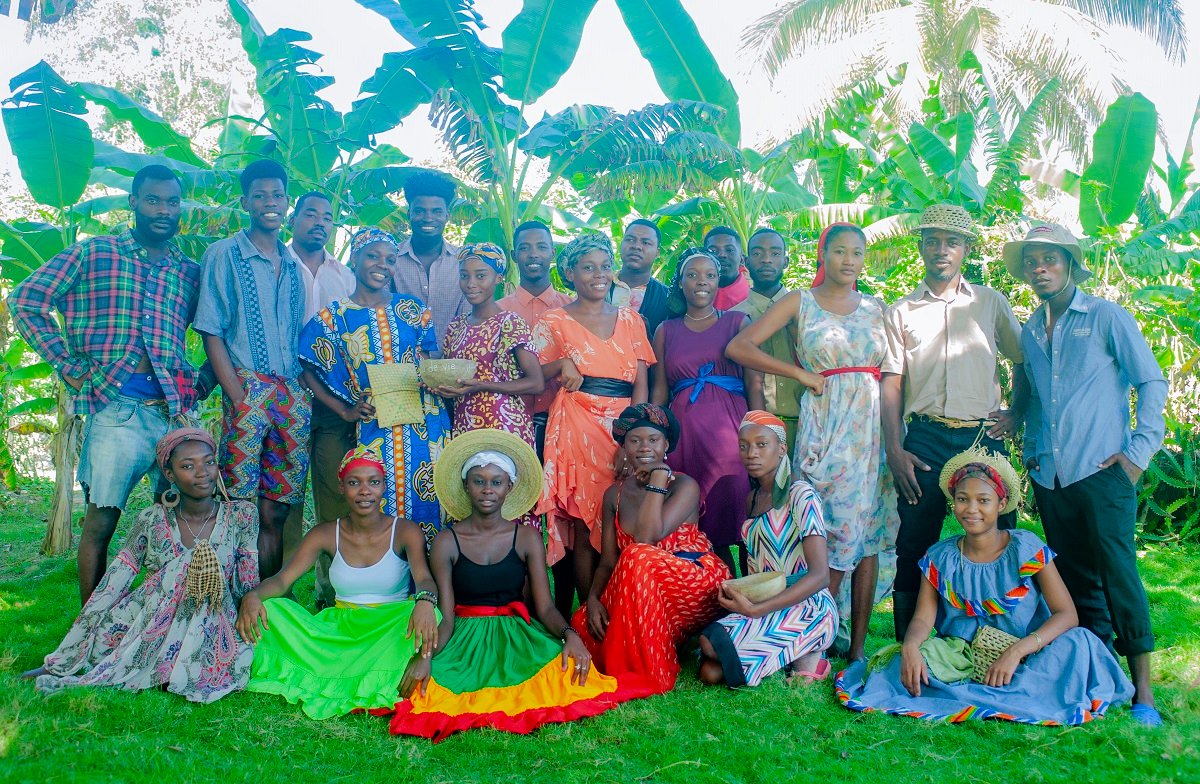
Carnival in Haïti is a must-see celebration that embodies the vibrant and festive soul of the country. Each year, this spectacular celebration attracts thousands of participants and visitors, fascinated by the energy, creativity and cultural richness of Haiti. It is a time when music, dance and traditions intertwine in a whirlwind of joy and national pride. Immerse yourself in the enchanting world of Haitian Carnival and discover everything that makes it a unique event.
Haïti
Haïti
Haïti

1. A Party with a Deep Heritage

Carnival, or "Kanaval" in Creole, draws its roots from colonial history and African traditions.
- Origins: This celebration, linked to the Christian calendar, precedes Lent and offers a moment of freedom and joy before a period of spiritual reflection.
- Cultural Influences: Haitian Carnival blends European, African and indigenous elements, creating a celebration that is unique in the world.

See as well

Haïti
Haïti
Haïti

2. Key Dates of Carnival in Haiti

Haitian Carnival generally begins in January and culminates in the three days preceding Ash Wednesday.
- Dimanche Gras, Lundi Gras and Mardi Gras: These three days are the most important, marked by spectacular parades and a general festive atmosphere.
- Preparations: The festivities begin well before, with musical evenings, band rehearsals and costume contests.

Haïti
Haïti
Haïti

3. Spectacular Parades: The Heart of the Celebration

The streets of Haiti’s main cities, including Port-au-Prince, Jacmel and Cap-Haïtien, are transformed into open-air stages.
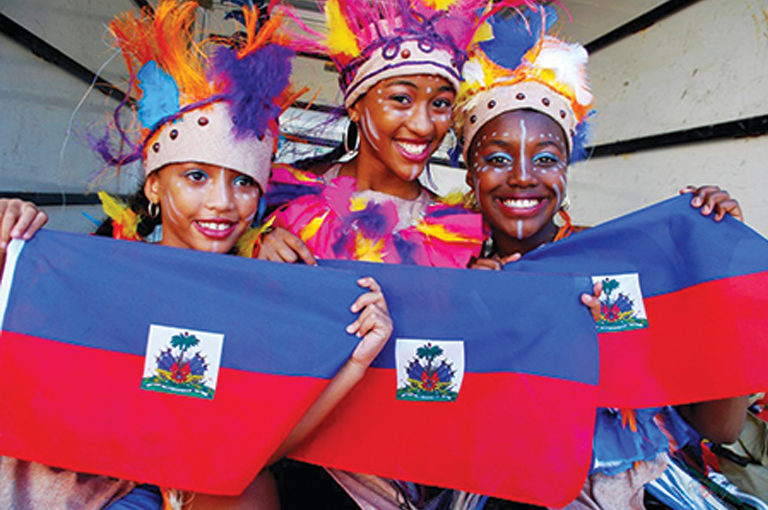
- Extravagant Costumes: Participants wear elaborate and colorful costumes, often inspired by historical, cultural, or social themes.
- Allegorical Floats: Beautifully decorated floats pass through the streets, accompanied by rhythmic music and dancers.
- Rara and Live Music: Foot bands, *compas* and *rara* groups punctuate the festivities with captivating percussion and lively songs.

Haïti
Haïti
Haïti

5. A Cultural and Political Dimension

The Haitian Carnival is not just a celebration: it is also a space for social and political expression.
- Social messages: Costumes and songs often address themes such as politics, the environment or social struggles.
- Humorous satires: Performances include humorous critiques of current events, reflecting the creative and engaged spirit of Haitians.

Haïti
Haïti
Haïti

6. Gastronomy and Street Food Tastings

The Carnival is also an opportunity to savor Haitian specialties.
- Fritay: These street foods, such as bananas pesées, griot and acra, are very popular during the festivities.
- Local sweets: Sweets such as douce kokoye (coconut candy) and roasted pistachios add a sweet touch to the event.
- Traditional drinks: Local drinks such as clairin (artisanal rum) and natural juices are omnipresent.

Haiti: Carnival and Rara: Crossed Perspectives on Culture and Haitian Identity

Haiti: Carnival and Rara: Crossed Perspectives on Culture and Haitian Identity

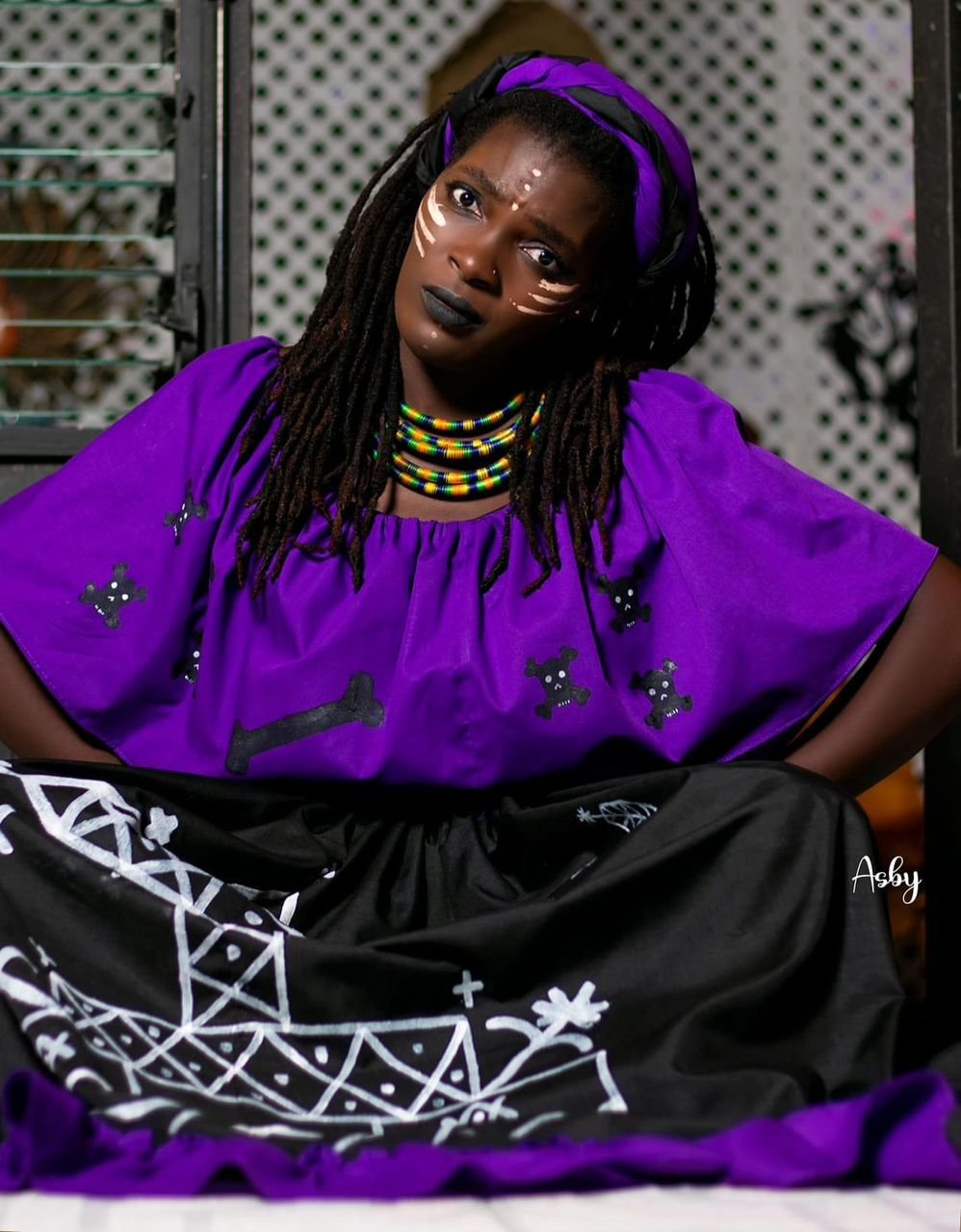
In our tradition, carnival represents an essential cultural activity. Indeed, for the holding of it this year, the State had drawn from the public treasury not only a huge sum but also a strong concentration of law enforcement to ensure the protection and security of carnival-goers in the area. metropolitan. Despite numerous criticisms and concerns expressed by certain media on the one hand, then on the other hand by the democratic opposition. While it is true that in Port au Prince these concerns had had a no less valuable consequence on the progress of this festivity. It is no less true that this was the case in other provincial towns, as proof in the southeast department the authorities did not record anything as an element of accident or incident during the progress of the carnival unlike Port au Prince. Certainly, socio/economic problems are increasingly worrying, nevertheless what makes us what we are today, a free and independent people is none other than our exceptionality. This deeply expresses our intrinsic characteristic in relation to people. In fact, historically we are a people who laugh and cry, smile and irritate, dance and hit the system, sing and fight so well that "grenadya alaso sa ki mouri zafè ya yo" is the most emblematic song of the slaves for the conquest of our freedom. We do not intend to claim that those who expressed their disagreement with the carnival are showing a historical deficit. However, we leave in the shadows a fundamental question: why is carnival taken care of by the State while the rara is like an abandoned child? The rara is not only a simple cultural tradition but, above all, it is the heritage of our valiant warriors who bravely fought the French expeditionary army, the most powerful of the time. While, this mass cultural, she is still marginalized by state authorities. It is emphasized that social cohesion is the dead point of carnival. On the other hand, this is the strong point of rara. As proof, the Thursday of the Dead in our Voudouesque tradition which represents the opening ceremony for the rara bands is the blatant testimony of this social cohesion. And, in fact, there were circles of people who took divergent directions to attend the opening ceremony of their rara bands. For this opening ceremony the atmosphere was a taste of carnival in terms of color. On the side of Croix Hilaire, for the title champion Ratyèfè full force band, the color of his club was very diverse, a long dress of apricot yellow, mauve white, then white scarf. In terms of performance, this band had completely proven its champion skills thanks to its arsenal of musicians who were not in their testing phase. To tell the truth, they performed their note with surgical precision as a doctor-surgeon in his surgical procedure. The synchronization between the musicians, the instruments and then the fans form a whole and harmonize perfectly well. This band not only has the magic of words and verbs, it seems that they also have the magic to thrill even the most reluctant fans. Moreover, his performance for this dead Thursday was a challenge for his rivals this weekend to the extent that their performances were less good. On the symbol side of light, Grap Kenèp was the wonder of the Thursday evening of the dead. His club dressed in the appropriate color for this evening, purple scarf, purple jersey, then white “kolan”. In a symbolic way, this marriage of color represents Baron in Haitian Vodou. Without a doubt, it was the most beautiful symbolic representation of the evening. In terms of performance, returning from the cemetery we felt a very strong warmth of jubilation, elation, and playfulness for a completely balanced performance. As far as Chenn Tamarin is concerned, it was already 2 a.m. when our team met him, it was a less good performance than what we were accustomed to. On the symbolic side it leaves something to be desired. His news was that he had his own media. Petit-Goave/Culture and Society

Haïti
Haïti
Haïti

Carnival in Haïti is an inclusive celebration that brings together all levels of society.
- For families: Areas are set up so that children and families can enjoy the festivities in complete safety.
- Artists and artisans: Painters, sculptors and fashion designers take advantage of this period to exhibit their unique creations.
- Tourists: Many foreign visitors come to discover the authenticity and beauty of this incomparable celebration.

Haïti
Haïti
Haïti

8. Why Haitian Carnival is Unique

Haitian Carnival is distinguished by its cultural depth and contagious energy.
- Authenticity: It is a celebration where traditions and modernity coexist harmoniously. - National Pride: Each participant expresses, through his costume, his dance or his music, his love for Haitian culture.
- Artistic Richness: The creativity displayed in the costumes, floats and performances is a true spectacle for the eyes.

Haïti
Haïti
Haïti

Experience Carnival in Haiti

Attending Carnival in Haïti means diving into a celebration where culture, history and joy come together. Between the intoxicating rhythms, the colorful parades and the warm welcome of the Haitians, this celebration is an unforgettable experience. Whether you are a spectator or a participant, the Haitian Carnival will leave you with lasting memories.

Share
About the Author
Appolon Guy Alain
Appolon Guy Alain
Appolon Guy Alain

Full Stack Developer, Créatif, expérimenté, passionné des nouvelles technologies et de l’art.

See other articles from Appolon Guy Alain
Leave a comment

Recently Posted

Newsletter

Subscribe to our newsletter to stay informed of all our activities and news on Haiti.

Exploring Cayes-Jacmel, Haiti: Discovering a tourist and cultural treasure.

Nestled in the splendid mountains of the southeastern region of Haiti, the picturesque commune of Cayes-Jacmel emerges as a rare pearl, offering an incomparable tourist and cultural experience. With its lush green landscapes, rich cultural heritage and exciting activities, this destination promises an unforgettable journey for travelers seeking authenticity and natural beauty. As soon as you arrive in Cayes-Jacmel, you will be captivated by the splendor of its landscapes. The plains and hills that dominate the terrain offer a breathtaking spectacle, ideal for picturesque hikes and leisurely walks. The town is also full of crystal clear waterways, perfect for a refreshing break or a relaxing fishing session. Explore the hidden trails and let yourself be enchanted by the thriving biodiversity of the region, where nature reigns supreme. Without forgetting the magnificent beaches of Kabic like "Ti Mouillage", where the fine sand and turquoise waters invite relaxation and water sports. Cayes-Jacmel is steeped in rich history and vibrant culture, reflected in its majestic temples and churches. With more than thirty-two temples of all faiths, including Baptist churches, Churches of God and Catholic churches, the town is a symbol of religious diversity and tolerance. Immerse yourself in the region’s fascinating past by visiting the magistrate’s court and police station, witnesses to its political and legal legacy. Experience the excitement of local life by participating in the lively festivals and cultural events of Cayes-Jacmel. Immerse yourself in the haunting rhythms of Haitian music during community celebrations, and discover traditional crafts at local markets. Don’t miss the town’s annual festival, where dance, gastronomy and the arts combine to create a festive and warm atmosphere. Whether you’re a sports lover, adventure enthusiast, or simply looking for relaxation, Cayes-Jacmel has something to offer every traveler. Play football or basketball on the local pitches, or dance the night away at one of the town’s lively nightclubs. For an authentic experience, join a fishing excursion with the locals, or explore the region’s hidden gems on an exciting jeep tour. With its breathtaking natural beauty, rich cultural heritage and captivating activities, Cayes-Jacmel emerges as an incomparable tourist and cultural destination in Haiti. Whether you are looking for adventure, relaxation or cultural discoveries, this picturesque town promises you an unforgettable experience, imbued with the very essence of Haitian life. Embark on a journey to the heart of the magic of Cayes-Jacmel and let yourself be enchanted by its charm.

Recently Posted

History

History

First black nation to free itself from slavery and gain independence from France in 1804 and influenced other liberation movements around the world, inspiring struggles for freedom and equality.

Natural beauty

Natural beauty

Haïti is blessed with spectacular natural landscapes, including white sand beaches, mountains and rich biodiversity.

Heritage

Heritage

Haïti has a rich historical heritage, including sites like the Citadelle Laferrière and the Sans-Souci Palace, listed as UNESCO World Heritage Sites.

Culture

Culture

Haïti has a rich and diverse culture, influenced by African, European and indigenous elements. Haitian music, dance, art and cuisine are celebrated around the world.

  • +
    • Post