contact@haitiwonderland.com+509 36184317

Discover

Shopping Cart

What does October 17th represent for Haiti?

What does October 17th represent for Haiti?

Why is October 17th etched in the hearts of Haitians? The brutal assassination of Jean-Jacques Dessalines reveals the dark secrets of the young republic. The story you need to know.

October 17th occupies a tragic but fundamental place in Haitian history. This date marks the assassination of Jean-Jacques Dessalines, the founding father of the Haitian nation and first emperor under the name of Jacques I.

Who Was Jean-Jacques Dessalines?

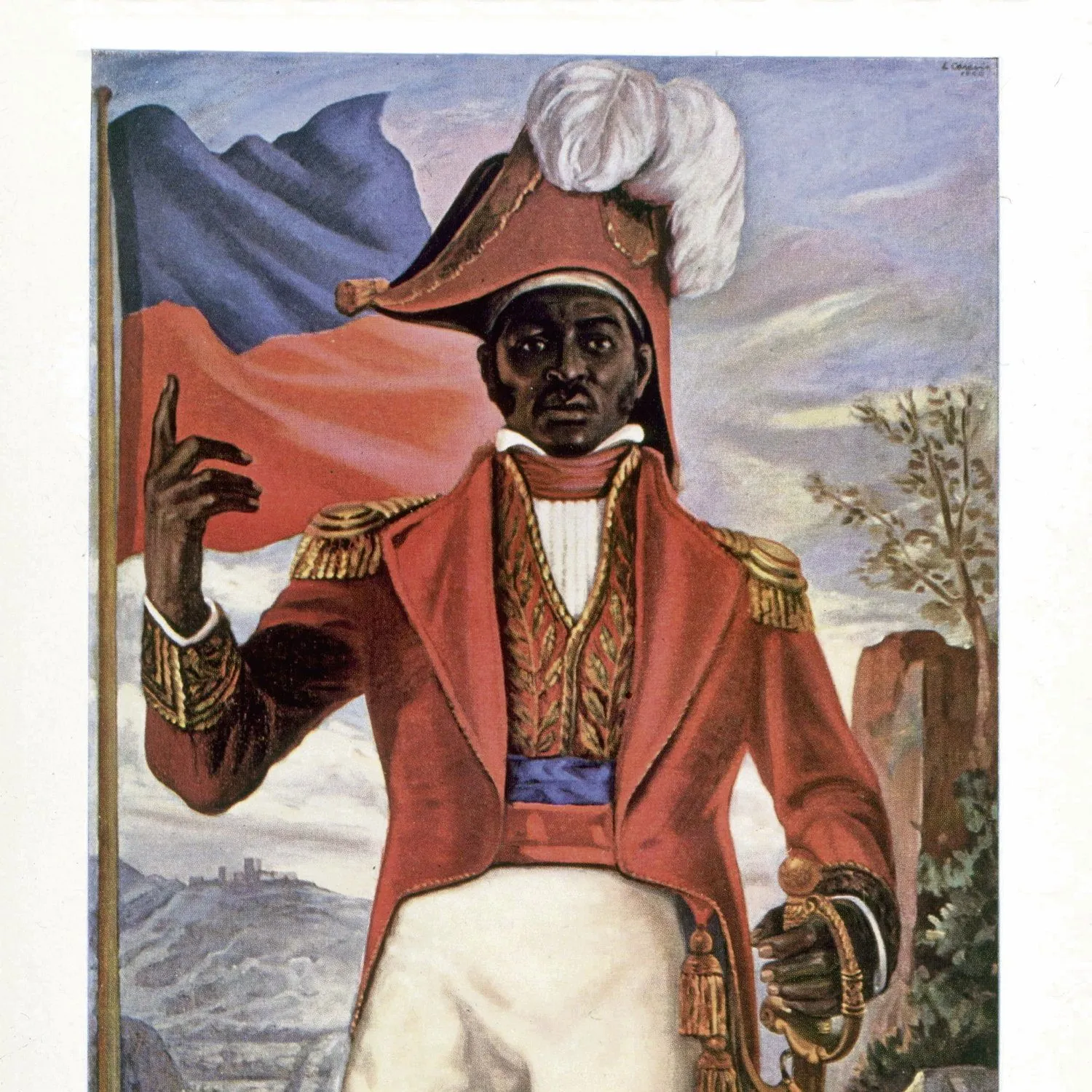
Jean-Jacques Dessalines remains one of the most iconic figures in Haitian history. Born a slave around 1758, he rose to become the military leader who consolidated Haiti’s independence in 1804, making the country the world’s first free Black republic and the first nation in the Americas to permanently abolish slavery.

Dessalines was renowned for:

- His exceptional military bravery in the fight against French colonial forces
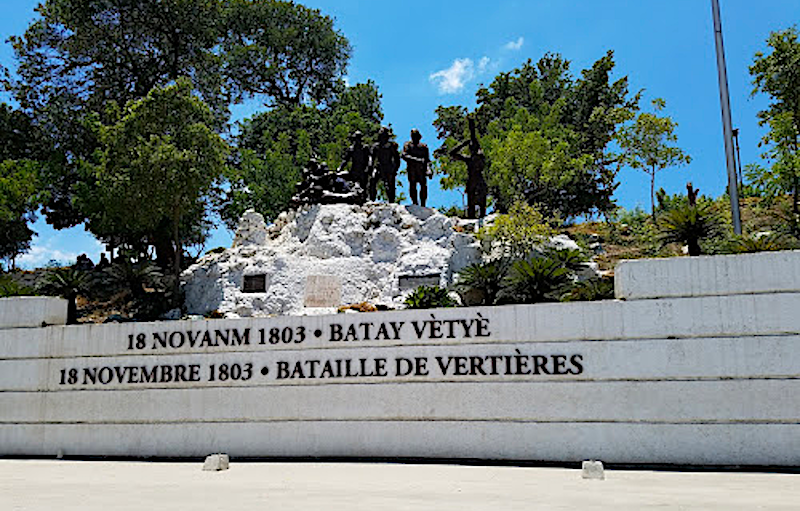
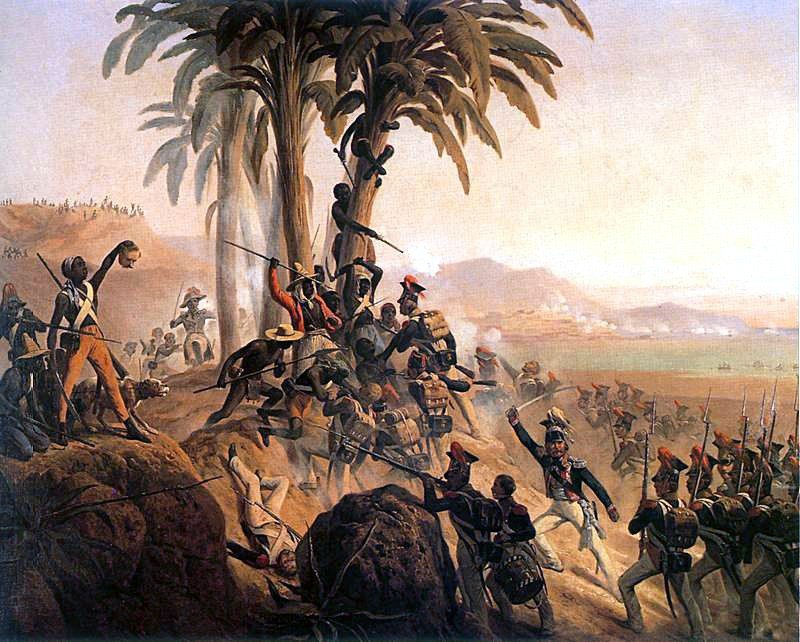
- His decisive role in the Battle of Vertières in November 1803
- His historic proclamation of Haitian independence on January 1, 1804
- His vision of a sovereign and independent Black nation

The Circumstances of the Assassination

On October 17, 1806, Dessalines was ambushed at Pont-Rouge, near Port-au-Prince, while en route to suppress a revolt in the south. His assassination was the result of a plot orchestrated by other Haitian generals, notably Alexandre Pétion and Henri Christophe, who opposed his authoritarian style of governance and radical agrarian policies.

This internal betrayal revealed the deep tensions that already existed in the young nation, barely two years after its independence. Dessalines’ body was mutilated and abandoned in a public square, a brutal symbol of the end of an era.

Dessalines’ Legacy for Modern Haiti

Despite the controversies surrounding his authoritarian reign, Dessalines remains a powerful symbol for the Haitian people:

A national hero: He is considered the true architect of Haitian independence, the one who had the courage to definitively break with colonial France.

The national anthem: "La Dessalinienne," Haiti’s national anthem, adopted in 1904, bears his name and honors his memory.

A symbol of resistance: Dessalines embodies resistance against oppression and the struggle for the dignity of Black people, a message that still resonates today.

A complex figure: Historians continue to debate his legacy, between his brutal methods and his vision of a sovereign and independent Haiti.

How Haïti Commemorates October 17

Every year, October 17th is an opportunity for Haitians to reflect on their national history. Official ceremonies are held at Pont-Rouge, the site of the assassination, where wreaths are laid. Historical debates, lectures, and educational programs remind new generations of Dessalines’ sacrifice.

This commemoration also invites a broader reflection on the internal divisions that have marked Haïti since its early days of independence, a theme that unfortunately remains relevant today.

Why October 17th Remains Important Today

More than two centuries after his death, Dessalines remains a central figure of Haitian identity. October 17 reminds Haitians of:

- The price of independence and freedom
- The dangers of national division
- The importance of unity in building a strong country
- The need to preserve Haitian sovereignty

In a context where Haïti continues to face numerous political, economic, and social challenges, the memory of Dessalines serves as a reminder that the nation has already overcome extraordinary hardships and possesses within itself the resources to rebuild.

Jean-Jacques Dessalines, leader of the Haitian Revolution

Jean-Jacques Dessalines, leader of the Haitian Revolution

In the annals of the history of Haiti, an island located in the Caribbean at the entrance to the Gulf of Mexico and shared with the Dominican Republic, Jean-Jacques Dessalines emerges like a phoenix from the ashes of oppression. Born a slave on September 20, 1758 in the home of Henri Duclos, in Cormier (Grande-Rivière-du-Nord), in the French colony of Saint-Domingue, Dessalines was a Creole of African (Afro-Caribbean) origin. Freed during the 1794 abolition achieved through slave revolts, actually served as an officer in the French army during the French Revolution. At that time, the ideas of freedom and equality were at the heart of the concerns of the inhabitants of the colonies. Dessalines actively participated in the fighting against the Spanish and British forces, alongside the French, in Santo Domingo. Having risen to the rank of Lieutenant General, Jean-Jacques Dessalines turned against the French during the Leclerc expedition, sent to Saint-Domingue by Bonaparte to reestablish colonial authority and slavery during the Haitian Revolution. After the capture and deportation of Toussaint Louverture to France on June 7, 1802, Dessalines assumed a leading role in continuing the struggle for independence. He led numerous battles, including the battle of Crête-à-Pierrot in March 1802, where he galvanized his soldiers with his famous declaration: “Let those who want to remain slaves of the French leave the fort, let those, on the contrary, who want to die as free men, line up around me.” On January 1, 1804, Jean-Jacques Dessalines achieved the long-awaited goal of independence by proclaiming Haïti as a sovereign nation, becoming the second country in the Americas to gain independence from a colonial power. He became the first leader of the newly formed nation and was named Emperor under the name James I. However, his imperial reign was marked by authoritarian and brutal policies, including the massacre of many white settlers and the redistribution of land to peasants that was in the hands of the generals of the independence army. In addition, he organized the hunt for delinquents in the city while implementing rigorous agrarian policies, considering that they represented a threat to the stability of the nation, these controversial actions caused divisions within Haitian society. Dessalines was assassinated on October 17, 1806 following a plot organized by some of his generals in the Haitian army. His death marked the end of his brief but influential period in power. Despite the controversies surrounding his methods, he is recognized as the main architect of Haiti’s independence and his name was honored in 1903 by being attributed to the Haitian national anthem, La Dessalinienne, composed by Justin Lhérisson.Finally, the great visionary man Jean Jacques Dessalines remains an emblematic figure in the history of Haiti, recognized for his role in the fight for independence and the end of slavery in the region.

A Date Etched in Collective Memory

October 17, 1806, marks a tragic turning point in Haiti’s history, the abrupt end of its founder’s dream. But this date also symbolizes the resilience of a people who, despite hardship, continue to rise up and fight for their future. By remembering Dessalines, Haitians honor not only a man, but the very idea of ​​freedom and dignity for which he fought throughout his life.

Share
About the Author
Appolon Guy Alain
Appolon Guy Alain
Appolon Guy Alain

Full Stack Developer, Créatif, expérimenté, passionné des nouvelles technologies et de l’art.

See other articles from Appolon Guy Alain
Leave a comment

Recently Posted

Newsletter

Subscribe to our newsletter to stay informed of all our activities and news on Haiti.

Recently Posted

History

History

First black nation to free itself from slavery and gain independence from France in 1804 and influenced other liberation movements around the world, inspiring struggles for freedom and equality.

Natural beauty

Natural beauty

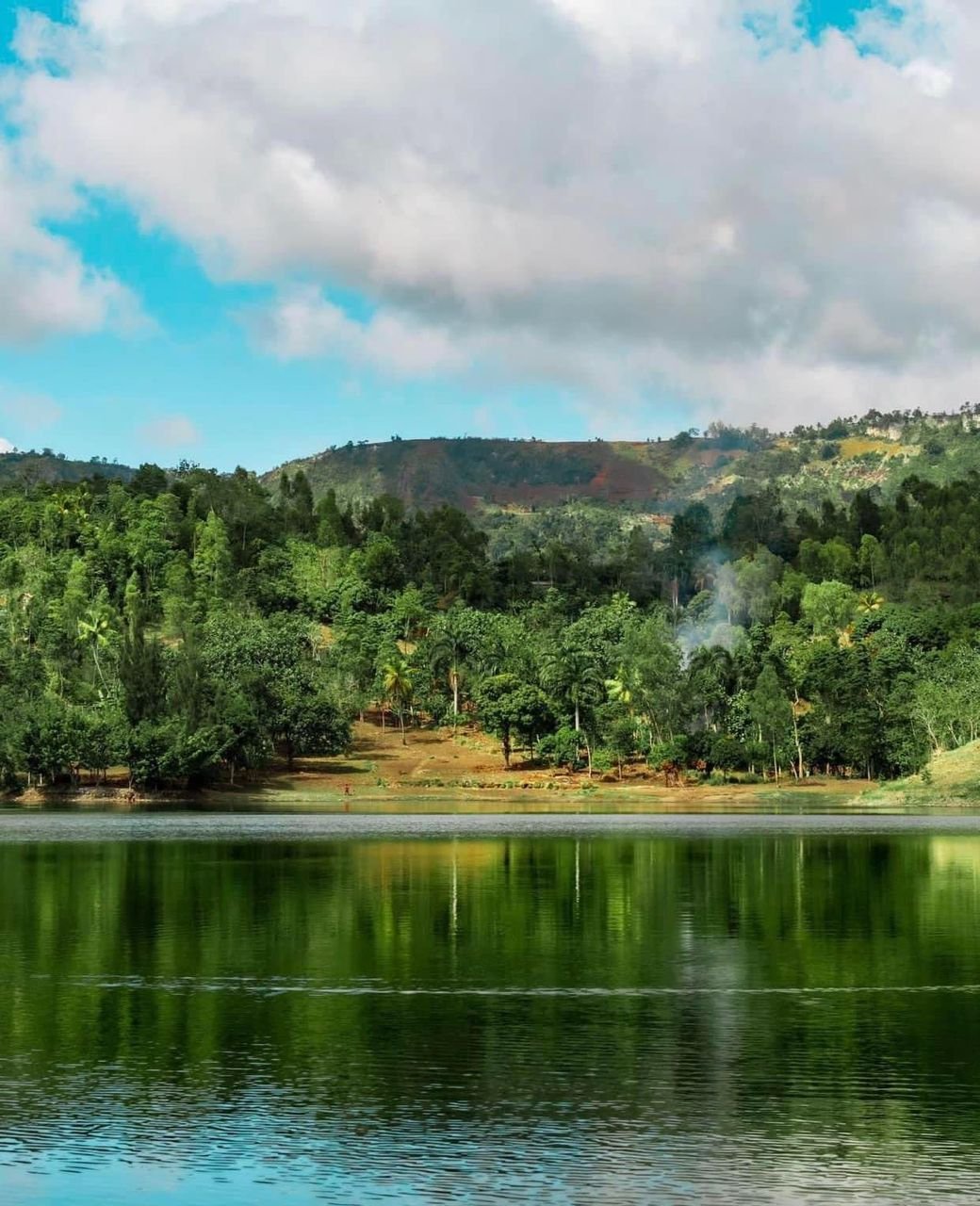
Haïti is blessed with spectacular natural landscapes, including white sand beaches, mountains and rich biodiversity.

Heritage

Heritage

Haïti has a rich historical heritage, including sites like the Citadelle Laferrière and the Sans-Souci Palace, listed as UNESCO World Heritage Sites.

Culture

Culture

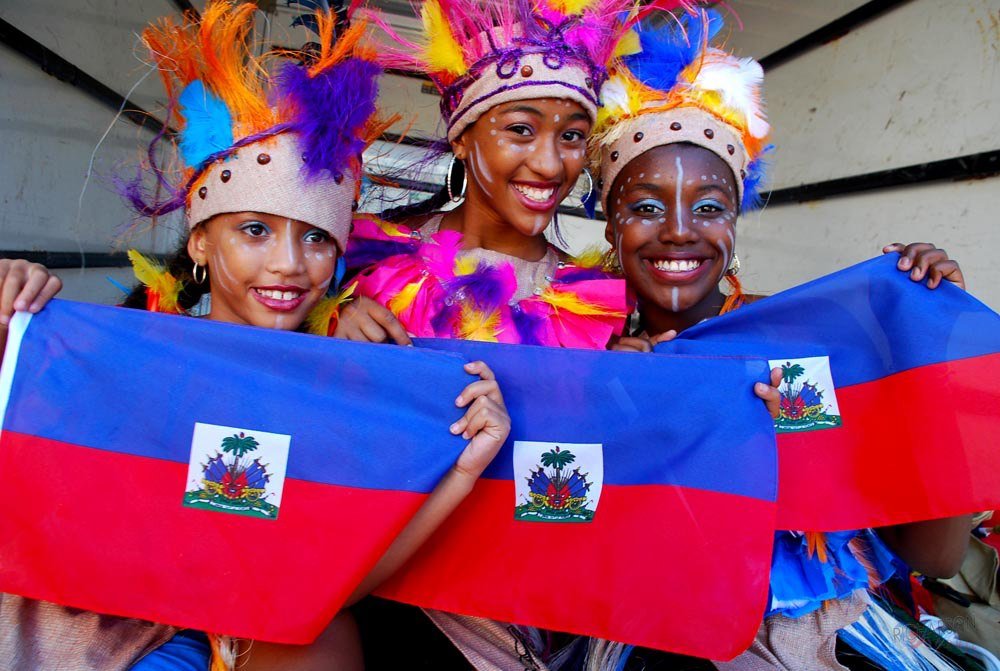
Haïti has a rich and diverse culture, influenced by African, European and indigenous elements. Haitian music, dance, art and cuisine are celebrated around the world.

  • +
    • Post