contact@haitiwonderland.com+509 36184317

Discover

Shopping Cart

Haiti, the Caribbean country with a rich and unmatched history

Haiti, the Caribbean country with a rich and unmatched history

Haïti is this small Caribbean country whose almost entire history is made up of great atrocities and a more than fabulous feat that a group of men had to accomplish for their own survival. The country was born at the heart of a story of resistance, of great importance and unparalleled in certain aspects, which can be proudly told to the rest of the world.

Haiti’s history is capable of awakening in any man, strong feelings against any form of injustice, with the power to inspire the revolt of the weakest against any criminal tendency of injustice. In this regard, it would be appropriate to consider Haïti as a great country, given the richness of its history. Although the country has gone through difficult times at certain points in its past and has a present with dark spots in some of its areas, it remains, nonetheless, the country of Toussaint Louverture, Jean-Jacques Dessalines, Henri Christophe, and Alexandre Pétion (father of Pan-Americanism). And above all, a country with a rich history, capable of competing with the richest histories of the world.

Haïti
Haïti
Haïti

The arrival of Christopher Columbus

The arrival of Christopher Columbus on the island of Hispaniola coincided with the landing of barbarism and genocide in the lives of the essentially peaceful indigenous peoples who populated the American continent before 1492. The brutal reign of the French colonists, after the Treaty of Ryswick in 1697, which ceded the western part of Hispaniola to them, is a notable black mark in this part of Haiti’s history. For the French colonists are largely responsible for the transatlantic slave trade. They were the first to decide to go to Africa, seize the Blacks, and bring them to the slave fields of Saint-Domingue. These fields, places of torment for the minds of the Blacks of that era, were where the most abominable atrocities prevailed everywhere, in everything. It is also important to note that the indigenous peoples, unable to withstand the inhuman barbarism of slavery, were the first victims of this evil system. It was to replace them that the Blacks were brought to the American continent, as they had suffered a genocide perpetrated by the European colonists.

Haïti
Haïti
Haïti

The resistance of Toussaint and the triumph of Dessalines

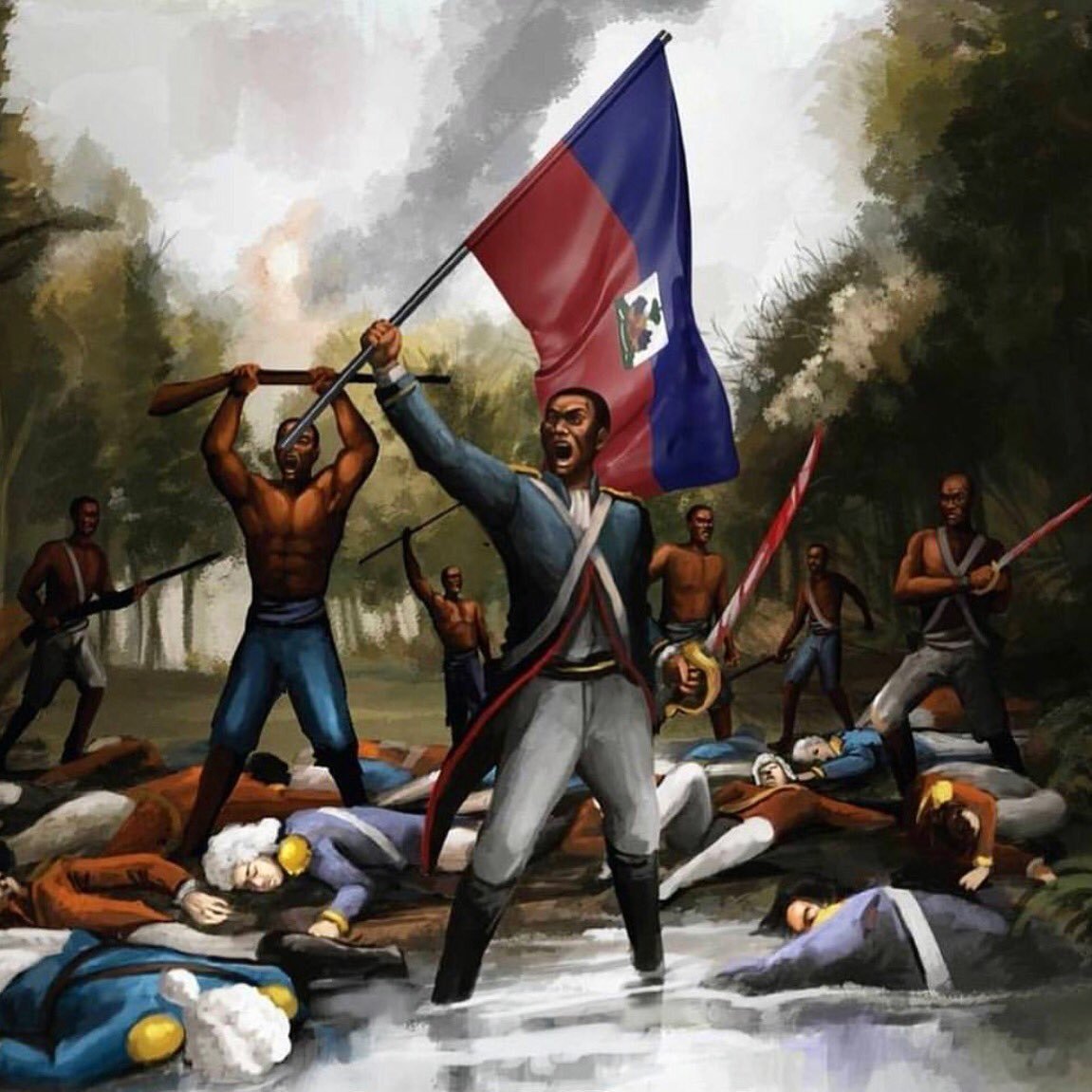
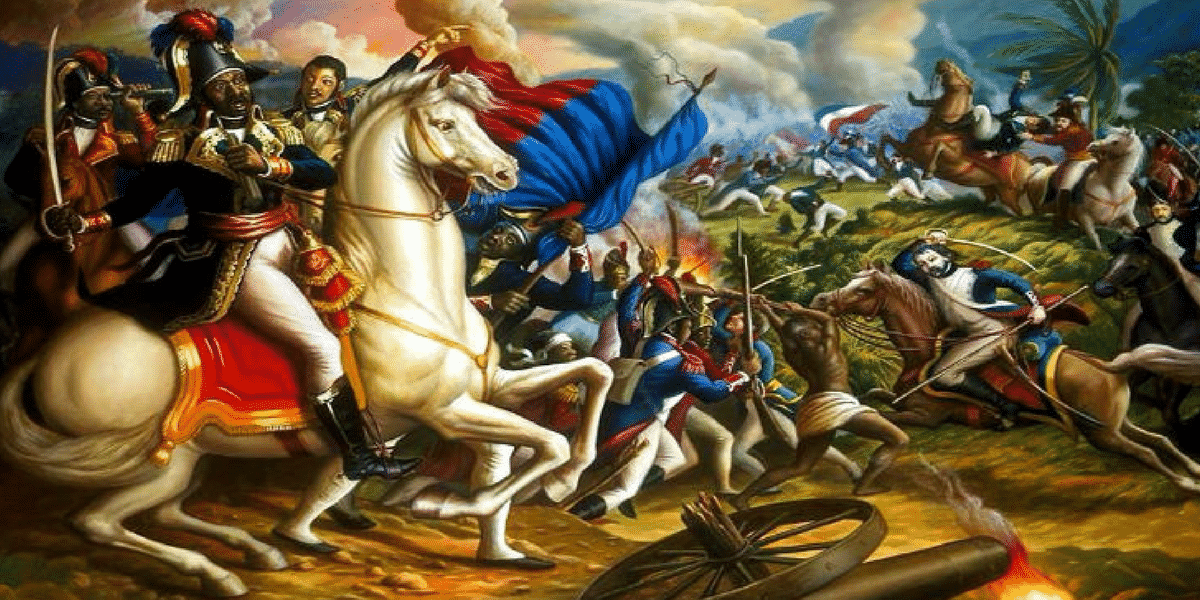
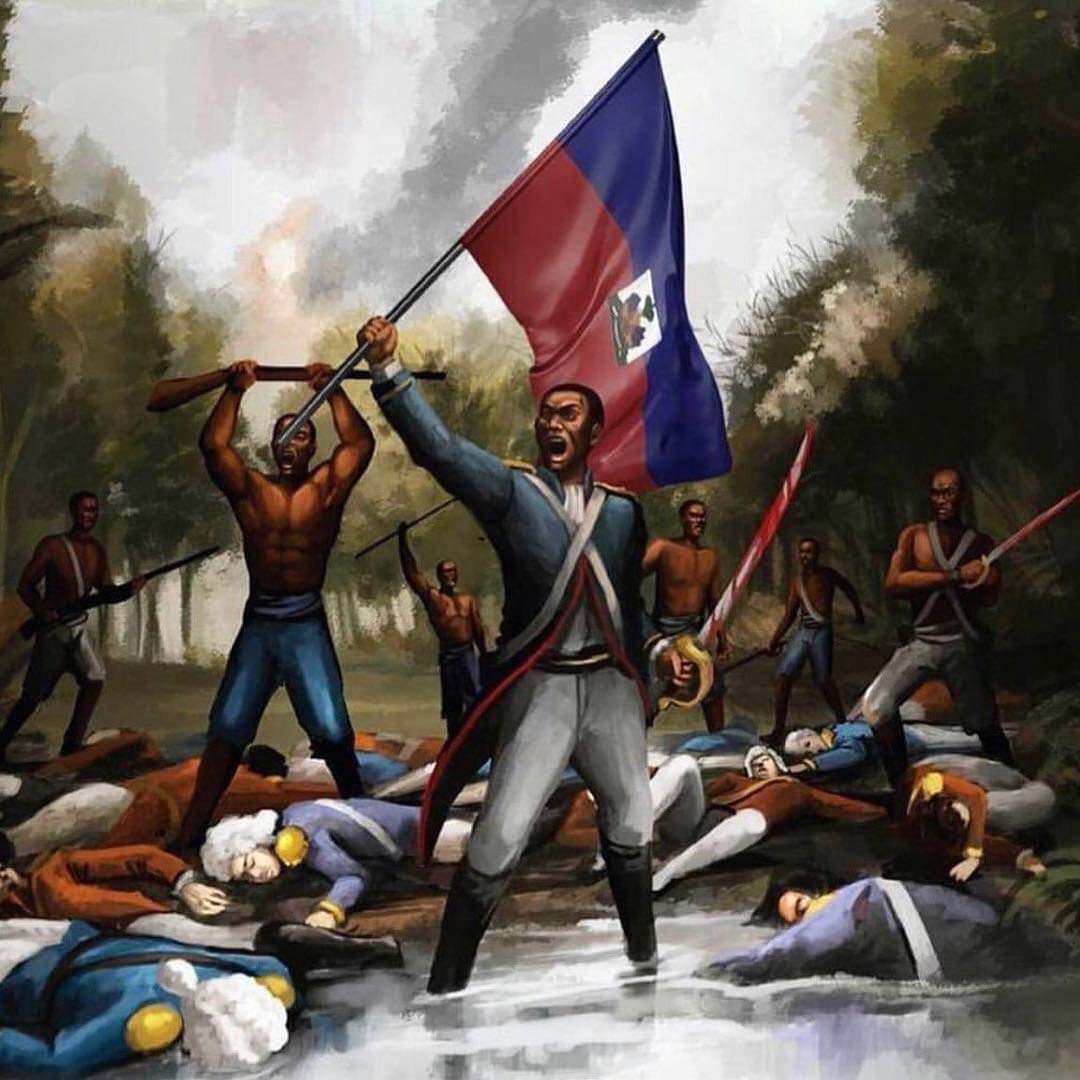
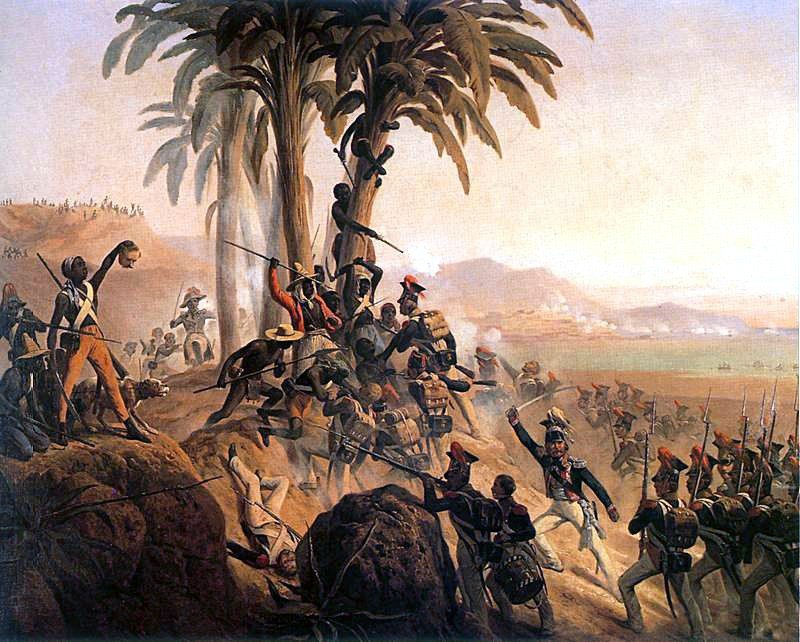
The Haitian Revolution, culminating in the glorious victory of 1804, saw important leaders at its helm. Among them, we can mention Makandal and Bookman. But the genius of Toussaint Louverture, combined with the success of Dessalines, crowned these great names in the most beautiful way. Indeed, although Toussaint Louverture died in France before the Haitian victory of 1804, he was the precursor of the Haitian Revolution, remaining a name the world associates with military genius. Dessalines, for his part, completed Toussaint’s legacy with his charisma, leadership, and pragmatism, leading the triumph of freedom and life in Saint-Domingue. He carried the flame of liberty to lands where the blood of the Blacks had historically flowed, where barbarism and the dirtiest depravity humanity had ever known over such a long period took root. This refers to the 400 years of slavery perpetrated by a race of men at the expense of another part of humanity, which resembles it despite some small nuances of difference.

Haitian Creole is our identity, it deserves to be valued: History, Origin and Evolution

Haitian Creole is our identity, it deserves to be valued: History, Origin and Evolution

The Haitian Creole, born in the 17th century during the French colonization on the island of Hispaniola, is not only a communication tool; it is an essential part of the Haitian identity. Despite being recognized as an official language in 1987, French is still considered an elite language, creating a social divide. In the educational system, where French is the language of instruction, Creole is often neglected, which affects the ability of students to understand what they are learning, especially for children from rural areas. It has a unique grammatical structure that facilitates learning, and serves as a means of cultural expression in literature, music, and other arts. The advancement of technology will allow Creole to gain more visibility in social media, but the stigmatization of the language still exists. Therefore, it is important for Creole to be valued in education and other sectors, to allow the new generation to grow up with pride for their heritage. The Haitian Creole language, which is the first language for the majority of people in Haiti, is not only a means of communication, but it is also a reflection of the cultural wealth and history of the people. In a country full of diversity, Creole and its origin, its evolution and its place in society, is a testimony of resistance and adaptation.

The celebration of January 1, 1804

On the heels of the great triumph of Vertières, after decades of struggle, the enslaved masses, heavily trampled by the heavily armed chains that framed the barbarism of slavery, finally triumphed and freed themselves from their unparalleled suffering. Moreover, Dessalines, at their head, agreed to lend a hand to other countries in the region in their struggle for freedom. The help given by the first Haitian emperor to Miranda can testify to this. Furthermore, the Haitian Revolution remains the most complete of its time. It was the only one to be both anti-colonial, anti-racist, and bitterly opposed to the muddy shame of slavery. Not to mention the fact that Dessalines officially declared free every human being subjected to slavery who reached Haitian shores.

Share
About the Author
Moise Francois
Moise Francois
Moise Francois

Journalist editor, poet and apprentice lawyer.

See other articles from Moise Francois
Leave a comment

Recently Posted

Haiti: In the Kingdom of Legends: Le Colombier, Keeper of the Secrets of Belle-Anse

In the heart of the azure waters of the Caribbean Sea, stands majestically the Colombier, an imposing rock mass that defies time and the elements. Located off the picturesque coast of Belle-Anse in southeastern Haiti, the Colombier is more than just a geological formation; it is a symbol of the natural beauty and cultural heritage of the region. Dominating the marine horizon with its imposing silhouette, the Colombier is shrouded in mystery and legends passed down from generation to generation. According to local stories, this rock was formed by the sea gods themselves, testifying to their passage through these crystal clear waters. A legend which adds an aura of fascination to this already enchanting place. But beyond its mythical appearance, the Colombier also offers a breathtaking visual experience. Visitors who venture to this natural wonder are rewarded with breathtaking panoramas: steep cliffs plunging into turquoise waters, isolated coves hemmed with golden sand, and abundant marine flora that enlivens the seabed. Le Colombier is also a refuge for remarkable biodiversity. Its waters are home to a multitude of marine species, from colorful fish to spectacular corals and majestic sea turtles. Scuba diving and snorkeling enthusiasts will find a preserved paradise there, where nature reigns supreme and each immersion is a fascinating exploration. As a tourist spot, Le Colombier offers an unforgettable getaway for travelers looking for adventure and authentic discoveries. Boat excursions from Belle-Anse allow visitors to get up close and personal with this natural wonder, contemplate its spectacular shapes and let themselves be captivated by its captivating beauty. In short, the Colombier embodies the quintessence of Haiti’s natural beauty, a hidden treasure in the heart of the Caribbean Sea. Between its breathtaking landscapes, its cultural heritage rich in legends and its exceptional biodiversity, this maritime jewel fully deserves its reputation as an essential tourist destination. Come discover the Colombier and let yourself be carried away by the magic of this exceptional place.

Newsletter

Subscribe to our newsletter to stay informed of all our activities and news on Haiti.

The Haitian Carnival: A Festival of Colors, Music and Traditions

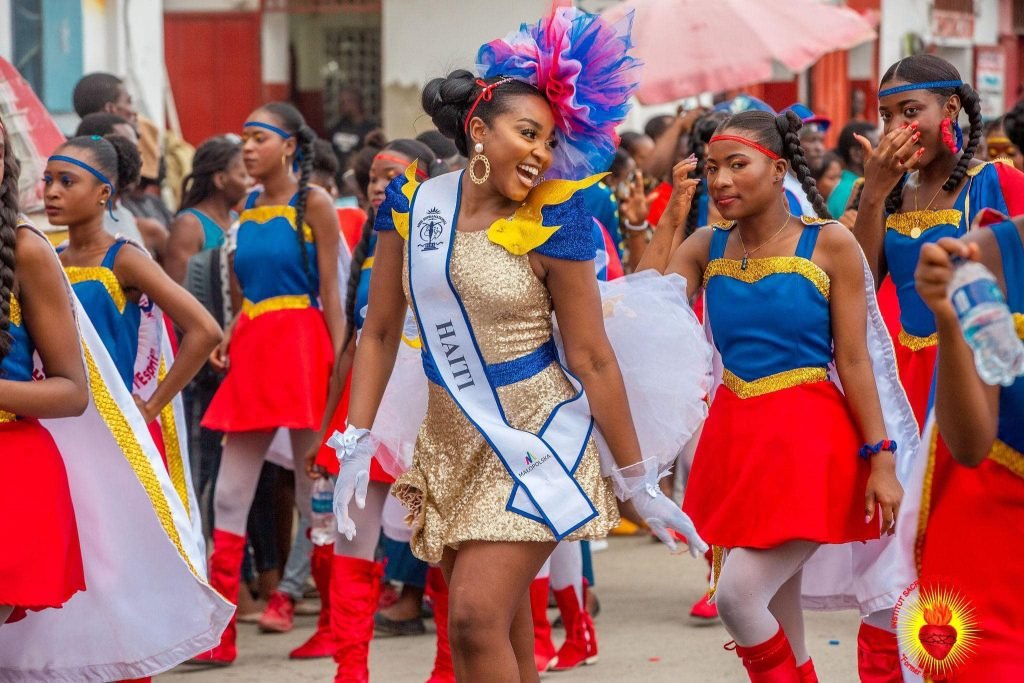
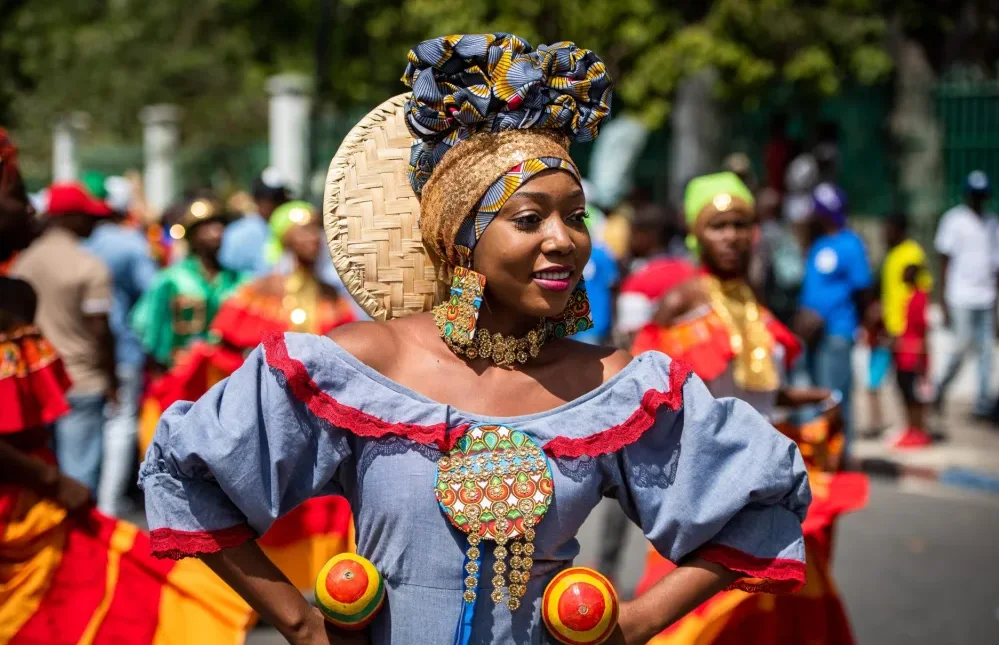
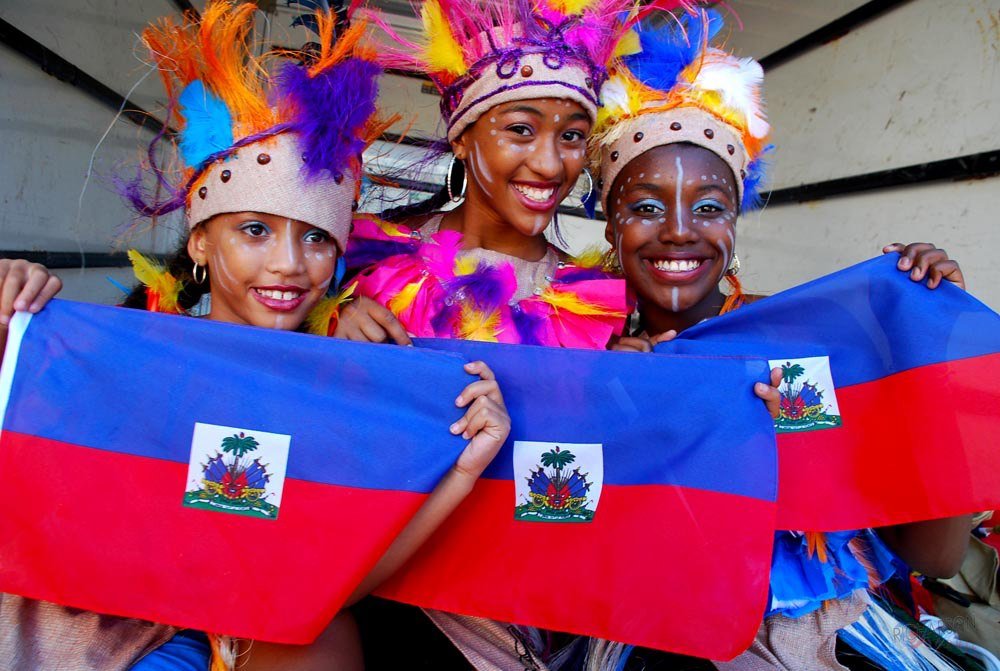
The Haitian carnival, an emblematic and essential celebration of the country’s festive calendar, is much more than a simple party. It embodies the very essence of Haitian culture, joyfully blending ancestral traditions, intoxicating music and a deep sense of community. Each year, this vibrant celebration transforms the streets into a vibrant and colorful spectacle, attracting thousands of participants and spectators eager to take part in this one-of-a-kind celebration. Haitian carnival has deep roots in the country’s history, dating back to colonial times. It has evolved over the centuries, incorporating elements of African, French and Creole culture to create a distinct and captivating celebration. The carnival period in Haïti traditionally begins in January and culminates with extravagant festivities that take place over several days. One of the most striking features of the Haitian carnival is the profusion of colors. Traditional costumes, called "masks", are elaborate and beautifully designed. They feature vivid patterns and vibrant decorations, creating a vivid picture of Haitian cultural identity. Participants, dressed in these elaborate costumes, parade through the streets to the sound of lively music, creating an electric atmosphere. Music is at the heart of the Haitian carnival. The captivating rhythms of compass, rasin, rara and other local musical genres resonate throughout the city, inviting people to dance to the rhythm of the party. Orchestras parade through the streets, accompanying the dancers and creating a unique symbiosis between the music and the graceful movements of the participants. The Haitian carnival parade is not just about the music and costumes; it also celebrates the richness of street arts. Talented artists create giant sculptures, art installations and theatrical performances that tell deep stories of Haitian history and culture. These artistic expressions contribute to the transmission of values ​​and stories that shape the identity of the Haitian people.

Recently Posted

History

History

First black nation to free itself from slavery and gain independence from France in 1804 and influenced other liberation movements around the world, inspiring struggles for freedom and equality.

Natural beauty

Natural beauty

Haïti is blessed with spectacular natural landscapes, including white sand beaches, mountains and rich biodiversity.

Heritage

Heritage

Haïti has a rich historical heritage, including sites like the Citadelle Laferrière and the Sans-Souci Palace, listed as UNESCO World Heritage Sites.

Culture

Culture

Haïti has a rich and diverse culture, influenced by African, European and indigenous elements. Haitian music, dance, art and cuisine are celebrated around the world.

  • +
    • Post