contact@haitiwonderland.com+509 36184317

Discover

Shopping Cart

Haiti: Heritage and Historical Sites

Haiti: Heritage and Historical Sites

Haiti, a Caribbean island located in the Greater Antilles archipelago, has a cultural and historical heritage of unparalleled richness. From its picturesque beaches to its majestic mountains and historic monuments, the country bears witness to centuries of complex and fascinating history. This article explores some of Haiti’s most significant heritage and historical sites.

Haïti
Haïti
Haïti

The Laferrière Citadel

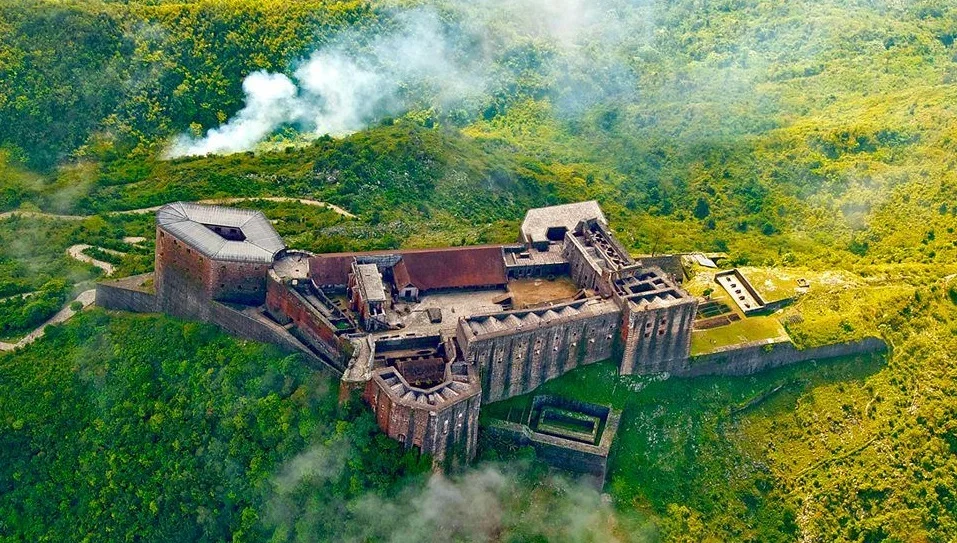
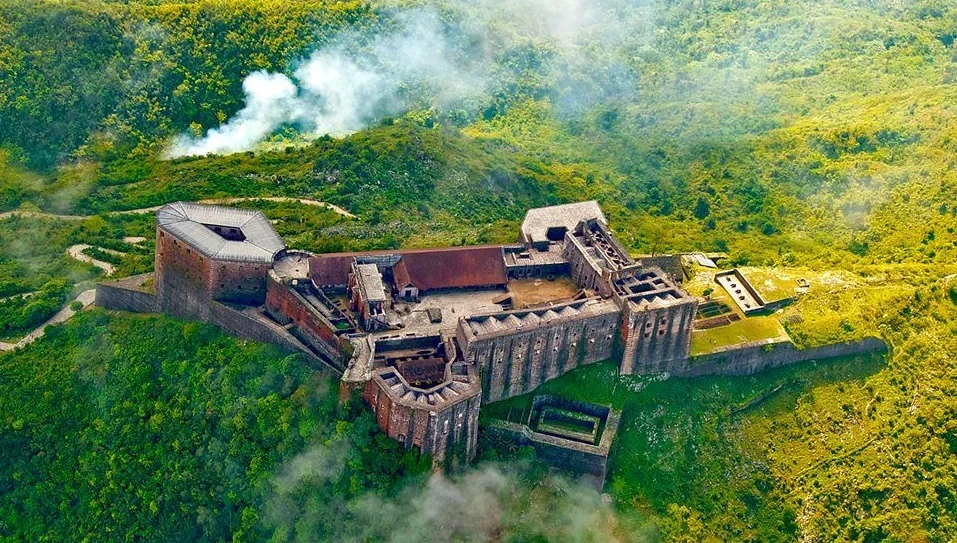
The Citadelle Laferrière is undoubtedly the most emblematic historical monument in Haiti. Located in the north of the country, near the town of Cap-Haitien, this fortress was built in the early 19th century by King Henri Christophe after Haiti’s independence in 1804. Erected to defend the nation against possible invasion French, the Citadel is a masterpiece of military engineering. It has been listed as a UNESCO World Heritage Site since 1982.

Haïti
Haïti
Haïti

The Sans-Souci Palace

Not far from the Citadel is the Palais Sans-Souci, another major achievement of King Henri Christophe. Built between 1810 and 1813, this palace was once the political and administrative center of its kingdom. Although partially in ruins due to an earthquake in 1842, the site remains an impressive testimony to 19th-century Haitian architecture.

Haïti
Haïti
Haïti

The National Historical Park Citadelle, Sans-Souci, Ramiers

This national park includes the Citadelle Laferrière, the Palais Sans-Souci, as well as the ruins of the Ramiers dwellings. Together, these sites illustrate the genius and determination of Haitians in their struggle for freedom and their desire to create a sovereign state. The park is also listed as a UNESCO World Heritage Site.

Haïti / Fort Saint-Joseph: Historical Vestige of the Resistance

Haïti / Fort Saint-Joseph: Historical Vestige of the Resistance

Located in the Bay of Cap-Haitien, Fort Saint-Joseph stands like a silent guardian of Haiti’s tumultuous history. Built in two stages, in 1748 and 1774, this defensive work was once a crucial element of the city’s protection system against French colonial assaults. Alongside other forts such as Picolet and Magny, its mission was to control maritime passages and defend Haitian sovereignty. However, its history is not limited to its defensive function. In 1802, then under the control of General Henry Christophe, the fort became the scene of a heroic act of resistance. Faced with the French expeditionary army, Christophe ordered the destruction of the powder magazine and the entrance gate to the fort, thus rendering it temporarily unusable. This courageous gesture, although tactical, left indelible scars on the very structure of the fort, testifying to the fierce clashes between French colonial forces and Haitian resistance fighters. These historic marks, still visible today, offer a window into the country’s tumultuous past. They allow visitors and historians to interpret the fierce struggles that forged Haitian identity. Fort Saint-Joseph, as a witness to the resistance and the struggle for freedom, embodies the indomitable spirit of the Haitian people. Recognizing its historical significance, the Haitian government officially classified Fort Saint-Joseph as national heritage in 1995. This recognition paved the way for restoration efforts aimed at preserving this precious vestige of Haitian military heritage. Thanks to collaboration between the public sector and local private funding, the fort has recently been restored and enhanced. Thus, Fort Saint-Joseph remains much more than a simple stone structure. It is a living symbol of the resilience and determination of the Haitian people, reminding all visitors that Haiti’s history is deeply rooted in the struggle for freedom and human dignity. To virtually discover this jewel of Haitian history, you can visit the following link: https://haitiwonderland.com/haiti-virtual-reality-ht/monuments-histoire/haiti--fort-saint-joseph--visite- virtual/11

Haïti
Haïti
Haïti

The Haitian National Pantheon Museum (MUPANAH)

Located in Port-au-Prince, the Musée du Panthéon National Haïtien is dedicated to the preservation of Haitian history and culture. It houses an impressive collection of artifacts ranging from pre-Columbian times to landmark independence events. The museum is an essential place to understand the complex history of Haïti and the path traveled by its inhabitants.

Haïti
Haïti
Haïti

Fort Jacques and Fort Alexandre

Located in the heights of Kenscoff, southeast of Port-au-Prince, Fort Jacques was built under the orders of General Alexandre Pétion, one of the founding fathers of Haitian independence, around 1805. The fort carries the name of Jean-Jacques Dessalines, the revolutionary leader who played a crucial role in Haiti’s independence. Fort Jacques served as a strategic defense post against any potential invasion coming from the sea or the capital.

Not far from Fort Jacques is Fort Alexandre, also built under the orders of Pétion. It is named in honor of Pétion, who played a crucial role in consolidating independence and establishing the republic. Like Fort Jacques, Fort Alexandre was an integral part of the defense network intended to protect the young Haitian nation from foreign attacks.

Haiti: The History of the World’s First Free Black Nation

Haiti: The History of the World’s First Free Black Nation

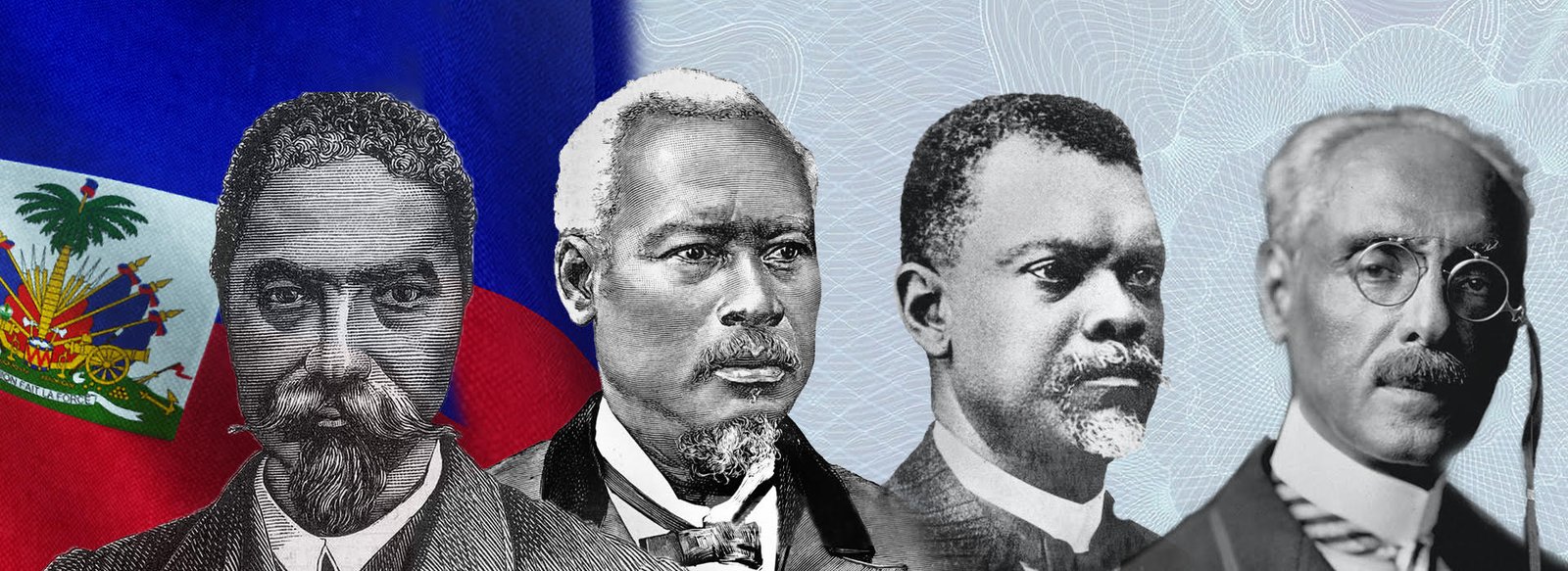
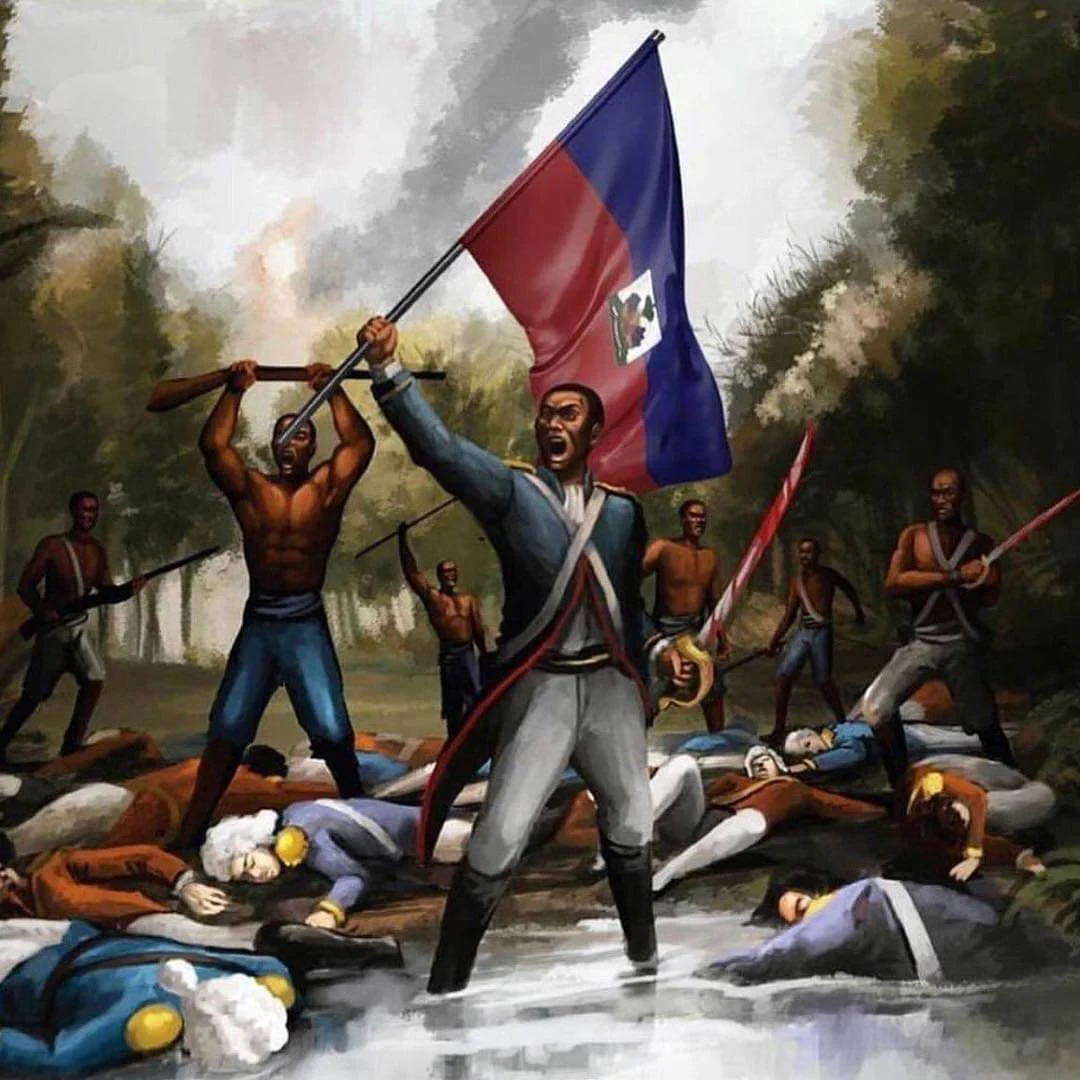
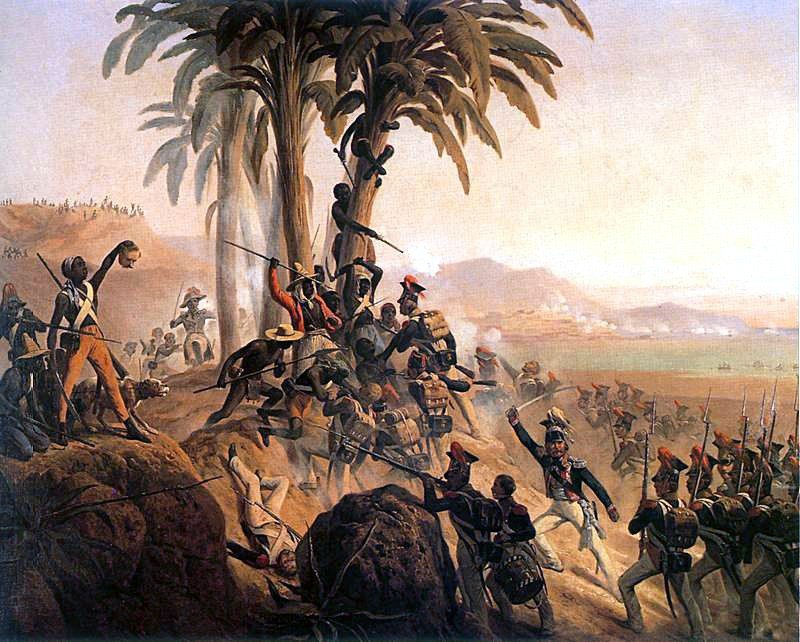
Haiti, the pearl of the Antilles, is a Caribbean island with a rich and complex history. However, its special status as the world’s first free black nation gives it a unique place in the annals of history. This small island was the scene of an extraordinary revolution which resulted in independence, thus marking the beginning of a new era for the black community and the abolition of slavery. Let’s delve into the captivating story of the birth of the first black republic, Haiti. b~The colonial era and slavery~b Haiti’s history dates back to the arrival of Europeans in the 15th century, when Christopher Columbus discovered the island. European settlers, mainly Spanish and French, introduced slavery to exploit the island’s resources, including sugar, coffee and cotton. The indigenous Native American population was decimated, paving the way for the massive importation of African slaves. b~The Haitian Revolution~b On August 14, 1791, Haitian slaves rose up against their oppressors, sparking the Haitian Revolution. Under the leadership of iconic figures such as Toussaint Louverture, Jean-Jacques Dessalines and Henri Christophe, the insurgent slaves inflicted defeats on European armies, demonstrating fierce resistance and a desperate quest for freedom. b~The Declaration of Independence and the creation of the Republic of Haiti~b On January 1, 1804, Haïti proclaimed its independence, becoming the world’s first free black nation. This historic declaration symbolized the end of slavery and the triumph of the will of a people determined to live free. The Republic of Haïti was born in struggle and blood, asserting its autonomy in the face of the colonial powers. b~Post-independence challenges~b However, independence did not mean the end of challenges for Haiti. The country had to face external pressure, reparations imposed by France in exchange for recognition of its independence, as well as internal unrest. Despite these obstacles, Haïti strove to build a free and sovereign nation. The story of Haïti is that of a nation that overcame countless challenges to emerge as a pioneer of freedom for the black population. The Haitian Revolution remains a unique example of resistance, courage and determination, and Haïti continues to carry the torch of independence in the contemporary world. The legacy of this small Caribbean island still resonates today, reminding the world that freedom is a universal right that can be won even in the most difficult circumstances.

Haïti
Haïti
Haïti

Sugar Cane Historical Park

The Sugar Cane Historical Park is located in Tabarre, near the capital Port-au-Prince. It is established on the site of a former sugar cane plantation, providing an authentic setting for understanding the history and process of sugar production in Haiti. The park is designed to welcome visitors and allow them to discover various aspects of this historic culture.

Sugar cane has played a central role in the Haitian economy since colonial times. Introduced by European settlers, mainly the French, the cultivation of sugar cane quickly developed on the island thanks to its favorable tropical climate and fertile soils. Sugar production was a lucrative business, but it relied on the forced labor of African slaves, which had a profound impact on Haiti’s social and economic history.

Haïti
Haïti
Haïti

Heroes of Vertières

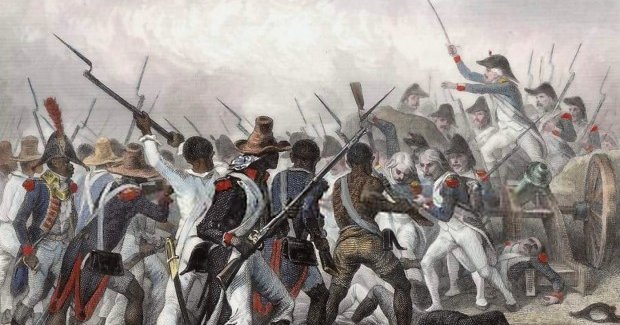
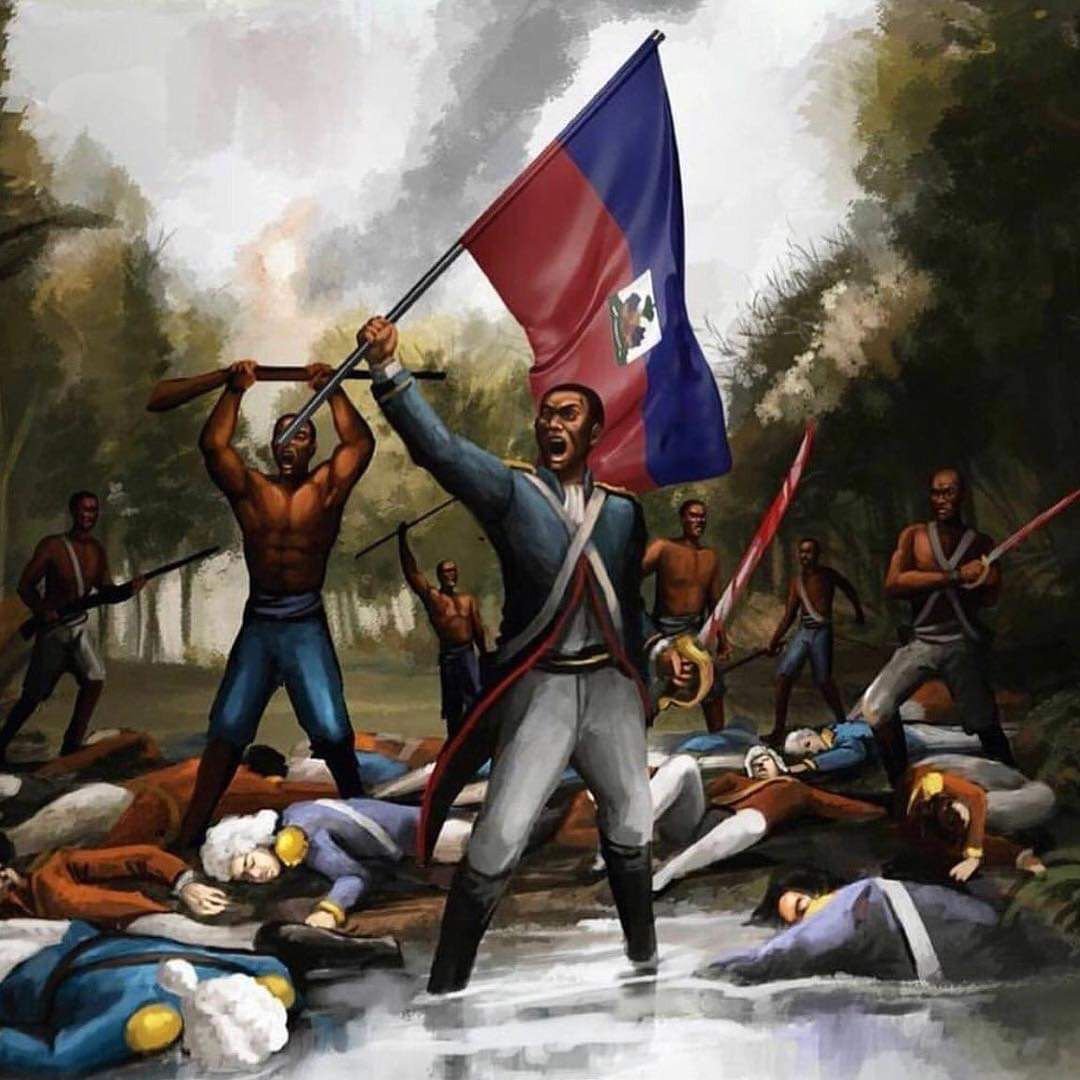
The heroes of Vertières are legendary figures in the struggle for Haitian independence, symbolizing the bravery, determination and sacrifice of the Haitian people for their freedom. Among them, Jean-Jacques Dessalines particularly stands out. A former freed slave who became a revolutionary general, Dessalines was an undisputed leader of the Haitian revolt. His bold strategy during the Battle of Vertières achieved a decisive victory against French troops, cementing the path to full independence.

The Battle of Vertières marked a crucial turning point in the history of Haïti and in the global fight against slavery. The defeat of French troops at Vertières led to the official proclamation of Haitian independence on January 1, 1804, making Haïti the first nation in the Americas to gain independence after a successful slave revolt.

Haïti
Haïti
Haïti

Blue Basin

Bassin Bleu is a series of natural pools and waterfalls located near Jacmel, in southern Haiti. This enchanting natural site is surrounded by lush vegetation and is a favorite place for nature lovers. It is not only a major tourist site but also a symbol of the natural beauty of Haiti.

Haïti
Haïti
Haïti

Caves of Marie-Jeanne

Located near the town of Port-à-Piment in southern Haiti, the Marie-Jeanne Caves are the largest underground cave system in the Caribbean. These fascinating geological formations stretch for several kilometers and are a site of great interest for cavers and adventure enthusiasts. The caves also offer a unique insight into the island’s natural history.

Haïti
Haïti
Haïti

Notre-Dame de l’Assomption Cathedral

Located in Port-au-Prince, Notre-Dame de l’Assomption Cathedral was once one of the largest and most important cathedrals in the Caribbean. Unfortunately, it was severely damaged in the 2010 earthquake, but remains a symbol of the Catholic faith and French colonial architecture in Haiti. Its gradual reconstruction testifies to the resilience of the Haitian people.

Haïti
Haïti
Haïti

Ogier-Fombrun Museum

Located in Montrouis, on the north coast of Haiti, the Ogier-Fombrun Museum is a former sugar plantation transformed into a museum. It offers a captivating insight into the history of slavery and sugar production in Haiti. Visitors can explore the restored plantation ruins, discover historical artifacts, and learn about Haitian culture.

Haïti
Haïti
Haïti

Church of Milot

In Milot, near Cap-Haitien, there are two important historical sites. The Church of Milot, built in the early 19th century, is an impressive example of Haitian colonial architecture and an active place of worship for the local community. Nearby is the Sans-Souci Palace, former residence of King Henri Christophe, with its majestic ruins that bear witness to Haiti’s post-independence era.

Haïti
Haïti
Haïti

Iron Market

In Port-au-Prince, the Marché de Fer (Marché en Fer) is a historic market dating from the 19th century. Built of metal imported from France, the market is a bustling place where locals sell and buy a variety of local products, including fruits, vegetables, spices and crafts. It is an essential place to discover Haitian daily life and crafts.

Haïti is a country whose historical and cultural wealth is immense. From its imposing fortresses to its bustling markets to its breathtaking natural sites, every corner of the country tells a part of the story of this resilient and creative people. Exploring these heritages and historical sites is diving into the heart of the Haitian soul and discovering the hidden treasures of a nation which, despite the challenges, remains standing with pride.

Share
About the Author
Appolon Guy Alain
Appolon Guy Alain
Appolon Guy Alain

Full Stack Developer, Créatif, expérimenté, passionné des nouvelles technologies et de l’art.

See other articles from Appolon Guy Alain
ROMAIN

Super

May 14, 2025 - 09:42:40 AM
Leave a comment

Recently Posted

Haïti Music: Haitian artist Rutshelle Guillaume crowned “Best Caribbean Artist” at the Trace Awards & Festival 2023

The international music scene buzzed with excitement on Saturday, October 20, 2023 when talented Haitian singer Rutshelle Guillaume was crowned “Best Caribbean Artist” at the prestigious Trace Awards & Festival 2023, held in Kigali, Rwanda. This award recognizes a remarkable career and a significant contribution to the evolution of Caribbean music. Rutshelle Guillaume is an artist who has captured the hearts of music lovers thanks to her undeniable talent and her numerous quality productions. The Trace Awards & Festival is an event renowned for its promotion of Afrocentric music and culture. It is a platform that celebrates the musical diversity of the Caribbean while highlighting the creativity of the region. Caribbean artists are honored for their exceptional contribution to the enrichment of world music. Rutshelle Guillaume’s victory at this prestigious event is not only a tribute to her talent, but also a recognition of the richness of Caribbean music and its ability to transcend geographical boundaries. The Haitian singer knew how to embody this musical diversity and touched the hearts of many listeners around the world. Her career, marked by memorable titles and collaborations with other talented artists, has made her an ambassador for Caribbean music on an international scale. His commitment to promoting Haitian and Caribbean culture has helped strengthen ties between artists in the region and the rest of the world. Rutshelle Guillaume continues to inspire many emerging artists and show that passion, talent and dedication can lead to extraordinary achievements. His victory at the Trace Awards & Festival 2023 is a well-deserved tribute to his influence and undeniable contribution to Caribbean music. Ultimately, Rutshelle Guillaume’s recognition as "Best Caribbean Artist" at the Trace Awards & Festival 2023 is a reminder of the power of music to unite cultures and celebrate artistic diversity. It is a historic moment for the Haitian artist and a source of pride for the Caribbean as a whole. Rutshelle Guillaume continues to be an inspiration to many artists and music lovers around the world, and her music will live on as a testament to her incredible talent and dedication to her art.

Newsletter

Subscribe to our newsletter to stay informed of all our activities and news on Haiti.

Bassin Bleu in Jacmel: The Ultimate Natural Retreat in Southeast Haiti

Nestled in the picturesque coastal town of Jacmel, in southeastern Haiti, Bassin Bleu is a true haven of tranquility in the heart of nature. Its crystal-clear blue waters and imposing rock formations make it a breathtakingly beautiful site, attracting travelers from around the world in search of escape and discovery. The sparkling turquoise waters of Bassin Bleu offer a feast for the eyes, inviting visitors to relax and rejuvenate in this idyllic setting. Whether swimming in its refreshing waters or lounging on its lush green banks, this natural oasis provides a welcome escape from the hustle and bustle of daily life. Surrounded by lush tropical vegetation, Bassin Bleu is home to exceptional biodiversity, with a multitude of unique plants and animals to discover. Hiking enthusiasts can venture along winding trails that meander through the surrounding forest, offering spectacular views of this pristine landscape. As a tourist destination, Bassin Bleu also offers economic development opportunities for local communities. By promoting sustainable tourism, it contributes to job creation, infrastructure development, and the promotion of local culture. Moreover, by raising awareness among visitors about the importance of preserving this fragile natural environment, tourism plays an essential role in its long-term conservation. Bassin Bleu in Jacmel is much more than just a tourist attraction: it is a true natural treasure to be preserved and appreciated. With its stunning natural beauty, remarkable biodiversity, and sustainable development opportunities, this magical place offers an authentic experience for travelers seeking moments of tranquility in the heart of nature.

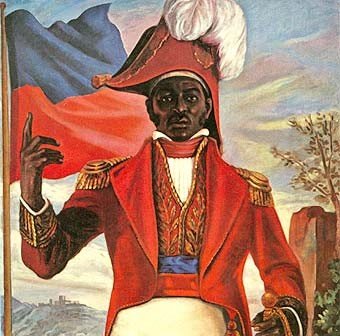
Jean-Jacques Dessalines, leader of the Haitian Revolution

In the annals of the history of Haiti, an island located in the Caribbean at the entrance to the Gulf of Mexico and shared with the Dominican Republic, Jean-Jacques Dessalines emerges like a phoenix from the ashes of oppression. Born a slave on September 20, 1758 in the home of Henri Duclos, in Cormier (Grande-Rivière-du-Nord), in the French colony of Saint-Domingue, Dessalines was a Creole of African (Afro-Caribbean) origin. Freed during the 1794 abolition achieved through slave revolts, actually served as an officer in the French army during the French Revolution. At that time, the ideas of freedom and equality were at the heart of the concerns of the inhabitants of the colonies. Dessalines actively participated in the fighting against the Spanish and British forces, alongside the French, in Santo Domingo. Having risen to the rank of Lieutenant General, Jean-Jacques Dessalines turned against the French during the Leclerc expedition, sent to Saint-Domingue by Bonaparte to reestablish colonial authority and slavery during the Haitian Revolution. After the capture and deportation of Toussaint Louverture to France on June 7, 1802, Dessalines assumed a leading role in continuing the struggle for independence. He led numerous battles, including the battle of Crête-à-Pierrot in March 1802, where he galvanized his soldiers with his famous declaration: “Let those who want to remain slaves of the French leave the fort, let those, on the contrary, who want to die as free men, line up around me.” On January 1, 1804, Jean-Jacques Dessalines achieved the long-awaited goal of independence by proclaiming Haïti as a sovereign nation, becoming the second country in the Americas to gain independence from a colonial power. He became the first leader of the newly formed nation and was named Emperor under the name James I. However, his imperial reign was marked by authoritarian and brutal policies, including the massacre of many white settlers and the redistribution of land to peasants that was in the hands of the generals of the independence army. In addition, he organized the hunt for delinquents in the city while implementing rigorous agrarian policies, considering that they represented a threat to the stability of the nation, these controversial actions caused divisions within Haitian society. Dessalines was assassinated on October 17, 1806 following a plot organized by some of his generals in the Haitian army. His death marked the end of his brief but influential period in power. Despite the controversies surrounding his methods, he is recognized as the main architect of Haiti’s independence and his name was honored in 1903 by being attributed to the Haitian national anthem, La Dessalinienne, composed by Justin Lhérisson.Finally, the great visionary man Jean Jacques Dessalines remains an emblematic figure in the history of Haiti, recognized for his role in the fight for independence and the end of slavery in the region.

Recently Posted

History

History

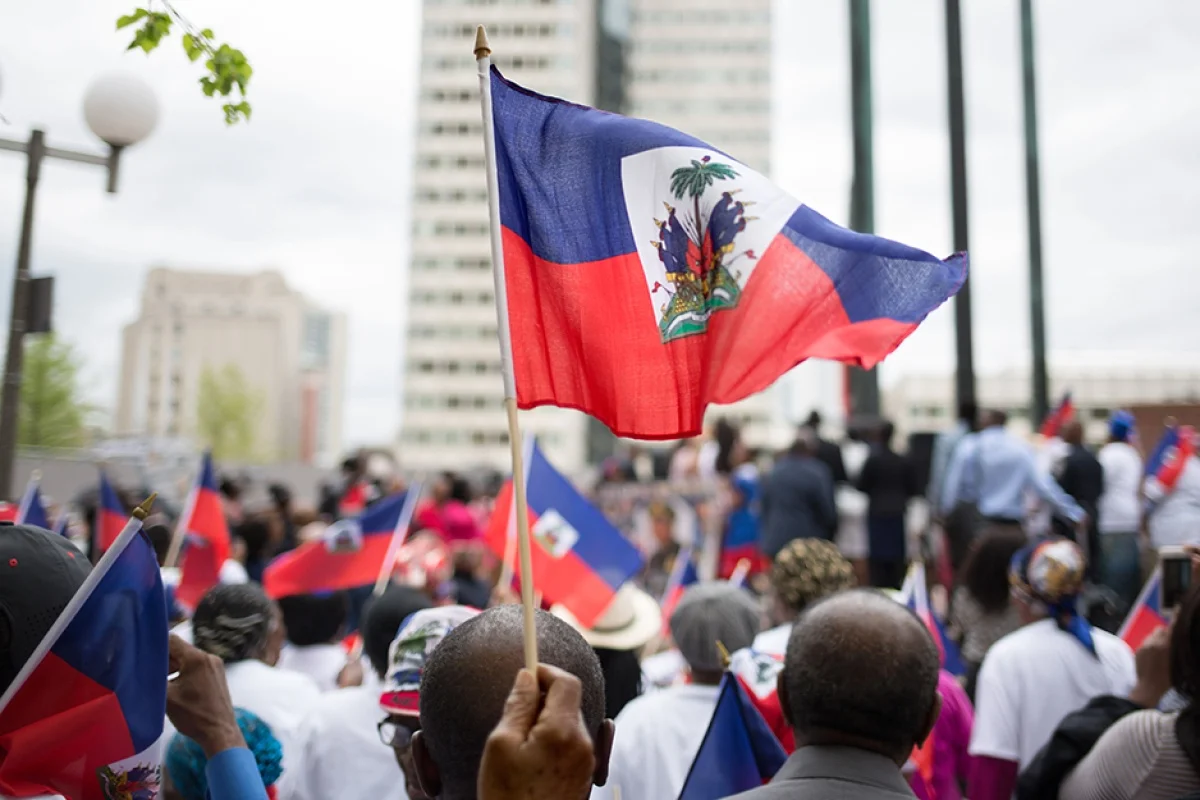
First black nation to free itself from slavery and gain independence from France in 1804 and influenced other liberation movements around the world, inspiring struggles for freedom and equality.

Natural beauty

Natural beauty

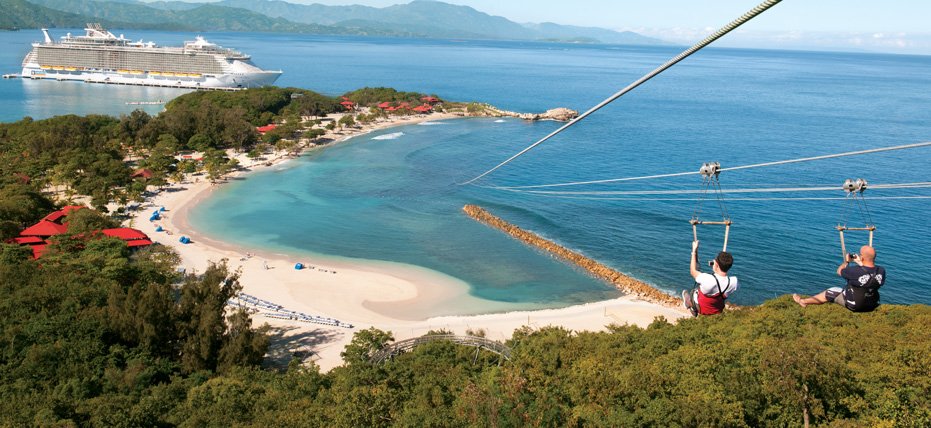
Haïti is blessed with spectacular natural landscapes, including white sand beaches, mountains and rich biodiversity.

Heritage

Heritage

Haïti has a rich historical heritage, including sites like the Citadelle Laferrière and the Sans-Souci Palace, listed as UNESCO World Heritage Sites.

Culture

Culture

Haïti has a rich and diverse culture, influenced by African, European and indigenous elements. Haitian music, dance, art and cuisine are celebrated around the world.

  • +
    • Post