contact@haitiwonderland.com+509 36184317

Discover

Shopping Cart

What is Haiti’s motto?

What is Haiti’s motto?

Discover Haiti's national motto: Liberty – Equality – Fraternity. Its origin, meaning, and importance in Haitian history and identity.

The Republic of Haiti, the first independent Black nation in the modern world, has powerful symbols that reflect its identity, its history, and its struggle for freedom. Among these symbols is the national motto: Liberty Equality Fraternity.

Read the article in :

French : Quelle est la devise d’Haïti ?

Spanish : ¿Cuál es el lema de Haití?

Creole : Ki deviz Ayiti a?

Reference page : What is Haiti’s motto?

Other version : What is Haiti’s motto?

Haïti
Haïti
Haïti

What is Haiti’s official motto?

According to Article 4 of the Haitian Constitution of 1987, the national motto is clear: Liberty Equality Fraternity.

These three words are not mere slogans. They represent a deep historical heritage, linked to the French Revolution, but also an adaptation to the realities of Haiti, born from the Revolution of 1804, which put an end to slavery and colonialism.

Haïti
Haïti
Haïti

Meaning of the National Motto

1. Liberty: It recalls the struggle of slaves to break their chains and proclaim independence in 1804. In Haiti, freedom is not an abstract concept, but a right won with blood and dignity.

2. Equality: It expresses the desire for a society without racial hierarchies or social discrimination. All Haitian citizens, without distinction, must be equal before the law.

3. Fraternity: It symbolizes the unity and solidarity necessary to build a strong nation in the face of historical and contemporary challenges.

The Motto and Other Symbols of the Haitian State

The national motto “Liberty Equality Fraternity” accompanies other official emblems:

The Haitian flag: blue and red, symbolizing the unity of the people.

The Arms of the Republic: a palm tree topped with the cap of liberty, surrounded by cannons and weapons, bearing the legend “Unity is Strength.”

These combined symbols recall Haiti’s determination to remain free, sovereign, and united.

Haïti
Haïti
Haïti

Why is Haiti’s motto important today?

In a global context marked by inequality and social crises, the Haitian motto remains relevant today. It inspires not only Haitian citizens, but also all those fighting for justice, dignity, and equality around the world.

By repeating and living this motto, each generation contributes to perpetuating the spirit of 1804: a people standing tall, proud, and resilient.

Share
About the Author
Appolon Guy Alain
Appolon Guy Alain
Appolon Guy Alain

Full Stack Developer, Créatif, expérimenté, passionné des nouvelles technologies et de l’art.

See other articles from Appolon Guy Alain
Leave a comment

Recently Posted

Guédés: When Haïti celebrates its ancestors with color and fervor

Every November 1st and 2nd, Haïti comes alive with the colors black and purple to celebrate the Guédés, spirits venerated in the voodoo religion, symbols of a powerful bond between the living and the dead. Fascinating, indomitable and provocative, the Guédés form a true family in the pantheon of Haitian voodoo, where they are respected for their role as spiritual guides of the deceased to the afterlife. Led by iconic figures such as the legendary Baron Samedi and his companion Grann Brigitte, the Guédés embody the paradoxes of life and death. Each Baron has a unique personality: Baron Cimetière, Baron Kriminel, and Baron La Croix are the guardians of the souls that wander on the borders of the world of the dead. Together, they form a powerful and somewhat frightening presence, but one that is deeply rooted in Haitian culture. The Guédés are not like other voodoo spirits; they demonstrate their fearlessness in a spectacular way. Accustomed to death, they are fearless and are provocative: they eat glass, raw peppers, and coat their sensitive parts with rum and pepper. These gestures mark their indifference to danger and remind us that they have already known earthly life. They are thus psychopomps – these beings who lead the souls of the dead – and act as bridges between the world of the living and that of the dead. Some Guédés, like Guédé Nibo, wear black, purple, and white clothing, each with unique characteristics. They are many and varied: Guédé Fouillé, Guédé Loraj, Papa Guédé, and many others. These are the spirits who, each year, remind Haitians of the importance of remembering and honoring the deceased. The cult of the Guédés is not only religious; it is also cultural and historical. According to tradition, their spiritual territory, or “Fètomè” – nicknamed the “Country without Hats” – is a place where the souls of ancestors reside. According to stories, the origins of this cult go back to the Abomey plateau, the ancient capital of the kingdom of Dahomey, in Africa, where death and life coexist in a form of symbiosis. This celebration in Haïti even finds echoes in ancient history. The Romans also honored their dead with the “Fête des Lémuria”, which took place in February, to ward off spirits and restore peace between the world of the living and that of the deceased. For Haitians, honoring the Guédés is about accepting death as a part of life and celebrating the invisible bonds that unite us with those who have left us. It is also a way of resisting, because life, despite its challenges, must be celebrated in all its complexity and depth.

Newsletter

Subscribe to our newsletter to stay informed of all our activities and news on Haiti.

Belle-Anse, a village between tradition, nature and tourist potential

Nestled in the southeast of Haiti, Belle-Anse is a destination that fascinates with its natural beauty and rich history. This small town, still often ignored by major tourist routes, is full of treasures that deserve to be discovered. Its wild beaches, its imposing mountains and its unique historical heritage make Belle-Anse a hidden pearl, ready to seduce travelers in search of authenticity and tranquility. Belle-Anse, founded in the 18th century, still bears the traces of its past. Its history, marked by changes of names and identity, bears witness to the political and social upheavals that have given the region. From the colonial era to the birth of the Republic, each corner of the city tells a part of the history of Haiti. This rich past is combined with a vibrant cultural life, where local festivals, such as the celebration of the Patron Saint every December 10, offer an authentic glimpse into the lives of the inhabitants. The historical remains scattered throughout the city are not only a reminder of the era of colonization, but also of the struggles for independence. These witnesses of the past, combined with a calm and preserved atmosphere, make Belle-Anse a place where history and nature intertwine harmoniously. What distinguishes Belle-Anse is undoubtedly its spectacular natural environment. Ultimately, these beaches before the deserts invite you to relax. Lagan Beach, lined with palm trees and crystal clear waters, offers an idyllic setting for lovers of wild nature, far from the crowds of more frequent tourist destinations. The nearby Bay of Jacmel is a true natural bliss, promising moments of calm and escape. The city is also surrounded by majestic mountains, ideal for those who wish to explore the Haitian landscapes on foot, while discovering a unique biodiversity. While Belle-Anse’s natural resources are rich, they are also fragile, and preserving these areas remains an important issue for the future of the region.

Recently Posted

History

History

First black nation to free itself from slavery and gain independence from France in 1804 and influenced other liberation movements around the world, inspiring struggles for freedom and equality.

Natural beauty

Natural beauty

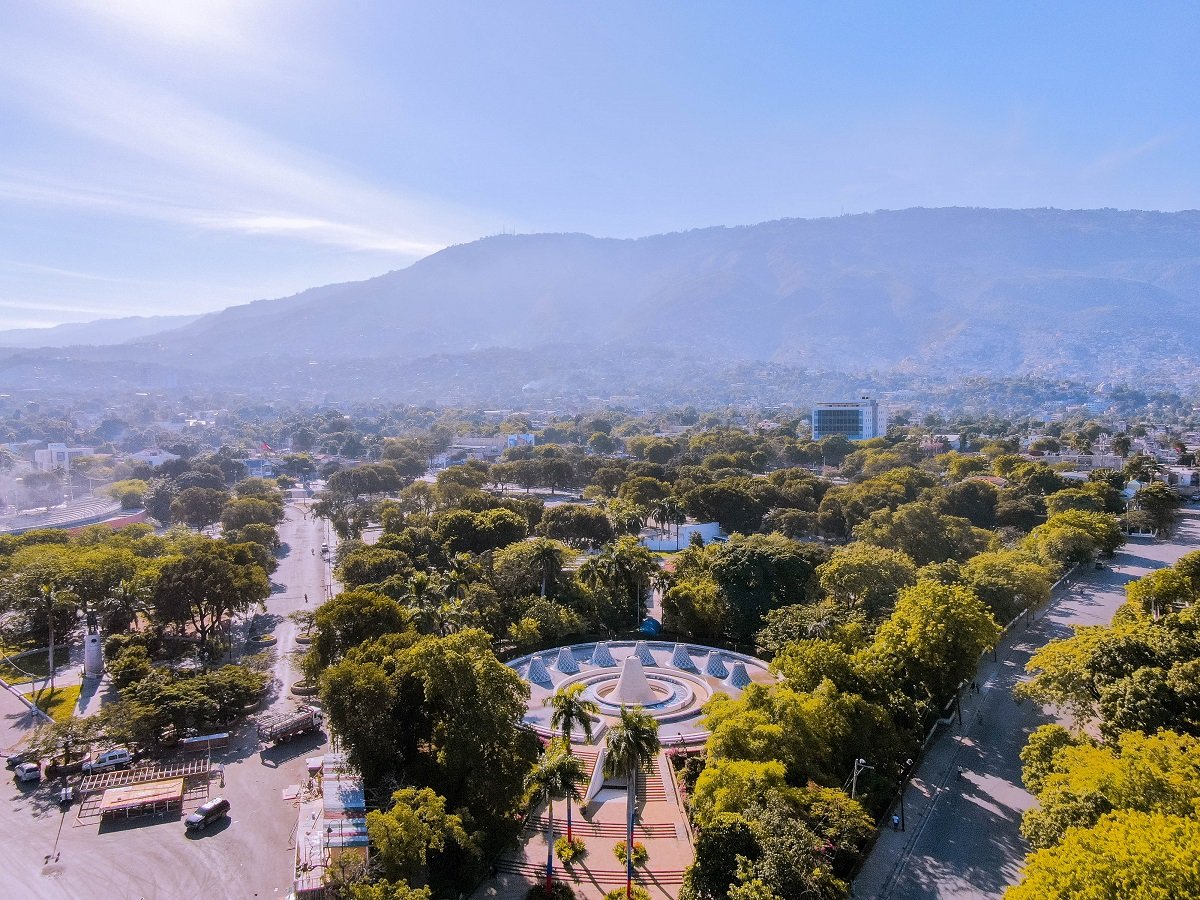
Haïti is blessed with spectacular natural landscapes, including white sand beaches, mountains and rich biodiversity.

Heritage

Heritage

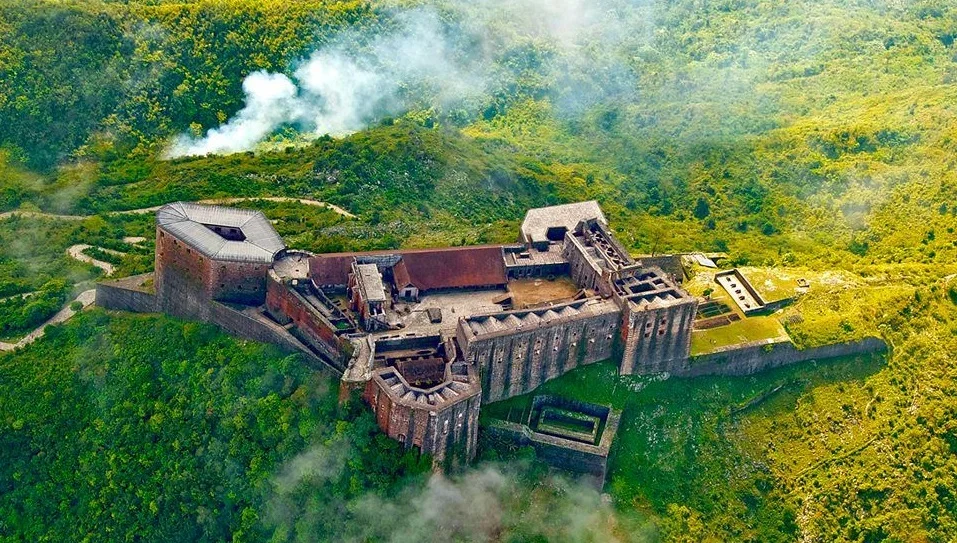
Haïti has a rich historical heritage, including sites like the Citadelle Laferrière and the Sans-Souci Palace, listed as UNESCO World Heritage Sites.

Culture

Culture

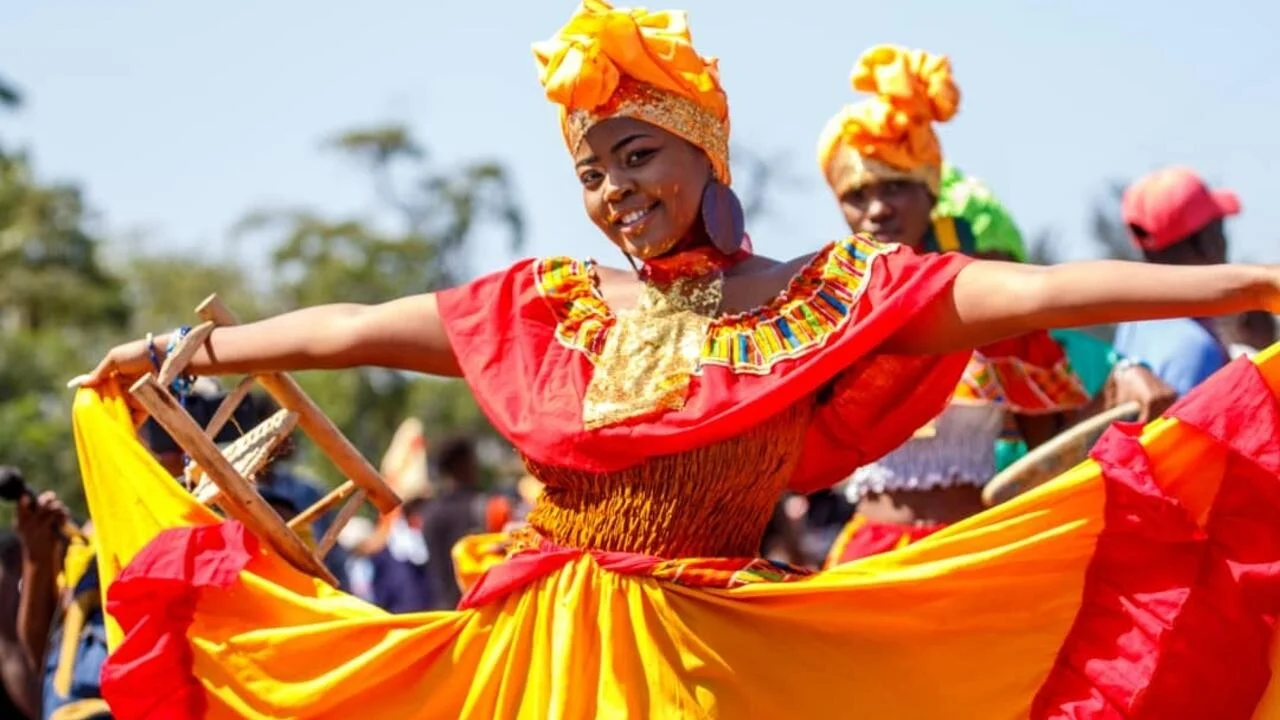
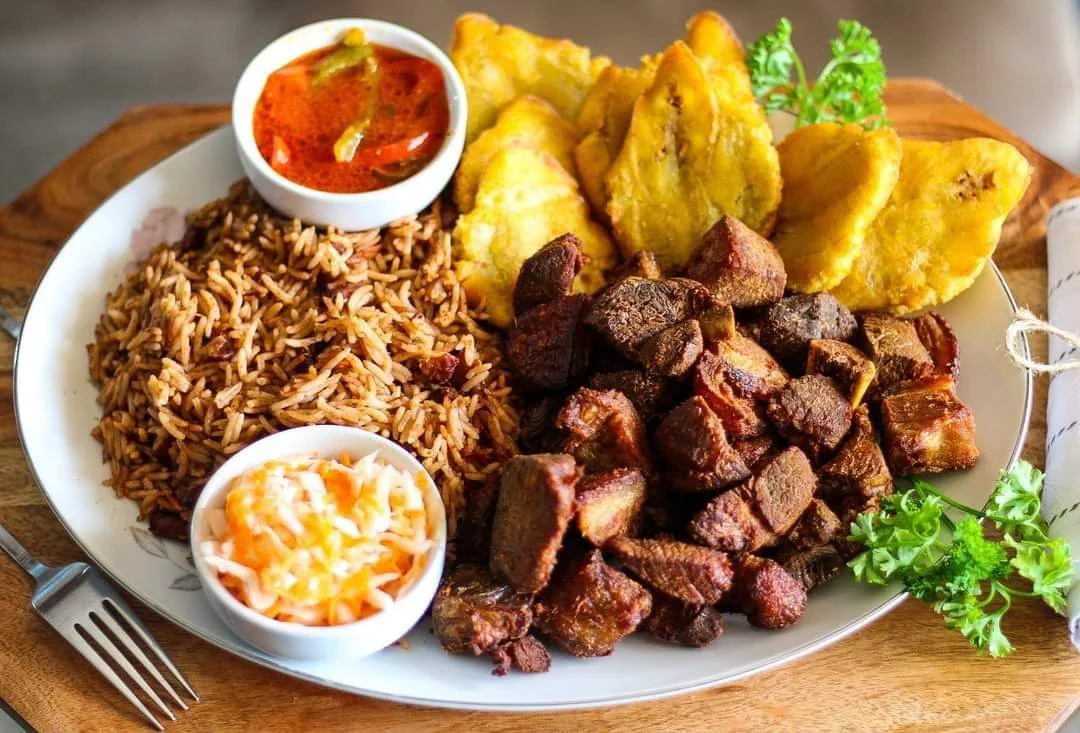
Haïti has a rich and diverse culture, influenced by African, European and indigenous elements. Haitian music, dance, art and cuisine are celebrated around the world.

  • +
    • Post