Livre en Folie, this annual event long awaited by literature enthusiasts in Haiti, will be held on Thursday, August 15, 2024 at the Caribe Convention Center hotel in Juvénat. Indeed, Le Nouvelliste, in collaboration with its usual partners, invites the Port-au-Prince public to come and celebrate, for the thirtieth time, the great intellectual wealth of Haitian writers and other thinkers, in this great annual book fair. This year, the entrance fee is set at 1,000 gourdes, which will be returned to you in the form of coupons, in order to be able to buy books once inside.
Thirty years after the first edition, livre en folie has become a pillar of Haitian literary life and a highlight of the Haitian year. This year, it will take place in a particularly difficult context for the country, both economically and in terms of security, but will still have the merit of bringing together thousands of Haitians around the subject of the book.
Haïti is going through one of the worst periods in its history, with the painful experience of a country completely delivered into the hands of a swarm of bad luck that only thinks of destroying it, dreaming only of tearing apart life in its midst, tearing out its soul.
This situation is aggravated by persistent political instability, fueling the economic crisis and facilitating the omnipresent presence of armed gangs that have brought the center of Port-au-Prince to its knees, while undermining the cultural and media infrastructure of the capital. Reference is made to the national library of Haiti, vandalized, to the national press, targeted by attacks, and even to the premises of the newspaper Le Nouvelliste, organizer of the event for 30 years, which was ransacked and looted.
Despite this chaotic situation, the holding of the book fair represents a strong symbol of resilience. It is intended to be a vibrant call to life, a way of showing that culture and books can be powerful tools to resist the surrounding darkness. This event is a bold statement: even in the face of difficulties, books continue to shine like beacons in the storm.
This year, the great Haitian Book Fair promises to be, as usual, an exceptional gathering place. The event will highlight the works of 165 authors, with the presence of 84 writers still living. It is an opportunity to celebrate the richness of Haitian literature and to shine the country’s intellectual culture, even in these difficult times.
Beyond the simple celebration of literature, this fair represents a message of hope and solidarity towards all the actors who make up the Haitian literary world. By bringing together publishers, writers and such a large audience in one place, the event allows contemporary Haitian literature to exist in its local version, and reminds us that, even in the darkest moments, culture and education remain sources of victories for the human soul. Because books, as witnesses of human thought and life experiences, are precious allies in facing crises and building a better future.
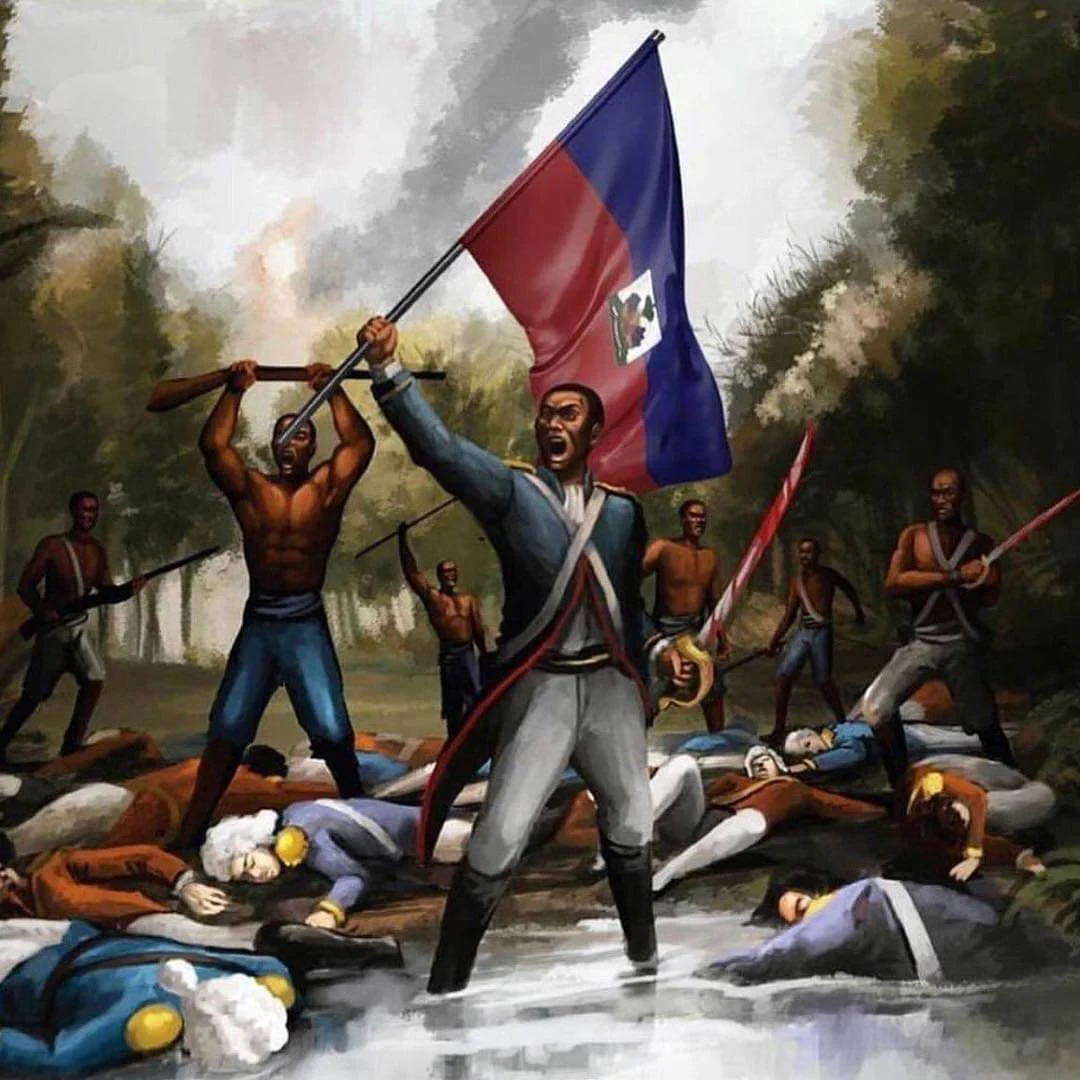
First black nation to free itself from slavery and gain independence from France in 1804 and influenced other liberation movements around the world, inspiring struggles for freedom and equality.
Natural beauty
Haïti is blessed with spectacular natural landscapes, including white sand beaches, mountains and rich biodiversity.
Heritage
Haïti has a rich historical heritage, including sites like the Citadelle Laferrière and the Sans-Souci Palace, listed as UNESCO World Heritage Sites.
Culture
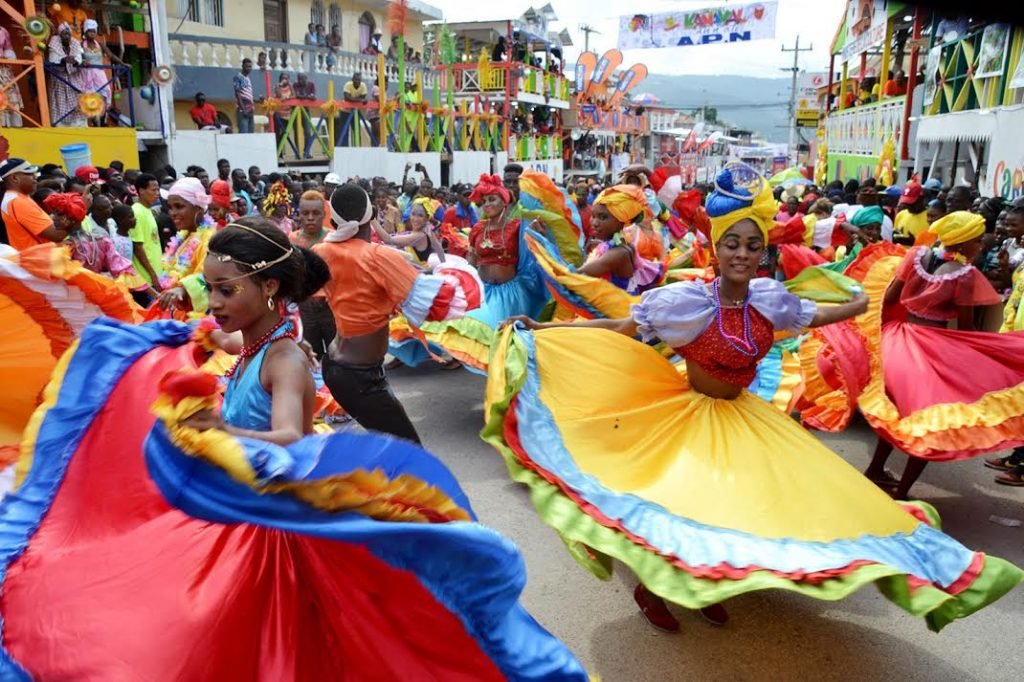
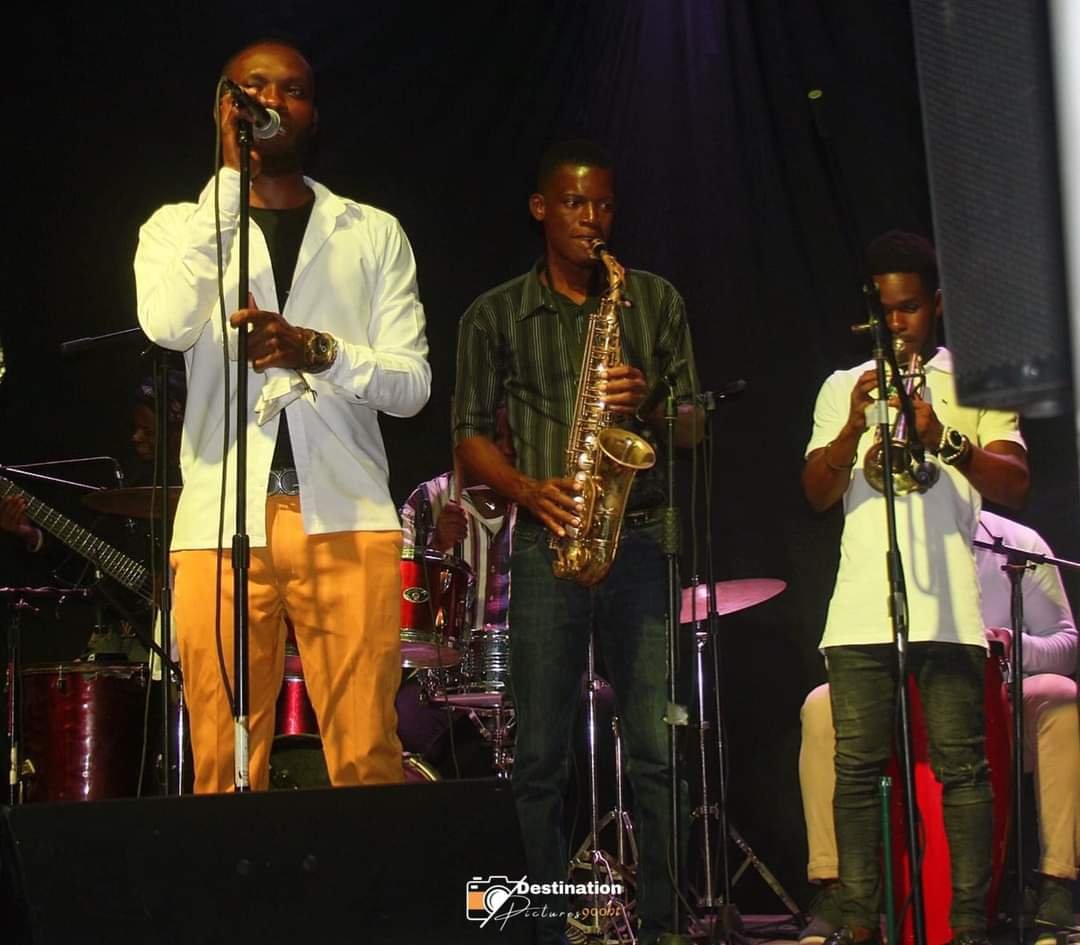
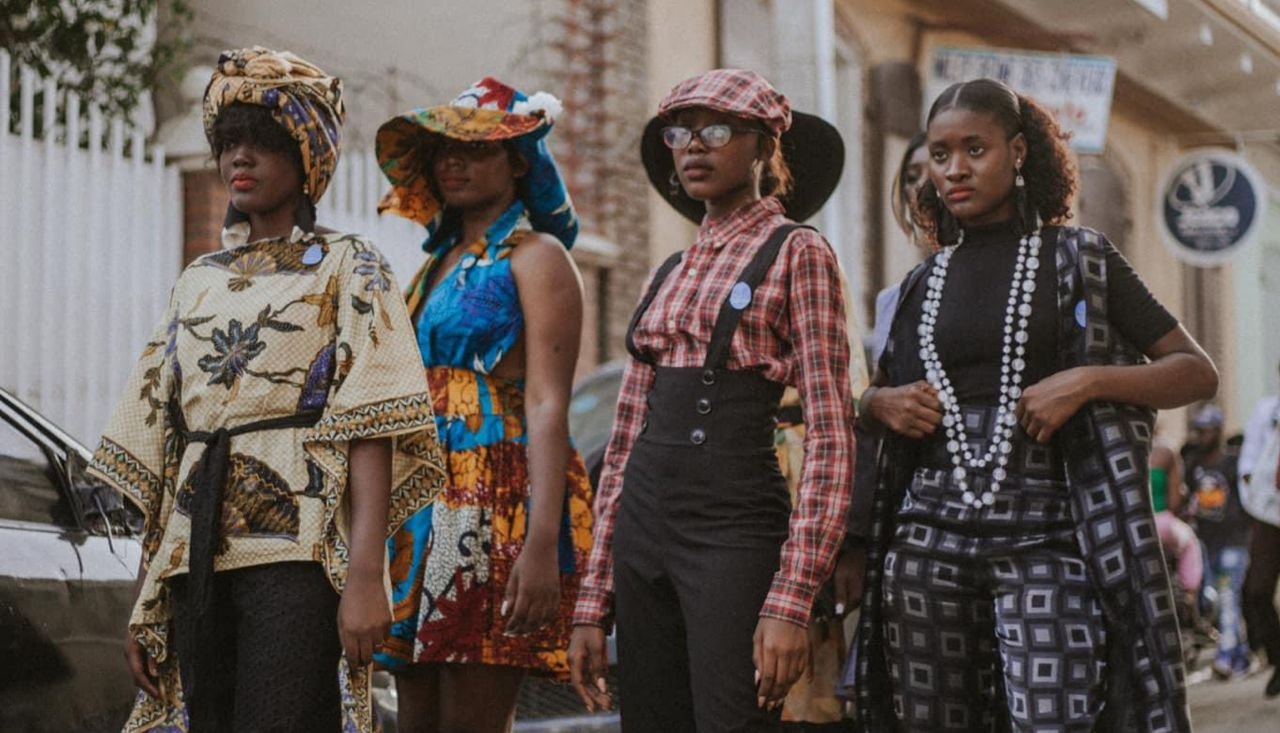
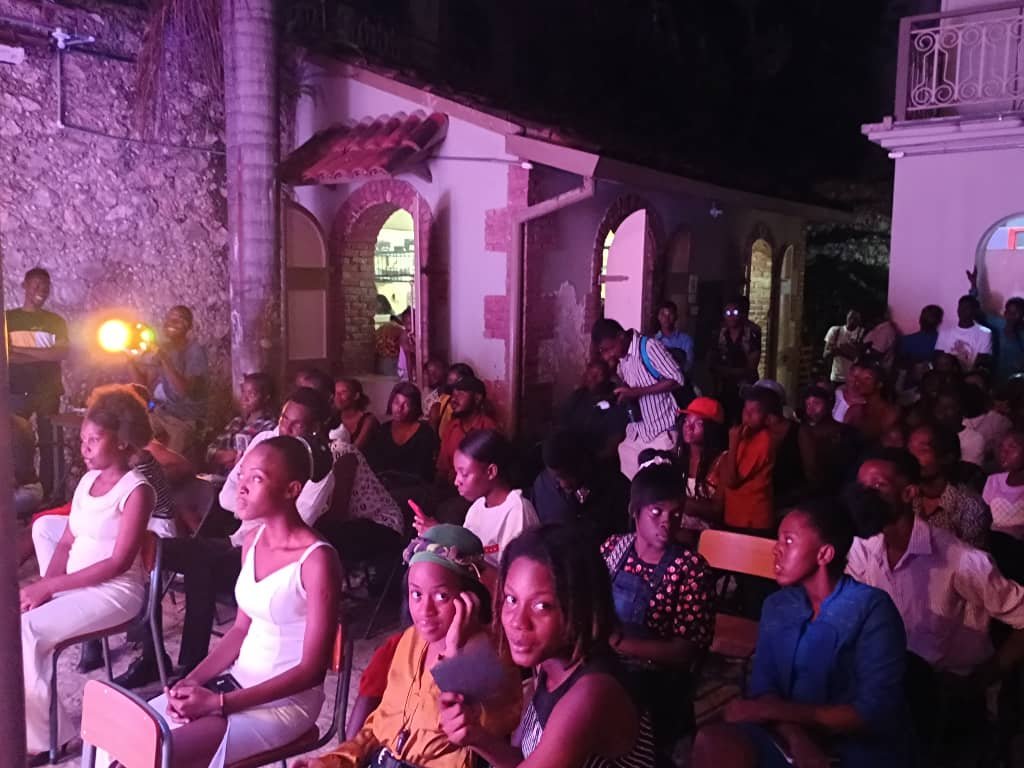
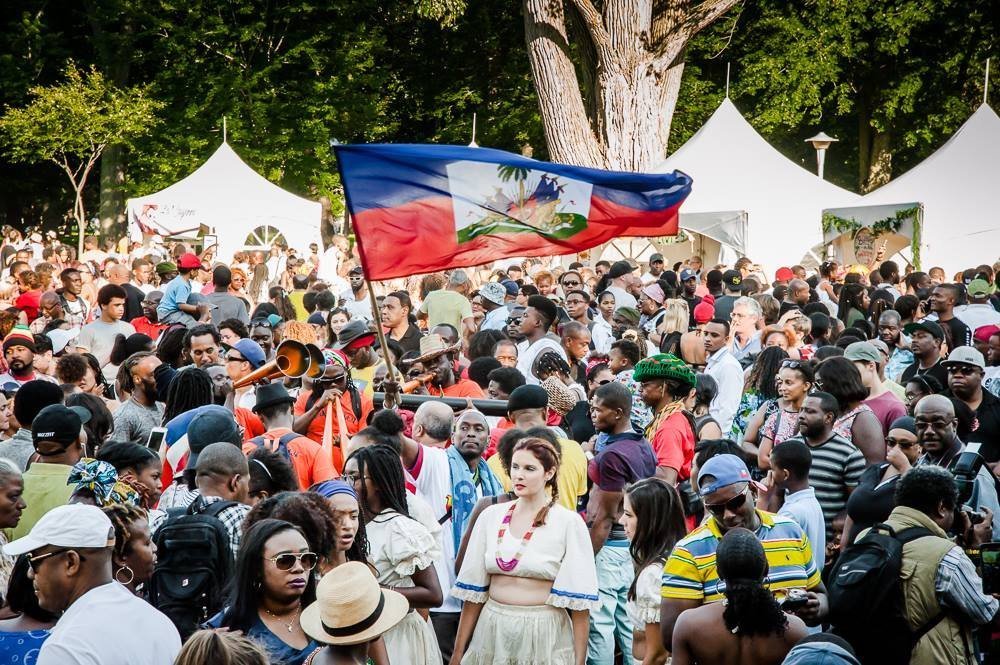
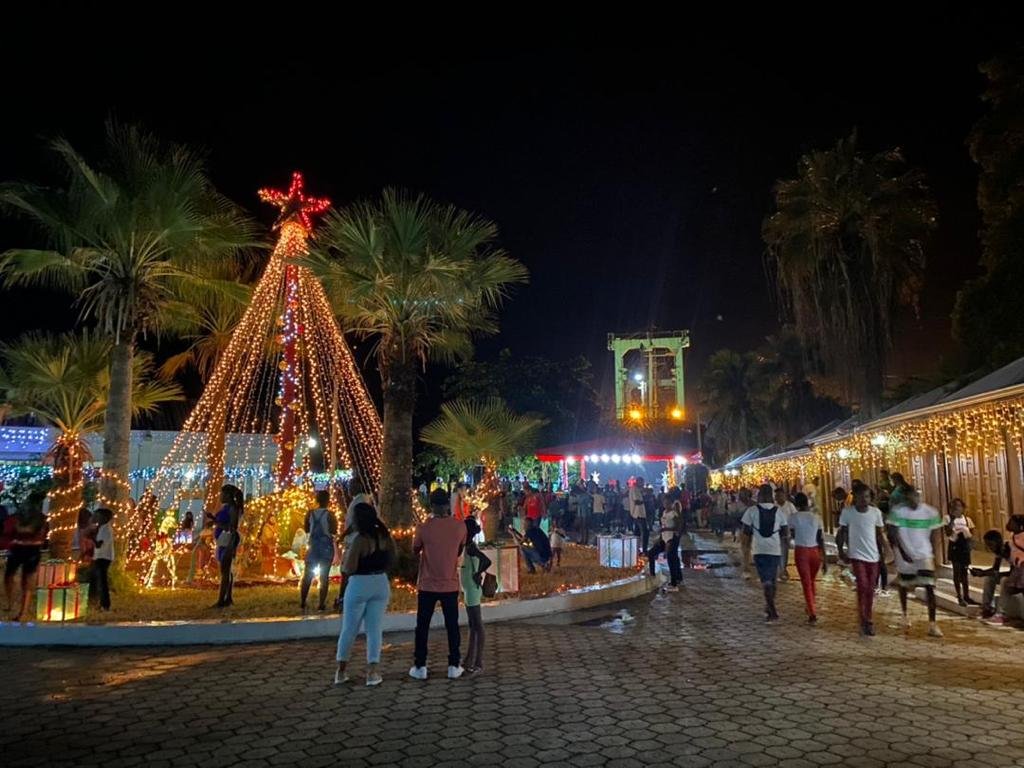
Haïti has a rich and diverse culture, influenced by African, European and indigenous elements. Haitian music, dance, art and cuisine are celebrated around the world.






























Merci
August 15, 2024 - 07:50:01 PMCe très bien.