contact@haitiwonderland.com+509 36184317

Discover

Shopping Cart

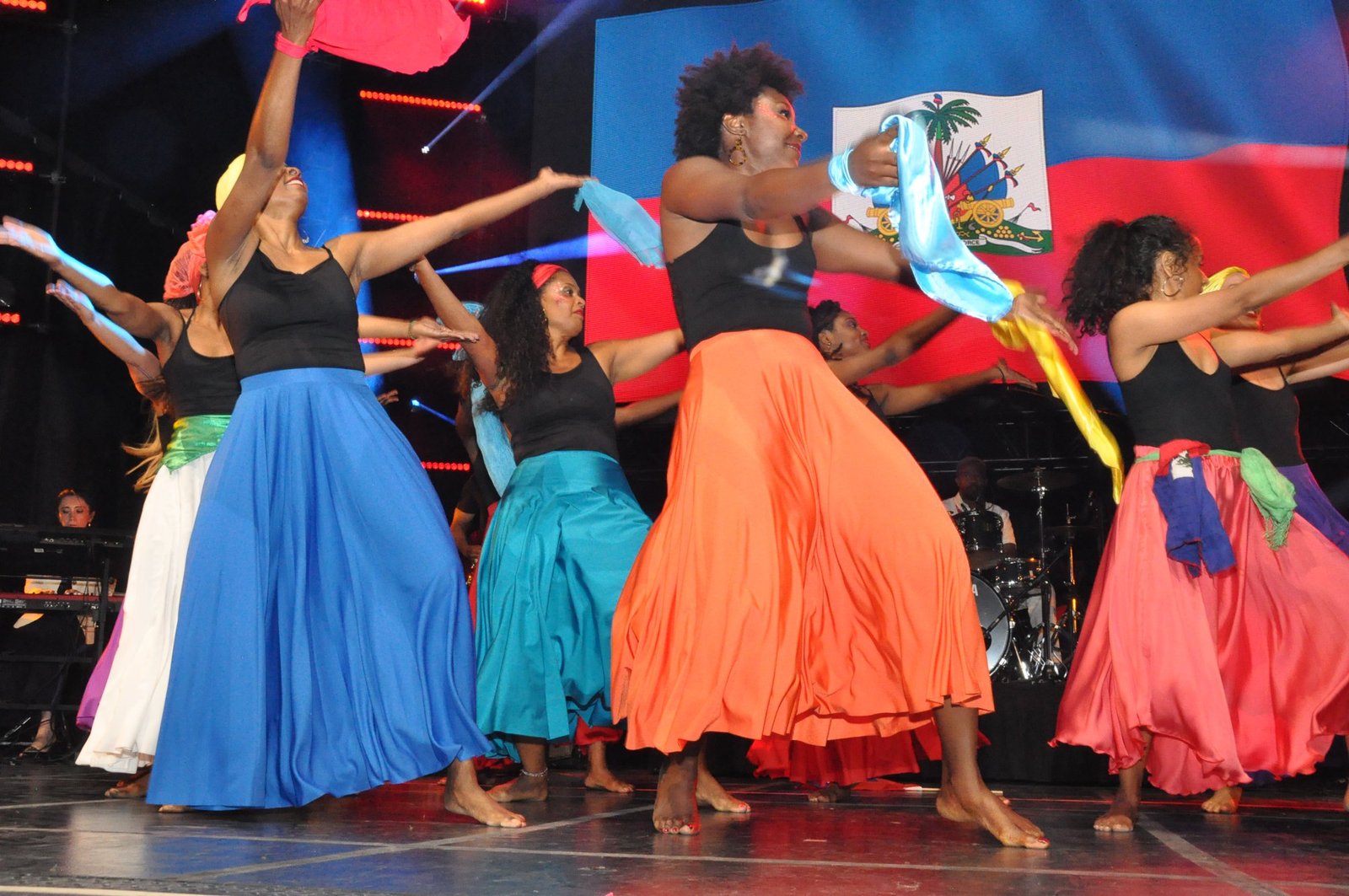
Traditional Haitian dance, an ode to the culture and roots of Haiti

Traditional Haitian dance, an ode to the culture and roots of Haiti

Traditional Haitian dance is rich in history and meaning. It constitutes an essential part of Haitian culture. Practiced during various celebrations such as festivals and religious ceremonies, it is in its essence, a vibrant testimony to the resilience and creativity of a people whose roots are deeply immersed in a fascinating past. Through its rhythms, movements and costumes, this dance tells stories, celebrates traditions and unites entire generations of Haitians.

Haïti
Haïti
Haïti

A Living Cultural Heritage

Like Haiti’s history, traditional Haitian dance is a complex blend of African, Taino and European influences that have merged to create a unique art form. Each dance has a special meaning. Some of the most iconic traditional dances in Haïti include the "Yanvalou", the "Petro", the "Kreyol" and the "Rara".

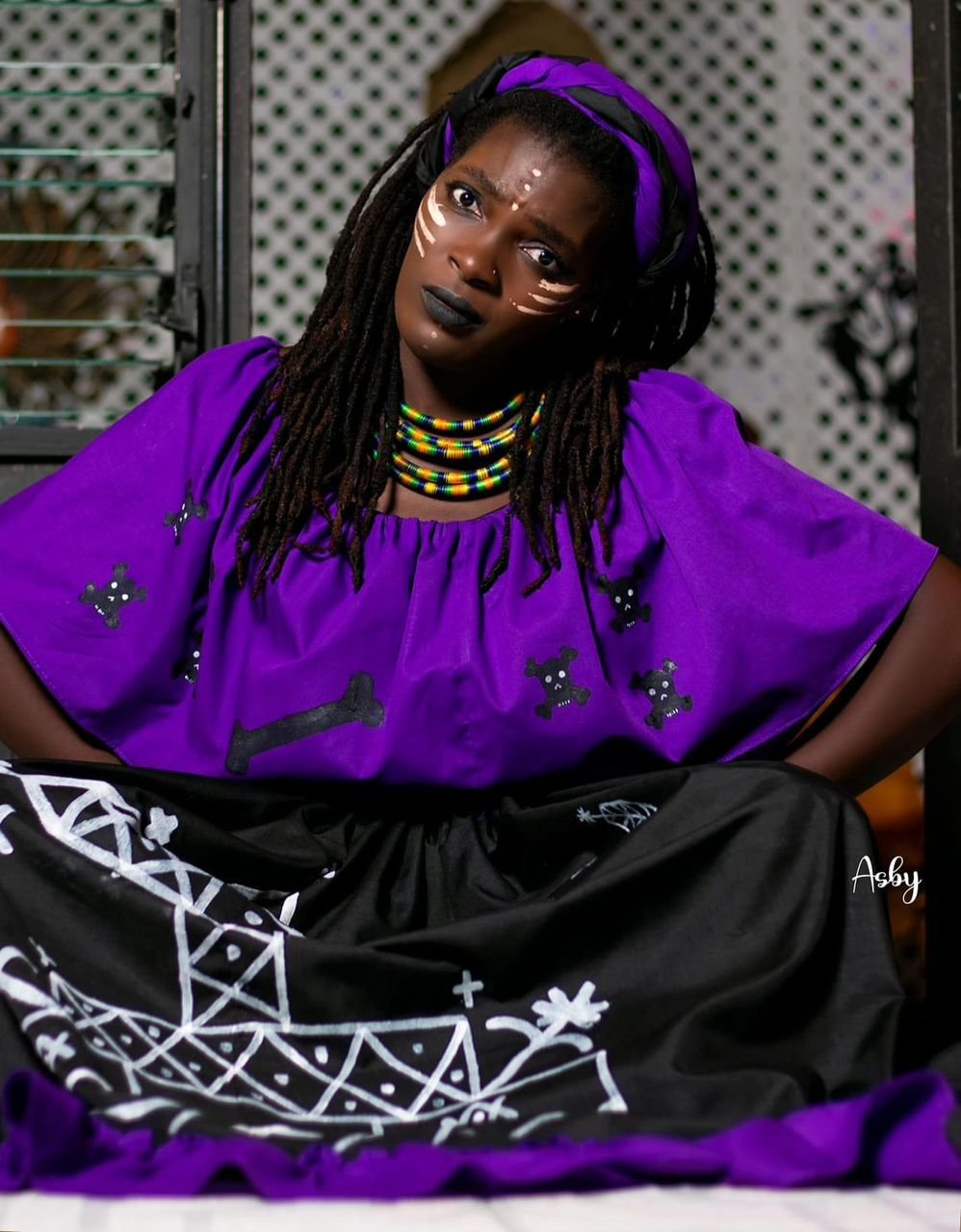
The "Yanvalou", for example, is a sacred dance that has its origins in voodoo rituals. Its fluid and undulating movements symbolize the serpent, an important spirit in the voodoo tradition. This dance is often accompanied by chants and drums that add a ritual and spiritual dimension, connecting the dancers to their ancestors and to nature.

The "Kreyol", on the other hand, is more focused on joy and celebration. Danced during popular festivals, this dynamic style highlights rapid movements and interactions between partners. It embodies the festive spirit that resides among Haitians, and its ability to transform challenges into moments of shared happiness.
Haïti
Haïti
Haïti

Dance as a social and identity expression

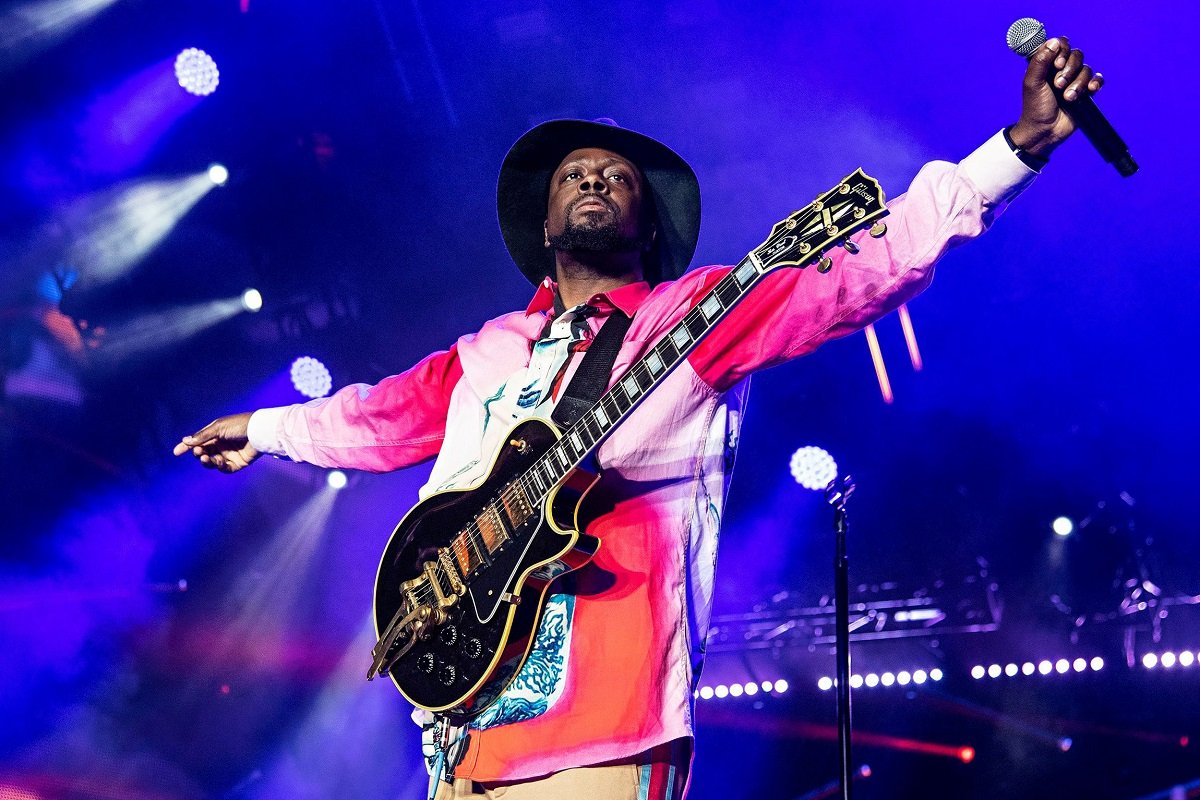
In Haiti, traditional dance is not limited to a simple artistic performance; it is also a powerful means of social and identity expression. The festivals and celebrations that feature these dances become opportunities to gather and express in broad daylight the hidden riches of Haitian culture, while contributing to the strengthening of the social fabric. Traditional dances are often accompanied by live music, usually played by percussion groups that create lively and captivating rhythms.

The costumes worn during these dances are also loaded with symbolism. The colorful clothing, adorned with traditional patterns, reflects not only the cultural heritage but also the creativity of Haitian artisans. Every detail, from the fabric to the accessories, contributes to the visual richness of the dance and the narration of its history.

Haïti
Haïti
Haïti

Challenges and Future Prospects

Despite its cultural importance, traditional Haitian dance faces significant challenges. Rapid modernization and external influences can sometimes threaten the transmission of traditions. In addition, the difficult socio-economic conditions in Haïti complicate the preservation and promotion of these art forms. However, efforts are underway to ensure the sustainability of this precious tradition. Cultural centers such as Pyepoudré, the Brazil-Haïti Cultural Center, and the French Institute in Haïti regularly host traditional dance performances and collaborate with dance schools such as Poltro vanyan to this end. These institutions work tirelessly to preserve and revitalize traditional dances in the Haitian capital and in provincial cities, traditional festivals are important occasions for the diffusion of traditional Haitian dance. Thus, all of these efforts allow younger generations to discover and appreciate this form of artistic expression that carries within it a part of our national history.

Traditional Haitian dance is a living testimony to the culture and resilience of an entire people who have been able to cross history with great blows of pain taken in every part of their body. Through its movements, rhythms and costumes, not only does it tell the story of Haiti, but it celebrates the full extent of its cultural wealth. This dance is a means that allows Haitians to evolve while remaining faithful to their roots. It also gives any spectator who observes it the opportunity to honor, not only a unique art form but also to appreciate the indomitable spirit of a nation that was born on January 1, 1804, following a rebellion against centuries of slavery and inhuman injustice.

Share
About the Author
Moise Francois
Moise Francois
Moise Francois

Journalist editor, poet and apprentice lawyer.

See other articles from Moise Francois
Leave a comment

Recently Posted

Newsletter

Subscribe to our newsletter to stay informed of all our activities and news on Haiti.

Jean-Jacques Dessalines, leader of the Haitian Revolution

In the annals of the history of Haiti, an island located in the Caribbean at the entrance to the Gulf of Mexico and shared with the Dominican Republic, Jean-Jacques Dessalines emerges like a phoenix from the ashes of oppression. Born a slave on September 20, 1758 in the home of Henri Duclos, in Cormier (Grande-Rivière-du-Nord), in the French colony of Saint-Domingue, Dessalines was a Creole of African (Afro-Caribbean) origin. Freed during the 1794 abolition achieved through slave revolts, actually served as an officer in the French army during the French Revolution. At that time, the ideas of freedom and equality were at the heart of the concerns of the inhabitants of the colonies. Dessalines actively participated in the fighting against the Spanish and British forces, alongside the French, in Santo Domingo. Having risen to the rank of Lieutenant General, Jean-Jacques Dessalines turned against the French during the Leclerc expedition, sent to Saint-Domingue by Bonaparte to reestablish colonial authority and slavery during the Haitian Revolution. After the capture and deportation of Toussaint Louverture to France on June 7, 1802, Dessalines assumed a leading role in continuing the struggle for independence. He led numerous battles, including the battle of Crête-à-Pierrot in March 1802, where he galvanized his soldiers with his famous declaration: “Let those who want to remain slaves of the French leave the fort, let those, on the contrary, who want to die as free men, line up around me.” On January 1, 1804, Jean-Jacques Dessalines achieved the long-awaited goal of independence by proclaiming Haïti as a sovereign nation, becoming the second country in the Americas to gain independence from a colonial power. He became the first leader of the newly formed nation and was named Emperor under the name James I. However, his imperial reign was marked by authoritarian and brutal policies, including the massacre of many white settlers and the redistribution of land to peasants that was in the hands of the generals of the independence army. In addition, he organized the hunt for delinquents in the city while implementing rigorous agrarian policies, considering that they represented a threat to the stability of the nation, these controversial actions caused divisions within Haitian society. Dessalines was assassinated on October 17, 1806 following a plot organized by some of his generals in the Haitian army. His death marked the end of his brief but influential period in power. Despite the controversies surrounding his methods, he is recognized as the main architect of Haiti’s independence and his name was honored in 1903 by being attributed to the Haitian national anthem, La Dessalinienne, composed by Justin Lhérisson.Finally, the great visionary man Jean Jacques Dessalines remains an emblematic figure in the history of Haiti, recognized for his role in the fight for independence and the end of slavery in the region.



Recently Posted

History

History

First black nation to free itself from slavery and gain independence from France in 1804 and influenced other liberation movements around the world, inspiring struggles for freedom and equality.

Natural beauty

Natural beauty

Haïti is blessed with spectacular natural landscapes, including white sand beaches, mountains and rich biodiversity.

Heritage

Heritage

Haïti has a rich historical heritage, including sites like the Citadelle Laferrière and the Sans-Souci Palace, listed as UNESCO World Heritage Sites.

Culture

Culture

Haïti has a rich and diverse culture, influenced by African, European and indigenous elements. Haitian music, dance, art and cuisine are celebrated around the world.

  • +
    • Post