contact@haitiwonderland.com+509 36184317

Discover

Shopping Cart

Explore the Festivals, Gastronomy and Art of Haiti: An Immersive Dive

Explore the Festivals, Gastronomy and Art of Haiti: An Immersive Dive

Haiti, the pearl of the Caribbean, is much more than its white sand beaches and turquoise waters. It is a country rich in culture, traditions and history. Among the many facets of Haitian culture, its festivals, its gastronomy and its art stand out for their diversity and authenticity.

Haïti
Haïti
Haïti

Festivals: Celebrations of Life and Culture

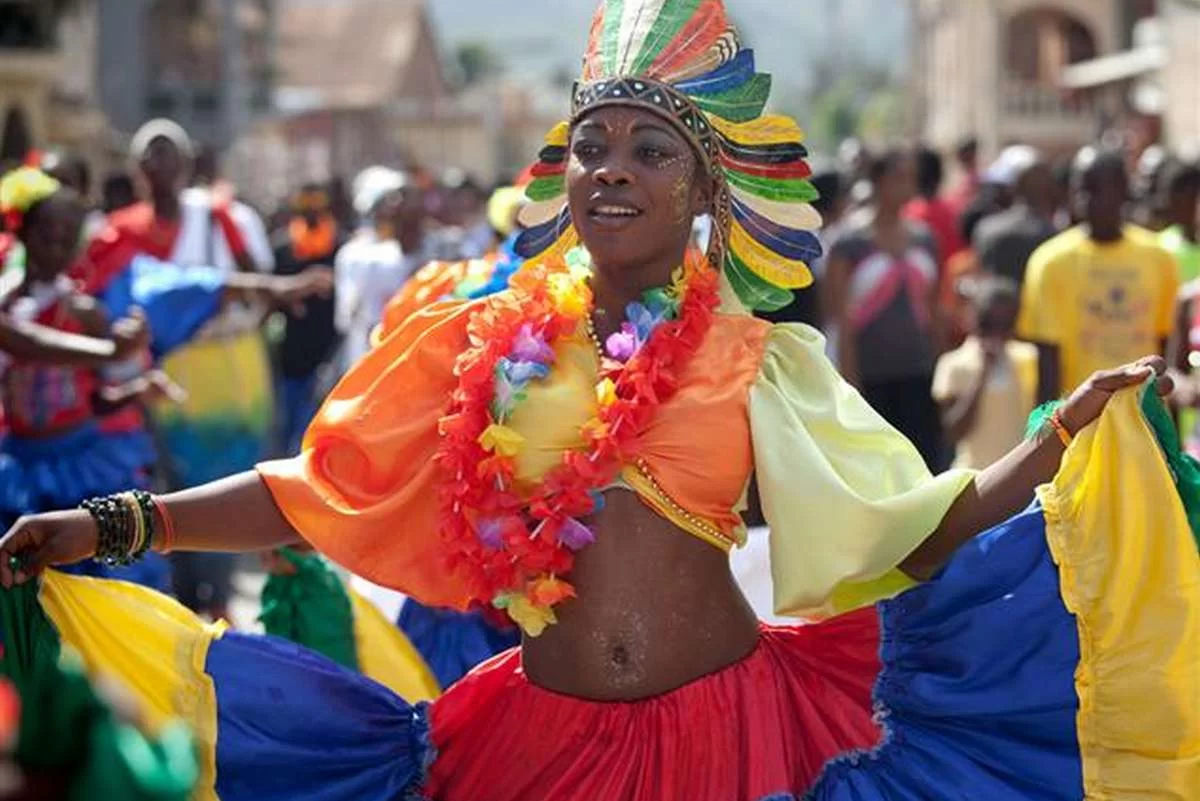
Haitian festivals are vibrant celebrations of life, music, dance and spirituality. One of the most iconic festivals is Carnival, which takes place every year in February. This colorful and exuberant festival is a celebration of Haitian culture, with float parades, folk dances, haunting music and extravagant costumes. The Haitian carnival is an explosion of joy and creativity that attracts visitors from all over the world.

Besides Carnival, Haïti is home to a multitude of other festivals throughout the year. Each festival offers visitors a unique opportunity to immerse themselves in Haitian culture and enjoy unforgettable experiences.

Haïti
Haïti
Haïti

Gastronomy: A Feast for the Senses

Haitian gastronomy is a delicious blend of African, French, Creole and indigenous flavors. Haitian dishes are often prepared with local ingredients such as rice, beans, plantains, cassava and chili peppers. An iconic dish is "diri djon djon", a fragrant rice cooked with local black mushrooms, which gives the dish a distinctive color and unique taste.

Meat dishes, such as griot (marinated and fried pork) and chicken boucané (grilled chicken), are also very popular. Fresh seafood abounds on Haiti’s shores, offering a variety of culinary delights such as grilled fish and spicy shrimp.

To accompany meals, Haitians often enjoy fresh "sugar cane juice" or "rum", an alcoholic beverage infused with local fruits and spices. Haitian gastronomy is a celebration of bold flavors and culinary traditions passed down from generation to generation.

Haïti
Haïti
Haïti

Art: Expression of the Haitian Soul

Haitian art is a form of expression deeply rooted in the history and culture of the country. From painting to sculpture to crafts, Haitian art is diverse and vibrant. Haitian paintings, in particular, are famous for their bright colors, naïve motifs, and depictions of daily life, religion, and mythology.

Haitian sculptures, often made from recycled wood or metal, also reflect the creative spirit and ingenuity of the Haitian people. Traditional crafts, such as basketry and pottery, are another popular art form in Haiti, continuing craft techniques passed down from generation to generation.

Art galleries and craft markets across the country offer visitors the opportunity to discover and acquire unique works created by talented Haitian artists. Haitian art is much more than just decoration; it is a window into the soul and creative spirit of a people.

Haïti is a country rich in festivals, gastronomy and art. These elements constitute the fabric of Haitian culture, offering visitors an authentic immersion in the life and traditions of the country. Whether dancing to the rhythm of the carnival, tasting the local culinary delights or admiring the unique works of art, a visit to Haïti promises an unforgettable and enriching experience.

Share
About the Author
Haïti Wonderland
Haïti Wonderland
Leave a comment

Recently Posted

Haiti: Discovering Lake Péligre

At the heart of the majestic Haitian topography, lies a natural gem of breathtaking beauty: Lake Péligre. Nestled in the mountains of Haiti’s central region, this artificial lake is a wonder for local residents and amazed visitors alike. From its historical creation to its contemporary ecological importance, let’s explore together the riches of Lake Péligre. Origin and History: Lac de Péligre is the result of an ambitious engineering project undertaken in the 1950s. At that time, the Haitian government, in collaboration with international partners, undertook the construction of the Péligre Dam on the Artibonite River. The main goal was to provide large-scale electricity to Haïti while regulating river flooding to protect agricultural land downstream. Ecology and Biodiversity: Beyond its usefulness as a source of hydraulic energy, Lake Péligre is home to rich ecological diversity. The calm waters of the lake provide vital habitat for a variety of native fish species, supporting local fishing communities. In addition, the surrounding forests and hills that border the lake are home to diverse flora and fauna, contributing to the preservation of the regional ecosystem. Tourism and Leisure: For outdoor enthusiasts and nature enthusiasts, Lake Péligre offers a multitude of leisure opportunities. Visitors can enjoy peaceful boat rides on the tranquil waters of the lake, offering panoramic views of the surrounding mountains. Additionally, hiking trails winding through lush forests allow hikers to explore the area’s natural beauty. Lake Péligre represents much more than a simple artificial body of water. It is a living testament to human ingenuity and the natural beauty of Haiti. As an emerging tourism destination, it offers visitors an immersive experience in nature, while highlighting the crucial importance of environmental conservation. By preserving this natural treasure, we also preserve the sustainable future of our planet.

The Monferrier Dorval Chair of Constitutional Law, a gesture from the State University of Haiti, for the preservation of the memory of Professor Dorval

The Monferrier Dorval Chair of Constitutional Law is a high-intellectual-intensity initiative, taken by the State University of Haïti (UEH), through the leadership of its rectorate, in agreement with the leaders of the Faculty of Law and Economics (FDSE). The initiative’s primary goal is to honor and perpetuate the memory of the valiant and brilliant Professor Monferrier Dorval, assassinated in unclear circumstances, about three years ago. And in order to make a scientific contribution to the great debate that has been going on in Haitian society for about ten years about the need to change or not, the constitution of March 29, 1987, amended on May 11, 2011. Shouldn’t we try to apply it preferably? If it needs to be changed, should this change be radical, otherwise what should it have in terms of change within a new mother law for a better institutional organization of Haiti. The chair is scientifically chaired by Professor Henri Marge. Dorléans, (current head of AFPEC), and is vice-chaired by the dean of the faculty of law and economics, Me Eugène Pierre Louis. The Chair is materialized by a set of conferences and debates (15 in total), which take place in the premises of the Office of the Protection of the Citizen OPC, under the name of Wednesday of the Monferrier Dorval Chair. It is in this sense that for the fifth edition of the Wednesday of the chair (which took place this Wednesday, October 9, 2024 at the OPC, in the presence of the protector of the citizen, Me Renan Hédouville), attention was placed on education within the debate surrounding the possible development of a new constitution for Haiti. This 5th meeting took place under the theme of: "Education, Teaching, Research, Science and Technologies". The conference was hosted by three greats of the Haitian intellectual community, including two eminent professors of the UEH, namely, Professor Odonel Pierre Louis, academic director of the École normale supérieure (ENS); the vice rector of the UEH, Professor Jacques Blaise. Their interventions were followed by that of the director of the national institute of vocational training (INFP) Mr. Dikel Delvariste.

Newsletter

Subscribe to our newsletter to stay informed of all our activities and news on Haiti.

Recently Posted

History

History

First black nation to free itself from slavery and gain independence from France in 1804 and influenced other liberation movements around the world, inspiring struggles for freedom and equality.

Natural beauty

Natural beauty

Haïti is blessed with spectacular natural landscapes, including white sand beaches, mountains and rich biodiversity.

Heritage

Heritage

Haïti has a rich historical heritage, including sites like the Citadelle Laferrière and the Sans-Souci Palace, listed as UNESCO World Heritage Sites.

Culture

Culture

Haïti has a rich and diverse culture, influenced by African, European and indigenous elements. Haitian music, dance, art and cuisine are celebrated around the world.

  • +
    • Post